Spatial awareness Worksheets for Ages 5-6 - Page 2
36 filtered results
-
From - To
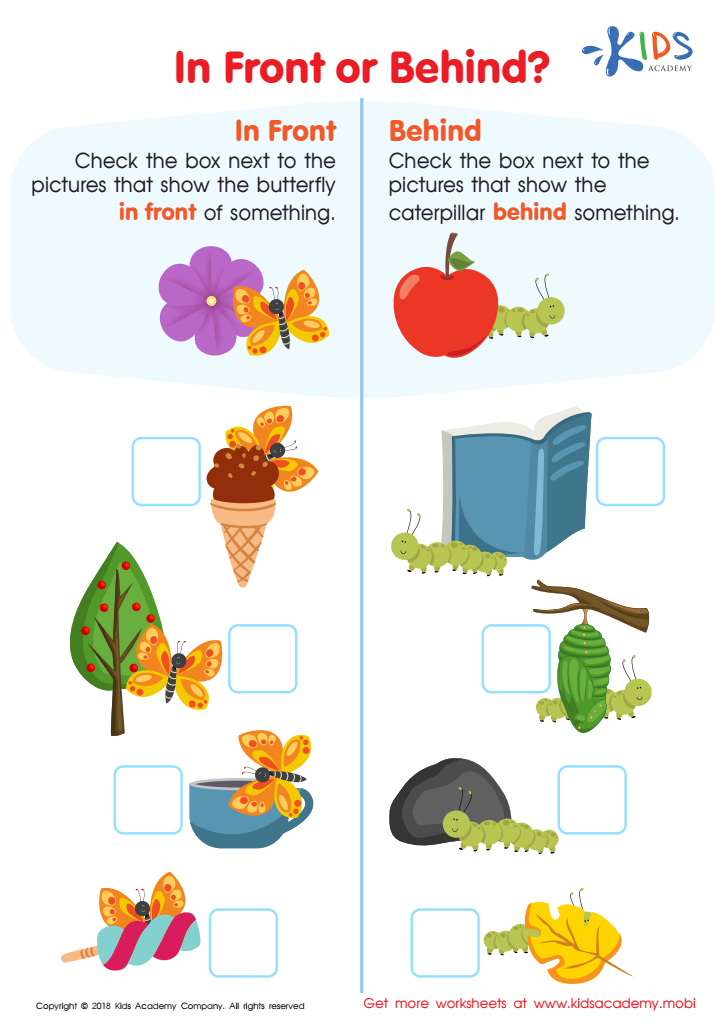
In Front or Behind Worksheet
 Assign to My Students
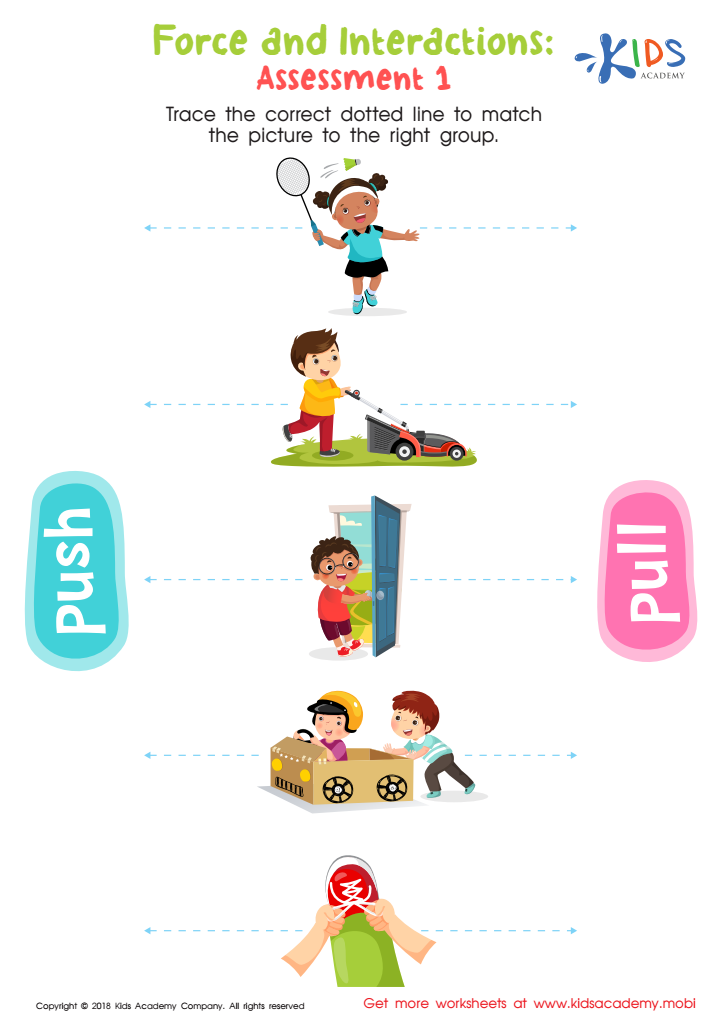
Force and Interactions: Assessment 2 Worksheet
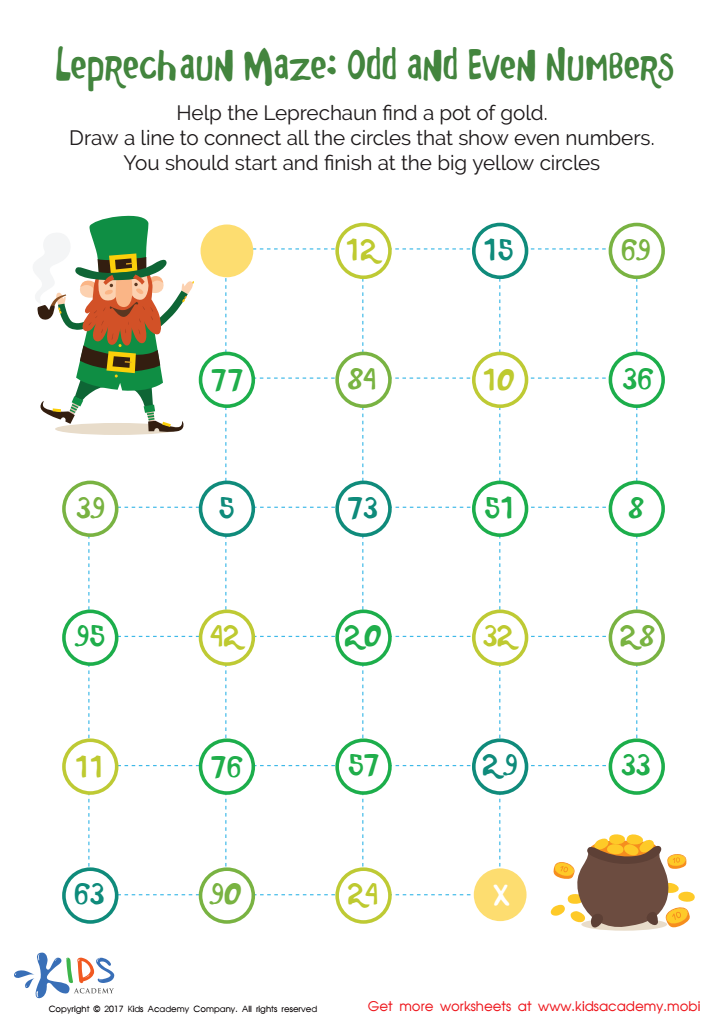
Leprechaun Maze Printable
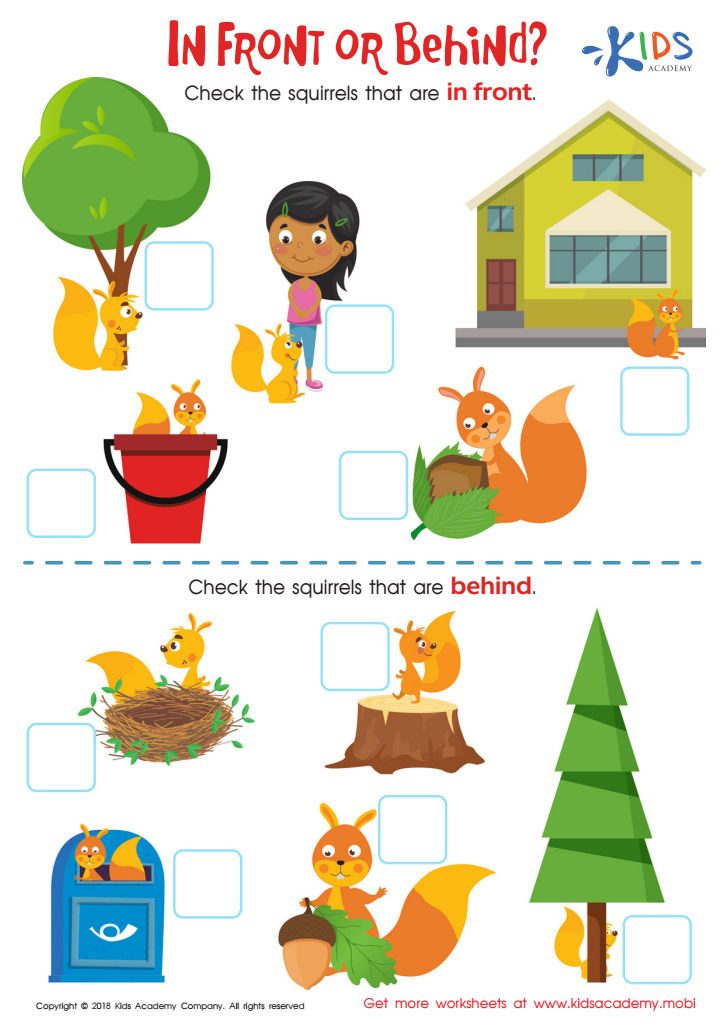
In Front or Behind: Part 2 Worksheet
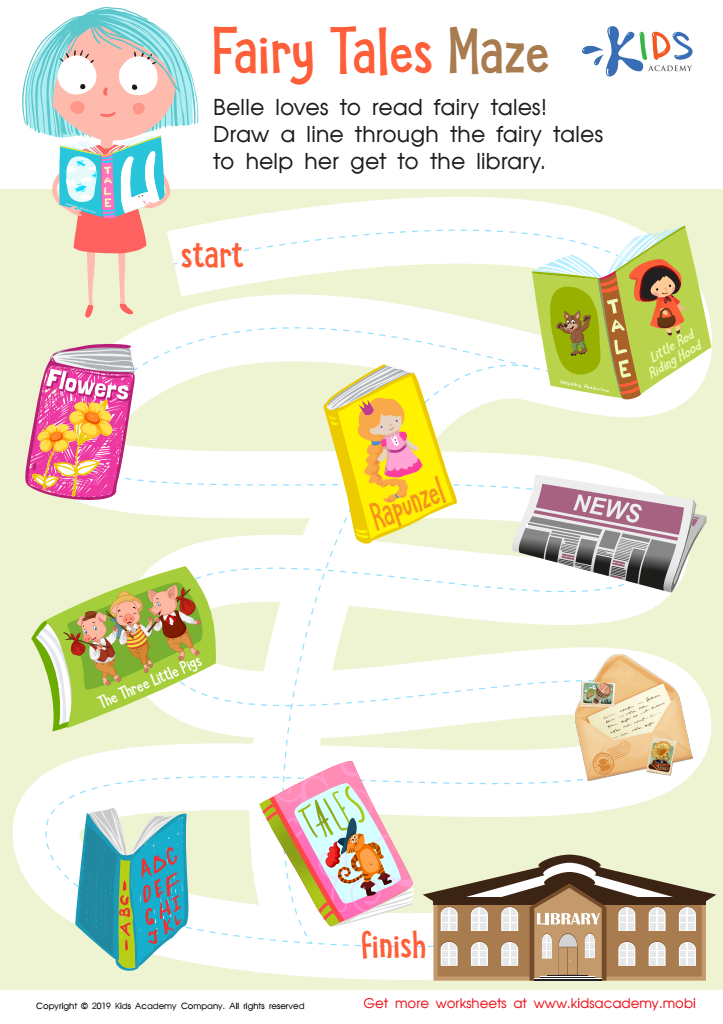
Fairy Tales Maze Worksheet
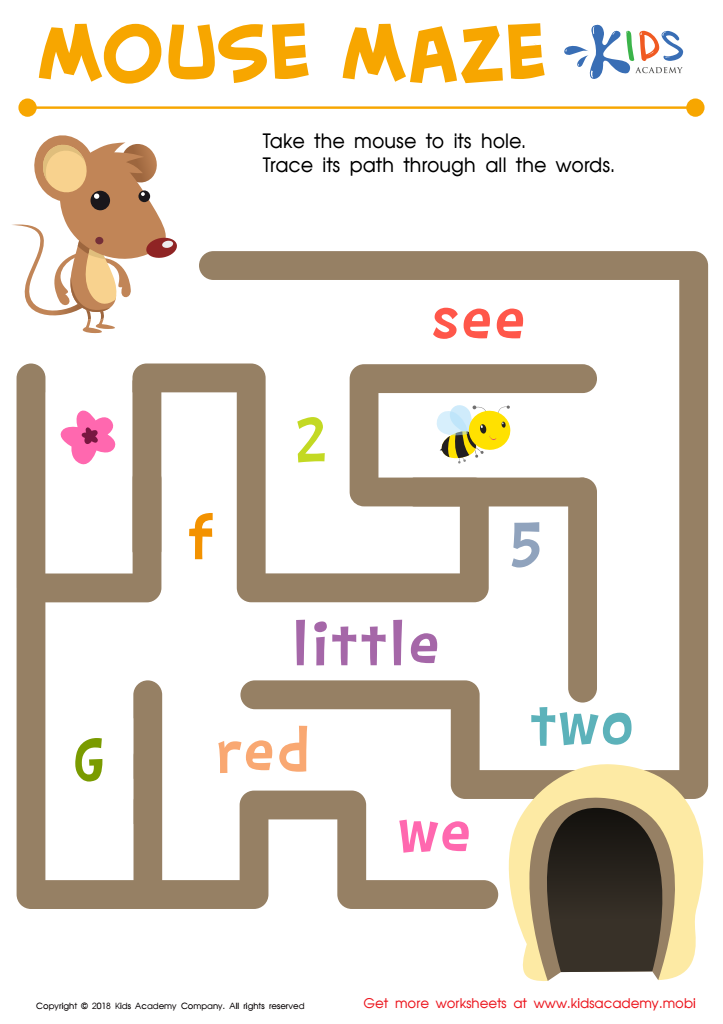
Find Words Mouse Maze Worksheet
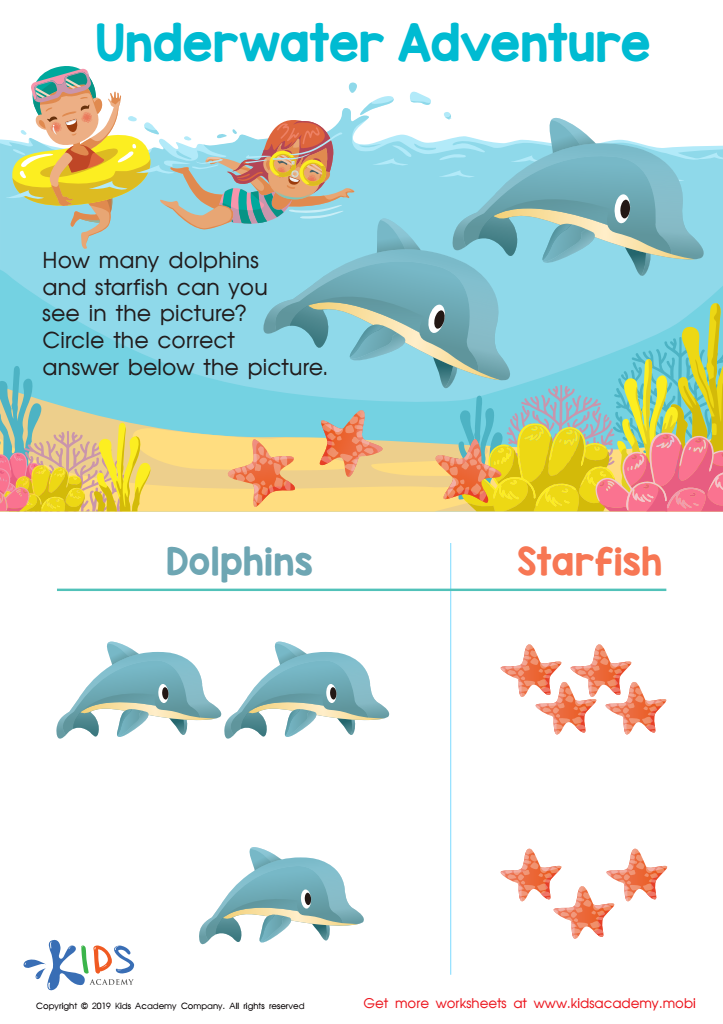
Underwater Adventure Worksheet
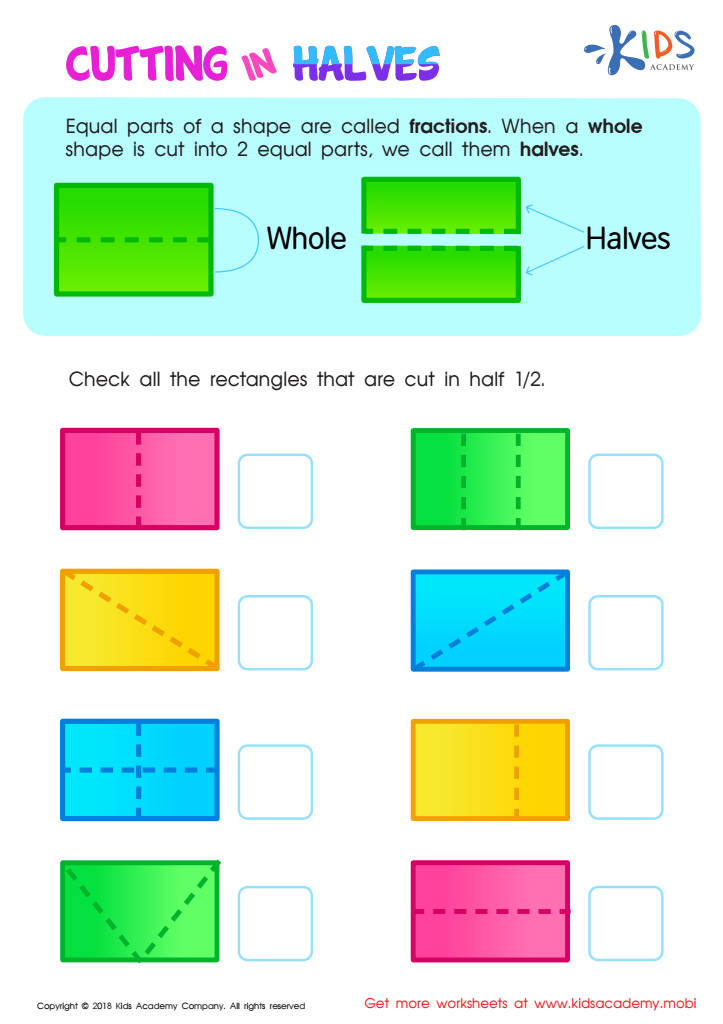
Cutting in Halves Worksheet
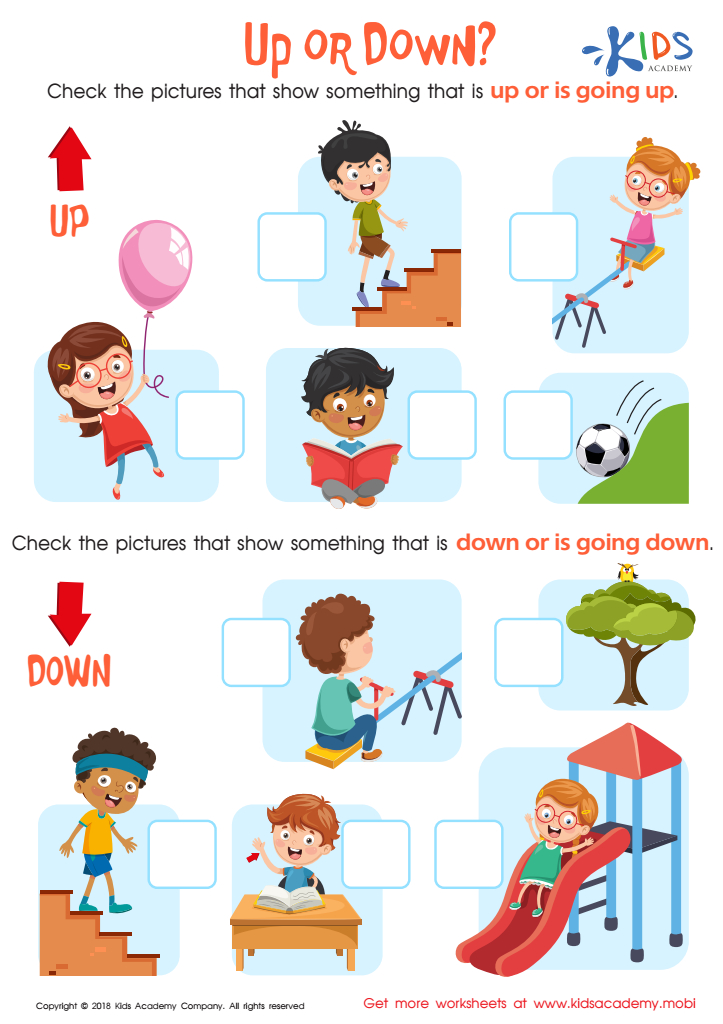
Up or Down Worksheet
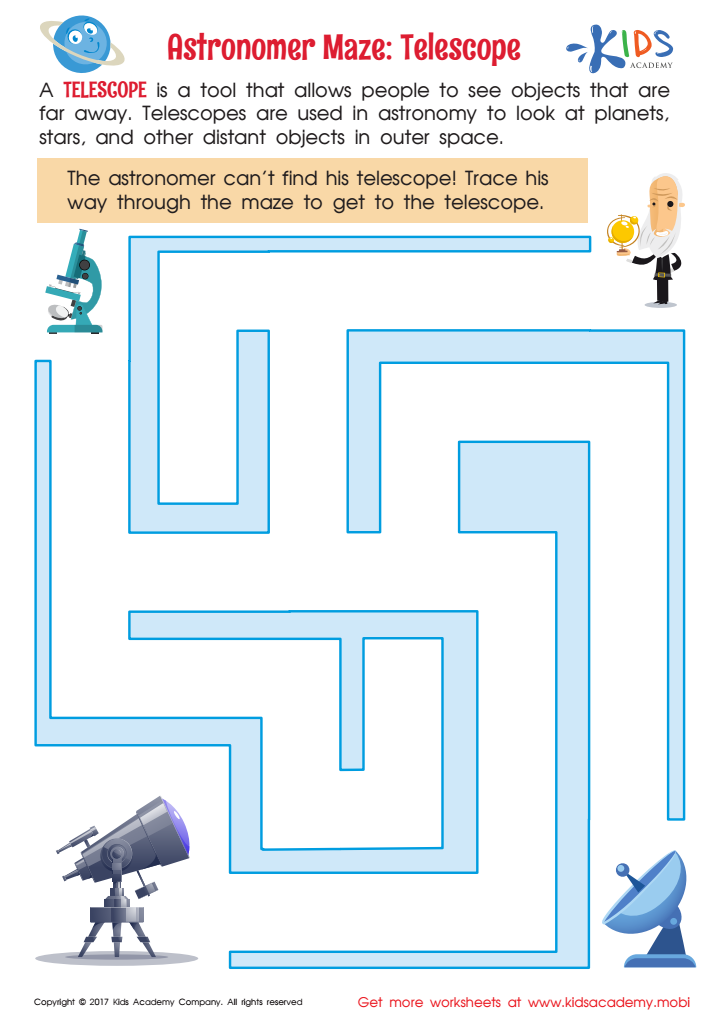
Astronomer Maze: Telescope Worksheet
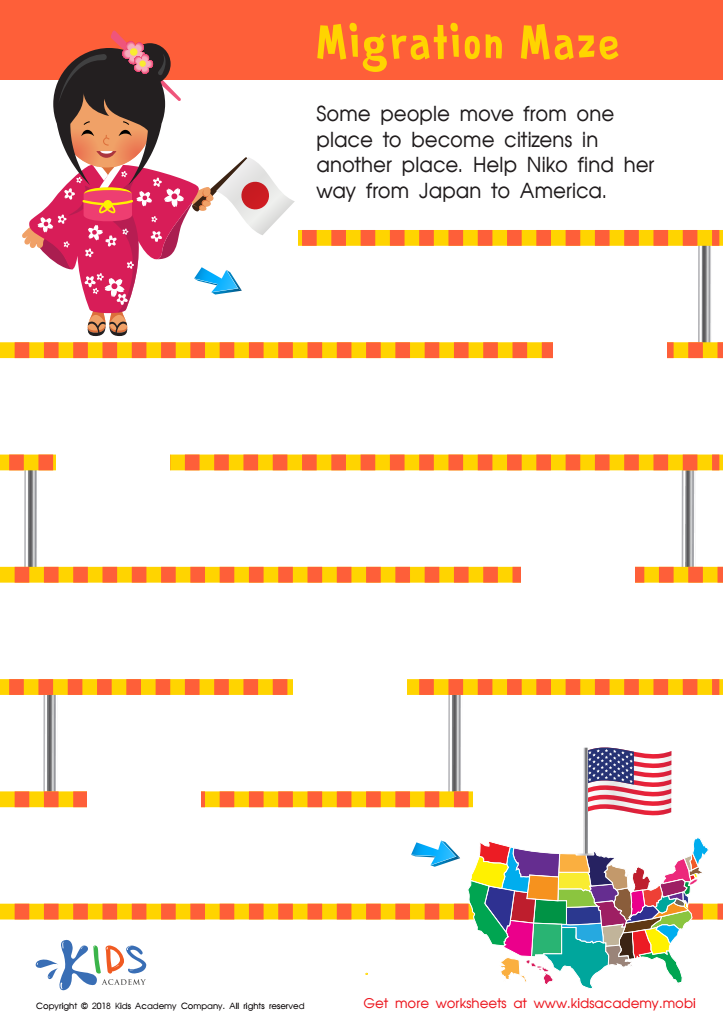
Migration Maze Worksheet
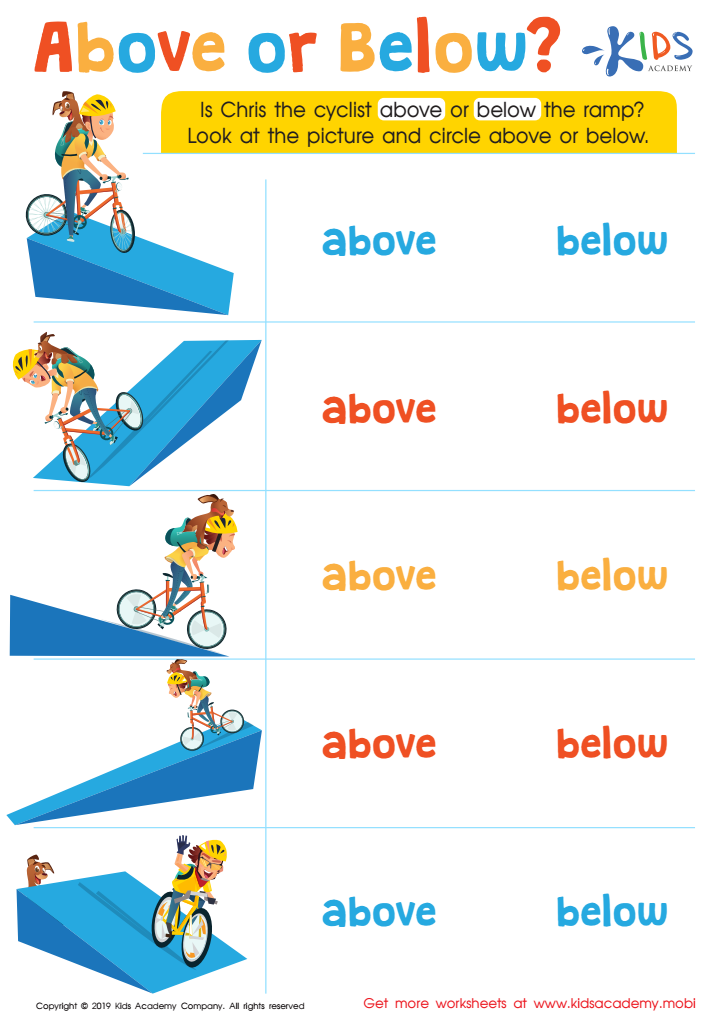
Above or Below? Worksheet








Spatial awareness is a crucial aspect of developmental learning for children ages 5-6, as it forms the foundation for a range of cognitive, social, and physical skills. At this age, children are beginning to explore their environment more actively. Understanding spatial relationships helps them grasp concepts such as directions, distances, and object sizes, which are vital for problem-solving and navigation.
Parents and teachers should care about spatial awareness because it significantly impacts a child’s ability to learn math and science concepts. For instance, spatial skills are linked to geometry and arithmetic; children who can visualize and manipulate shapes and sizes tend to excel in these subjects. Additionally, spatial awareness fosters physical development by improving coordination and balance.
Beyond academics, strong spatial reasoning builds confidence and creative thinking, allowing children to express themselves through art, play, and imaginative activities. Engaging in spatially-rich activities, such as puzzles, building blocks, and outdoor play, encourages exploration and discovery. Thus, nurturing spatial awareness during these formative years supports holistic development and equips children with essential skills they will use throughout their lives. When parents and teachers prioritize this aspect, they lay a strong foundation for future learning and personal growth.








