Reading comprehension 2D Shapes Worksheets for Ages 5-6
4 filtered results
Difficulty Level
Grade
Age
-
From - To
Subject
Activity
Standards
Enhance your child's learning with our engaging "Reading Comprehension 2D Shapes Worksheets" designed specifically for ages 5-6. These colorful worksheets blend literacy and math, helping young learners recognize and understand 2D shapes through fun reading exercises. Each activity encourages critical thinking while promoting vocabulary related to geometry. Kids will identify shapes like circles, squares, and triangles, boosting both their comprehension skills and shape recognition. With interactive questions and creative prompts, our worksheets keep children motivated and eager to learn. Perfect for home or classroom use, these worksheets ensure that foundational skills in reading and math are developed simultaneously in an enjoyable way!
Favorites
With answer key
Interactive
Peter Pan Worksheet
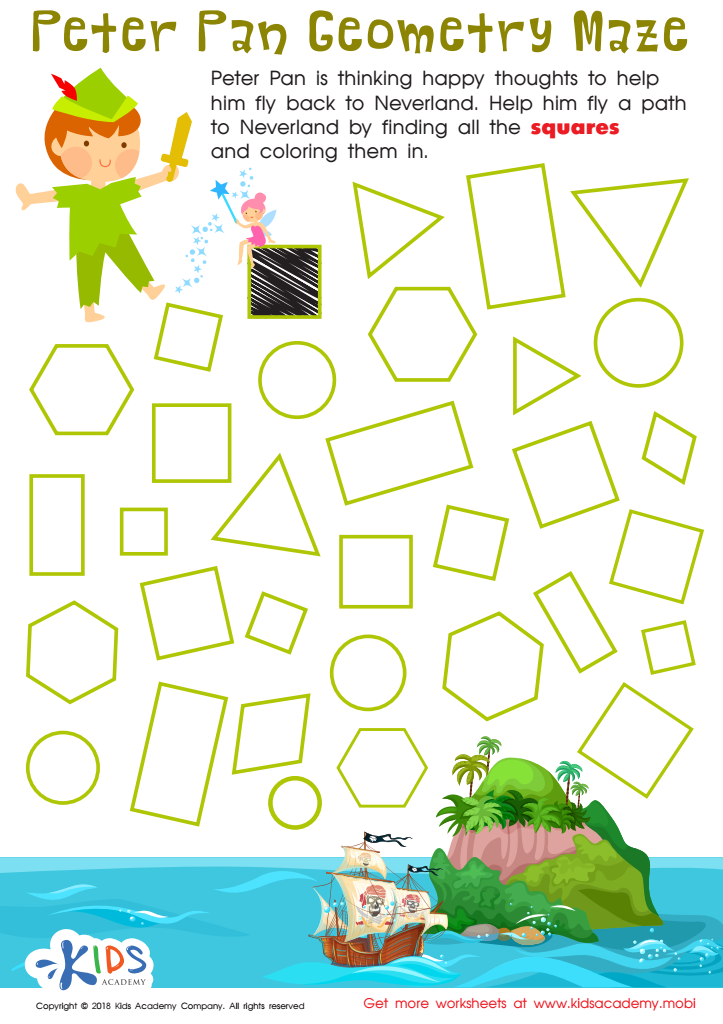
Kindergarteners can join Peter Pan on an adventure to Neverland! They can help him by coloring squares to create a path, strengthening their shape identification skills in a fun maze. Let the journey begin!
 Assign to My Students
Peter Pan Worksheet
Worksheet











Hansel and Gretel Geometry Maze Worksheet
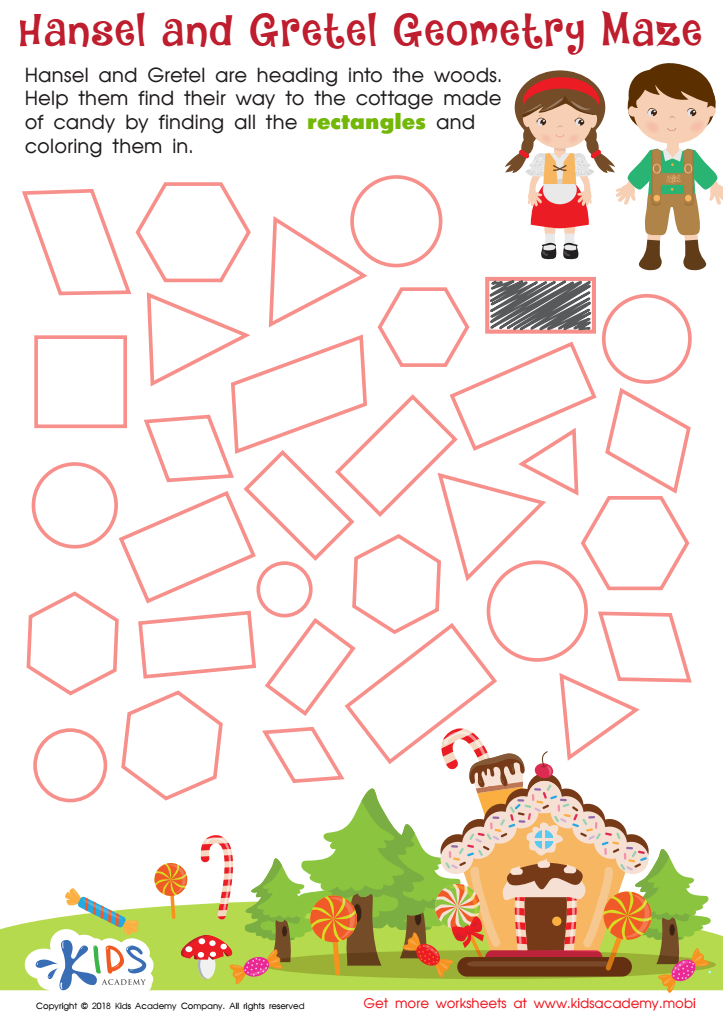
Your kids will have fun helping Hansel and Gretel get through a colorful forest of shapes! This free PDF reinforces the properties of rectangles, building skills in visual discernment and laying the foundations for geometry. They'll be too busy enjoying the story to realize they're learning!
Hansel and Gretel Geometry Maze Worksheet
Worksheet
Geometry: part 1 Worksheet
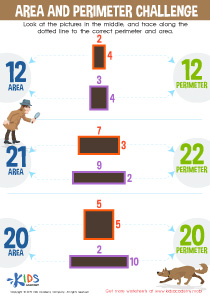
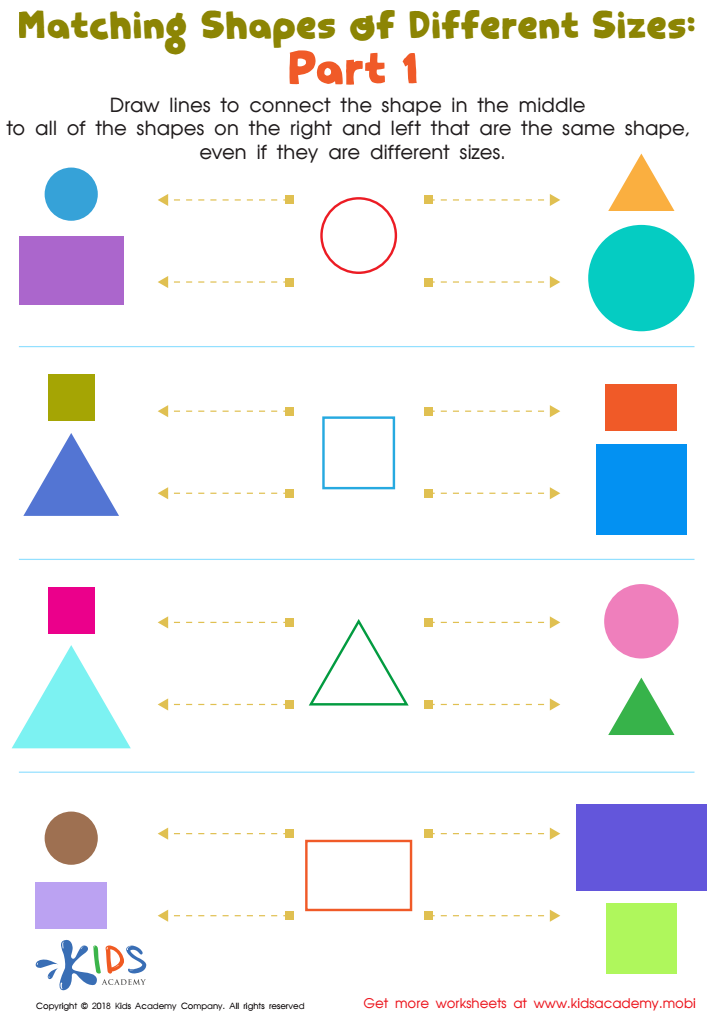
Test your student's shape knowledge with this beginner-level geometry worksheet. This fun, challenging printable PDF will sharpen spacial recognition skills as they match shapes of different sizes. Get started now!
Geometry: part 1 Worksheet
Worksheet
Matching and Sorting for Kindergarten: Assessment 1 Worksheet
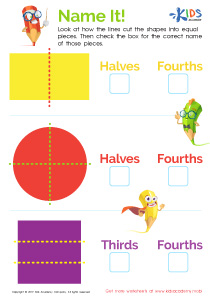
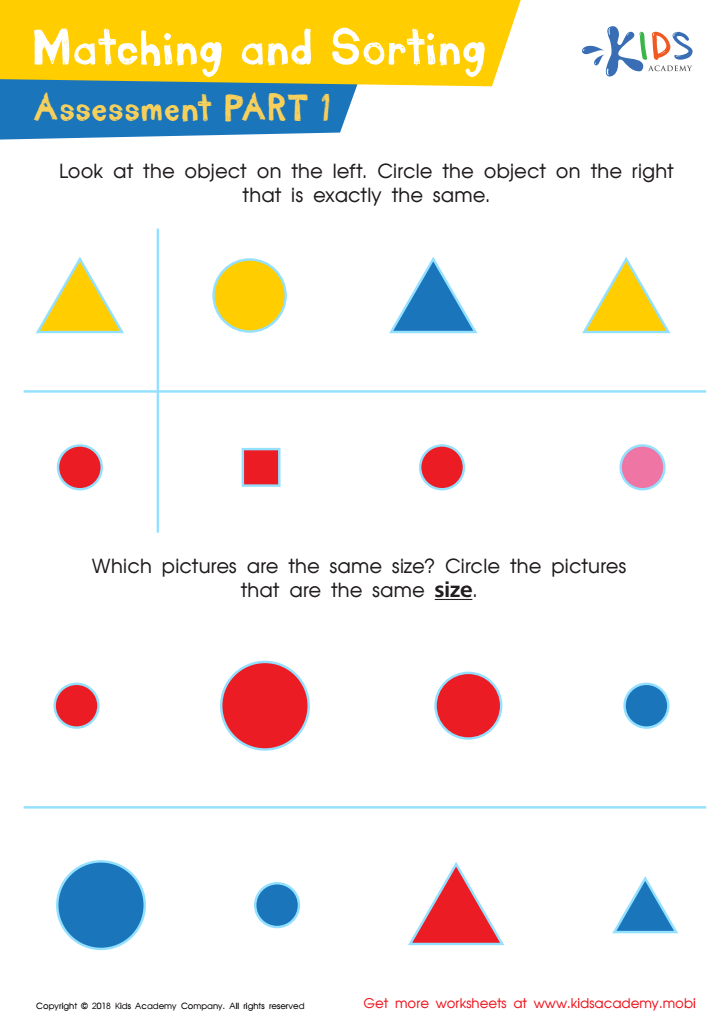
Kids can sharpen their visual discrimination skills and analyze properties of shapes with this free downloadable worksheet. They'll identify color, size, shape, and symmetry, working with bright primary colors. This helps build a strong geometric foundation, learning to identify shape attributes.
Matching and Sorting for Kindergarten: Assessment 1 Worksheet
Worksheet
Join Kids Academy for Free
Who is primarily going to use this learning content?








Reading comprehension and understanding 2D shapes are crucial for children ages 5-6, and both areas significantly contribute to their overall development. At this age, children are transitioning from learning letters and numbers to integrating those skills in practical contexts. Recognizing and understanding 2D shapes—such as squares, circles, and triangles—helps develop their spatial awareness and logical reasoning, essential for future math skills.
Furthermore, integrating reading with shape recognition enhances literacy skills. When children can read about shapes, they learn to decode information and extract meaning, which is vital for comprehension. As they encounter shape-related stories or educational materials, they practice critical thinking and learn to visualize concepts, fostering a deeper understanding of how shapes exist in the world around them.
For parents and educators, prioritizing reading comprehension in combination with 2D shape recognition encourages children to engage actively with both language and mathematics, developing a well-rounded skill set. These foundational skills not only boost academic success but increase children's confidence and curiosity, setting a positive precedent for lifelong learning. By nurturing these skills, parents and teachers equip children to better navigate both academic environments and everyday situations, creating a strong foundation for their future educational journeys.