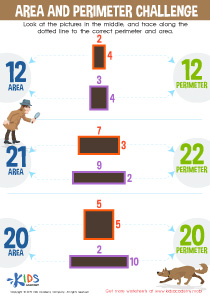
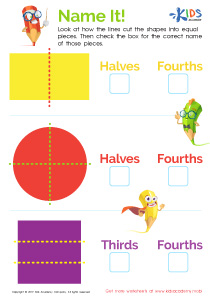
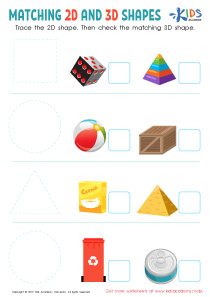
Visual perception 2D Shapes Worksheets for Ages 5-6
4 filtered results
-
From - To
Enhance your child's visual perception skills with our engaging 2D Shapes Worksheets, specially designed for kids aged 5-6. These interactive worksheets encourage children to identify, compare, and manipulate basic shapes, fostering essential cognitive development. With colorful illustrations and hands-on activities, kids will build confidence in recognizing shapes and understanding spatial relationships. Each worksheet aligns with early math learning objectives, making education fun and effective. Perfect for classrooms or at-home learning, our resources provide a solid foundation for future mathematical skills. Explore a delightful and educational collection that boosts visual understanding and promotes creativity in young learners!
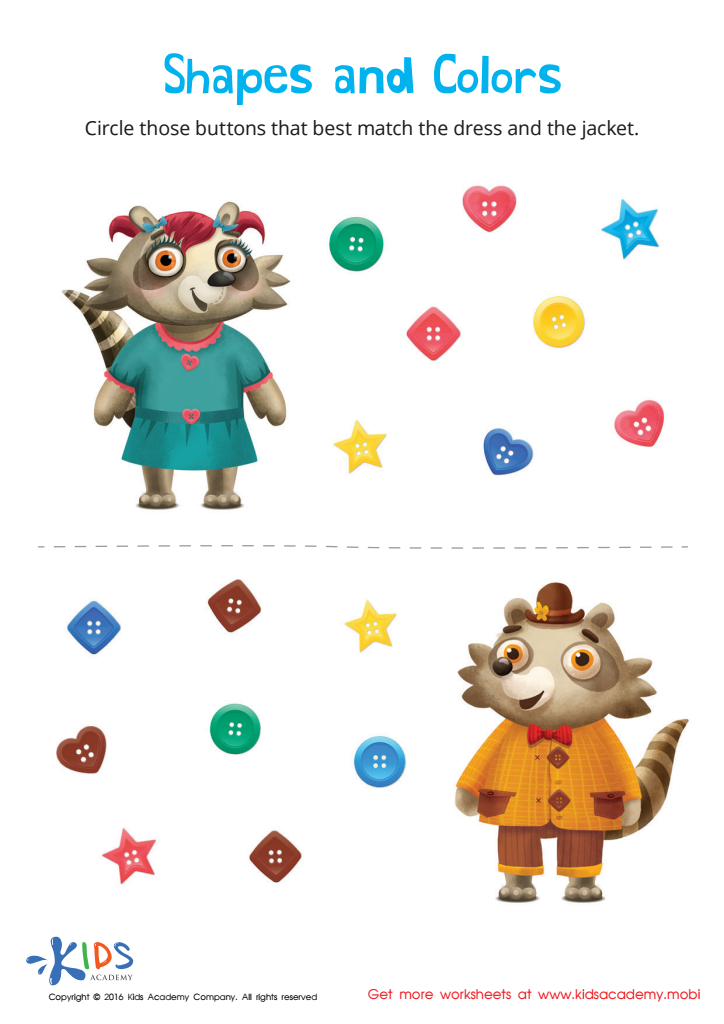
Matching: Shapes and Colors Worksheet
 Assign to My Students











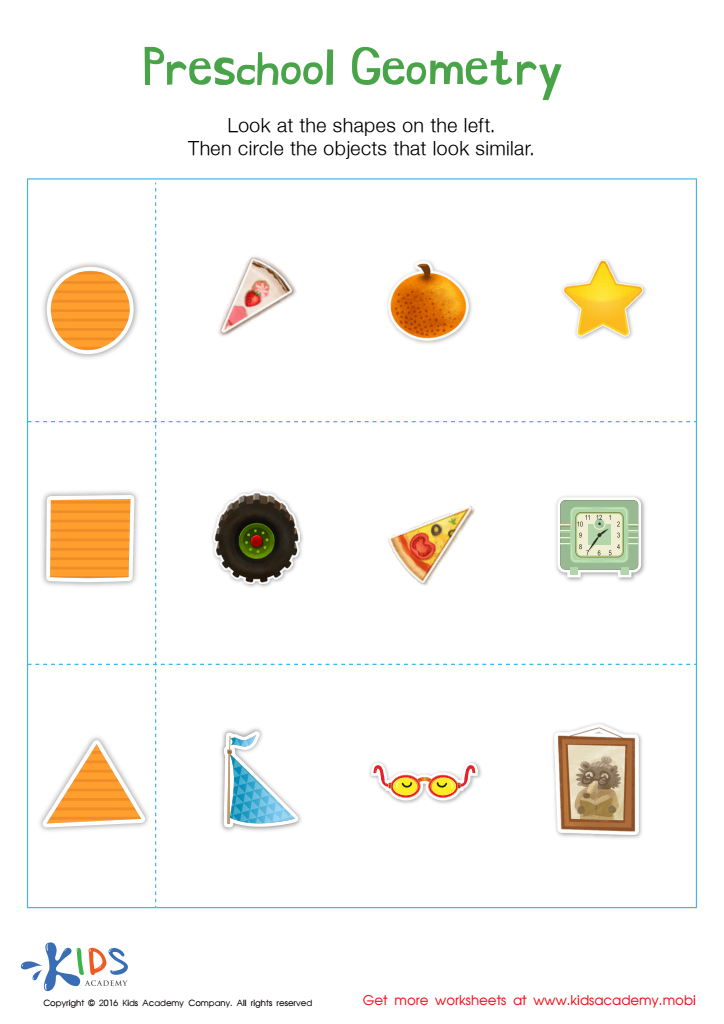
Preschool Geometry Match Up Worksheet
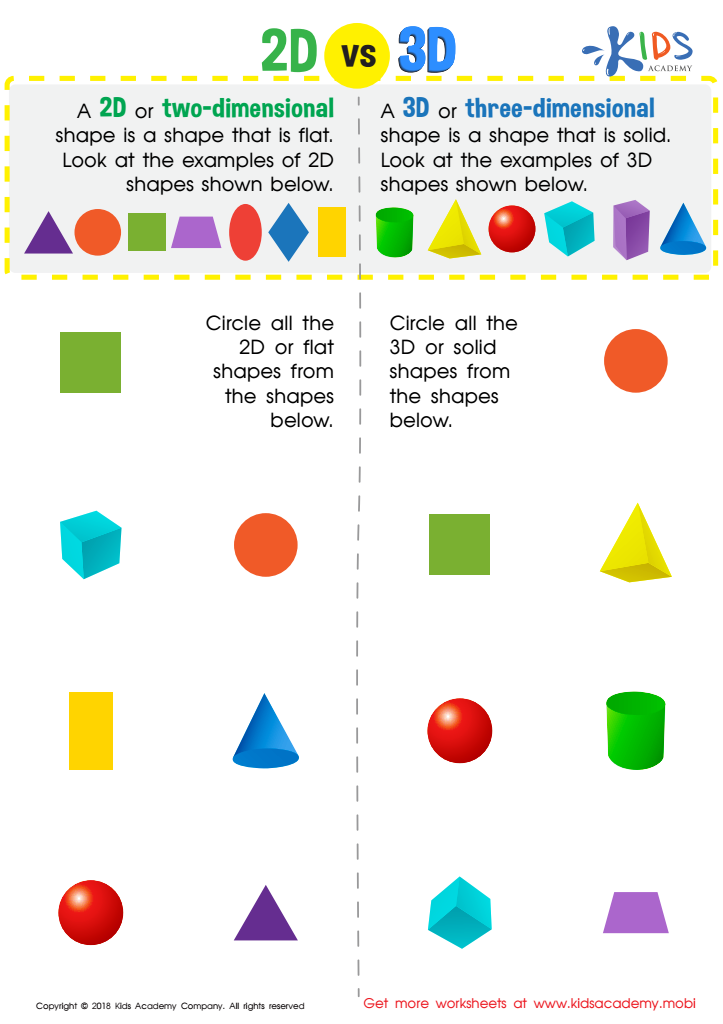
2D vs 3D Shapes Worksheet
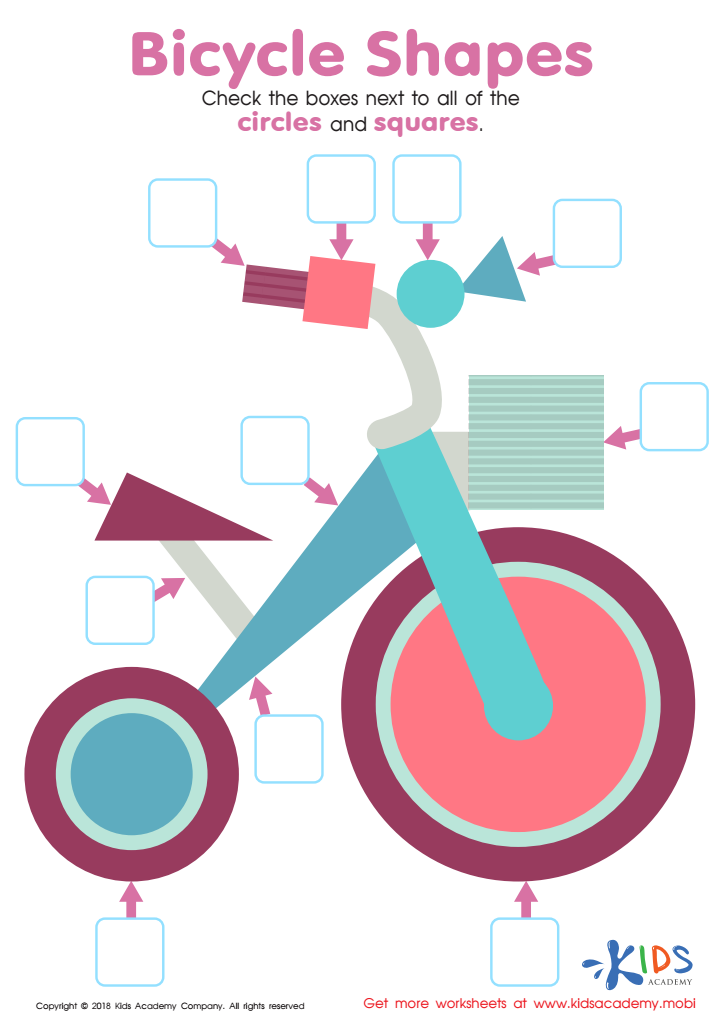
Bicycle Shapes Worksheet








Visual perception of 2D shapes is fundamental for young children aged 5-6 as it establishes a foundation for a variety of critical skills. Understanding shapes is not just about recognition; it enhances cognitive development and reinforces spatial awareness. This early exposure helps children make connections between the objects in their environment and the geometric concepts they will encounter in more advanced mathematics.
Parents and teachers should care about this developmental aspect because solid shape recognition supports problem-solving abilities and critical thinking skills. When children discern differences, similarities, and relationships in shapes, they cultivate analytical skills crucial for subjects like math, science, and even art. For instance, recognizing shapes can lead to understanding patterns, classifications, and even basic measurement concepts.
Moreover, visual perception related to 2D shapes can boost fine motor skills and hand-eye coordination through engaging activities like drawing, cutting, and building with blocks. Encouraging exploration and manipulation of shapes creates a hands-on learning environment that fosters curiosity and creativity.
Finally, in an increasingly visual world, equipping children with strong visual perception skills ensures they are better prepared for school readiness and lifelong learning, ultimately contributing to their academic success and confidence in tackling new challenges.