Problem-Solving Skills Addition and Subtraction Word Problems Worksheets for Ages 5-6 - Page 2
33 filtered results
-
From - To
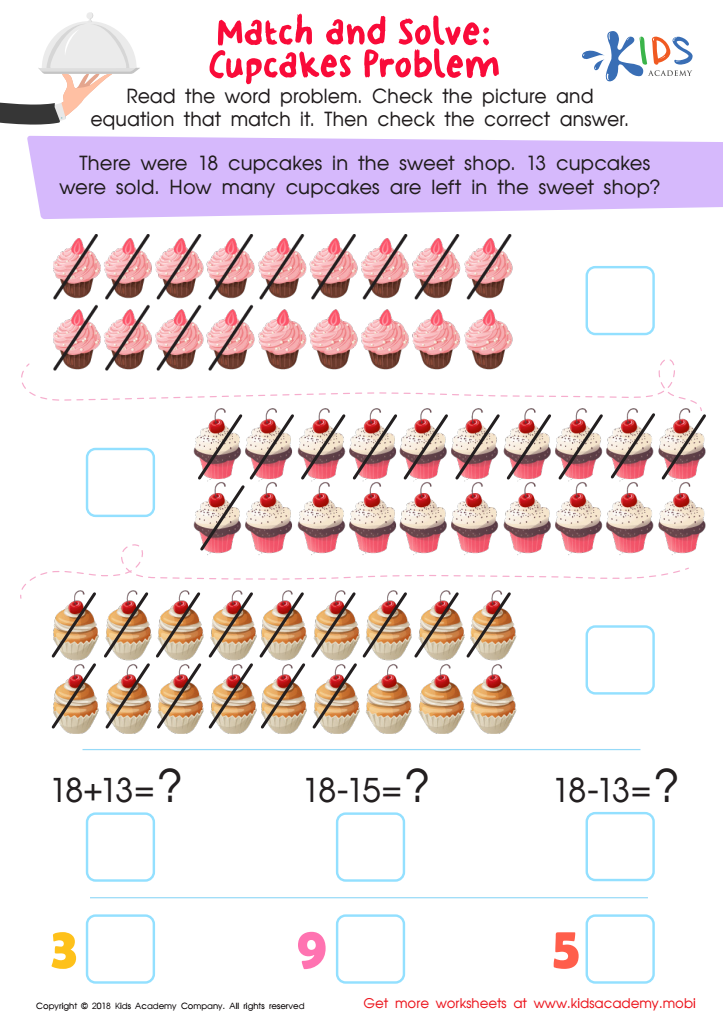
Match and Solve: Cupcakes Problem Worksheet
 Assign to My Students
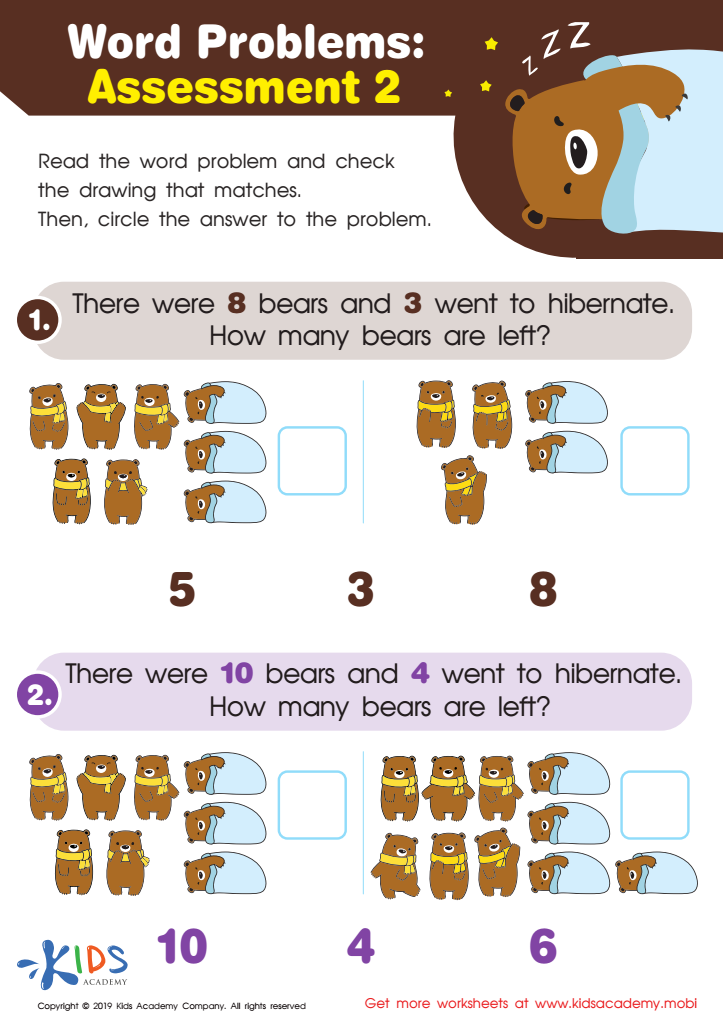
Word Problems: Assessment 2 Worksheet
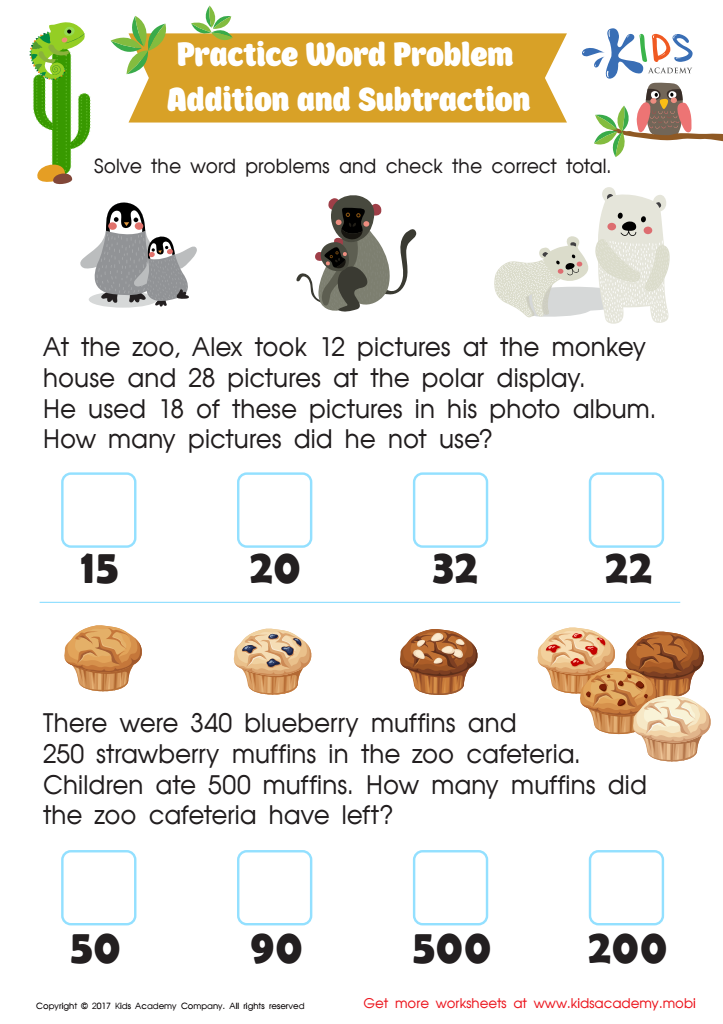
Addition and Subtraction: Word Problems Worksheet
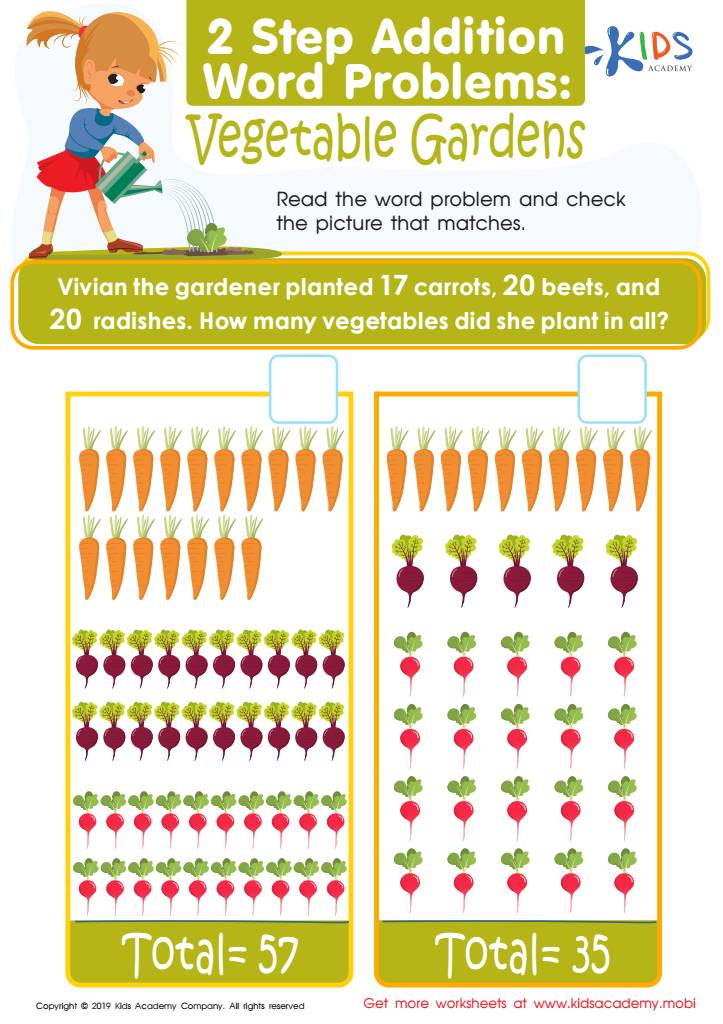
Vegetable Gardens Worksheet
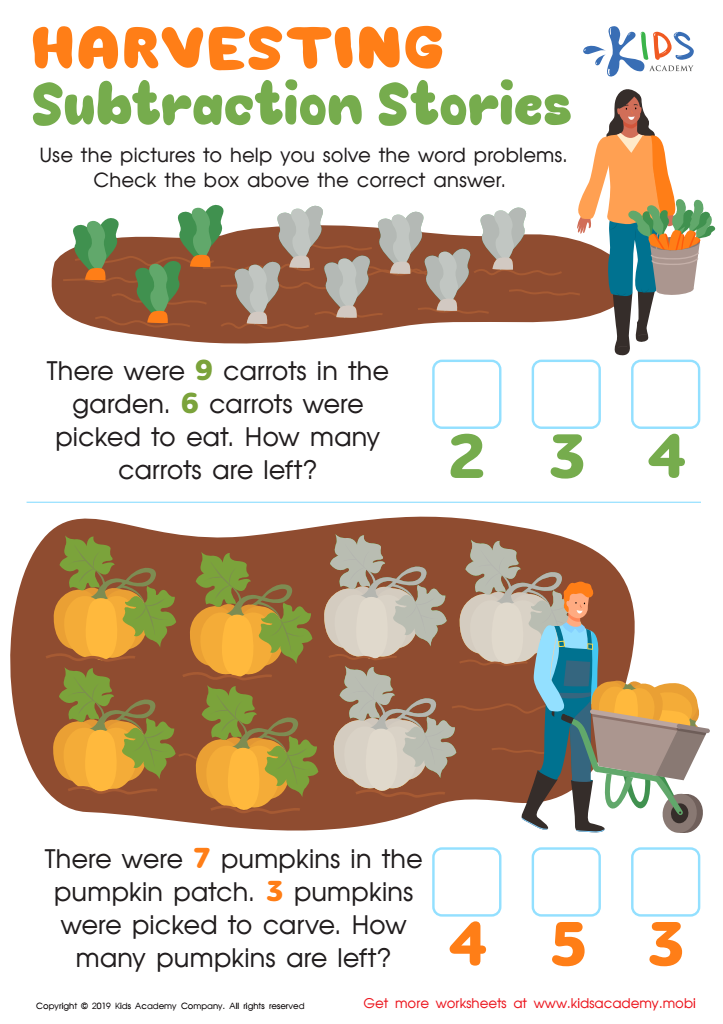
Harvesting Subtraction Stories Worksheet
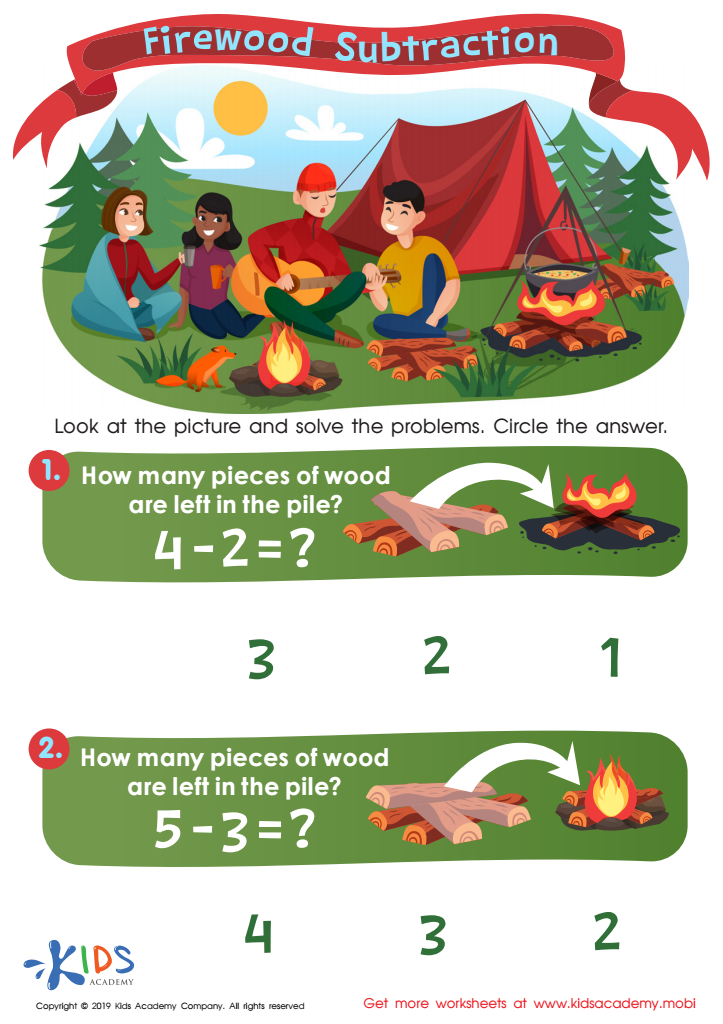
Firewood Subtraction Worksheet
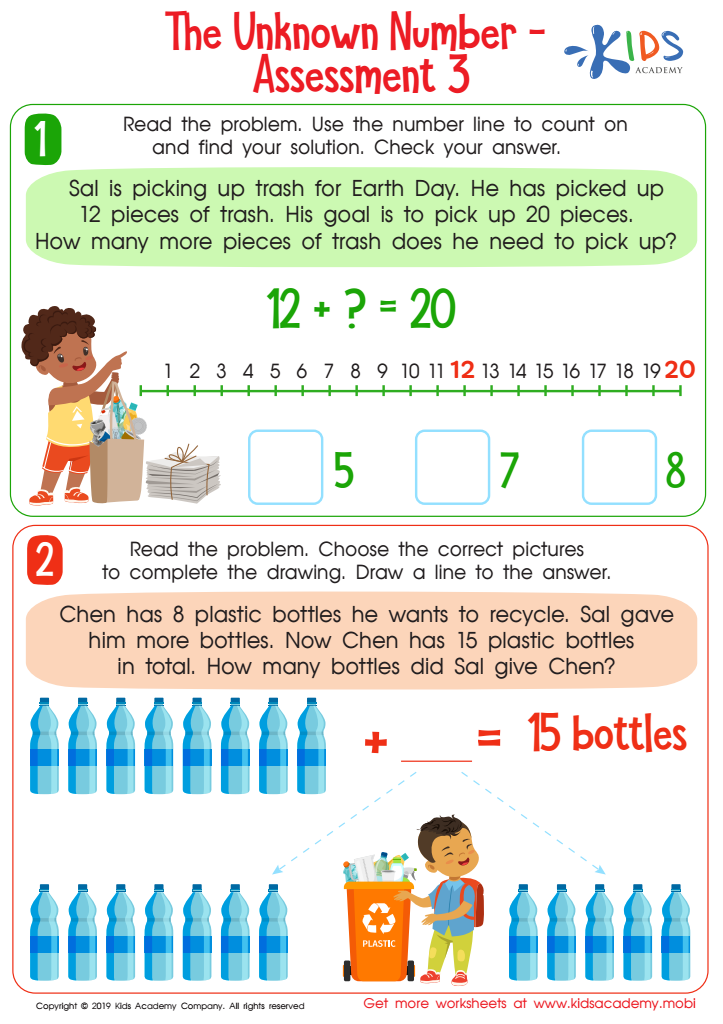
The Unknown Number - Assessment 3 Worksheet
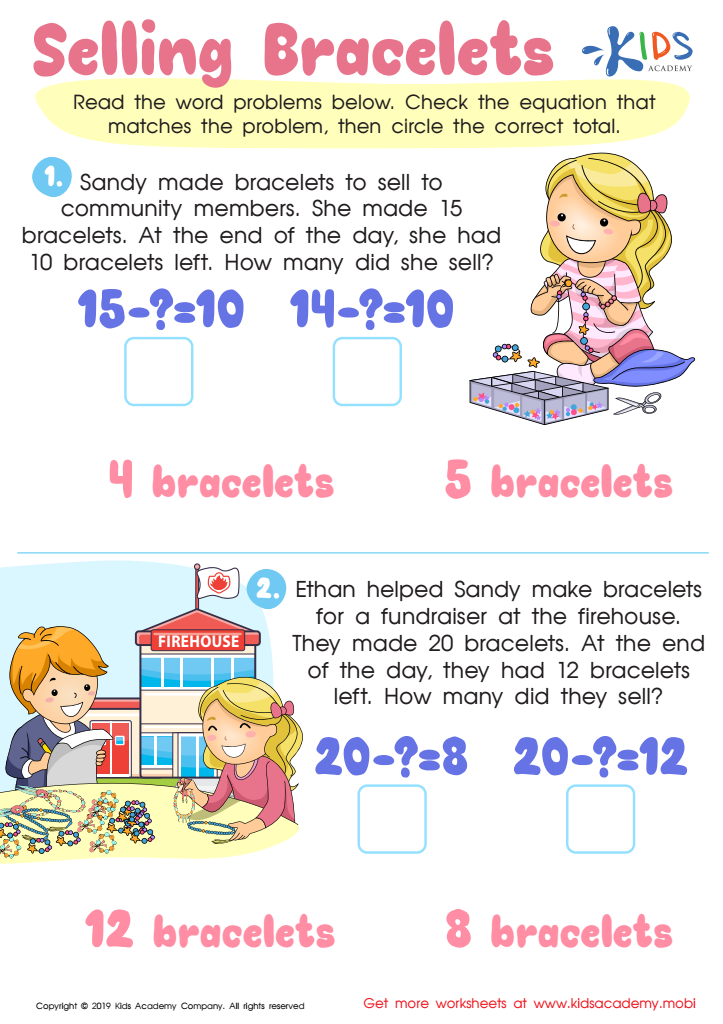
Selling the Bracelets Worksheet
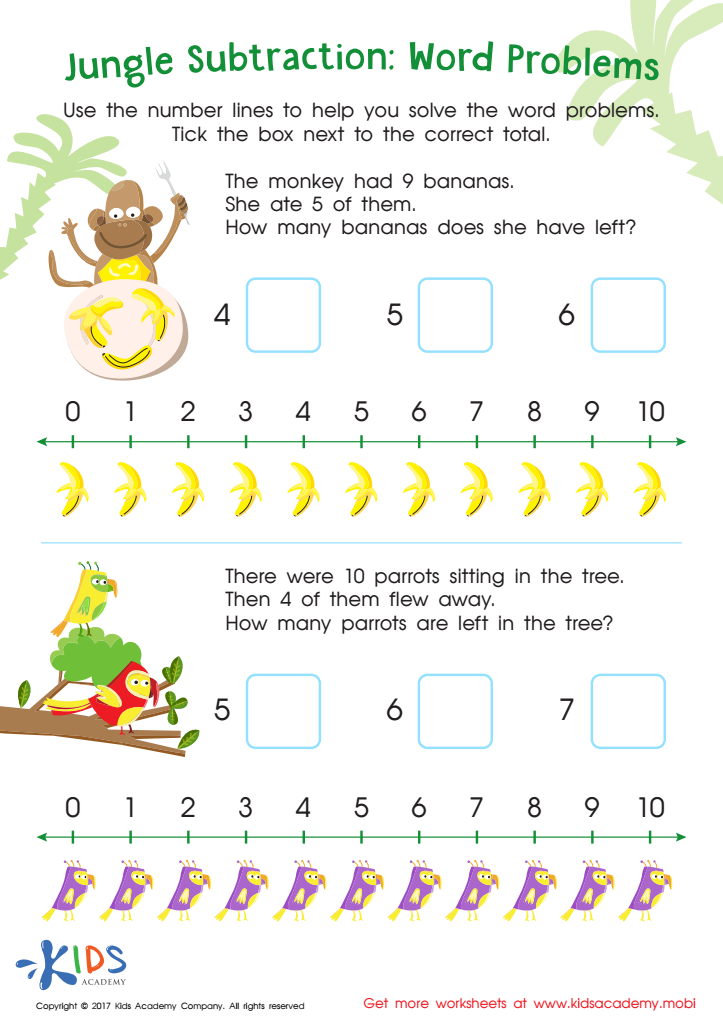
Jungle Subtraction Word Problems Substraction Worksheet








Parents and teachers should prioritize problem-solving skills in addition and subtraction word problems for children aged 5-6 for several compelling reasons. First, these activities lay a foundational understanding of mathematical concepts, serving as a crucial building block for advanced math skills. When children engage in word problems, they learn to apply abstract numbers to real-world scenarios, enhancing their overall mathematical literacy and cognitive abilities.
Secondly, problem-solving aids in the development of critical thinking and reasoning skills. By deciphering the language in word problems, children practice the ability to process information, make logical connections, and determine appropriate strategies for arriving at a solution. This extends beyond math, teaching children to navigate and solve real-life problems with confidence.
Moreover, tackling addition and subtraction within word problems encourages perseverance and resilience. As children encounter and resolve challenges, they build confidence in their abilities, fostering a positive attitude toward learning and problem-solving. This mindset can significantly impact their academic and personal growth, creating a foundation for lifelong learning.
Lastly, early proficiency in basic arithmetic through engaging problems nurtures collaborative and communicative skills. Children often work together to discuss strategies and solutions, leading to better social interactions and teamwork. This dual focus on individual skill-building and cooperative learning creates a rounded, adaptable young learner prepared for future educational endeavors.