Counting practice Numbers Worksheets for Ages 5-6 - Page 2
36 filtered results
-
From - To
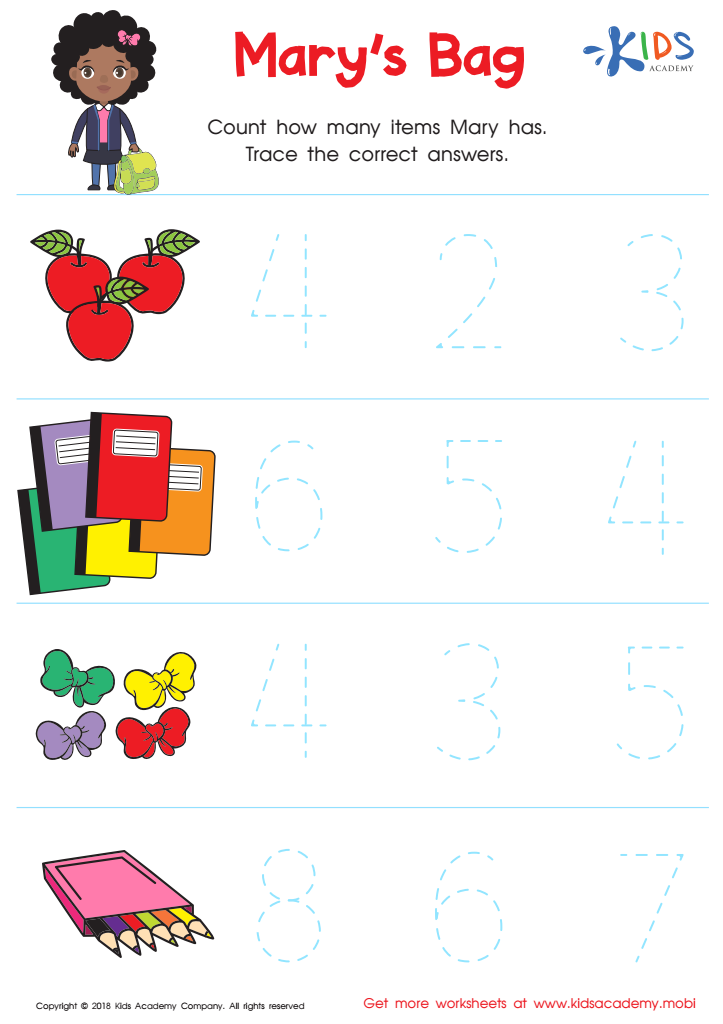
Kindergarten Number Tracing: Mary's Bag Worksheet
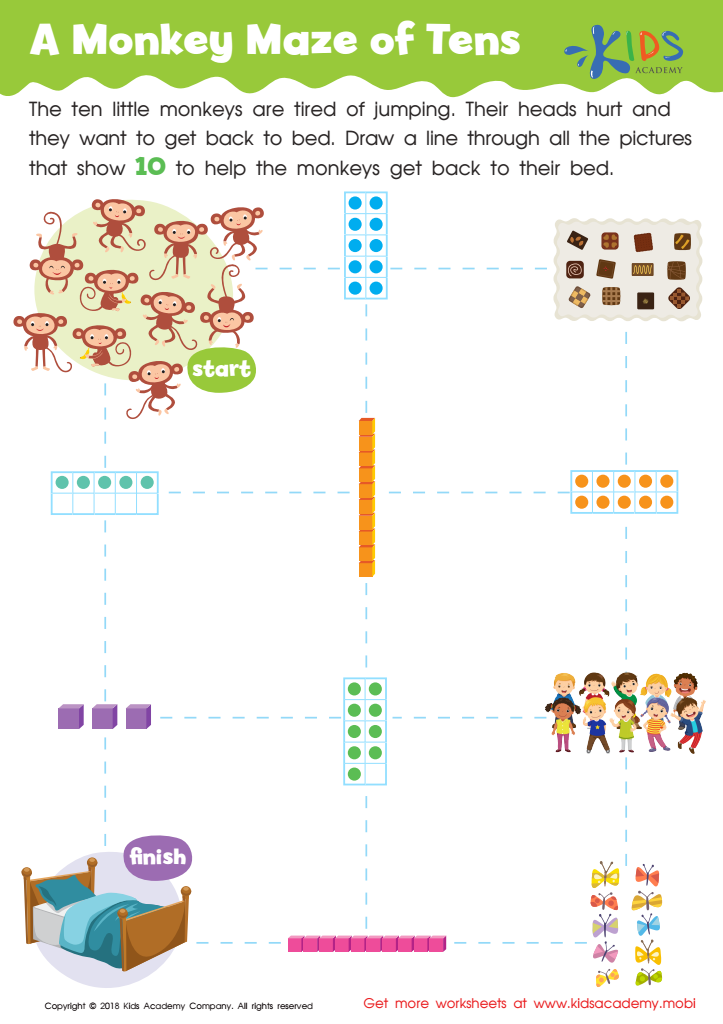
A Monkey Maze of Tens Worksheet
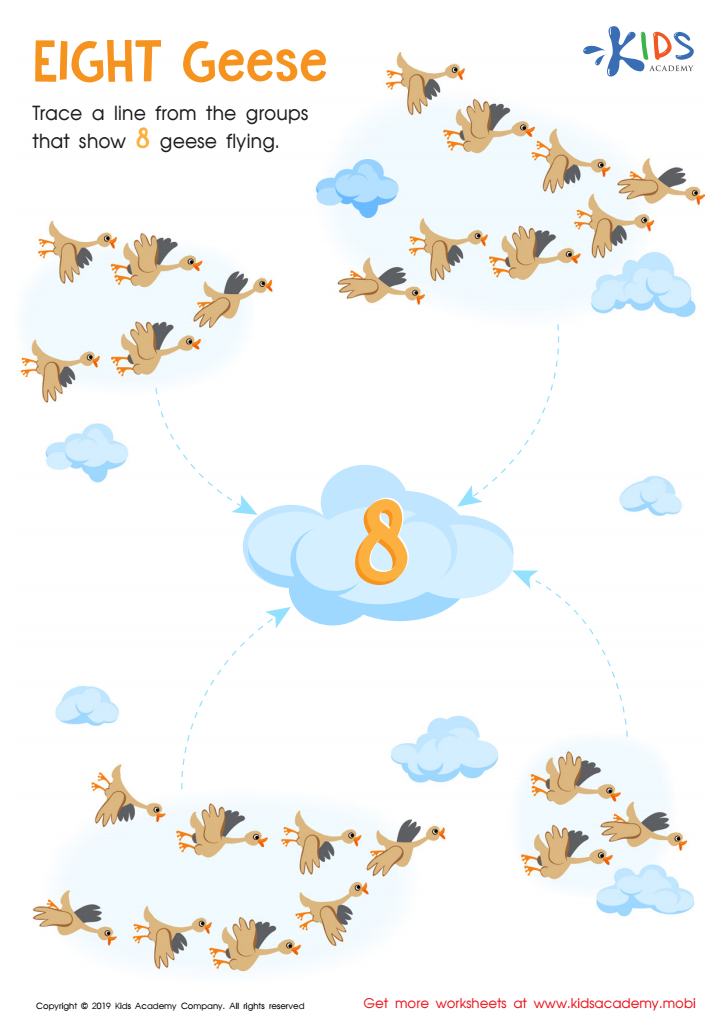
Eight Geese Worksheet
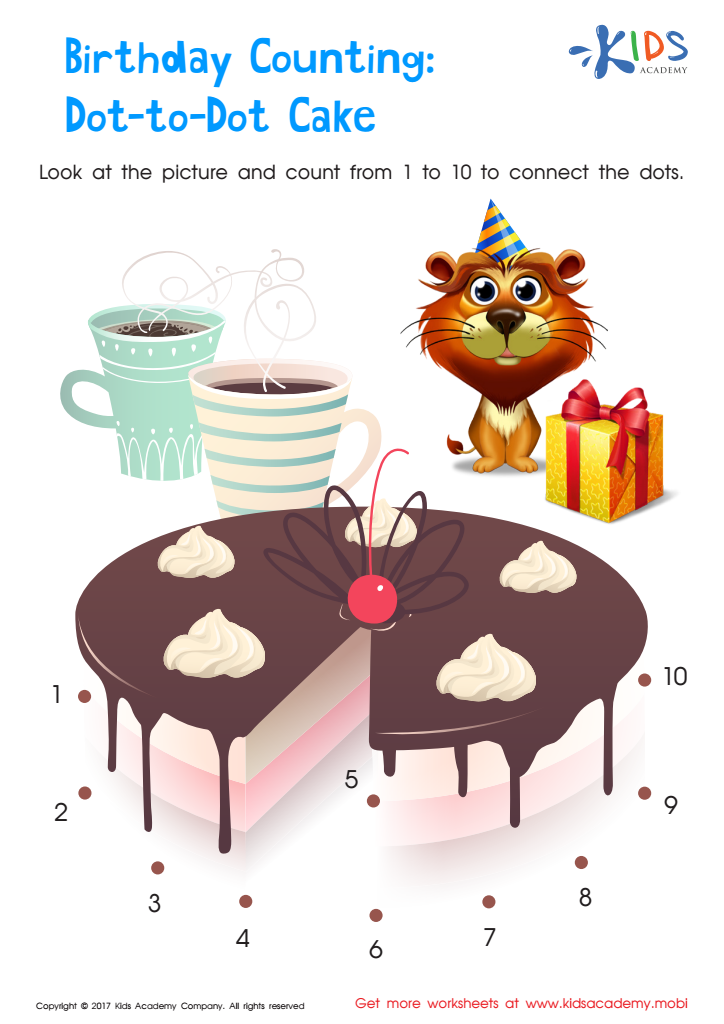
Birthday Counting Connect Dots Worksheet
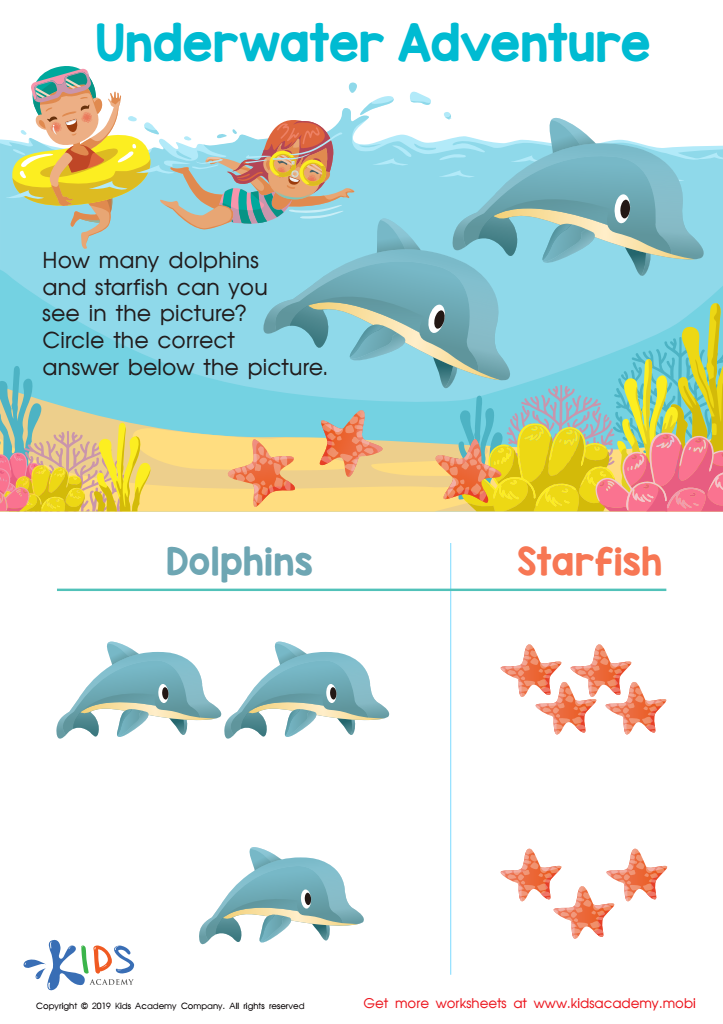
Underwater Adventure Worksheet
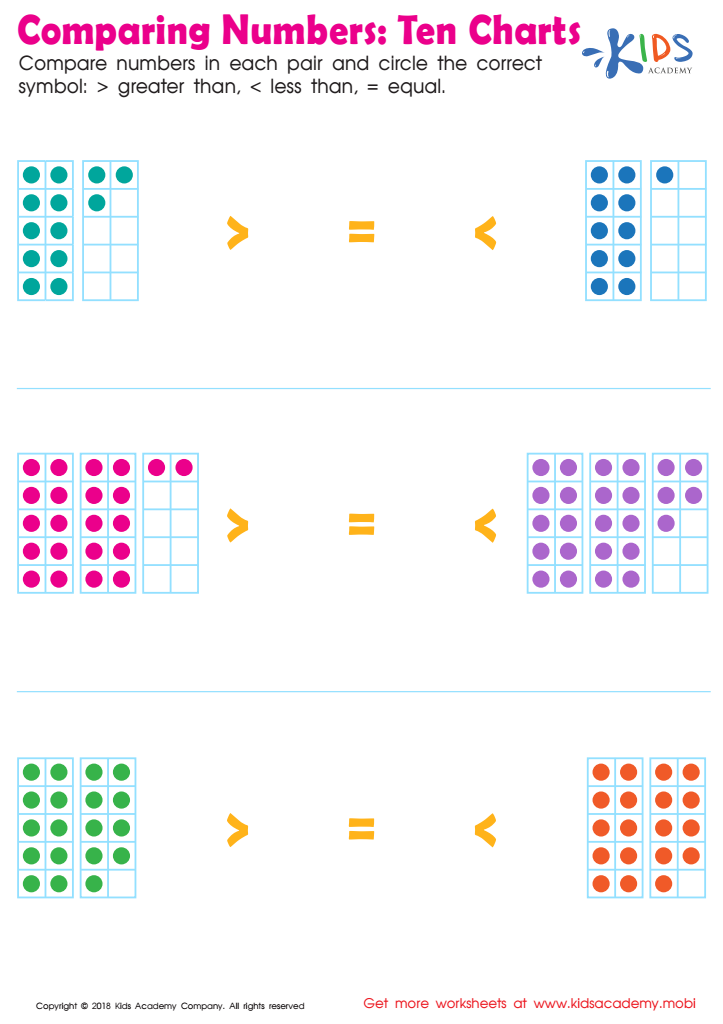
Ten Charts Worksheet
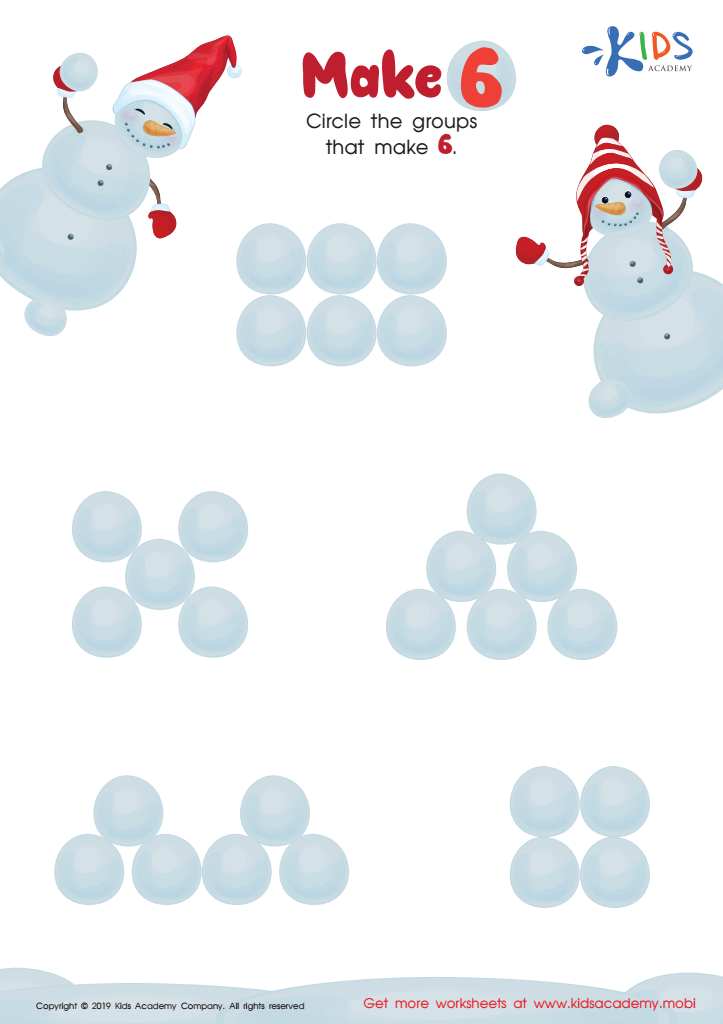
Make 6 Worksheet
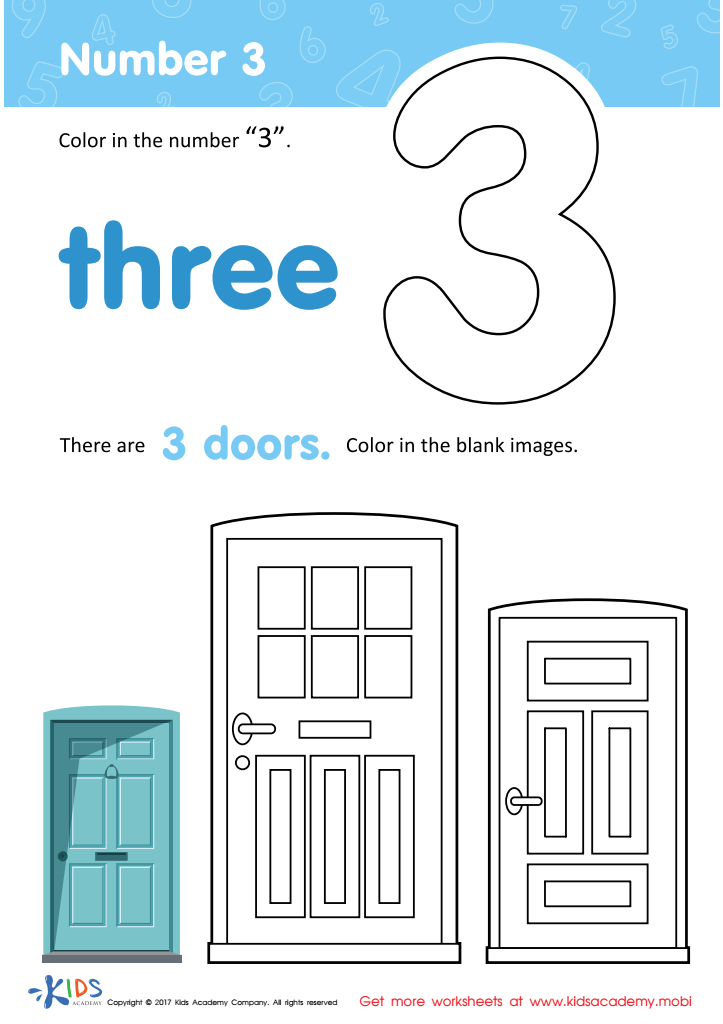
Number 3 Worksheet
 Assign to My Students
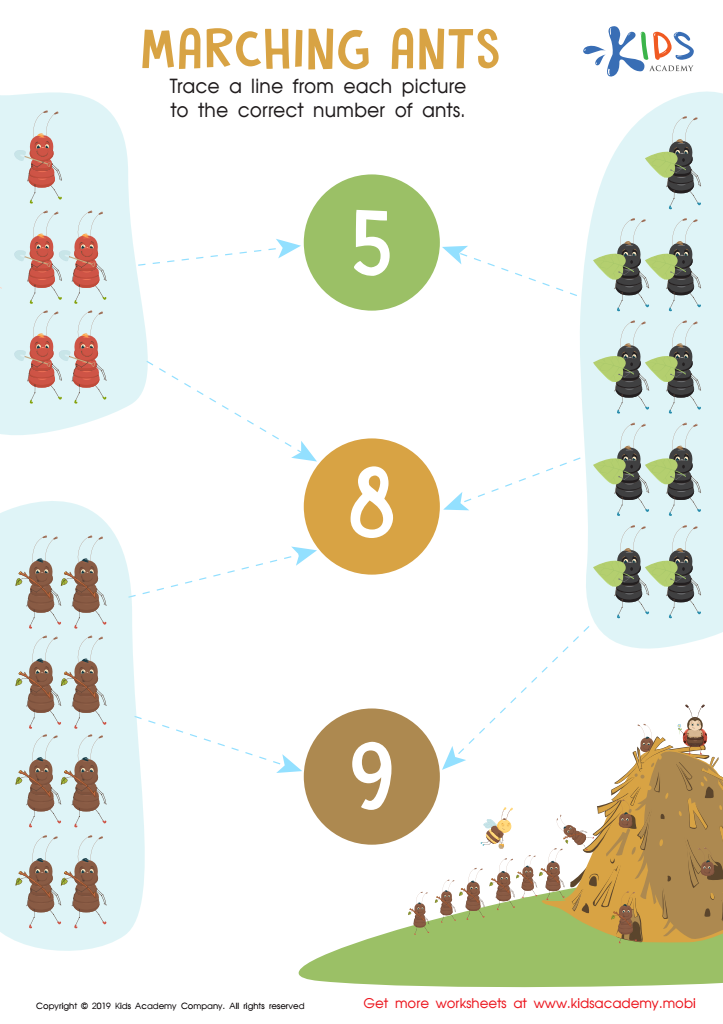
Marching Ants Worksheet
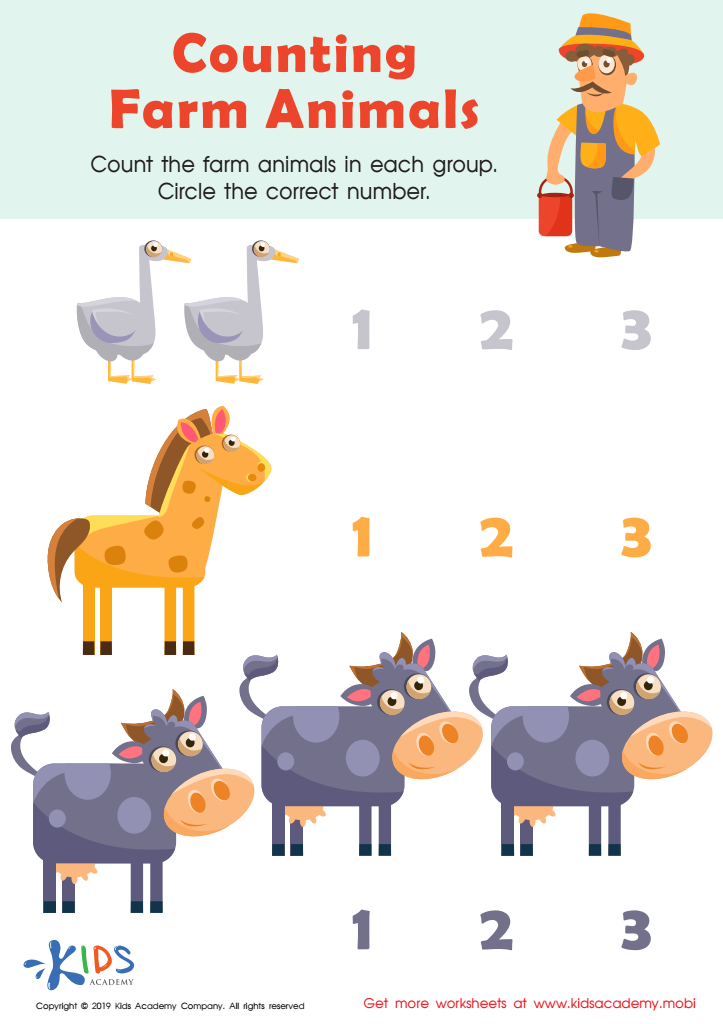
Counting Farm Animals Worksheet
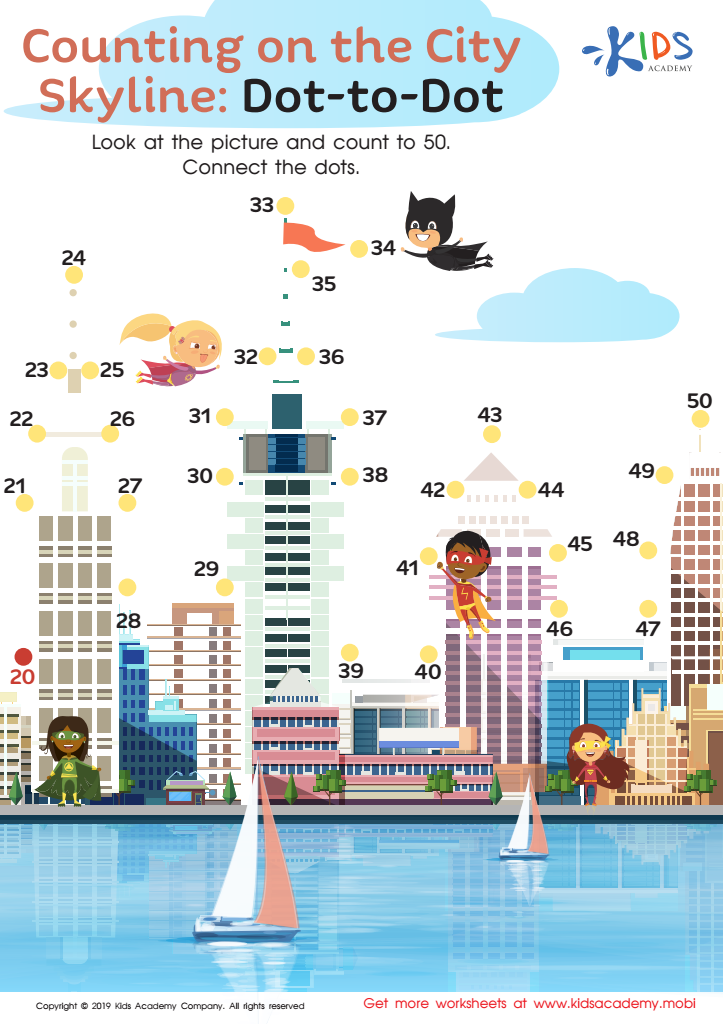
Counting on the City Skyline: Dot-to-Dot Worksheet
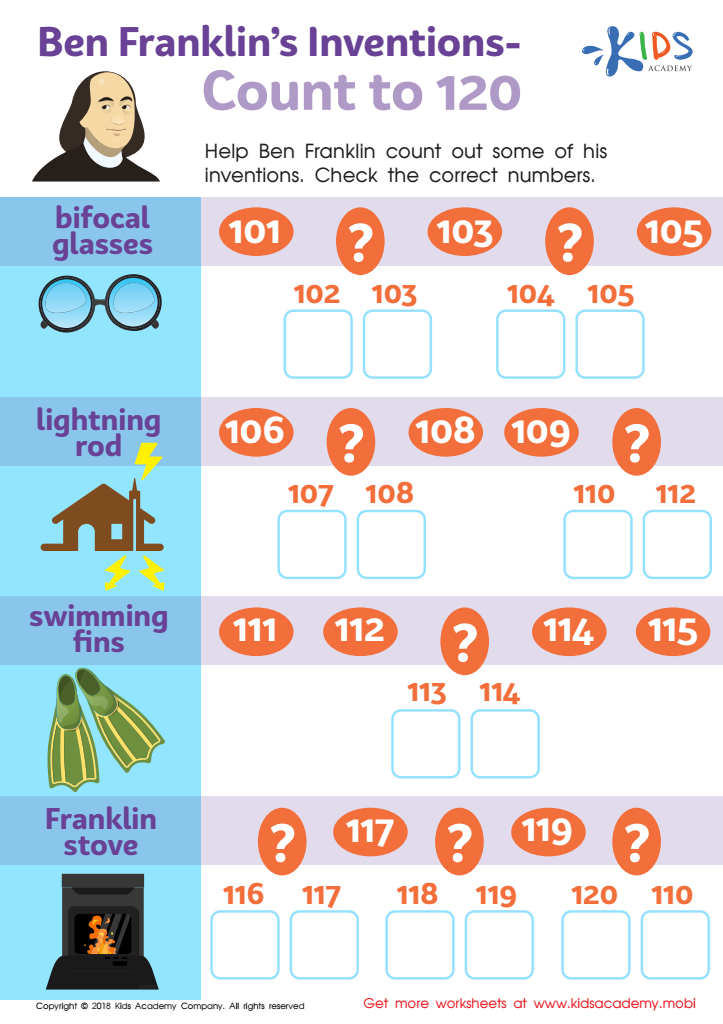
Ben Franklin’s Inventions – Count to 120 Worksheet







Counting practice is essential for children aged 5-6 as it lays the foundation for their mathematical understanding and cognitive development. At this age, children are beginning to make sense of numbers, and engaging in counting activities can significantly enhance their numeracy skills. By practicing counting, children learn to recognize numerical values, develop one-to-one correspondence, and understand concepts like more than or less than.
Moreover, counting is a fundamental skill that transcends mathematics and is crucial in everyday life. It helps in concept formation; understanding patterns, and problem-solving—all of which are skills required across various subjects. Additionally, interactive counting activities can nurture a child's curiosity and promote engagement, making learning enjoyable.
For parents and teachers, facilitating counting practice means fostering a supportive learning environment that encourages exploration and learning through play. It also provides insights into a child’s progress and areas where additional support may be needed. Overall, counting practice is not merely about numbers; it cultivates critical thinking and logic that will benefit children throughout their education. By prioritizing counting practice, parents and teachers play a vital role in shaping confident and capable learners.








