Understanding patterns Numbers Worksheets for Ages 5-6
6 filtered results
-
From - To
Unlock your child's potential with our "Understanding Patterns Numbers Worksheets" designed for children aged 5-6! These engaging worksheets help young learners recognize, create, and extend numeric patterns, laying a strong foundation for advanced math skills. Through colorful visuals and interactive exercises, kids will explore various patterns using numbers, enhancing their critical thinking and problem-solving abilities. Perfect for home or school use, these resources encourage learning through play, making math enjoyable and effective. Let your child embark on a fun journey of discovery as they master essential pattern recognition skills while building confidence in their numerical abilities. Get started today!
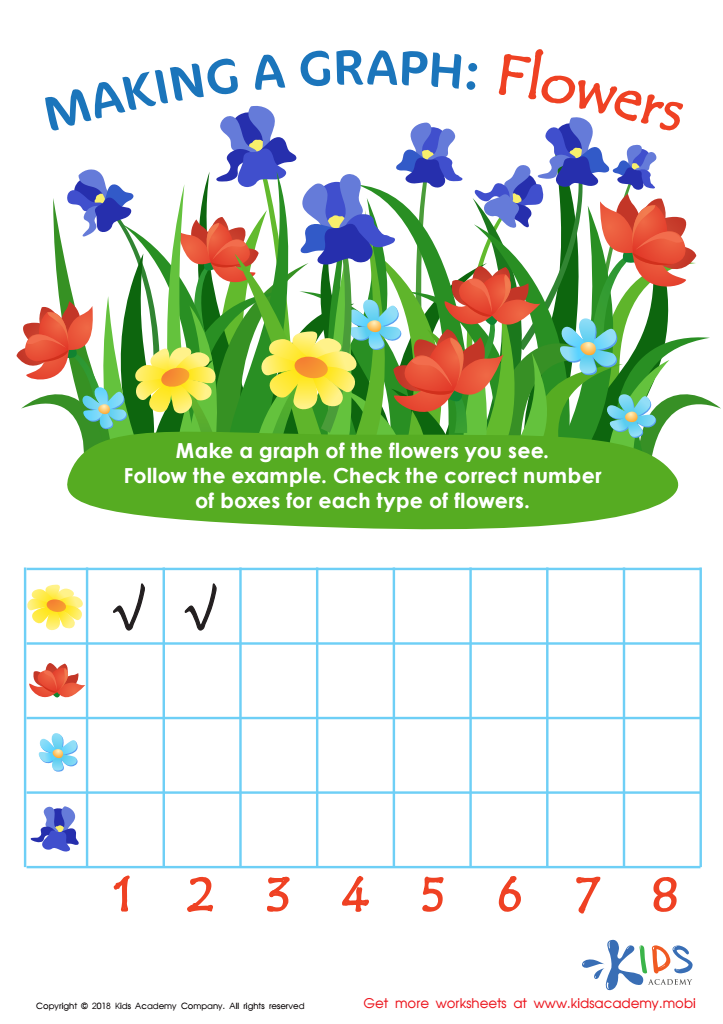
Making a Graph: Flowers Worksheet
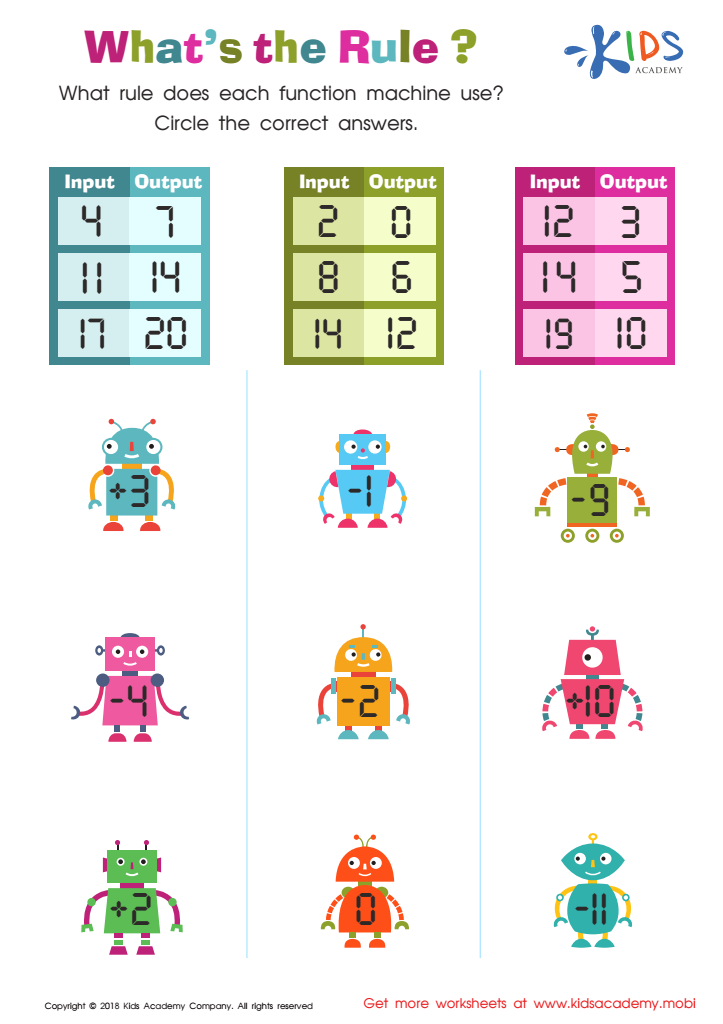
What's the Rule Worksheet
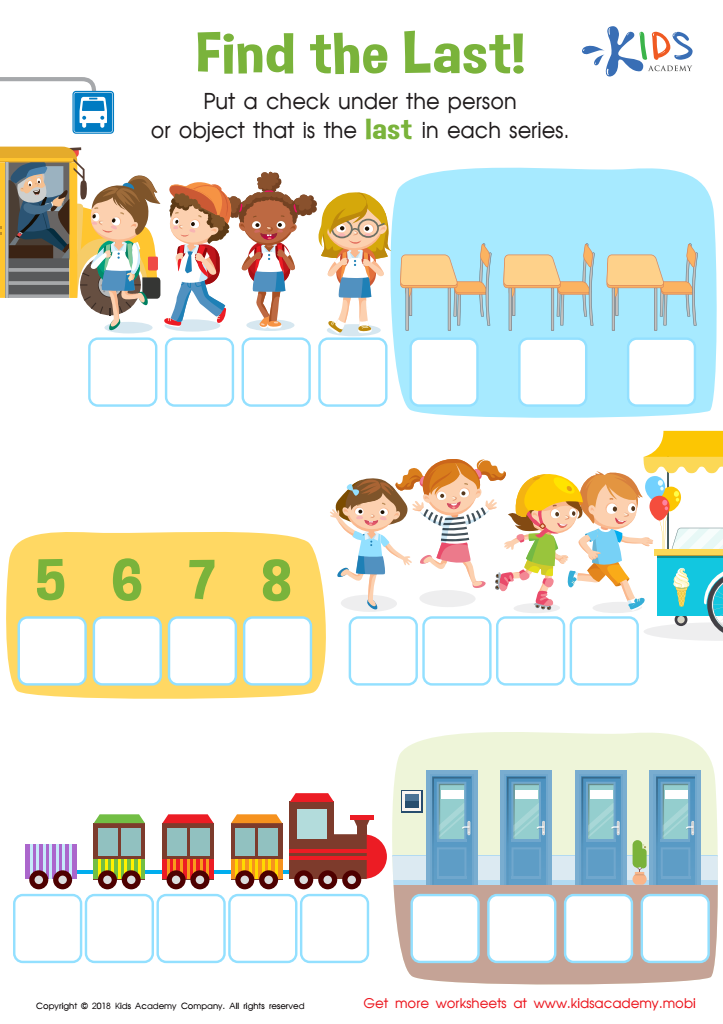
Find the Last! Worksheet
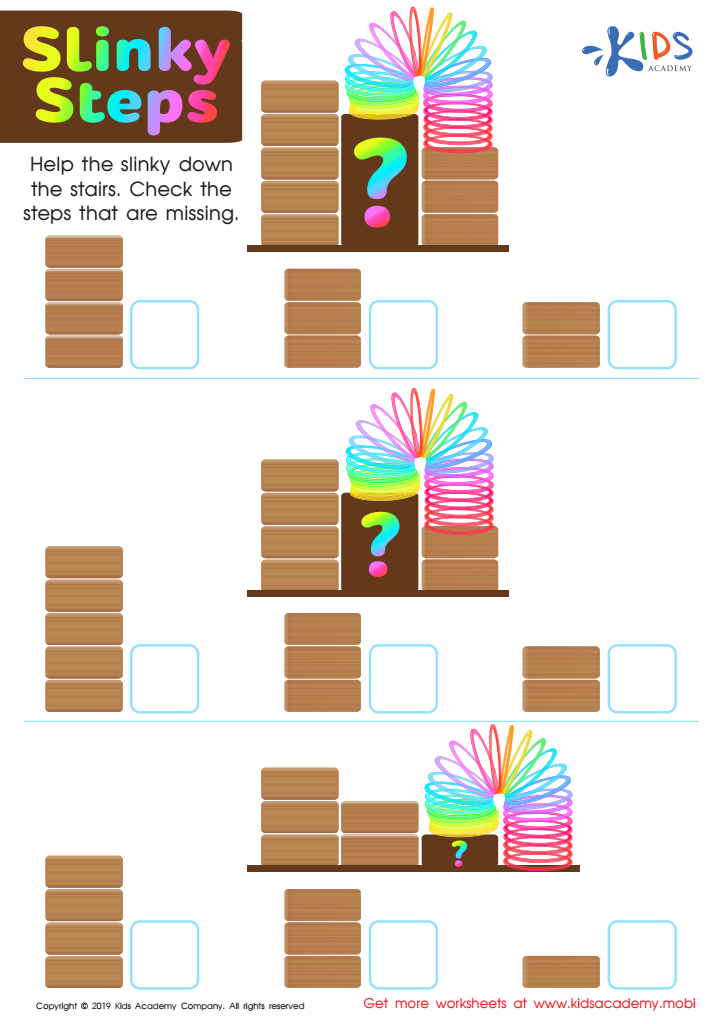
Slinky Steps Worksheet
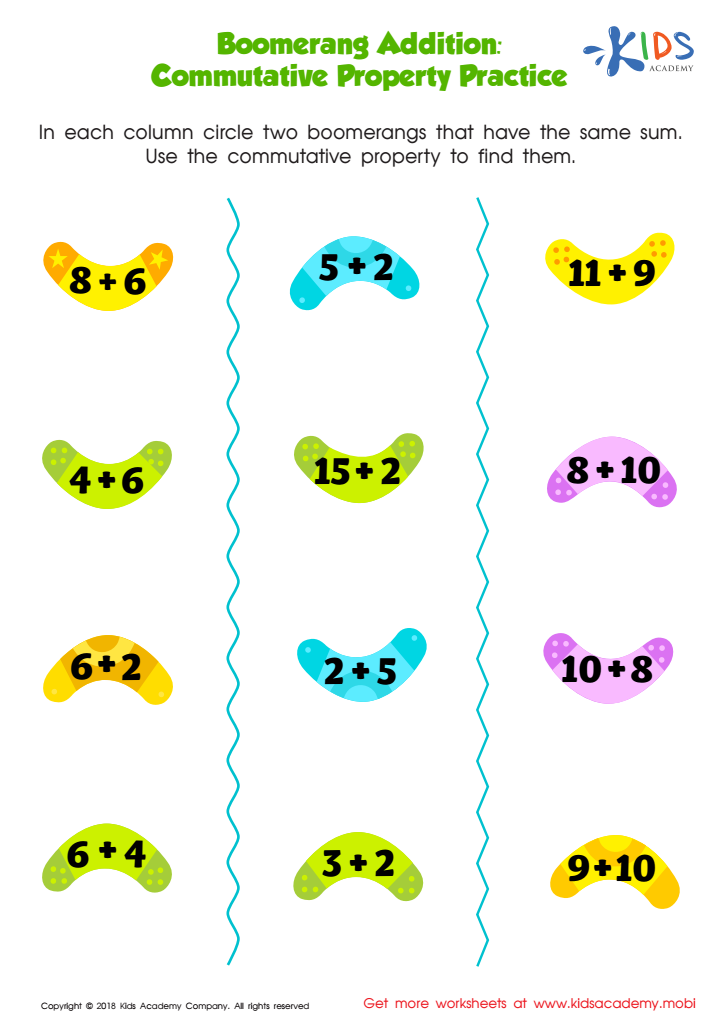
Boomerang Addition Worksheet
Magic Numbers Worksheet
 Assign to My Students








Understanding patterns and numbers is foundational for young learners, especially those aged 5 to 6. At this age, children are naturally curious and eager to explore their world, making it an ideal time to introduce mathematical concepts. Engaging with patterns helps develop critical thinking and problem-solving skills, fostering cognitive development essential for later math comprehension.
Recognizing patterns enhances children's ability to make predictions and identify relationships in various contexts, which is a crucial skill in problem-solving. For example, while noticing a sequence of colored blocks, a child starts to use logical reasoning, paving the way for more complex mathematical concepts such as addition, subtraction, and even algebra.
Additionally, early exposure to numbers and patterns supports literacy skills, as children learn to connect numerals with quantities, ultimately improving their number sense. This foundational knowledge carries over into everyday life, helping with everything from understanding time and money to organizing information.
Moreover, by encouraging a love for math at this young age, parents and teachers can help lessen math anxiety and build confidence. Supporting proficiency in understanding patterns and numbers lays the groundwork for a successful educational journey, impacting future academic performance and overall lifelong learning.








