Understanding quantity Numbers Worksheets for Ages 5-6
4 filtered results
-
From - To
Discover our engaging worksheets designed to help children aged 5-6 master the concept of quantity and number recognition! Our "Understanding Quantity" worksheets provide captivating activities that combine learning with play, ensuring that young learners develop a solid foundation in math. These interactive resources feature colorful visuals and fun exercises that encourage kids to count objects, compare quantities, and connect numerals with their corresponding amounts. Tailored to suit early learners, our worksheets promote cognitive development while building confidence in mathematical abilities. Jumpstart your child’s numeric journey and watch them thrive with our thoughtful, age-appropriate materials! Perfect for home or classroom use!
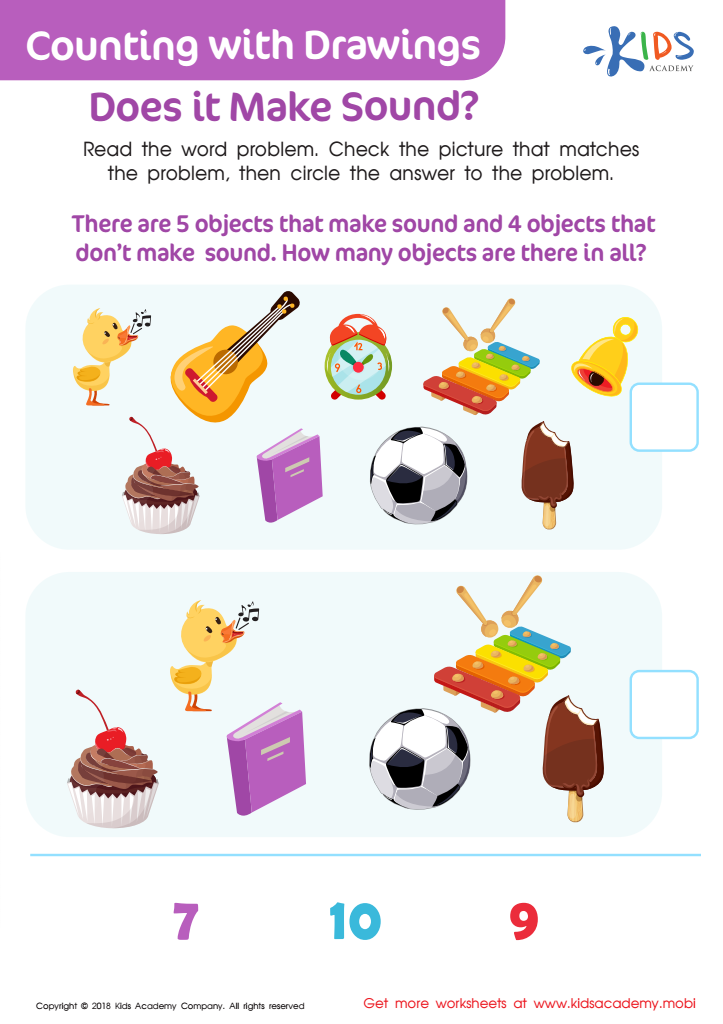
Counting With Drawings. Does It Make Sound? Worksheet
 Assign to My Students
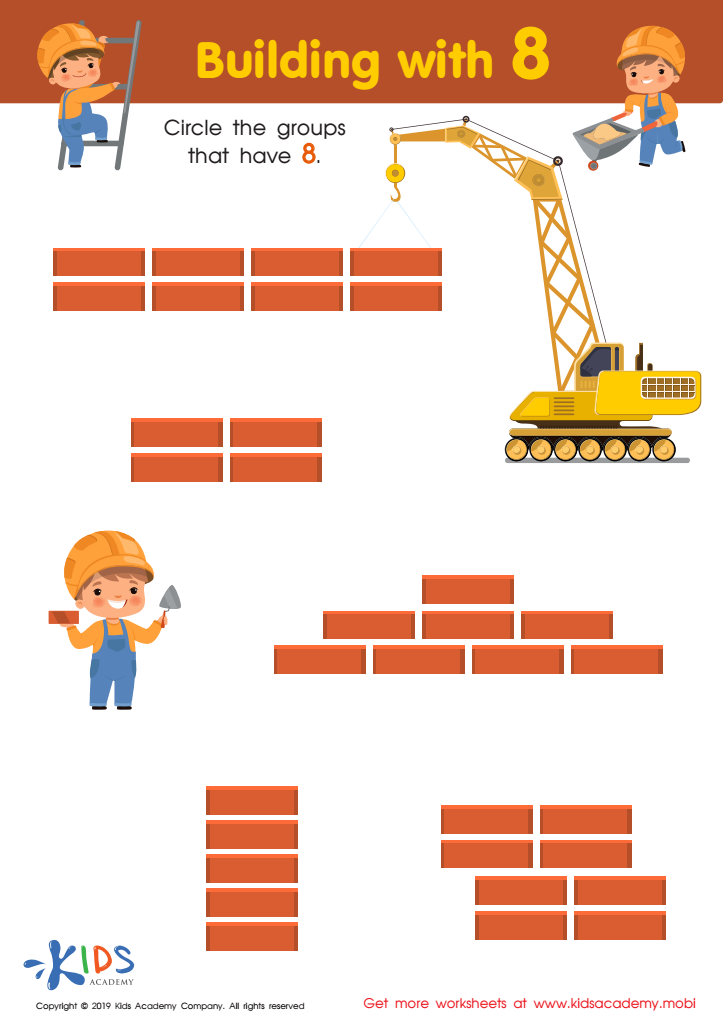
Building with 8 Worksheet
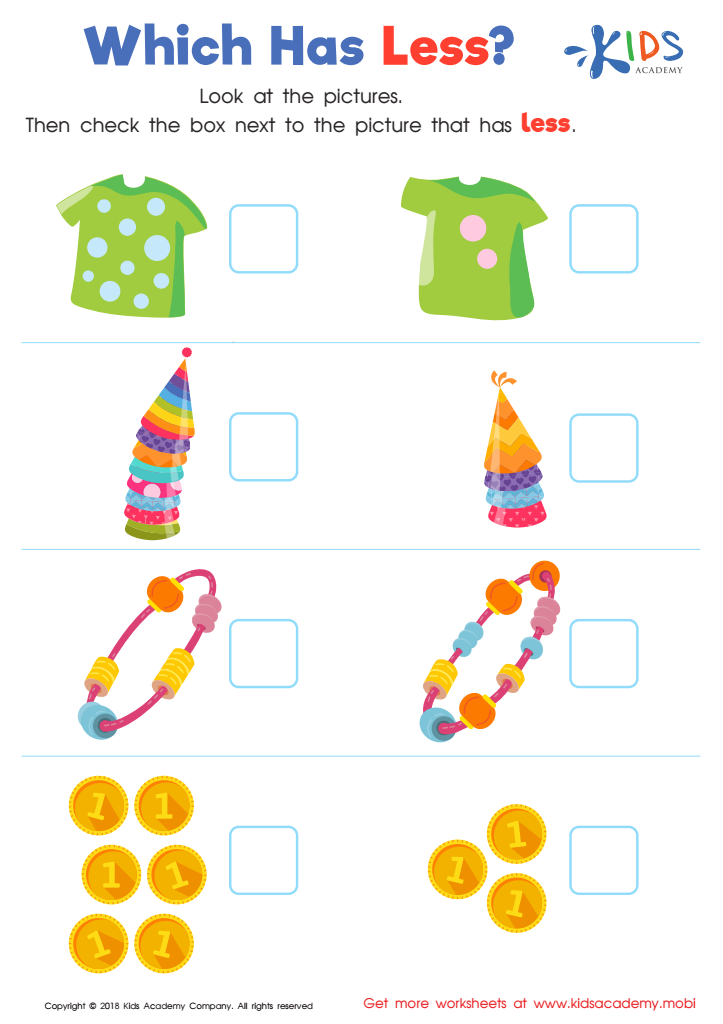
Which Has Less? Worksheet
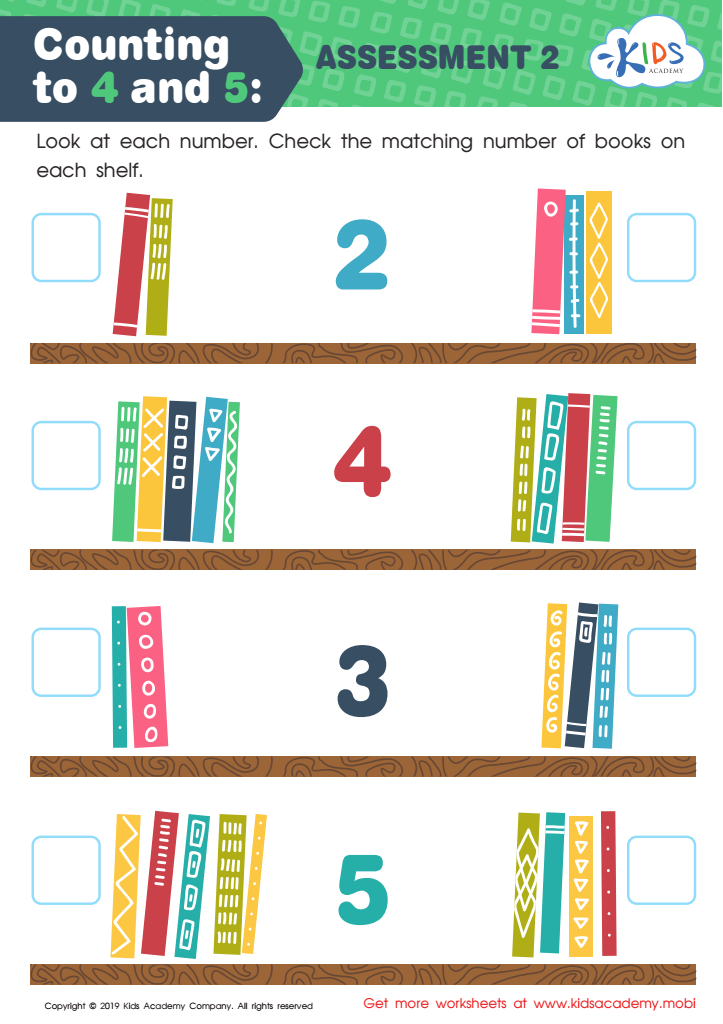
Counting to 4 and 5: Assessment 2 Worksheet


%20(1).jpg)





Understanding quantity and number concepts is foundational for children ages 5-6, making it crucial for both parents and teachers to prioritize this learning. At this developmental stage, children begin to grasp the basic principles of counting, comparing quantities, recognizing numbers, and understanding numerical relationships. This early comprehension lays the groundwork for all future math skills.
Firstly, a strong grasp of quantity helps children develop problem-solving abilities, as they learn to manipulate numbers to find solutions. It enhances their critical thinking and sets a positive attitude towards math as a subject.
Additionally, familiarity with quantity nurtures everyday skills. Whether it’s counting money, measuring ingredients for a recipe, or organizing toys, numerical understanding plays a vital role in day-to-day life.
Moreover, teachers and parents can foster self-confidence in children through games and hands-on activities that emphasize numerical skills. Engaging children in fun, interactive experiences related to quantity can enhance retention and encourage a love for learning.
Lastly, early mastery of quantity ensures a smoother transition into more complex mathematical concepts in later grades, making it an investment in children's future academic success. Thus, nurturing an understanding of quantity is essential for holistic development in young learners.








