Basic Counting Math Worksheets for Ages 5-6
5 filtered results
-
From - To
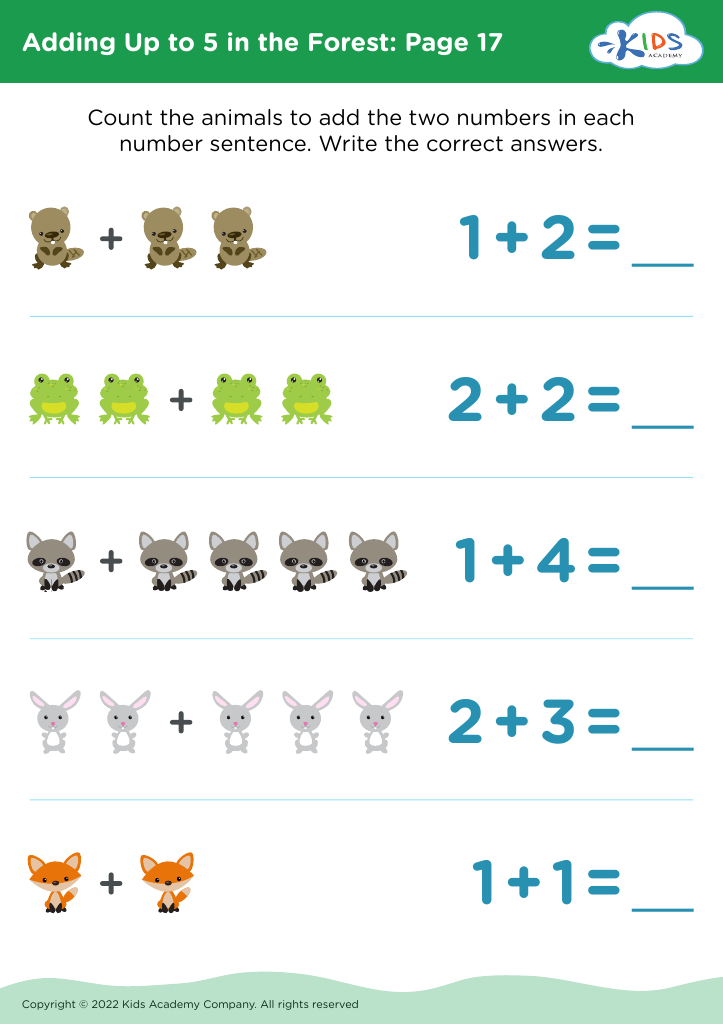
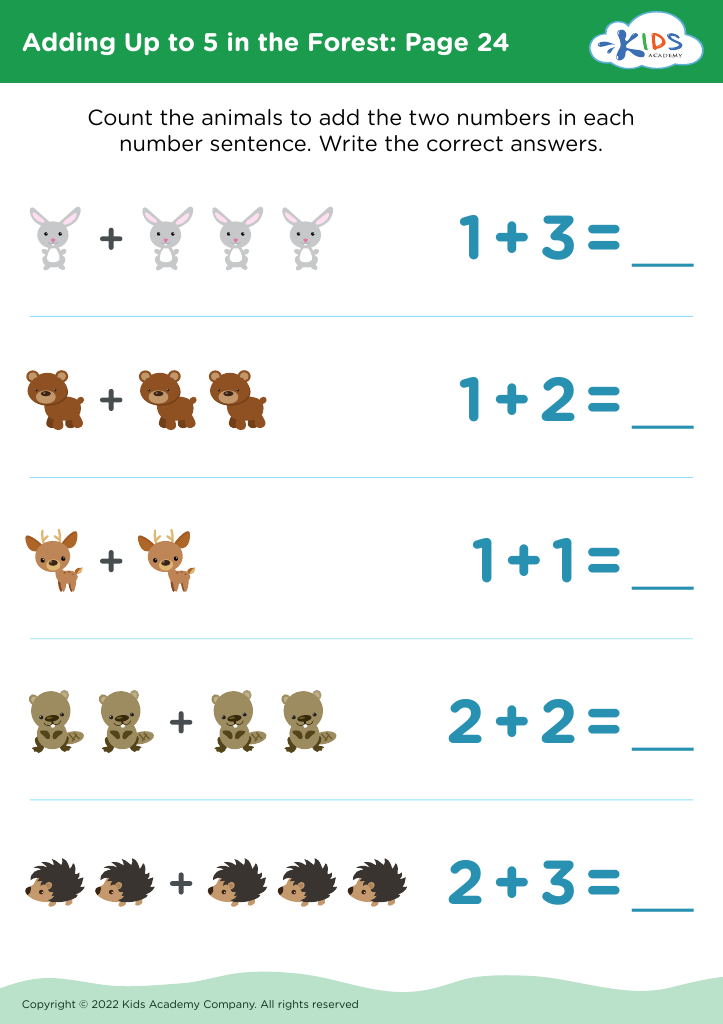
Discover our engaging Basic Counting Math Worksheets designed specifically for children aged 5-6! These worksheets provide a fun and interactive way for early learners to develop essential counting skills. With colorful illustrations and creative activities, kids will practice counting objects, identify numbers, and enhance their numerical recognition. Our thoughtfully crafted exercises aim to build confidence and a love for math, setting a solid foundation for future learning. Ideal for home or classroom use, these resources foster a positive learning environment. Download and start your child’s counting journey today for an enjoyable educational experience!
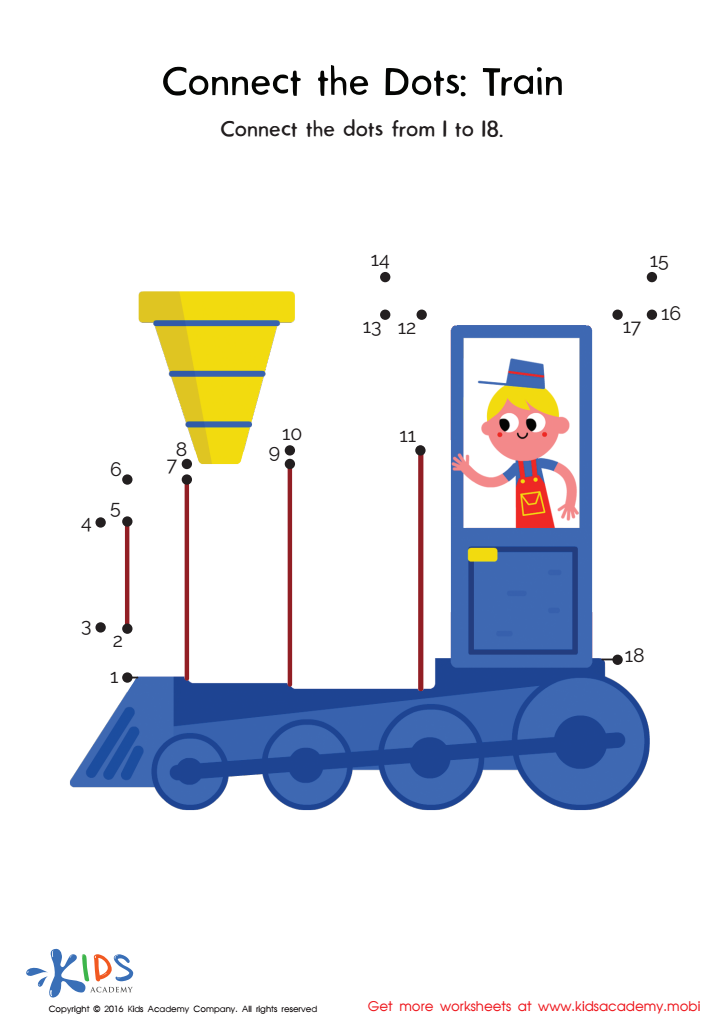
 Assign to My Students
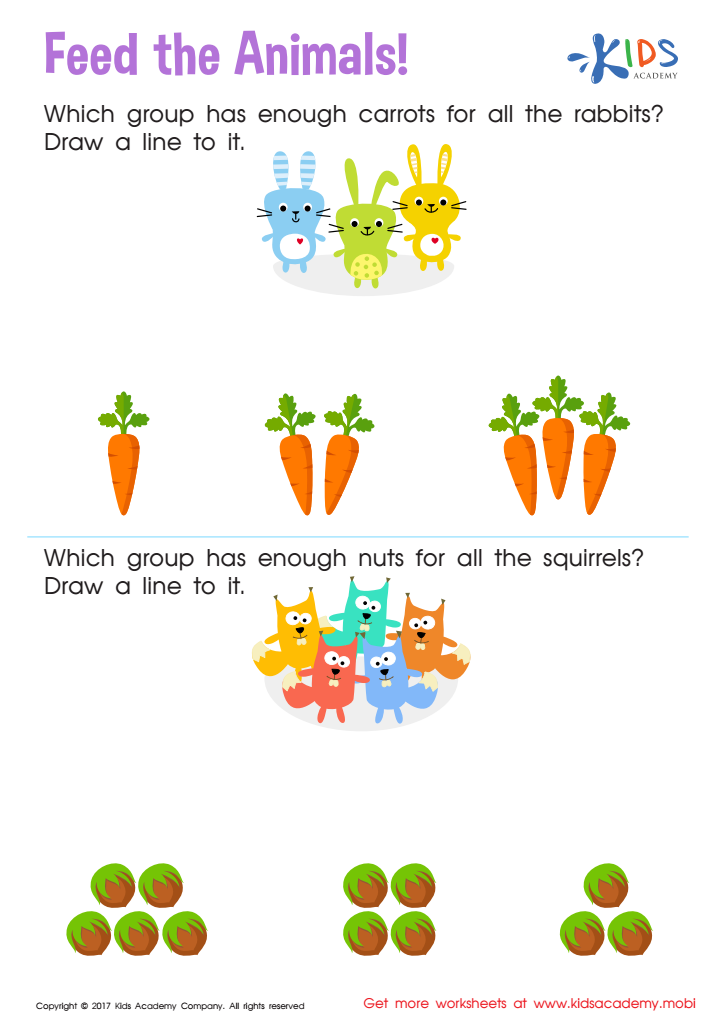
Count and Match: Feed the Animals Worksheet
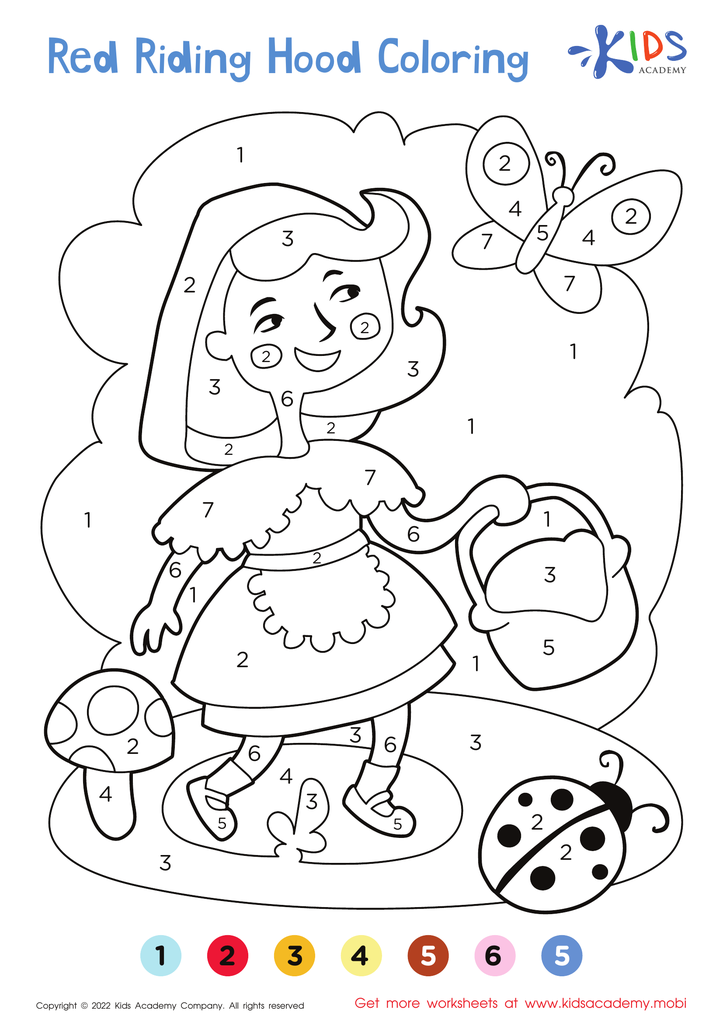
Little Red Riding Hood – Coloring by Numbers







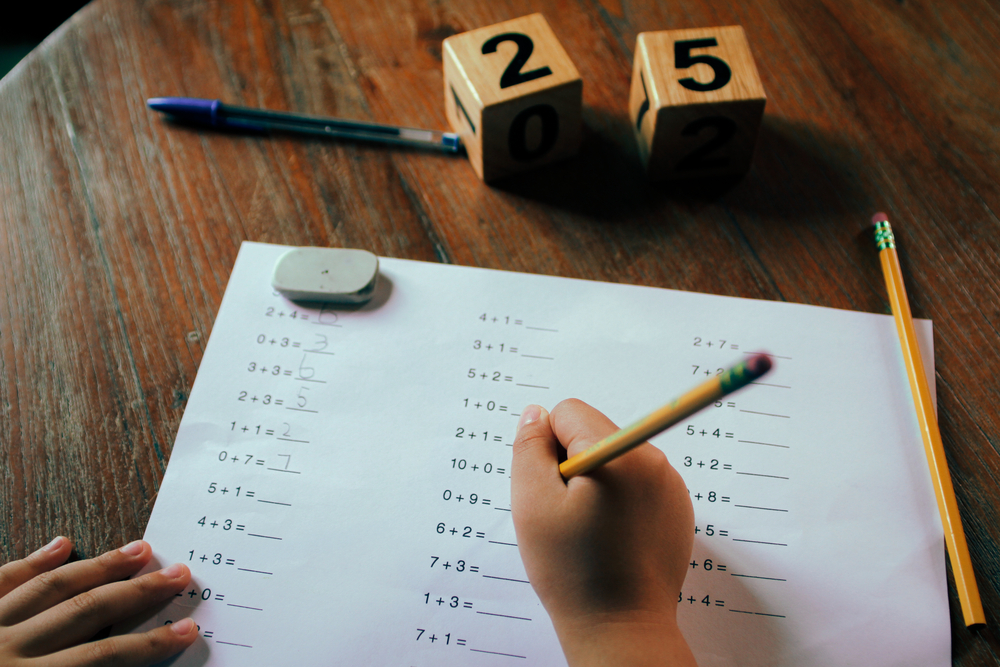
Basic counting math is crucial for children ages 5-6 because it lays the foundation for their future mathematical understanding and overall academic success. At this age, children are in a critical stage of cognitive development, and counting helps enhance their numerical fluency, which is vital for more complex mathematical concepts later on. When children learn to count, they not only develop number recognition but also improve their ability to categorize, compare, and quantify objects in their environment.
Furthermore, counting serves as an essential skill that transcends mathematics. It helps children engage in everyday activities, such as shopping or sharing toys, thereby promoting problem-solving and critical thinking skills. Engaging parents in this process can foster a positive learning environment and strengthen the parent-child relationship through fun activities like counting games and songs.
Teachers play a key role in ensuring that counting skills are integrated into the curriculum in a meaningful way. By incorporating hands-on, interactive lessons, educators can capture young learners' interests, making math exciting. Ultimately, laying a solid foundation in basic counting not only equips children with vital skills for their academic journey but also instills confidence, helping them approach challenges with a positive mindset. Thus, parents and teachers should prioritize this fundamental aspect of early education.








