Fine Motor Skills Math Worksheets for Ages 5-6 - Page 7
154 filtered results
-
From - To
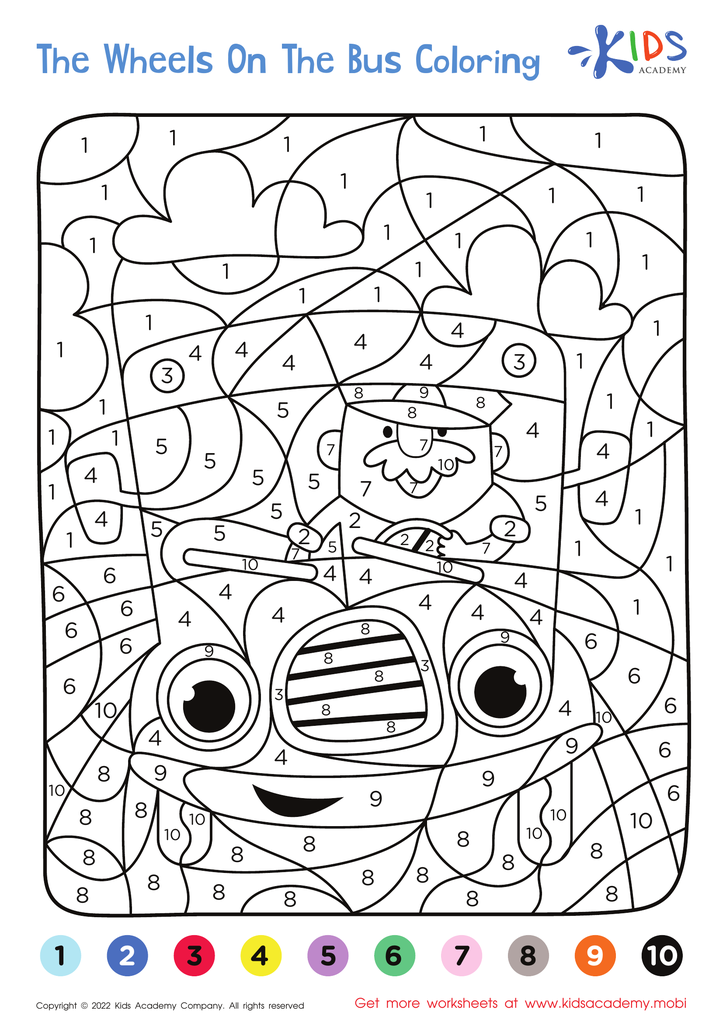
Wheels on the Bus – Coloring by Numbers
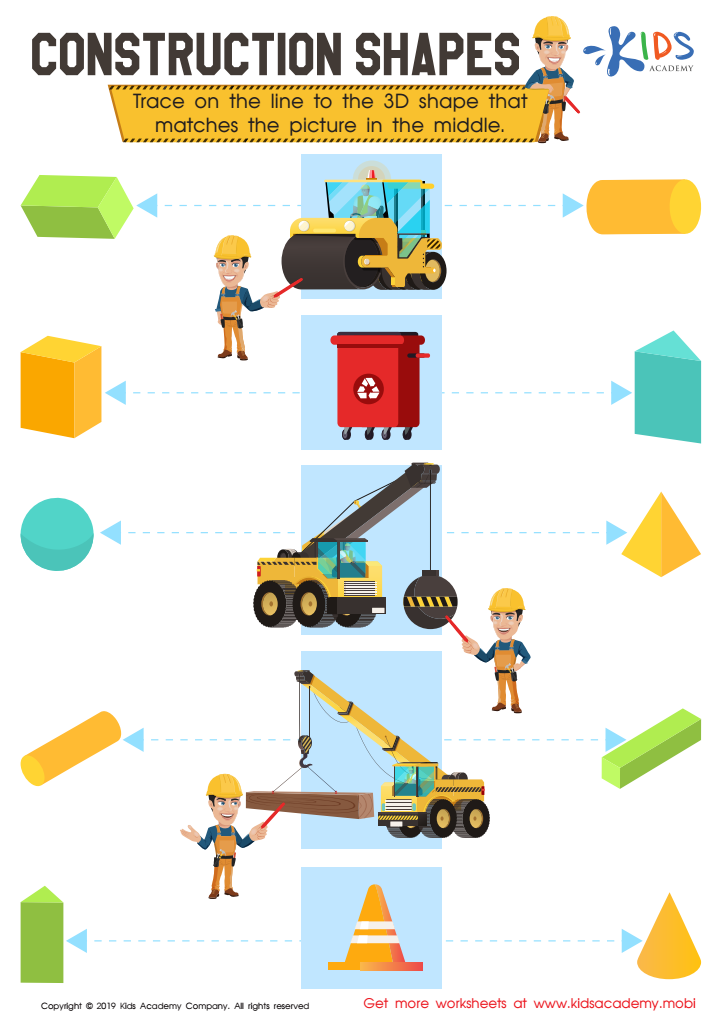
Construction Shapes Worksheet
 Assign to My Students

Night Sky Numbers Worksheet
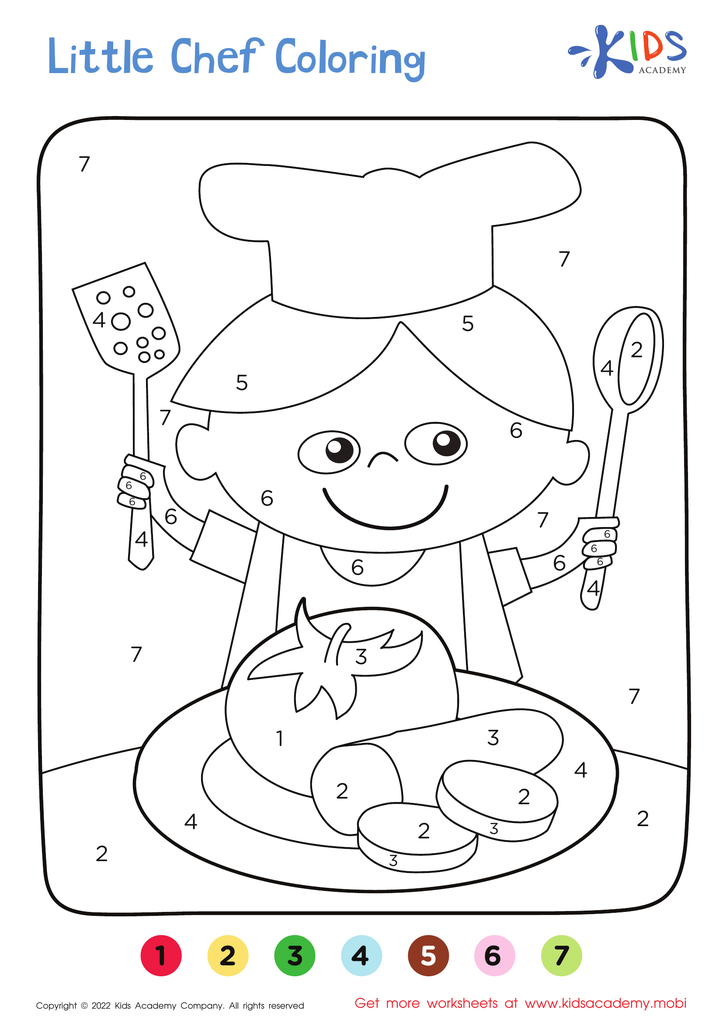
Little Chef – Coloring by Numbers
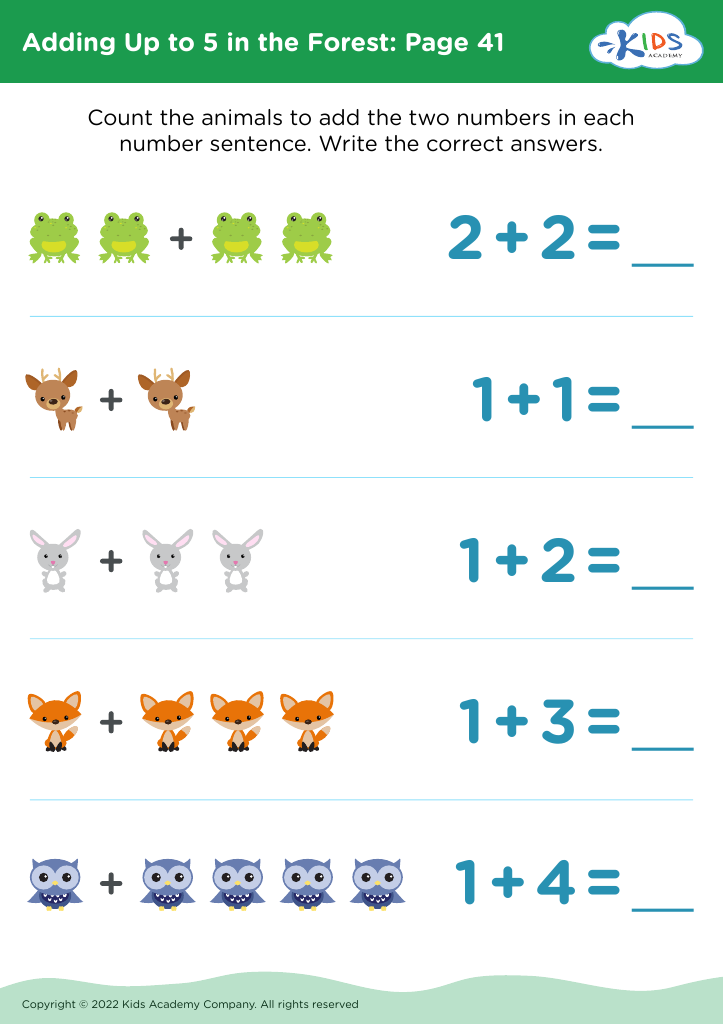
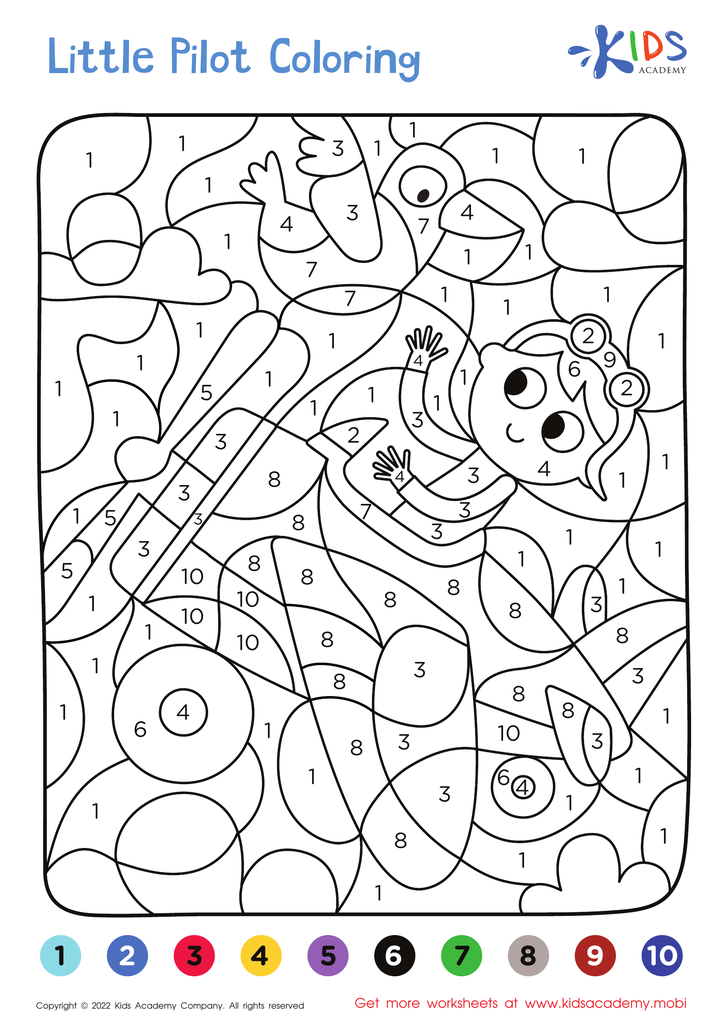
Little Pilot – Coloring by Numbers
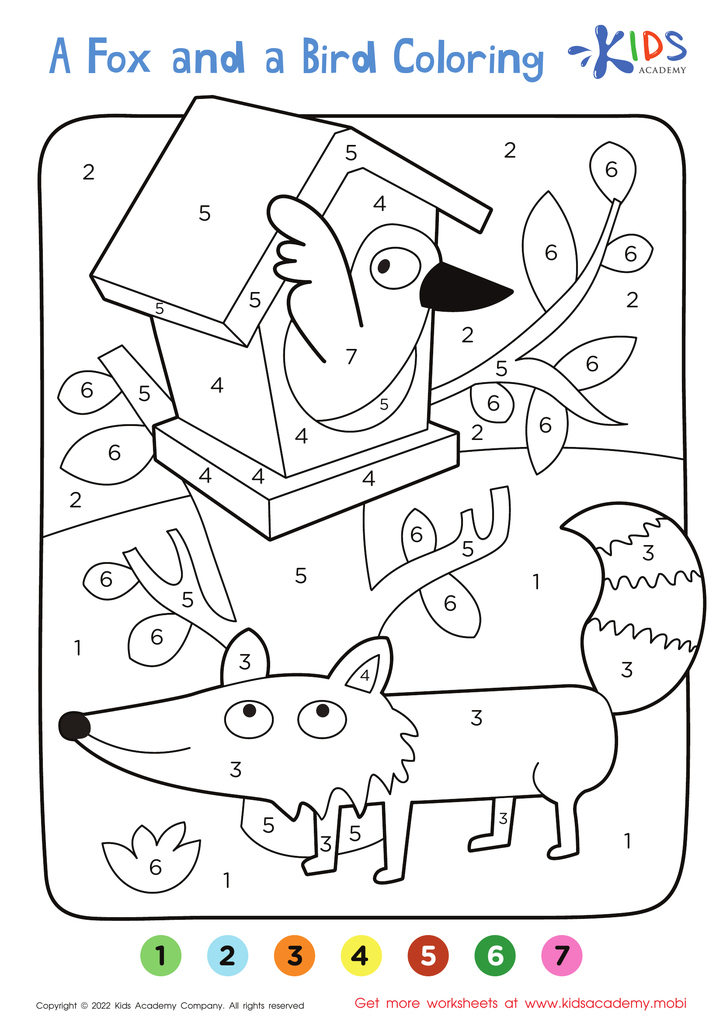
A Fox and a Bird – Coloring by Numbers
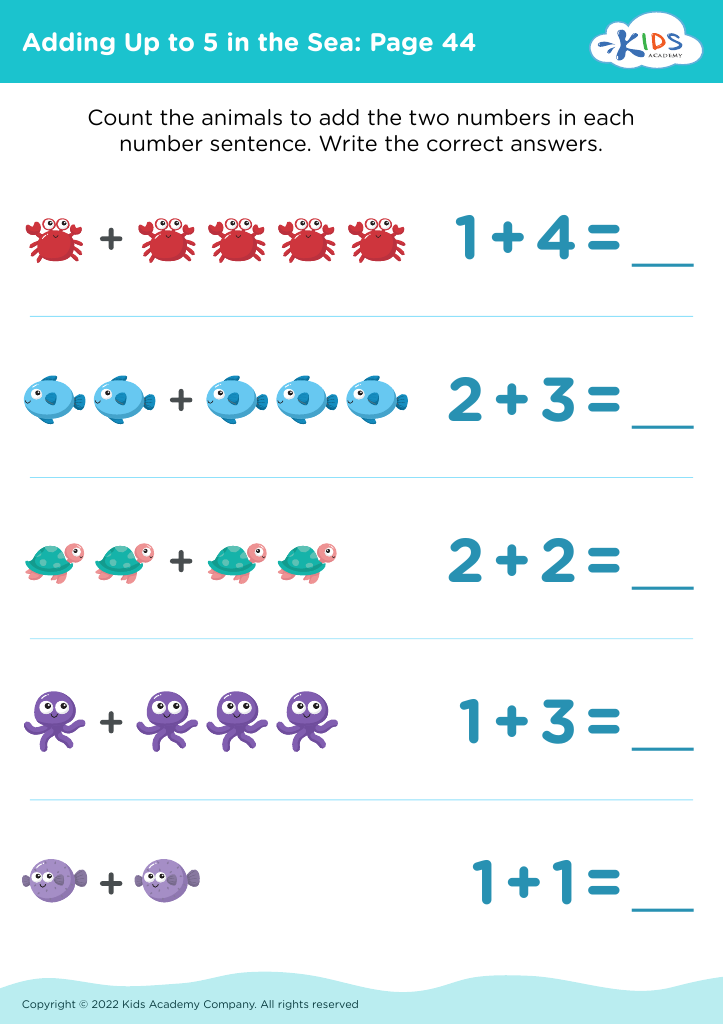
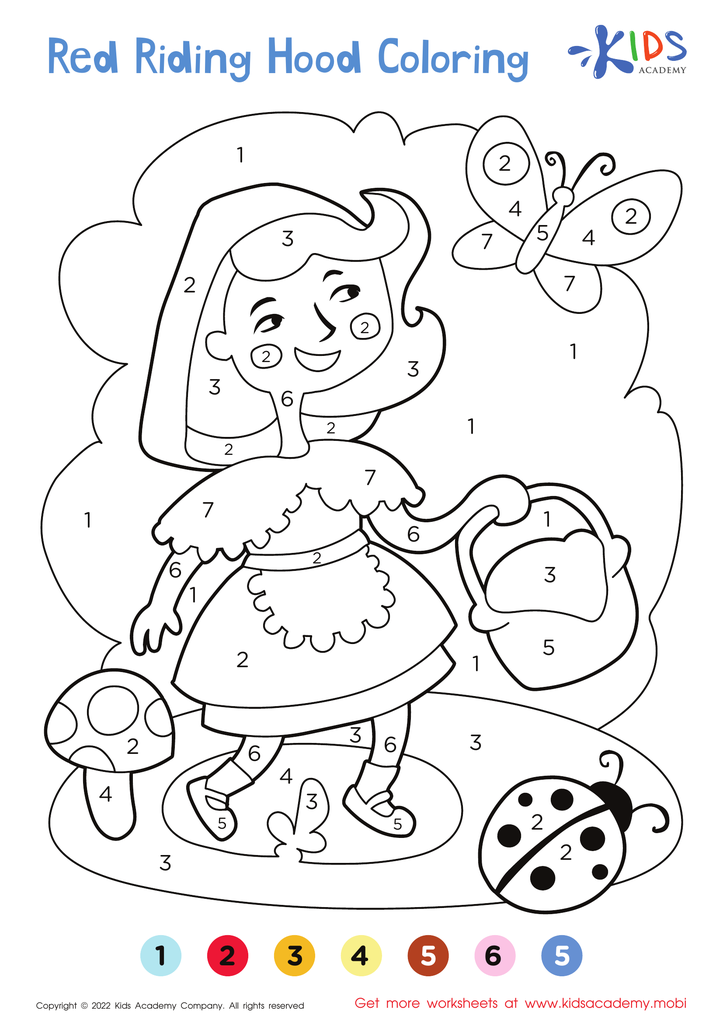
Little Red Riding Hood – Coloring by Numbers
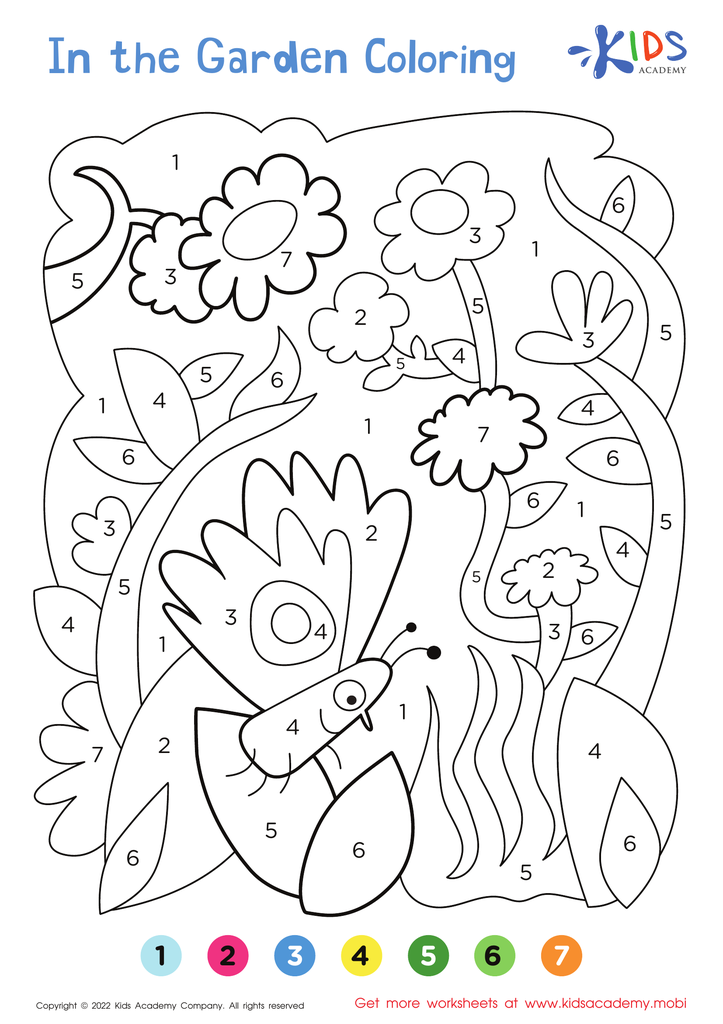
In the Garden – Coloring by Numbers








Fine motor skills are crucial for young children's developing math abilities, especially for ages 5-6. These skills involve the coordination of small muscles in the hands and fingers, enabling children to perform tasks that are essential in both daily life and academic settings. When children engage in activities that refine their fine motor skills, such as using scissors, manipulating clay, or practicing with pencils, they enhance their ability to hold and control writing tools. This control is significant not only for writing numbers but also for creating shapes and models fundamental in early math learning.
Moreover, fine motor activities often incorporate counting, pattern recognition, and spatial awareness—key components of early mathematics. For instance, stringing beads or sorting objects aids in understanding quantities and patterns, encouraging mathematical thinking in a playful context.
Furthermore, strengthening fine motor skills fosters confidence in a child’s ability to express themselves through math. Improved dexterity leads to increased independence in classroom activities, allowing children to focus more on conceptual understanding rather than struggling with physically executing tasks. Therefore, both parents and teachers should prioritize fine motor skill development as a foundational aspect of early math education, ultimately setting children up for long-term academic success.








