Handwriting practice Math Worksheets for Ages 5-6
11 filtered results
-
From - To
Introduce your young learners to the exciting world of math with our Handwriting Practice Math Worksheets designed specifically for ages 5-6! These engaging resources help children develop essential handwriting skills while reinforcing their understanding of basic math concepts. Each worksheet features fun and interactive activities that guide kids through number formation and simple math problems. From tracing and writing numbers to solving basic addition and subtraction, these worksheets provide a lively way to practice handwriting alongside math skills. Perfect for home or classroom use, our worksheets foster a love for learning and lay the foundation for future academic success. Explore today!
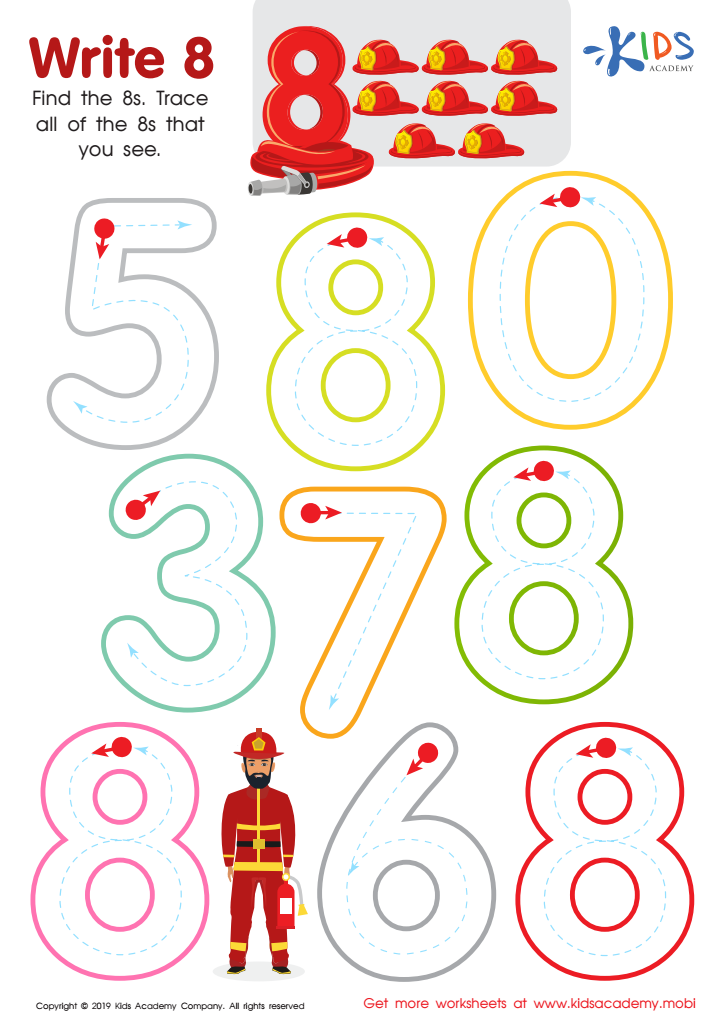
Write 8 Worksheet
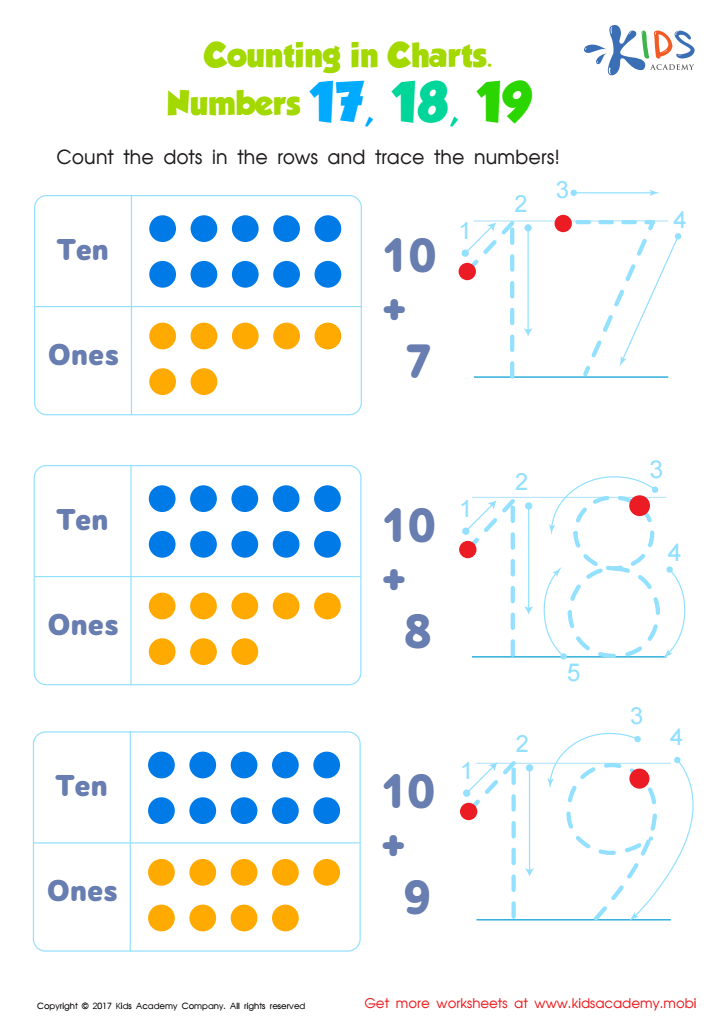
Kindergarten Number Tracing: Counting in Charts Worksheet
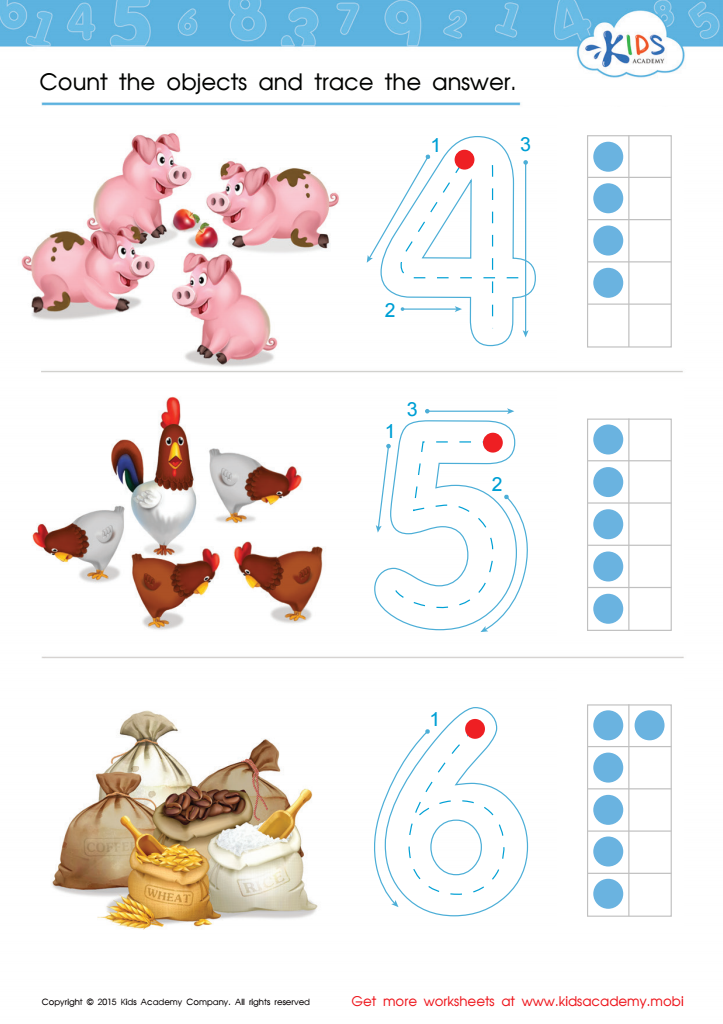
Count and Trace 4 – 6 Worksheet
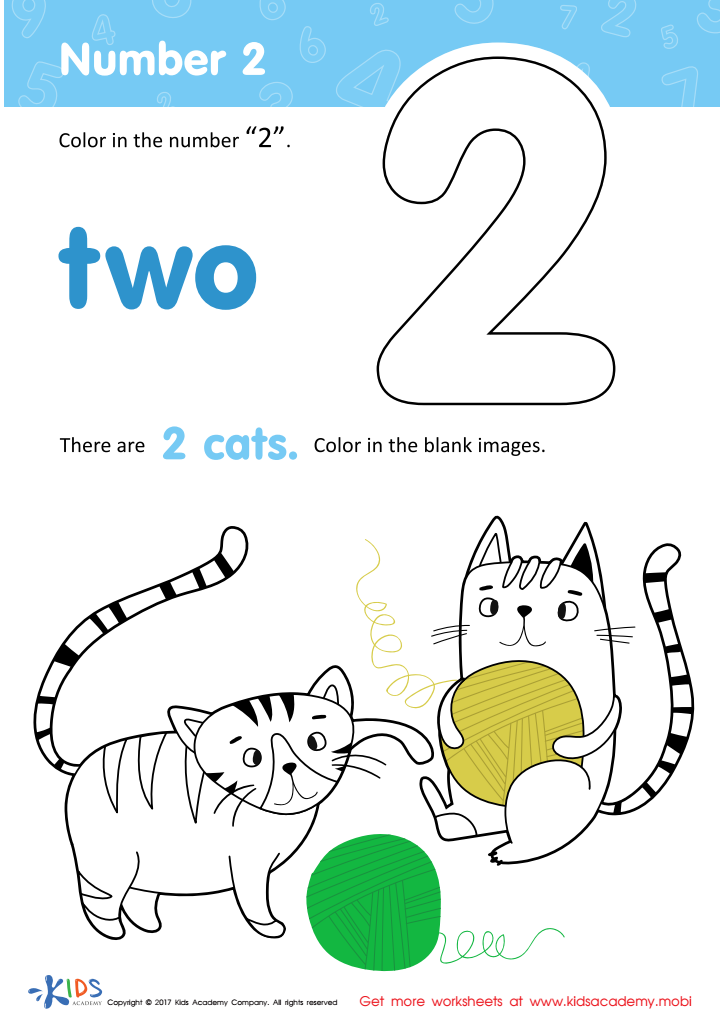
Number 2 Printable
 Assign to My Students
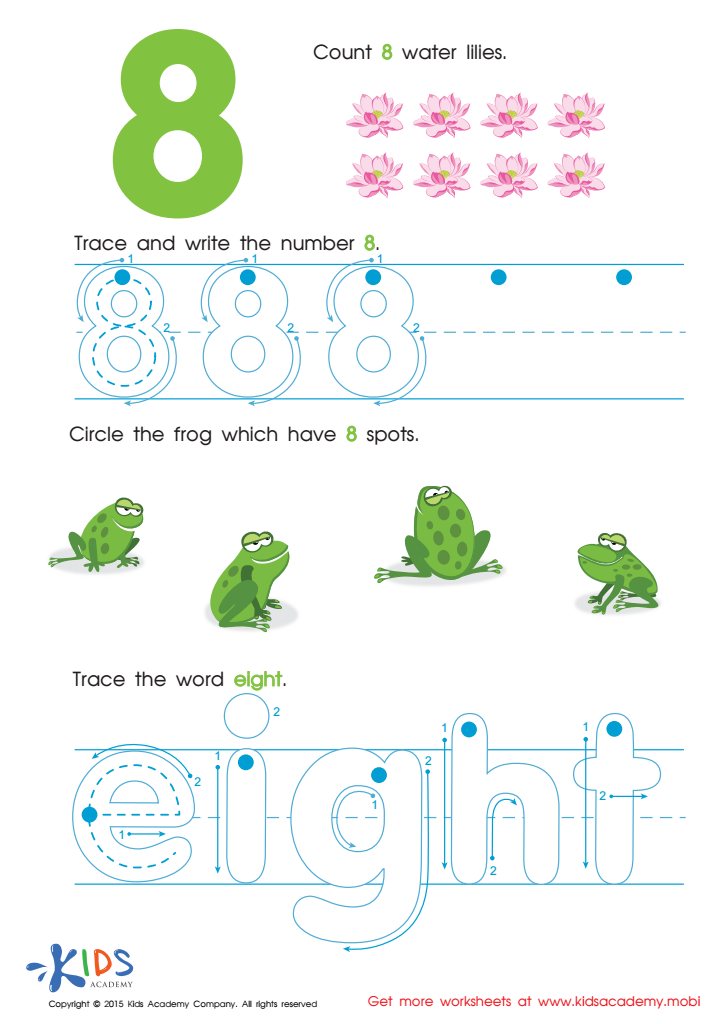
Learn Number 8 Easily Worksheet
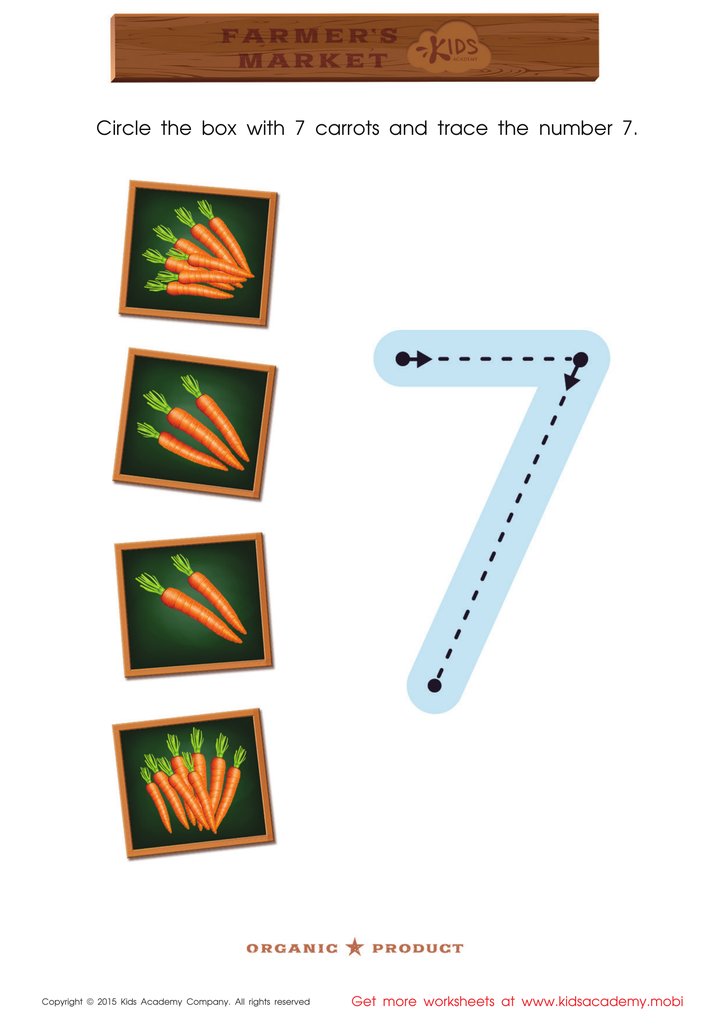
Count the Carrots and Trace the Number 7 Printable
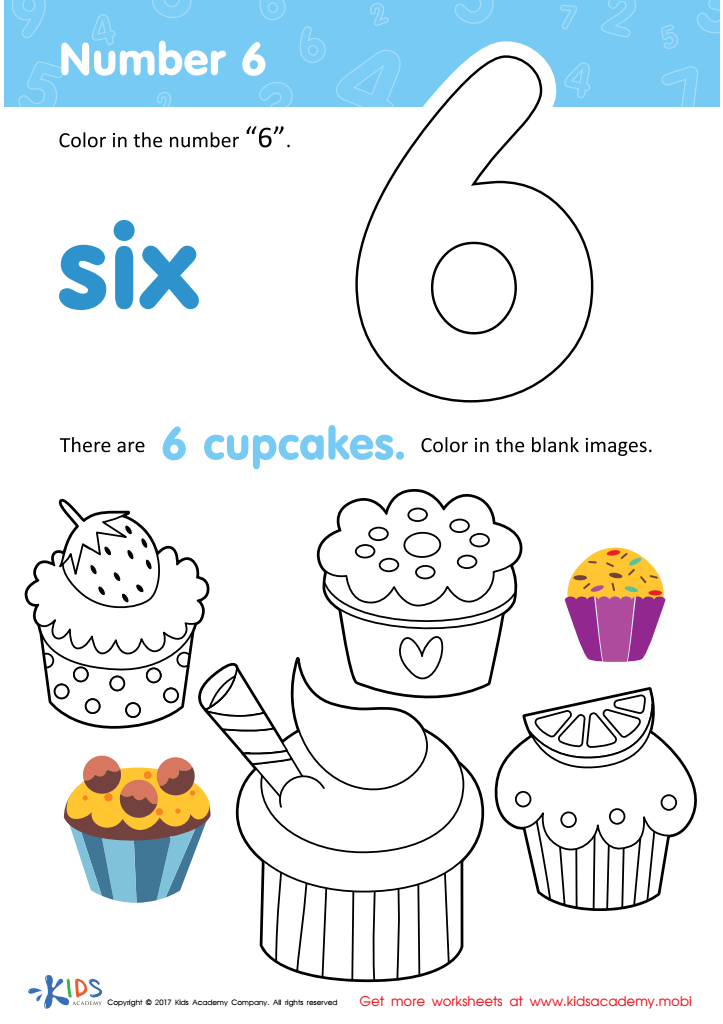
Number 6 Worksheet
Assign to My Students
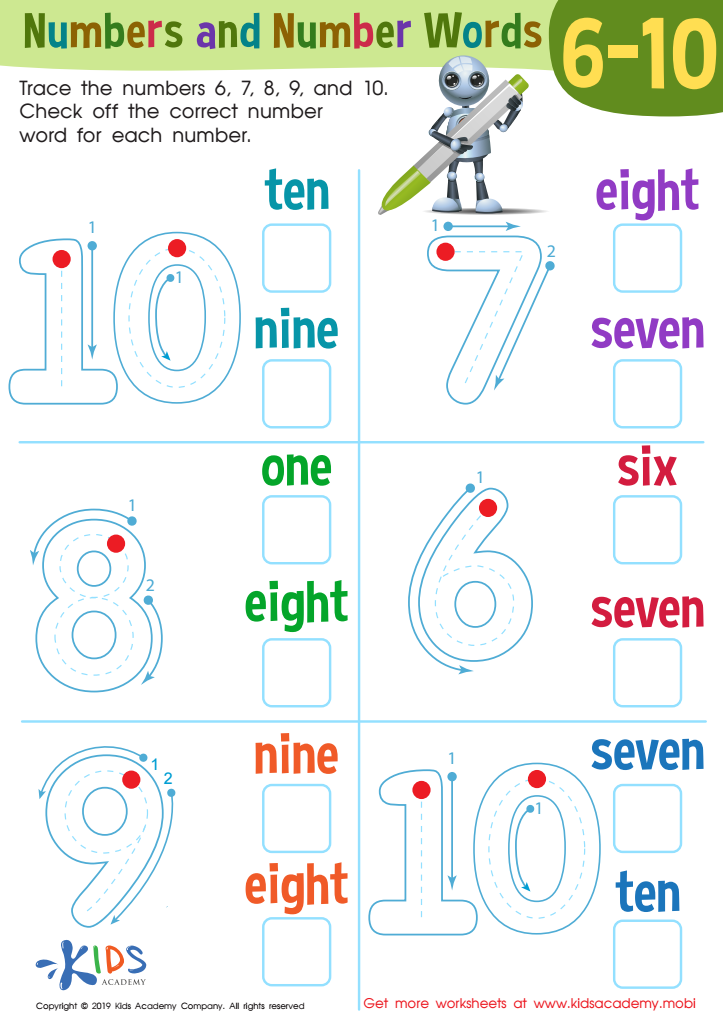
Numbers and Number Words 6–1 Worksheet
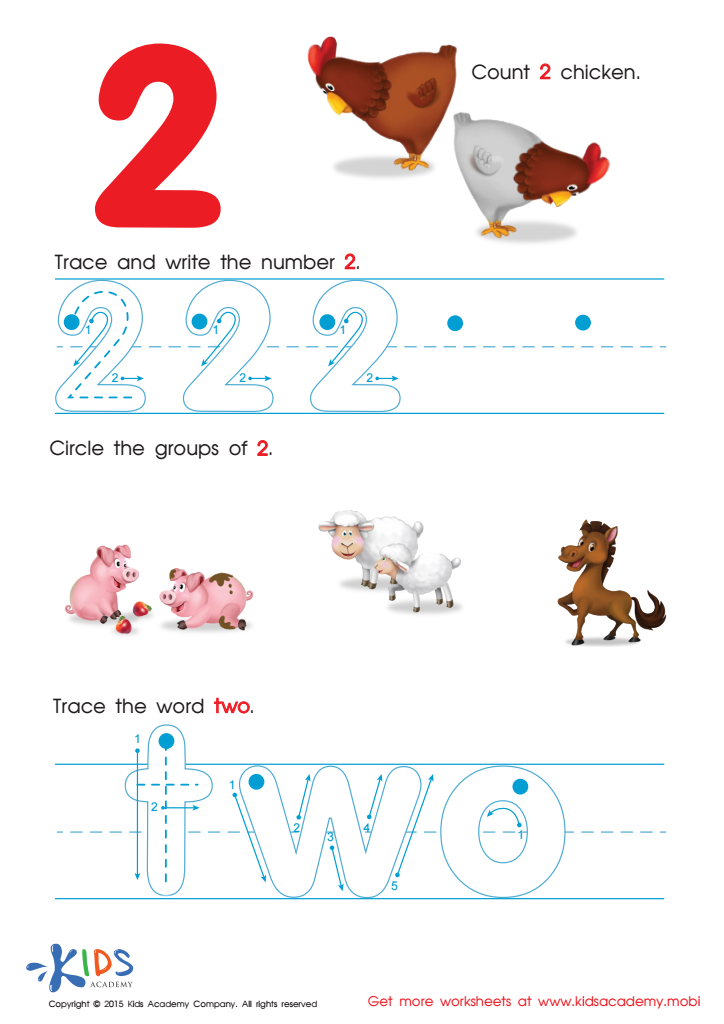
Learn to Write the Number 2 Worksheet
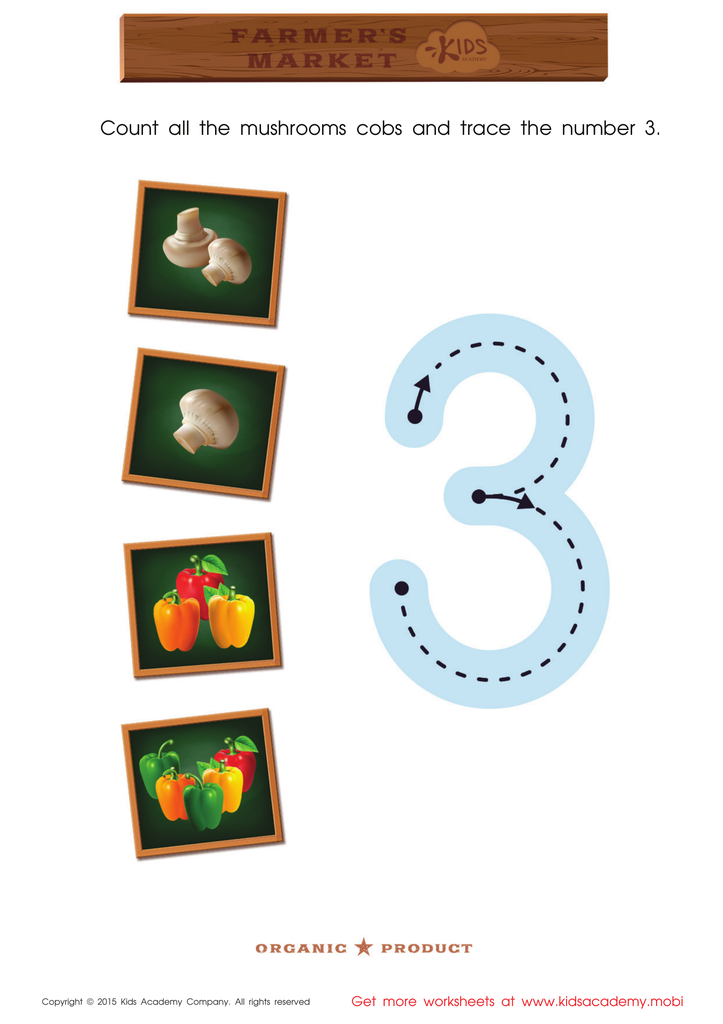
Count the Mushrooms and Trace the Number 3 Printable
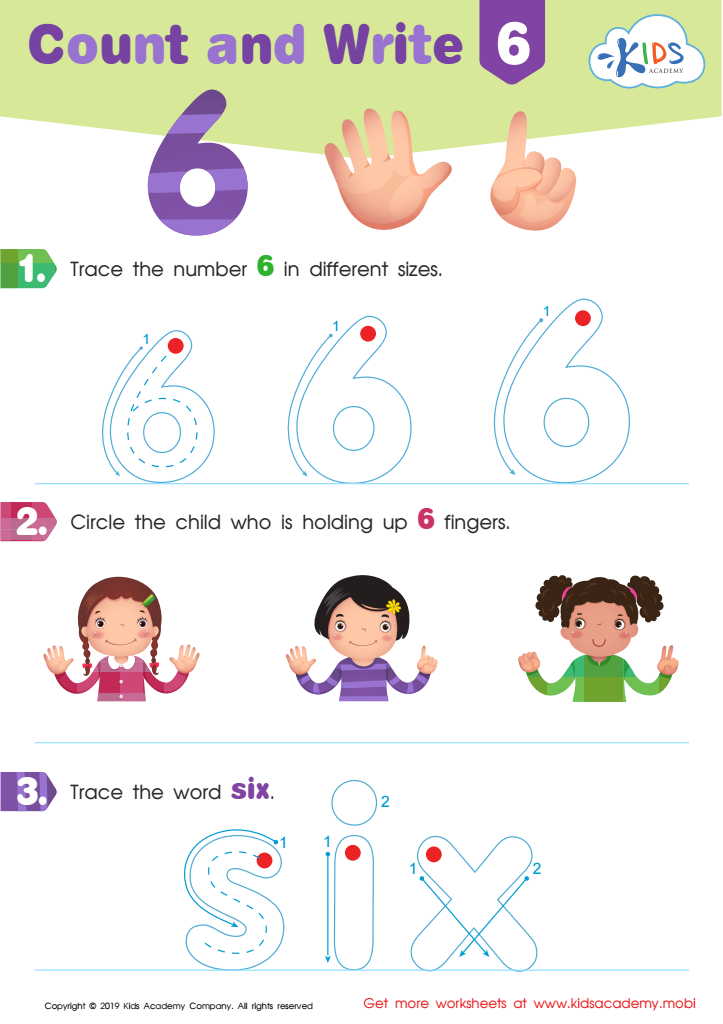
Count and Write 6 Worksheet




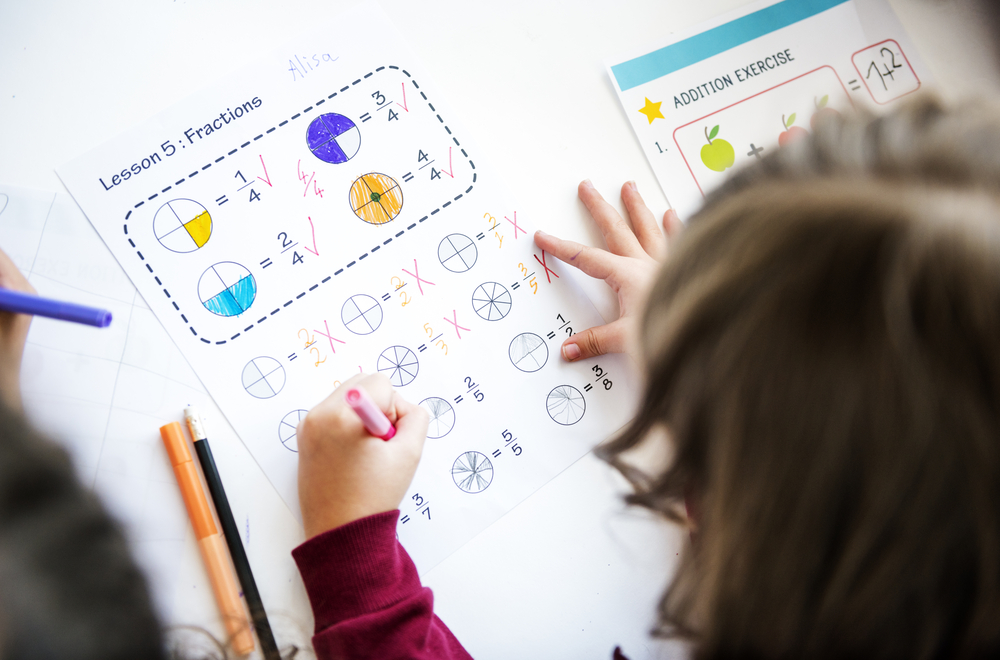



Handwriting practice is essential for children ages 5-6, especially in the context of math learning. During this developmental stage, young learners start to make connections between numerals, symbols, and their corresponding values. Practicing handwriting helps enhance fine motor skills, promoting better control over writing tools, which is crucial in forming accurate numbers and mathematical symbols.
Moreover, handwriting allows children to engage in the process of creating, rather than just recognizing numerals. When children physically write out numbers and simple equations, they reinforce their understanding through muscle memory. This cognitive engagement boosts retention, enabling students to recall information more easily.
Additionally, handwriting practice in math provides an opportunity for students to develop organizational skills. Learning to align numbers vertically, for instance, helps establish the fundamentals of addition and subtraction. Parents and teachers should also note that legibly writing numbers fosters a sense of pride and ownership over one's work, increasing confidence and willingness to participate.
Overall, integrating handwriting practice into math lessons not only strengthens writing abilities but also enriches a child's mathematical comprehension and promotes learning holistically. Engaging in this practice collaboratively reinforces the importance of both skills for a child's educational foundation.








