Matching numbers Math Worksheets for Ages 5-6
12 filtered results
-
From - To
Discover our engaging "Matching Numbers Math Worksheets" designed specifically for children aged 5-6. These interactive worksheets help young learners develop essential math skills by matching numbers with corresponding visuals, enhancing their understanding of numerical concepts. Each worksheet features colorful illustrations and playful themes that capture children's interest while fostering concentration and recognition skills. Ideal for both classroom and home use, these activities promote hands-on learning, enabling kids to reinforce their number sense in a fun and educational way. Encourage your child’s mathematical journey with our worksheets and watch them gain confidence in their abilities while having a blast!
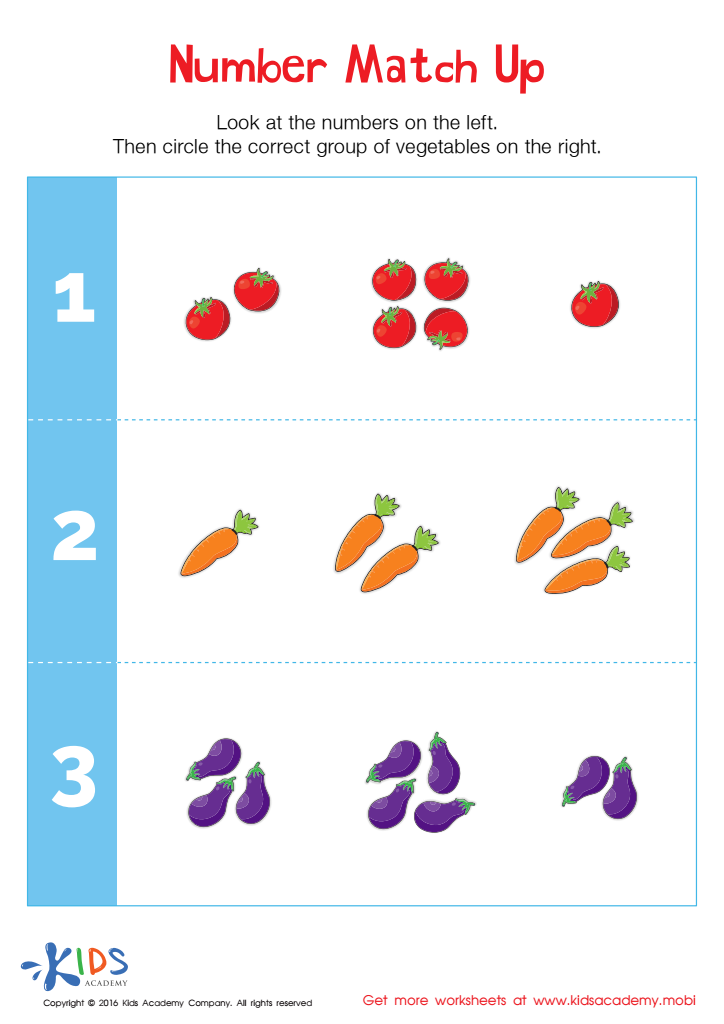
Number Match Up Worksheet
 Assign to My Students
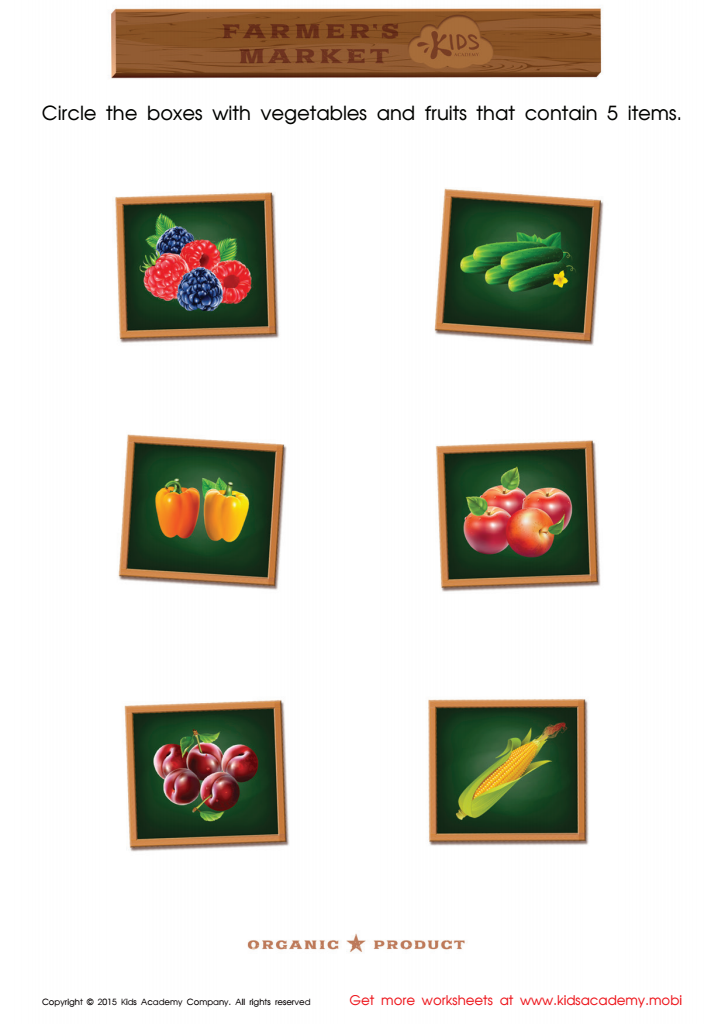
Count and Match Vegetables 1 – 7 Math Worksheet
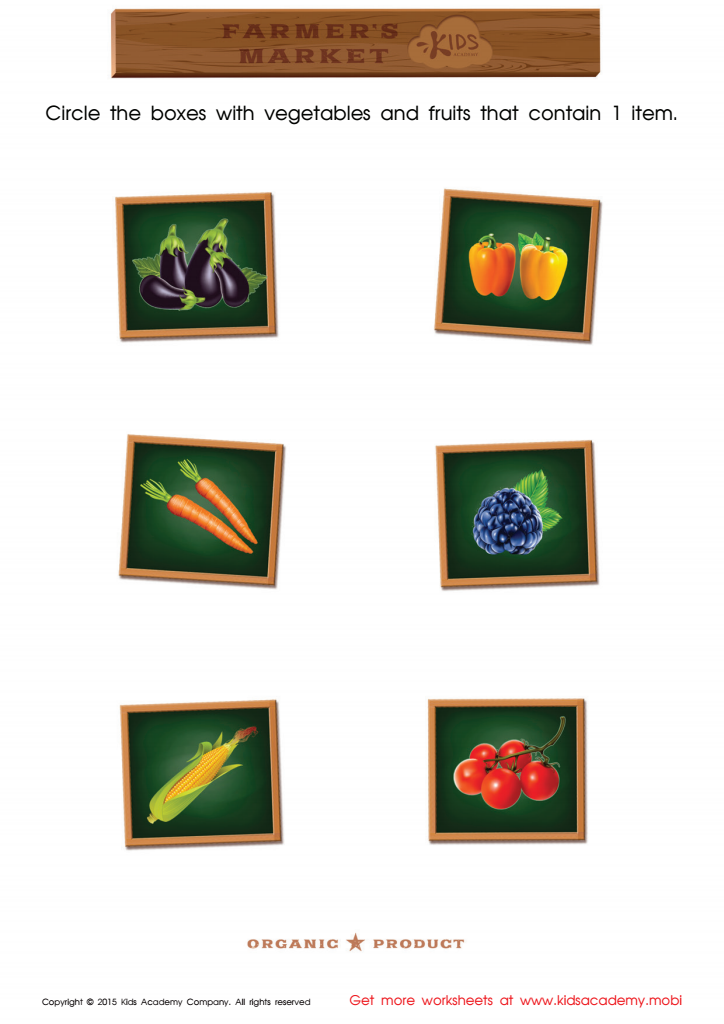
Count and Match Boxes with Vegetables
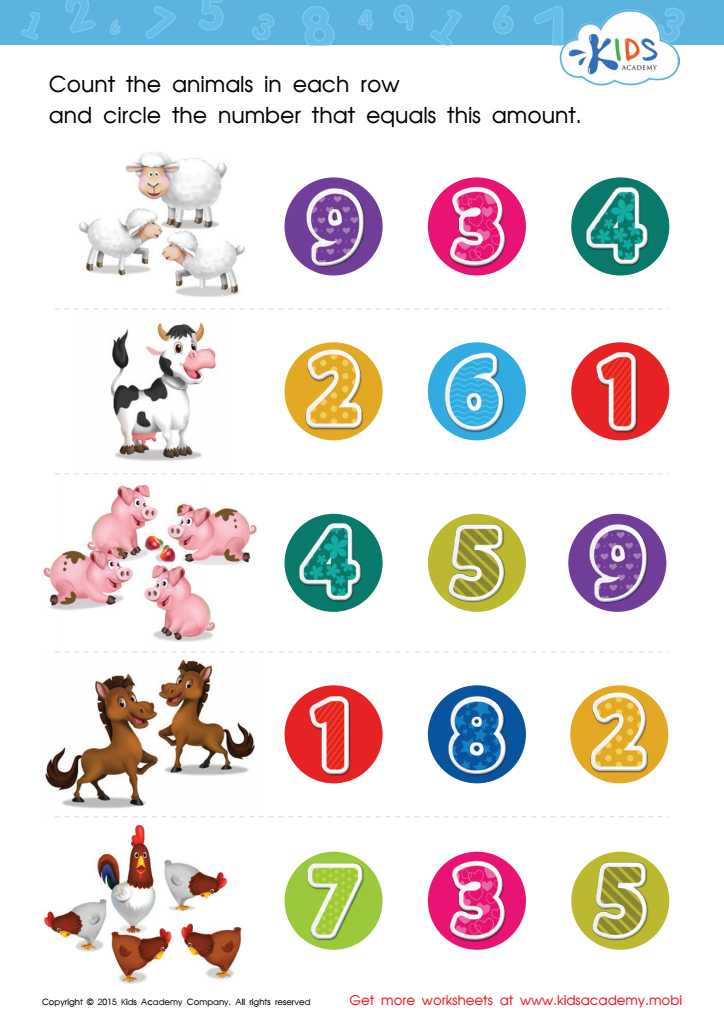
Count and Match 1 – 5 Math Worksheet
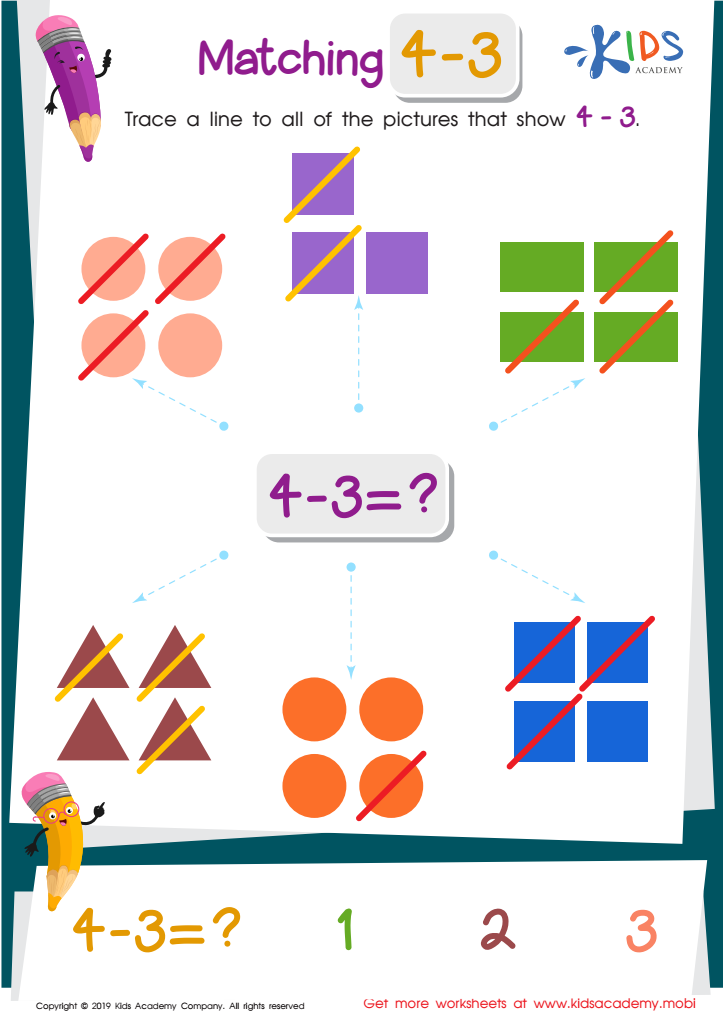
Matching 4 – 3 Worksheet
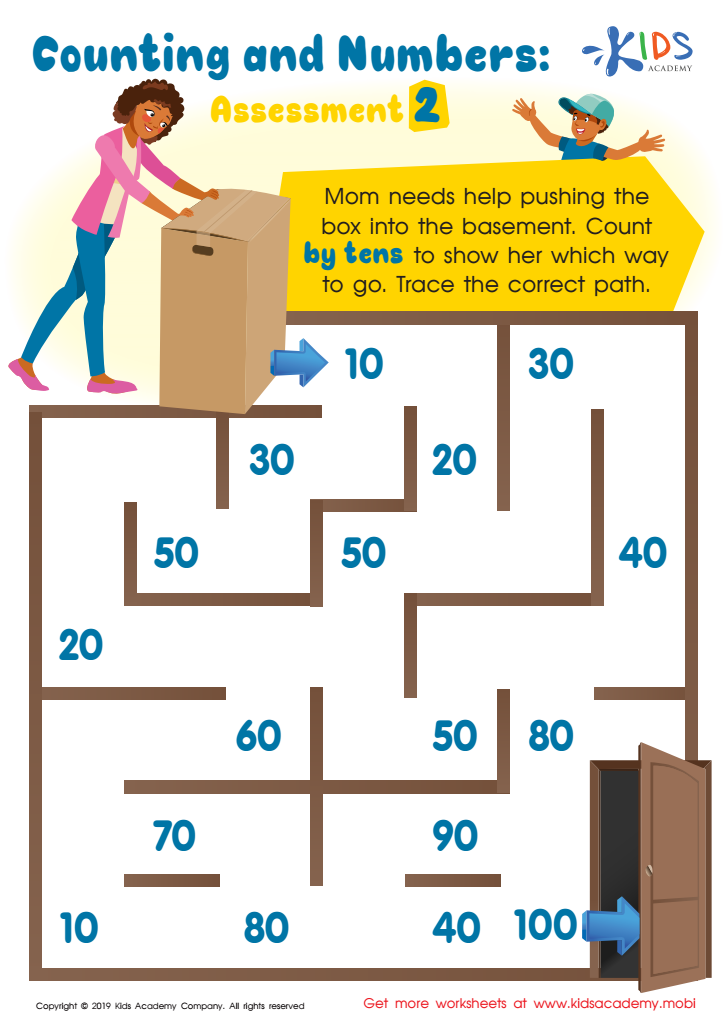
Counting and Numbers: Assessment 2 Worksheet
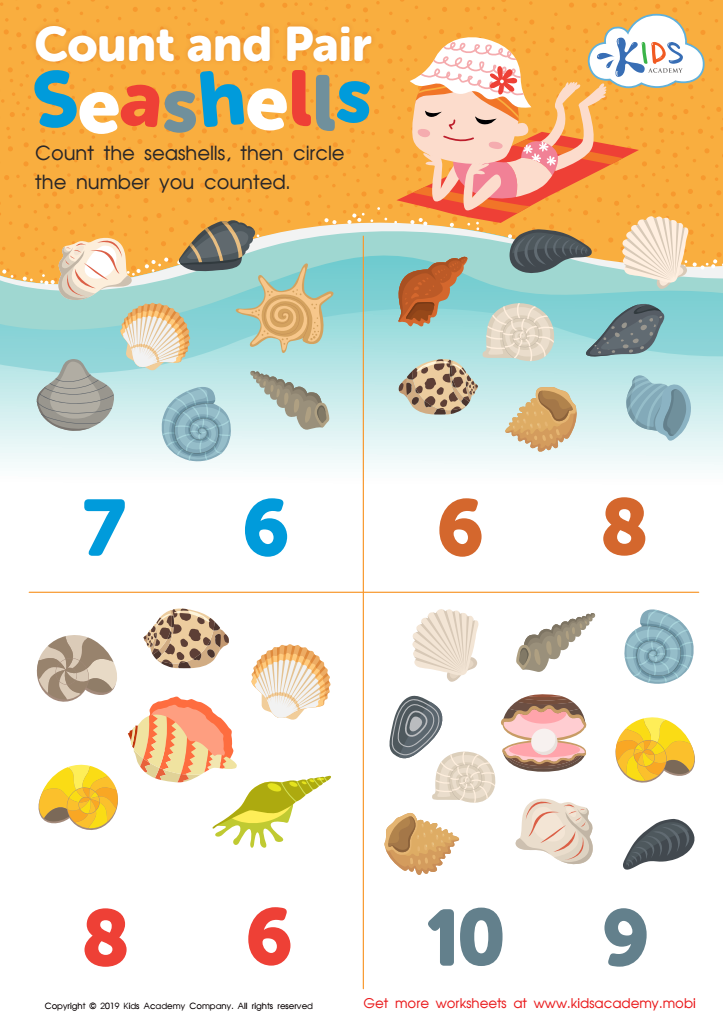
Count and Pair Seashells Worksheet
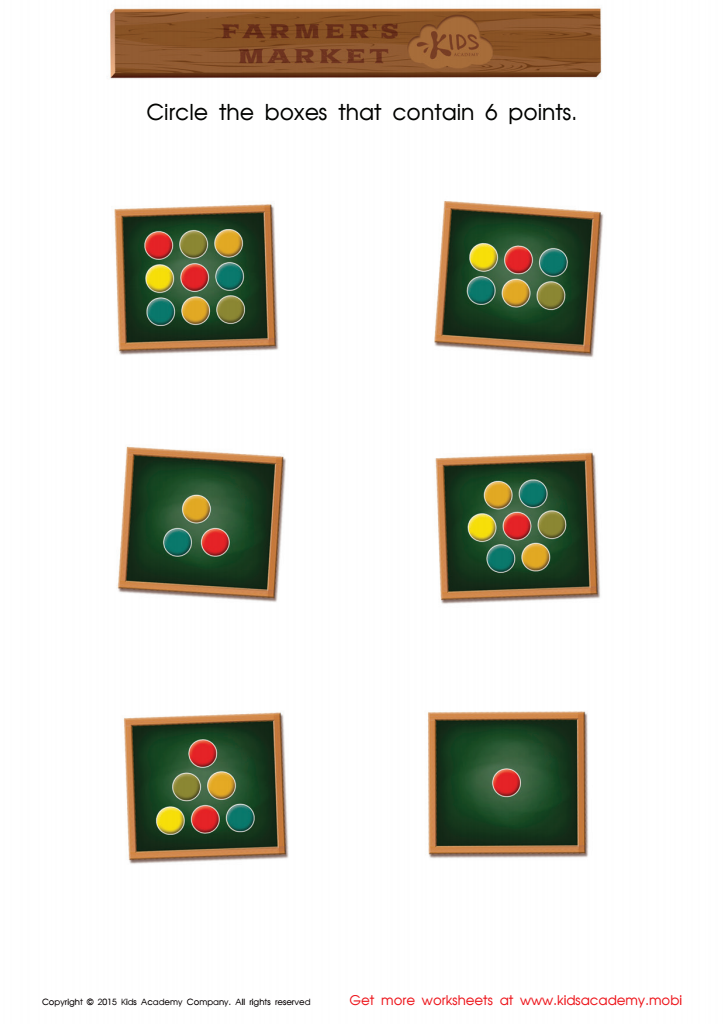
Count and Match Points 6 Math Worksheet
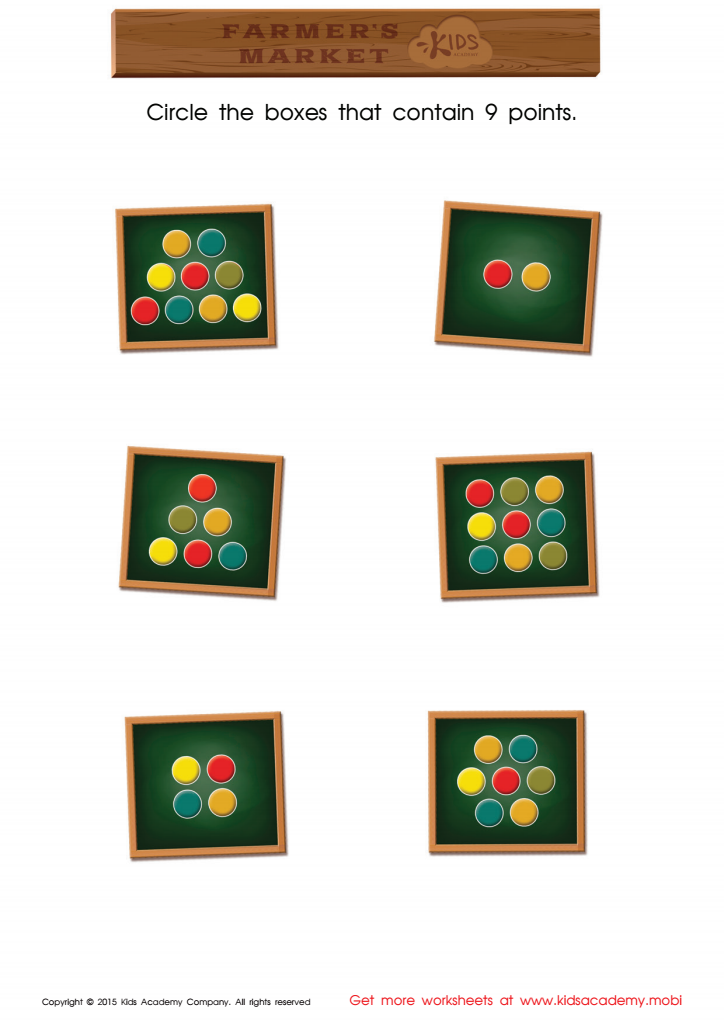
Count and Match Points 9 Math Worksheet
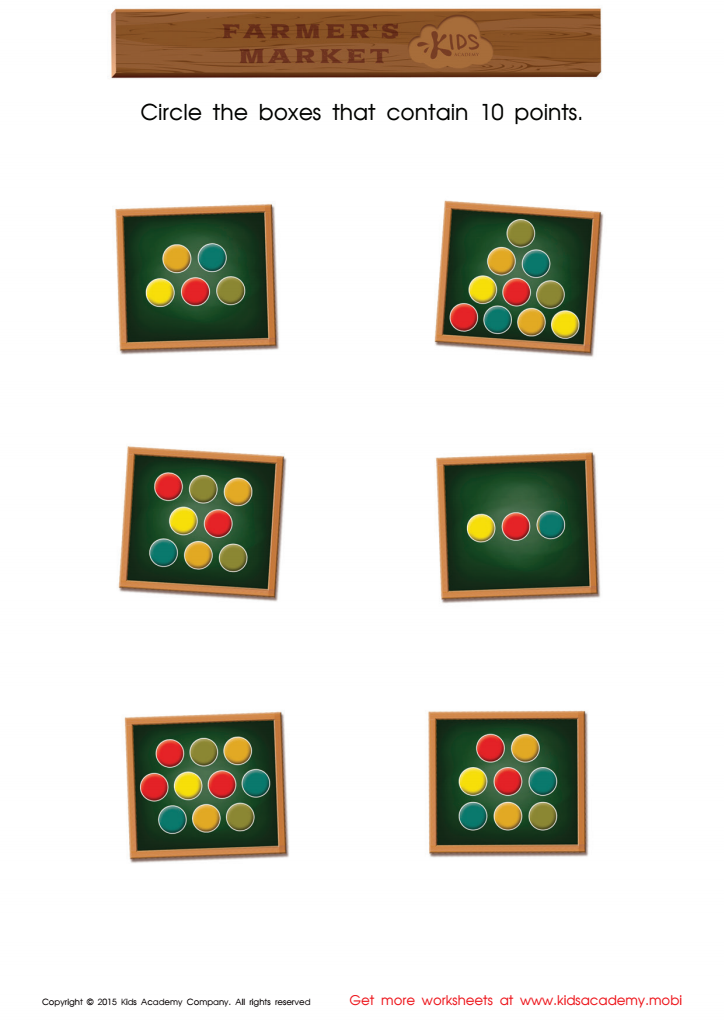
Count and Match Points 10 Math Worksheet
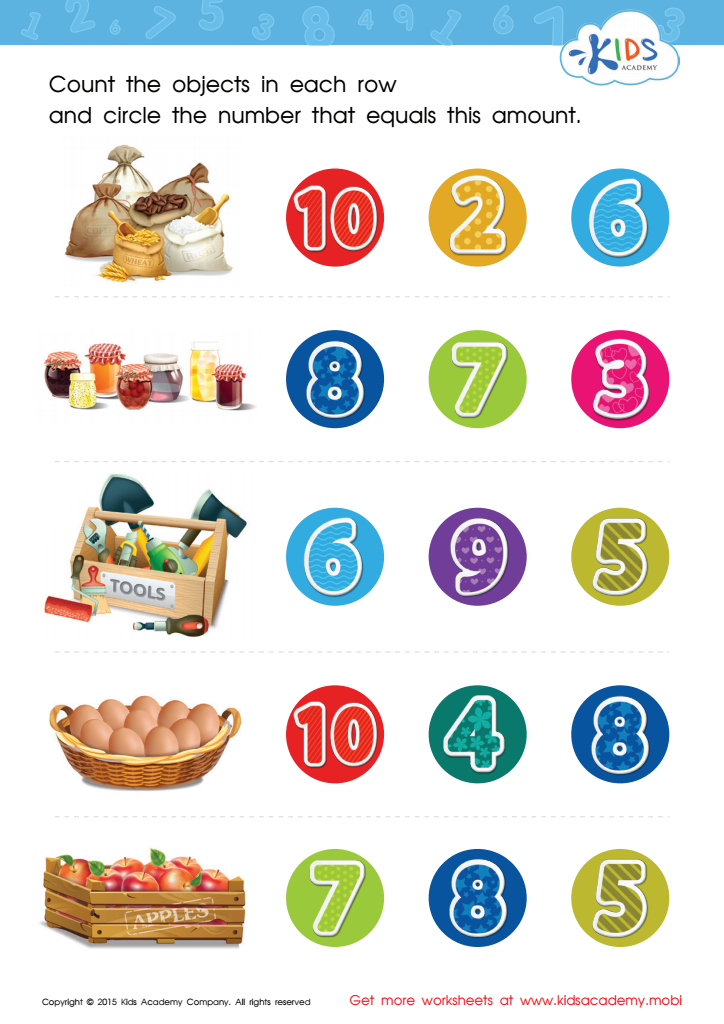
Count and Match 6 – 10 Math Worksheet
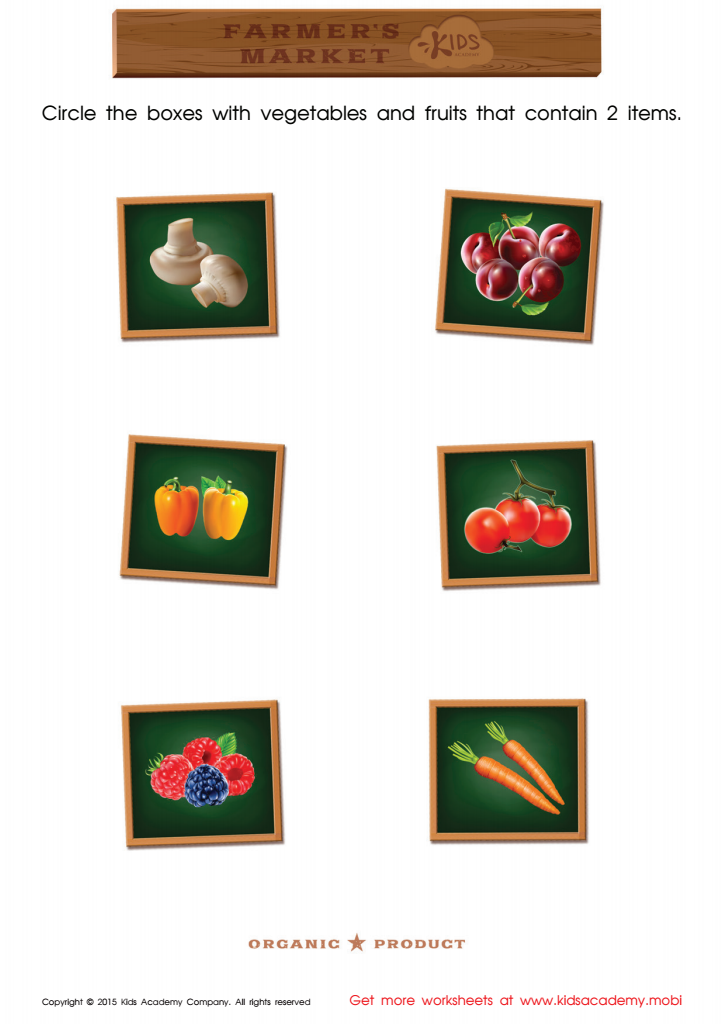
Count and Match Vegetables and Points Math Worksheet








Matching numbers in early mathematics for ages 5-6 lays the crucial foundation for a child's cognitive development and understanding of numbers. At this stage, children are developing their ability to recognize, compare, and manipulate numbers, which forms the basis for more complex mathematical concepts. Engaging in activities that promote matching numbers helps enhance critical skills such as reasoning, problem-solving, and visual perception.
For parents and teachers, fostering these skills can significantly impact a child's confidence and enthusiasm toward math. When children successfully match numbers, they experience a sense of achievement, reinforcing positive attitudes about learning. This stage also encourages children to practice one-to-one correspondence, helping them grasp the concepts of quantity and counting.
Moreover, matching numbers serves as a bridge between playful learning and structured education. By integrating fun activities—like games, worksheets, and hands-on manipulatives—parents and teachers can make learning enjoyable while laying the groundwork for mathematical fluency.
Ultimately, investing time in matching numbers can contribute to a strong mathematical foundation, preparing children for future academic success. Supporting these early experiences increases the likelihood of children approaching math with curiosity and confidence as they progress through school.








