Shape identification Math Worksheets for Ages 5-6
16 filtered results
-
From - To
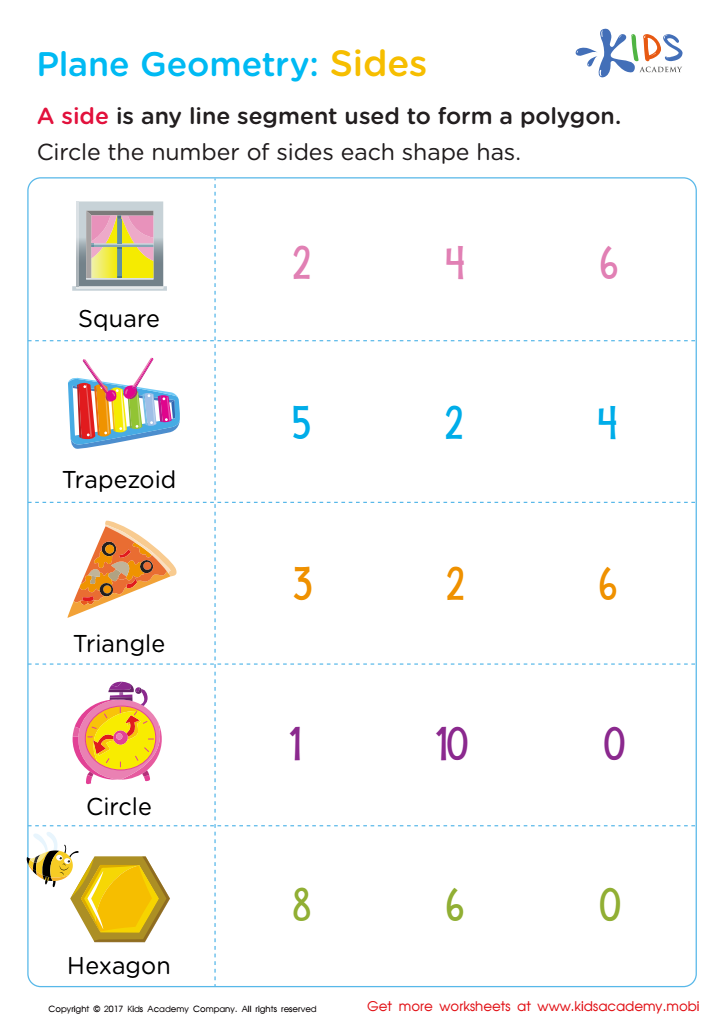
Shape Identification Math Worksheets for Ages 5-6 are designed to help young learners develop essential geometric skills through fun and engaging activities. These worksheets introduce children to basic shapes like circles, squares, triangles, and rectangles, enhancing their ability to recognize and distinguish between different forms. Crafted specifically for kindergartners, each printable sheet fosters critical thinking and fine motor skills as kids trace, color, and match shapes. Ideal for both classroom and home use, these resources support early math learning, making foundational concepts enjoyable and accessible. Equip your child with the tools they need for successful shape recognition and a solid mathematical foundation.
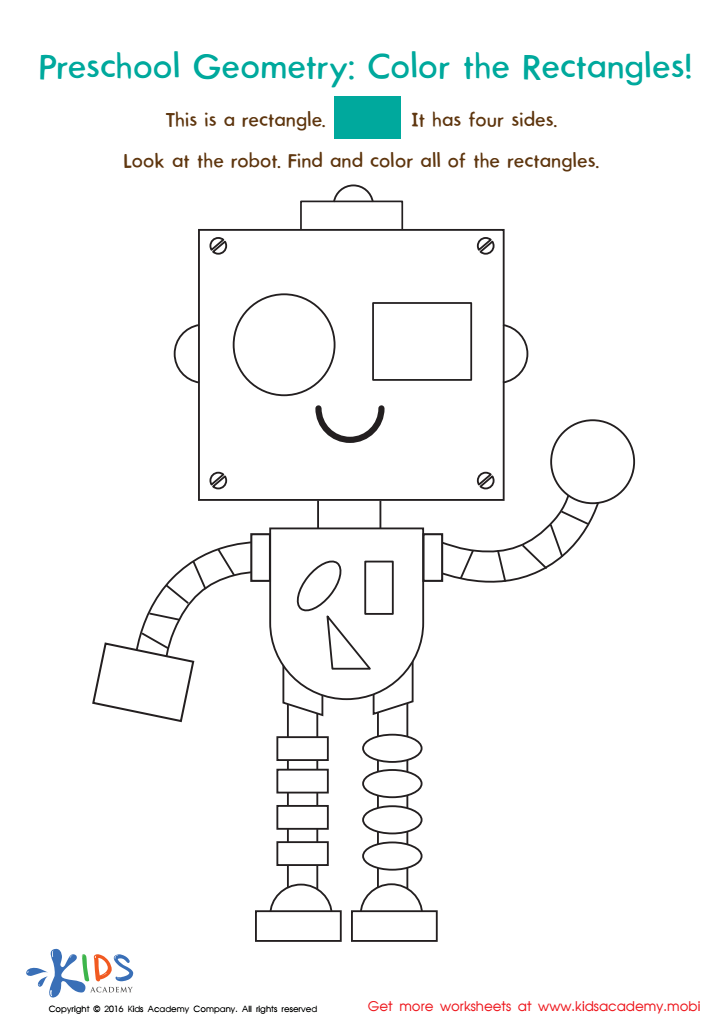
Geometry Worksheet
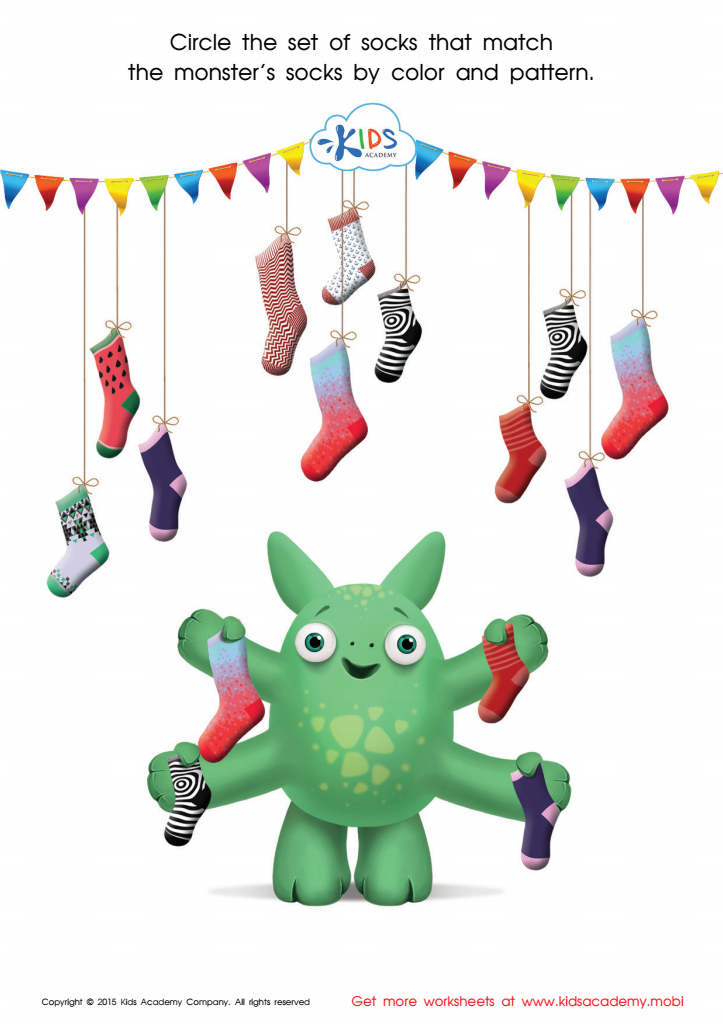
Sort the Monster's Socks Worksheet
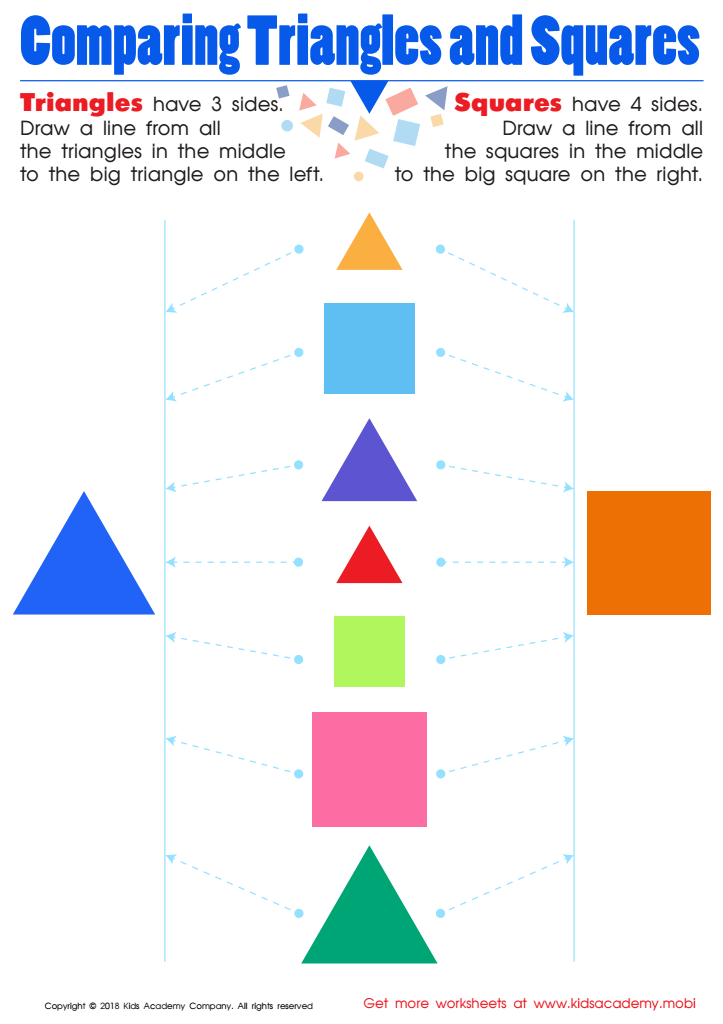
Comparing Triangles Squares Worksheet
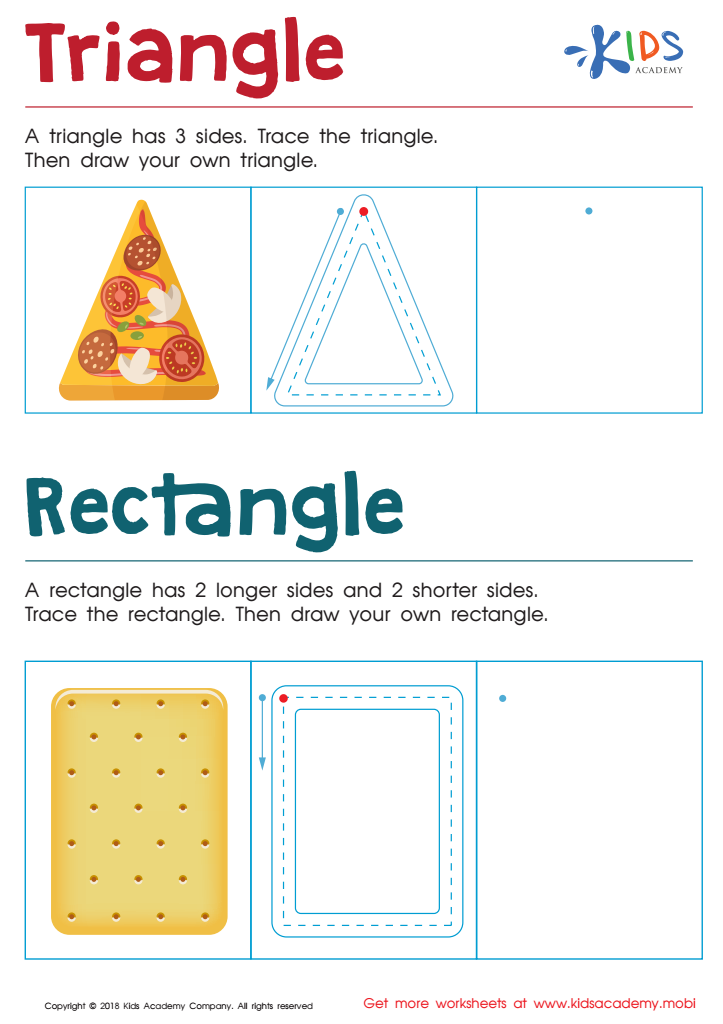
Triangle Rectangle Worksheet
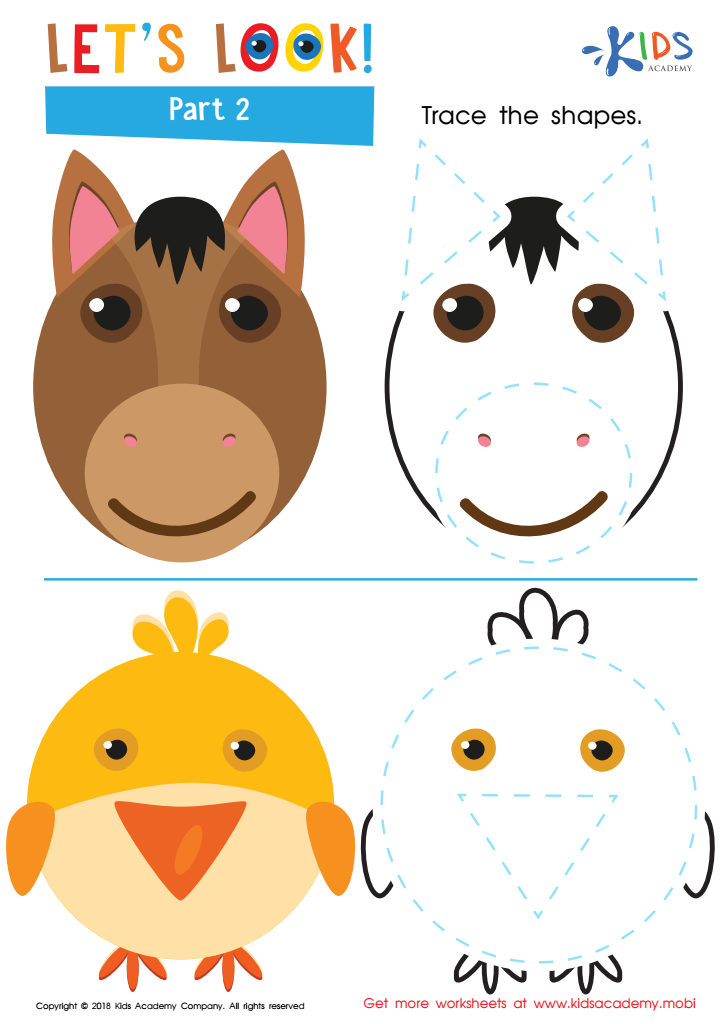
Let's Look! Part 2 Worksheet
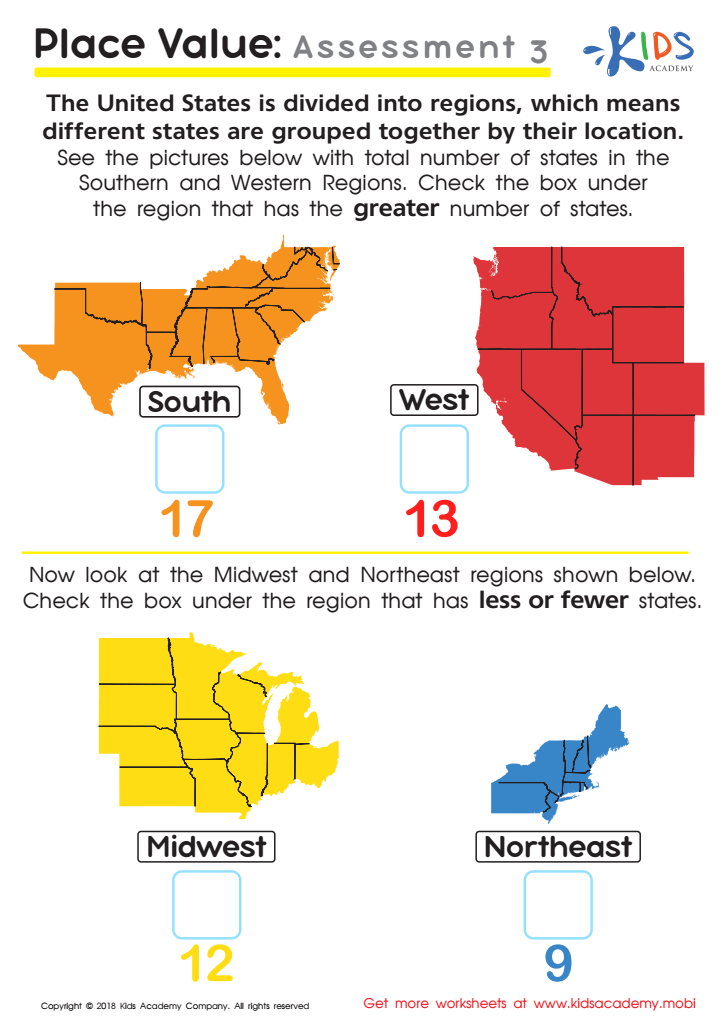
Place Value: Assessment 3 Worksheet
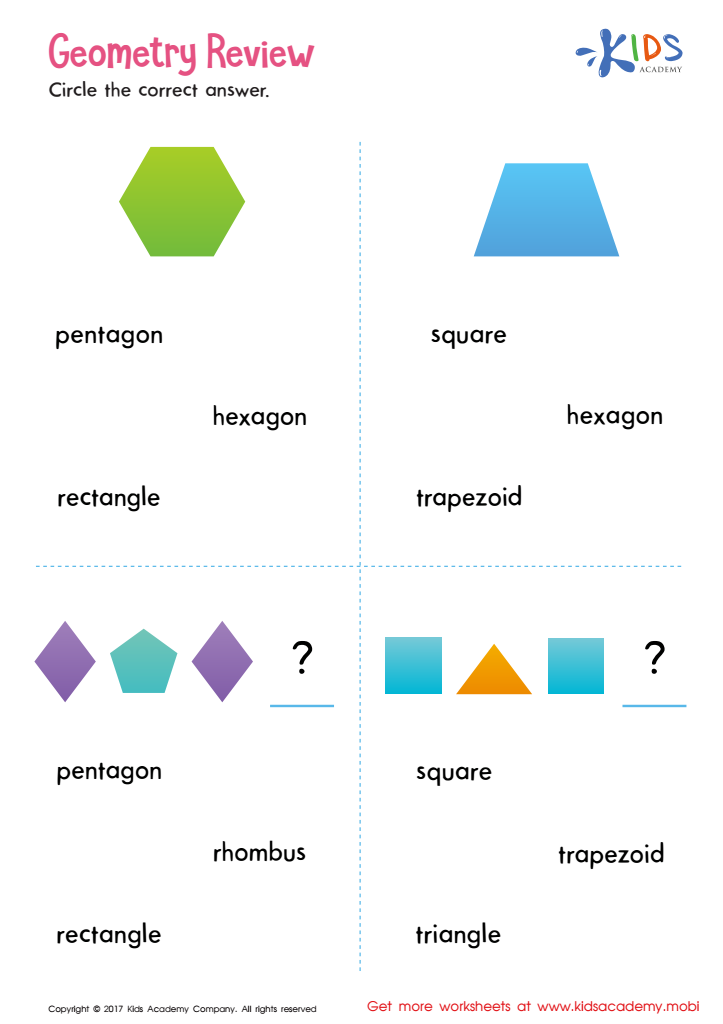
Geometry Review Printable
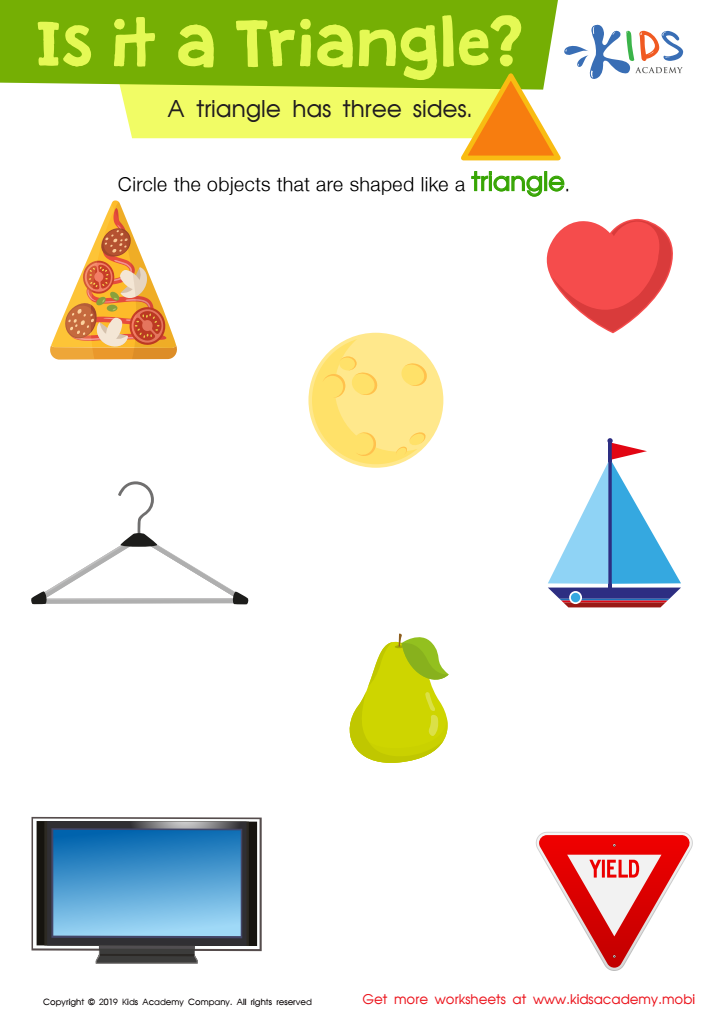
Is It a Triangle? Worksheet
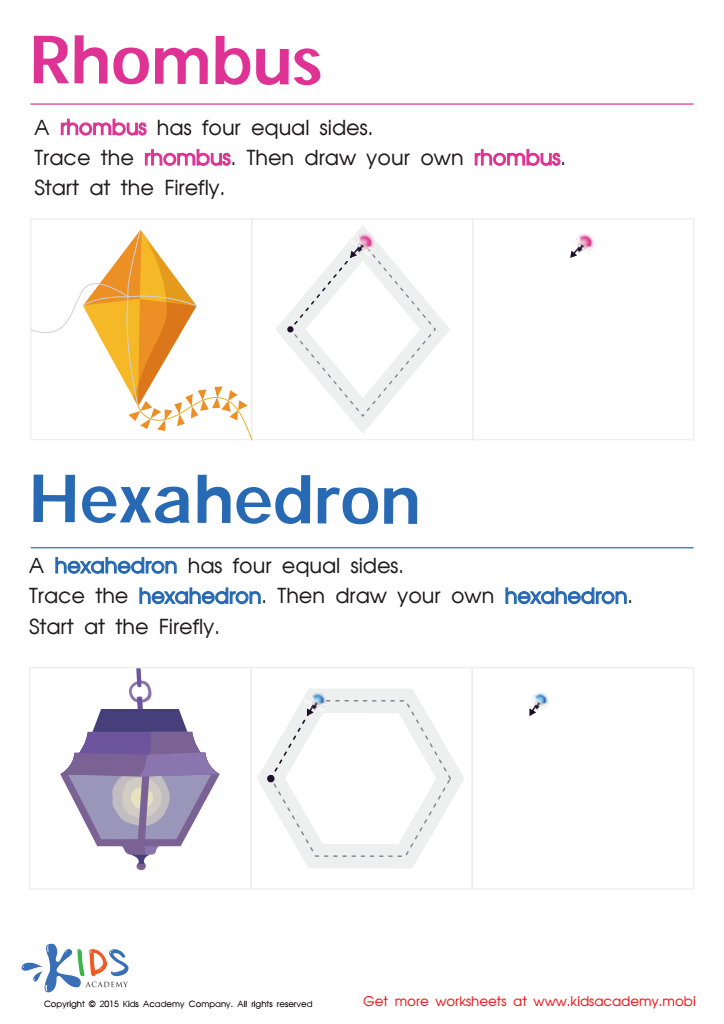
Draw a Rhombus And a Hexahedron Printable
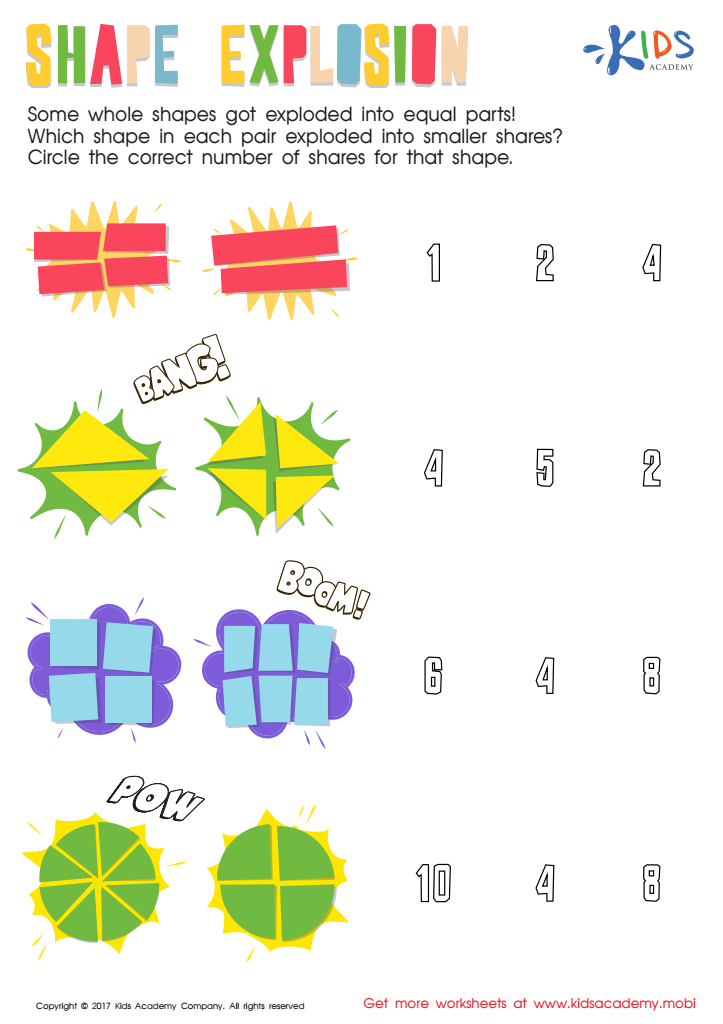
Shape Explosion Worksheet
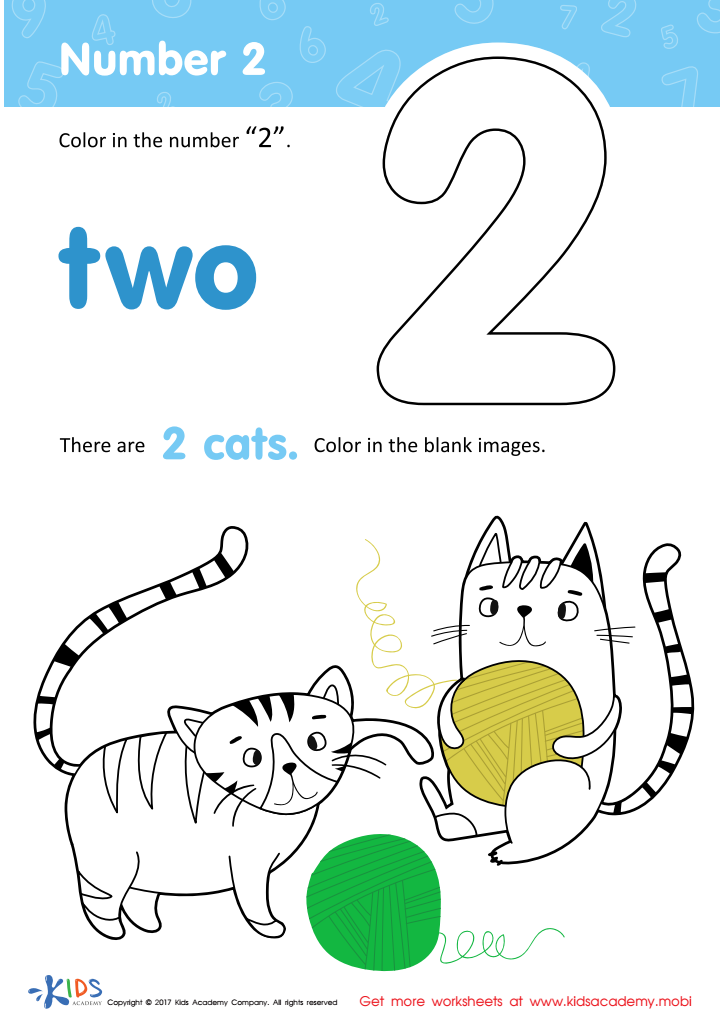
Number 2 Printable
 Assign to My Students
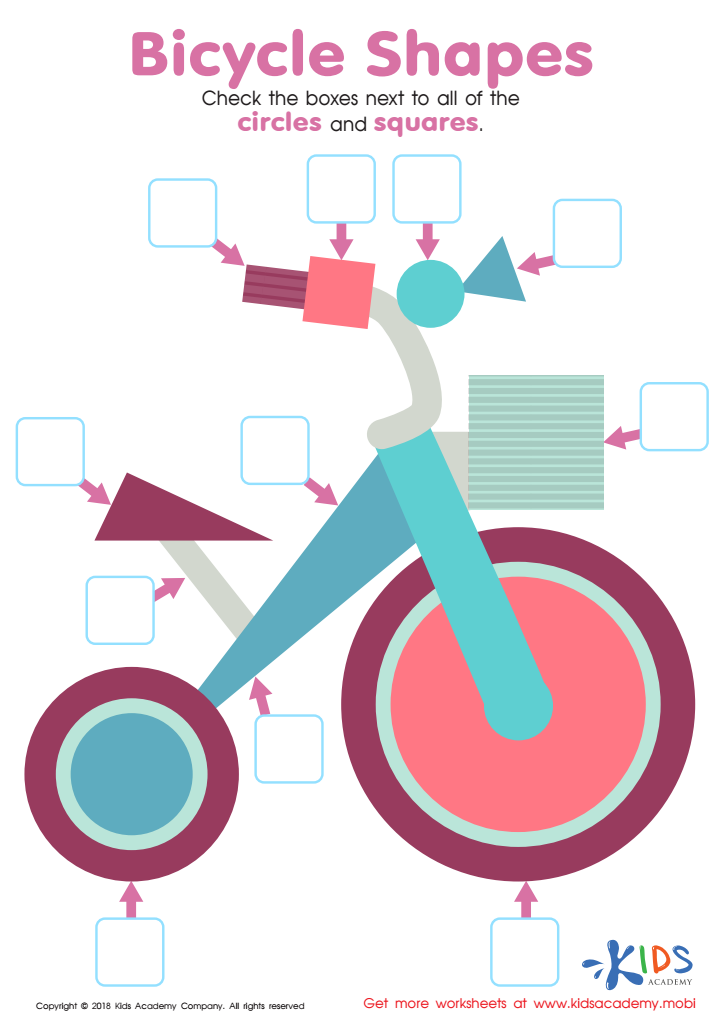
Bicycle Shapes Worksheet
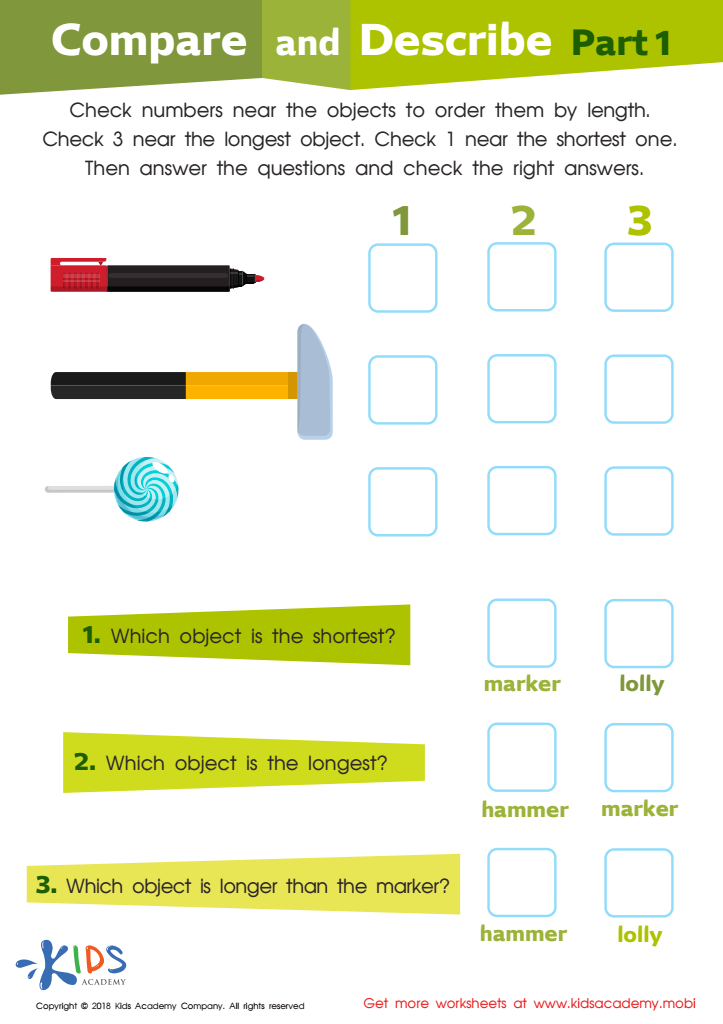
Compare and Describe: Part 1 Worksheet
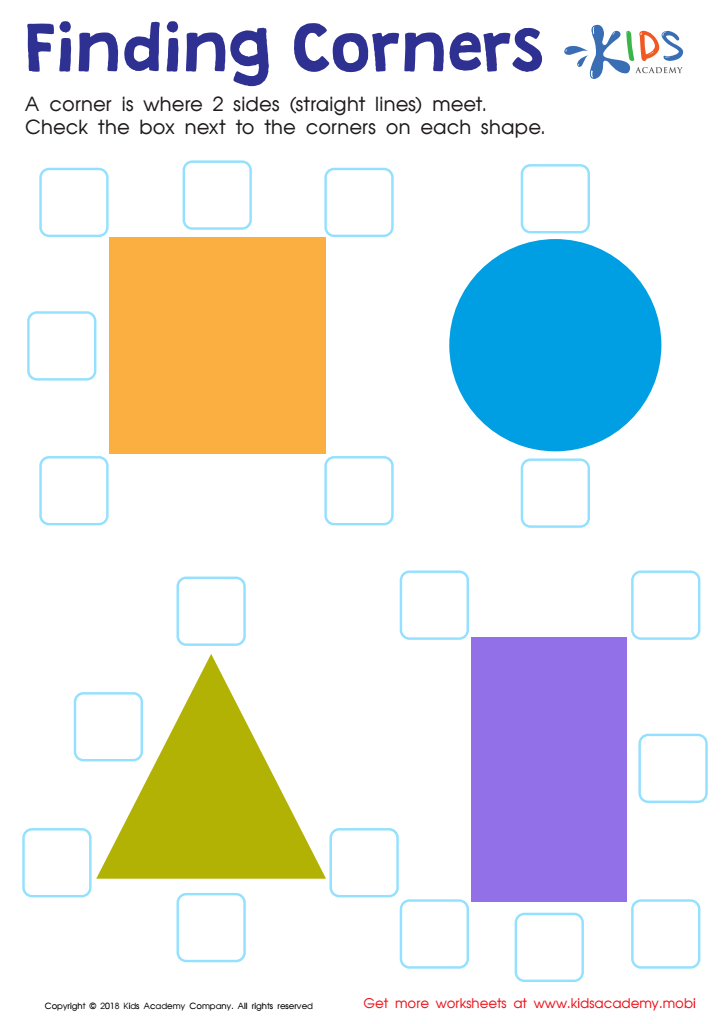
Finding Corners Worksheet
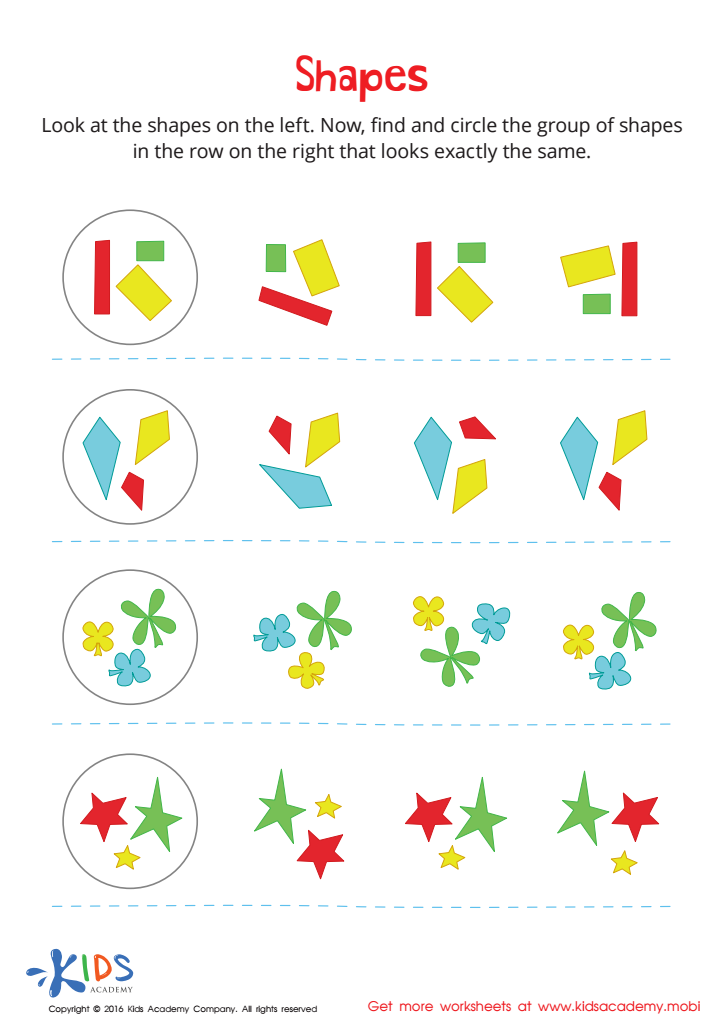
Shapes Worksheet



.jpg)



Shape identification is fundamental for young children aged 5-6, for several compelling reasons. This skill forms a crucial foundation for early math learning, becoming a gateway to more complex concepts like geometry and spatial awareness. When children learn to identify and differentiate shapes, they enhance their visual and cognitive abilities, sharpening their observational skills and promoting pattern recognition—a key aspect in both math and science.
Moreover, shape identification helps in developing motor skills. Tracing and crafting shapes require hand-eye coordination, which is vital for writing proficiency. Additionally, understanding shapes aids children in comprehending their environment. Everyday objects such as books, traffic signs, and toys all consist of various shapes, and recognizing these enables children to categorize and make more sense of the world around them.
Educators and parents should emphasize shape learning not just for its educational benefits but also for its role in fostering creativity and expression. Activities that involve cutting, drawing, and assembling shapes can be both educational and fun, encouraging a love for learning. By nurturing an early aptitude for shape identification, we set children on a path towards academic success and holistic development, equipping them with essential skills that extend beyond the classroom.








