
Visual comprehension Math Worksheets for Ages 5-6
7 filtered results
Difficulty Level
Grade
Age
-
From - To
Subject
Activity
Standards
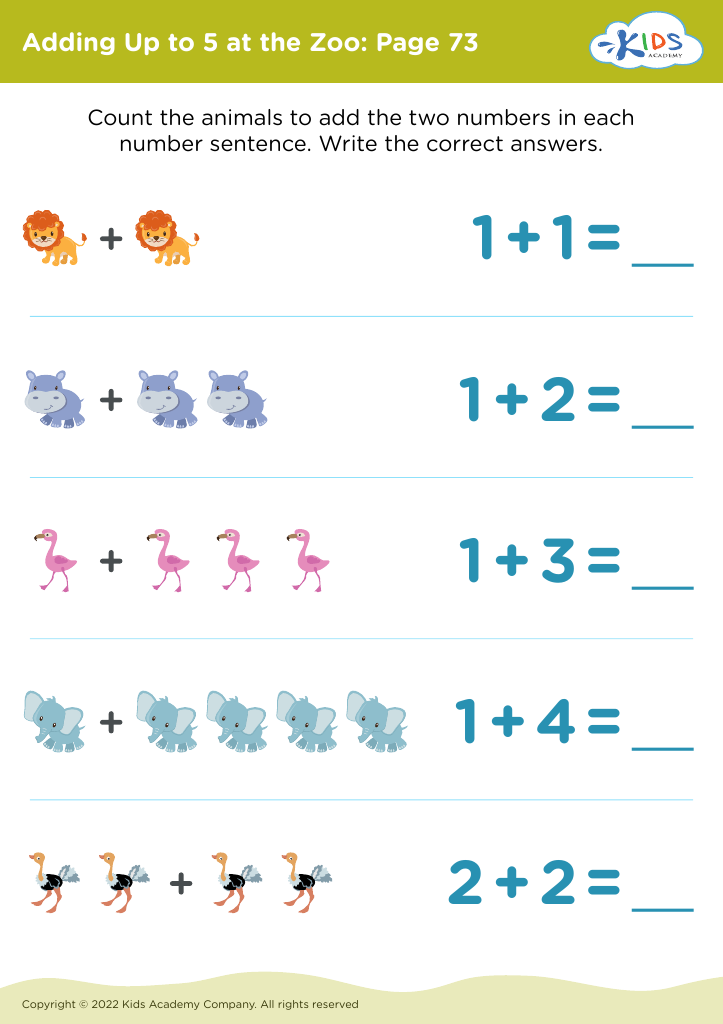
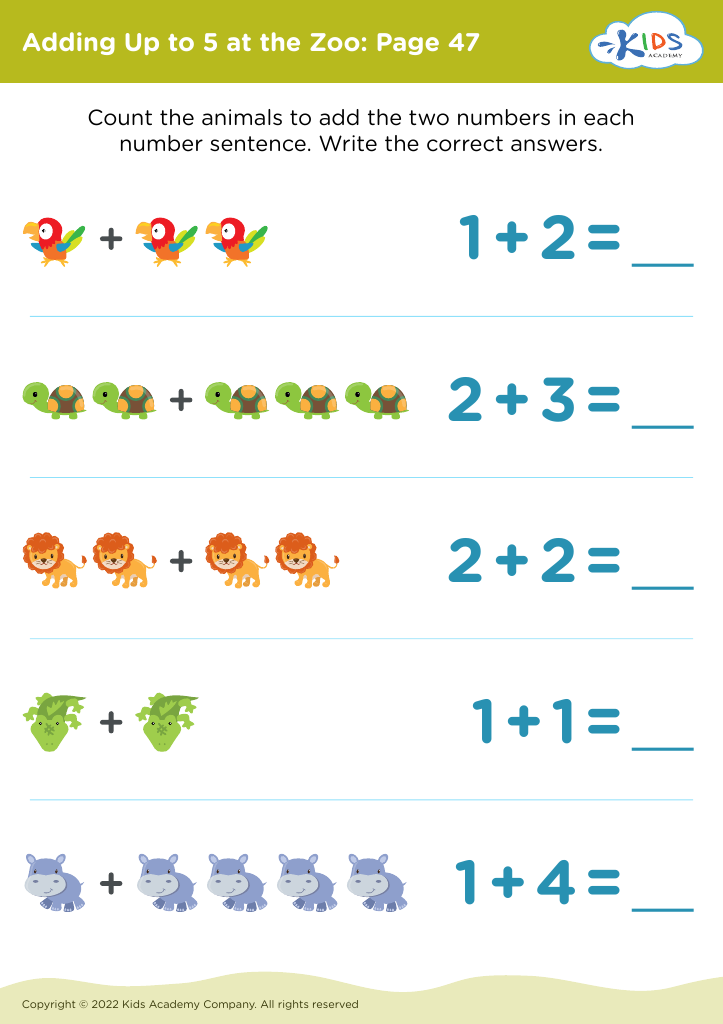
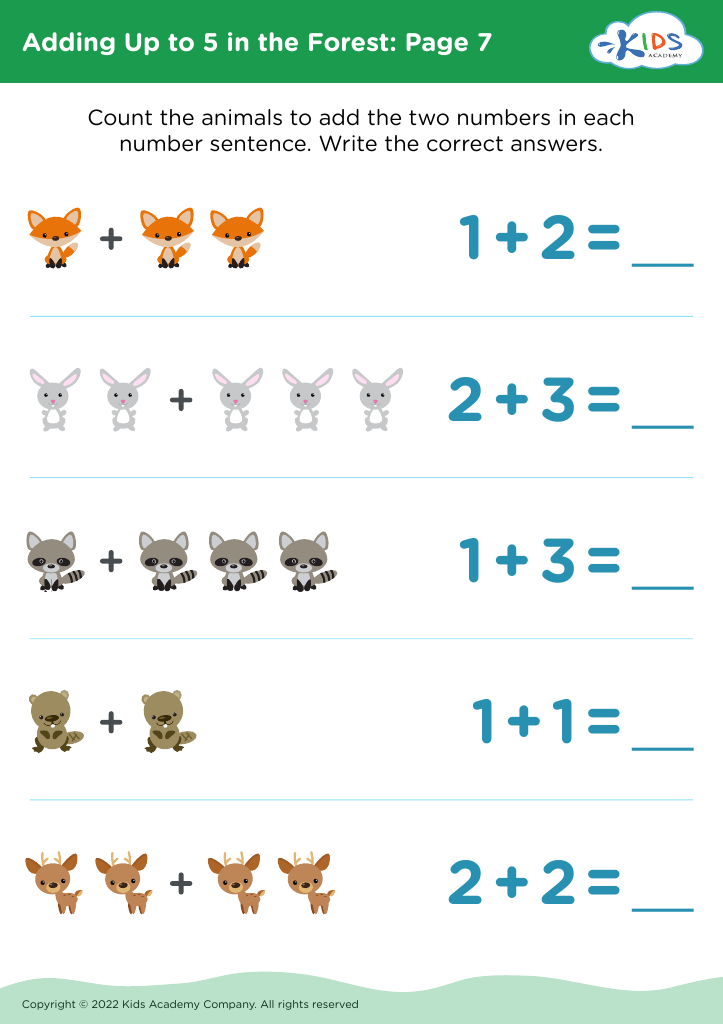
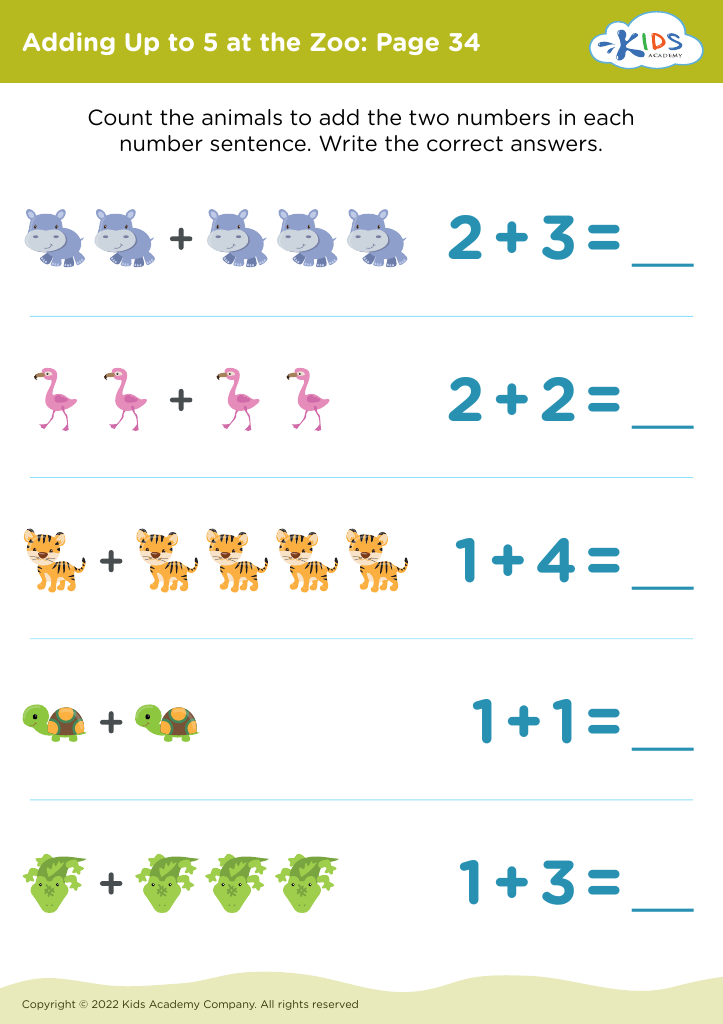
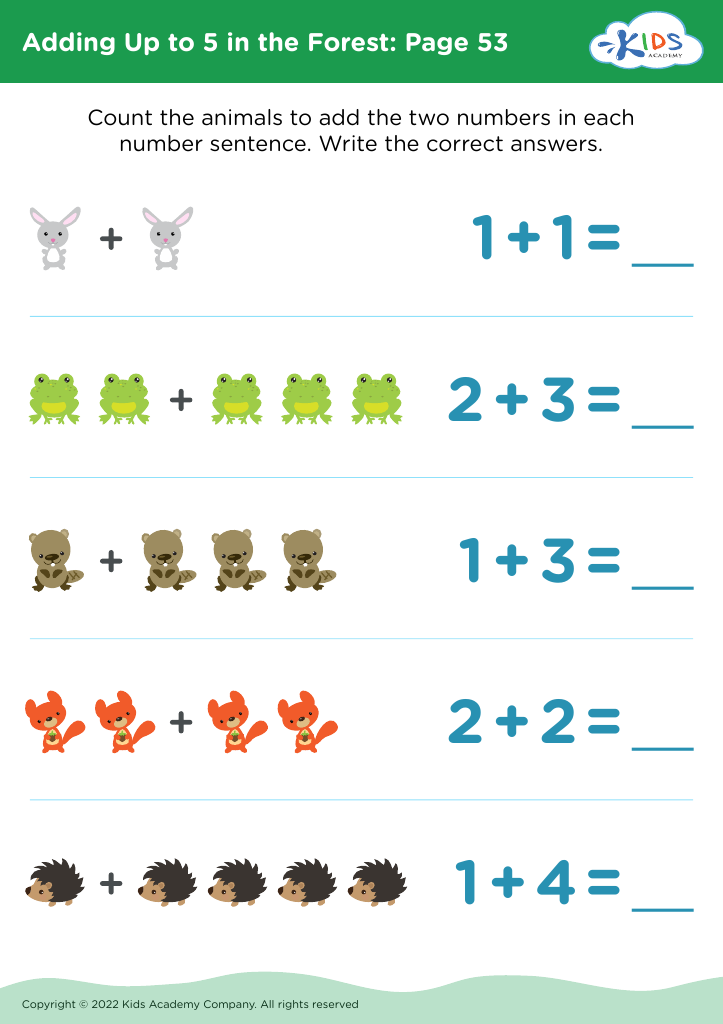
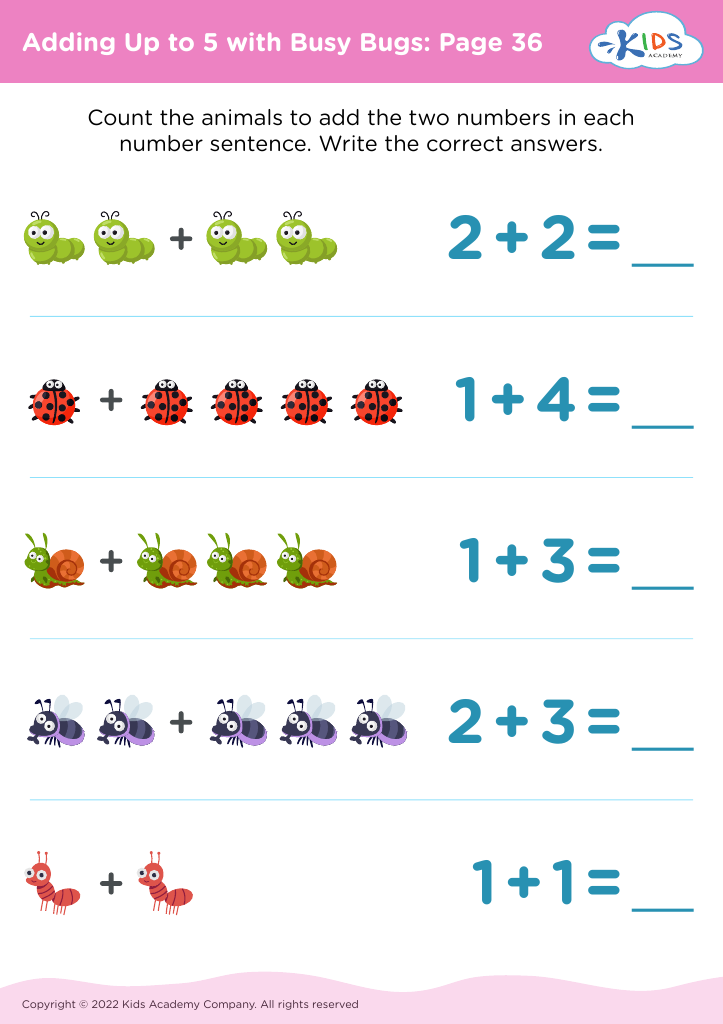
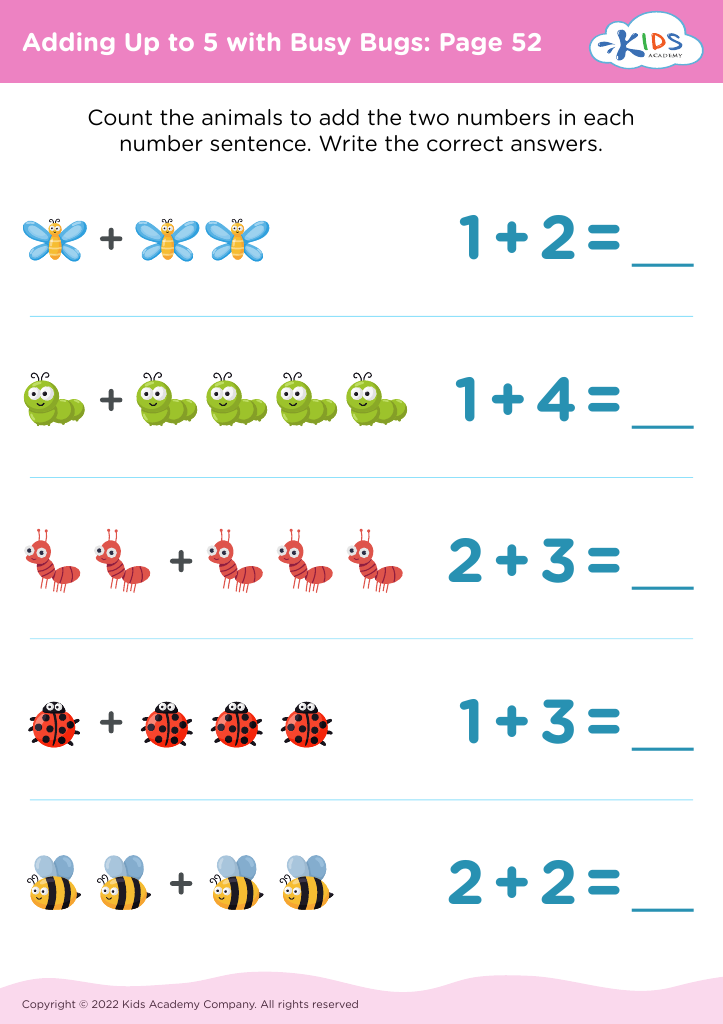
Enhance your child's mathematical understanding with our Visual Comprehension Math Worksheets designed specifically for ages 5-6. These engaging, colorful worksheets help young learners develop essential skills in recognizing patterns, interpreting visual data, and solving problems through visual representations. Our curated activities focus on making math fun while fostering critical thinking and reasoning abilities. Each worksheet is crafted to align with early education standards, ensuring a solid foundation for future learning. Explore our diverse collection and watch your child delight in discovering the world of mathematics through vibrant visuals and hands-on learning experiences! Start building essential skills today!
Favorites
With answer key
Interactive
Join Kids Academy for Free
Who is primarily going to use this learning content?








Visual comprehension in mathematics is crucial for children ages 5-6 because it lays the foundational skills necessary for future learning. At this developmental stage, children are naturally visual learners, absorbing information through images, patterns, and manipulatives. Focusing on visual comprehension helps them understand mathematical concepts such as numbers, shapes, and spatial relationships more effectively.
When parents and teachers nurture visual comprehension, they create a supportive learning environment where children can explore mathematical ideas hands-on. Using visual aids like blocks, drawings, and diagrams allows young learners to visualize problems and solutions, promoting engagement and reducing anxiety towards math.
Furthermore, building strong visual comprehension skills enhances critical thinking and problem-solving abilities. Children learn to interpret visual data not just in math, but in real-world contexts, preparing them for more complex concepts later on. Encouraging visualization also fosters a love for learning and instills confidence in their abilities.
In addition to improving mathematical understanding, these skills are essential for success in broader academic areas. For parents and teachers, prioritizing visual comprehension in math at an early age ultimately contributes to well-rounded, competent learners who can tackle challenges both inside and outside the classroom.








