
Visual interpretation Math Worksheets for Ages 5-6
3 filtered results
Difficulty Level
Grade
Age
-
From - To
Subject
Activity
Standards
Discover our engaging visual interpretation math worksheets specifically designed for children aged 5-6! These worksheets provide a fun and interactive way for young learners to grasp essential math concepts through visual representation. By using colorful images, shapes, and scenarios, kids will improve their ability to analyze, deduce, and solve mathematical problems. Our curated selection promotes critical thinking and helps enhance children's visual-spatial skills, making math both exciting and accessible. Perfect for parents and educators alike, these worksheets support early math education and lay a strong foundation for future learning. Start your child's math journey with visually stimulating resources that make learning enjoyable!
Favorites
With answer key
Interactive
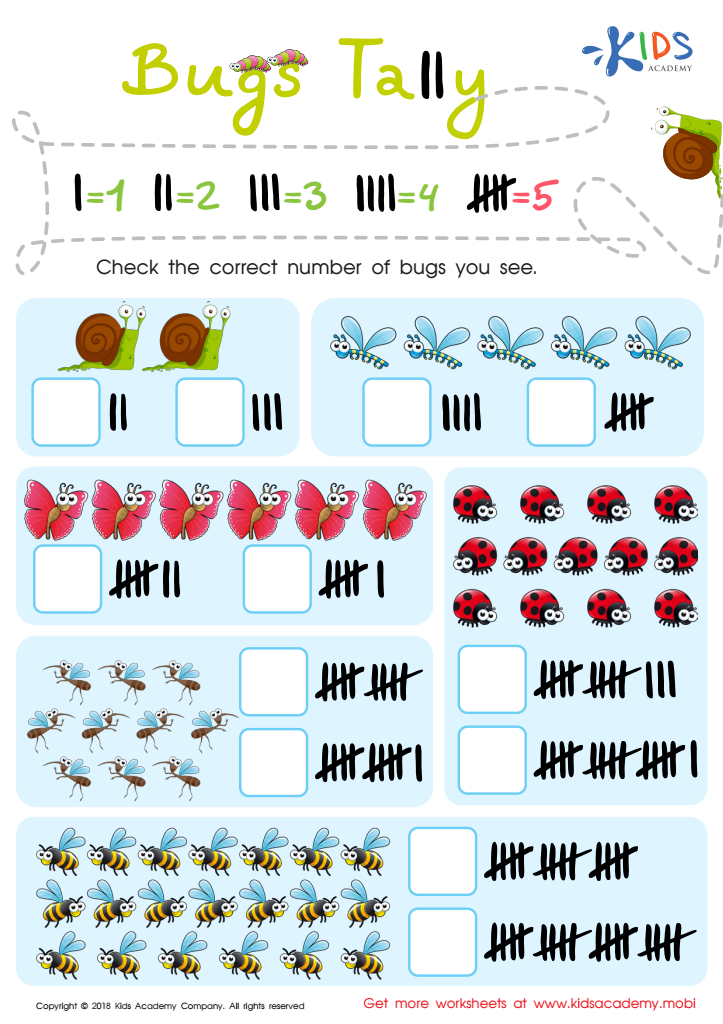
Bugs Tally Worksheet
This fun worksheet uses friendly bugs to help young mathematicians learn numbers and tally marks. They'll gain real-world skills to help with adding, subtracting and counting. Representations will solidify number reasoning, aiding with game playing and more.
 Assign to My Students
Bugs Tally Worksheet
Worksheet
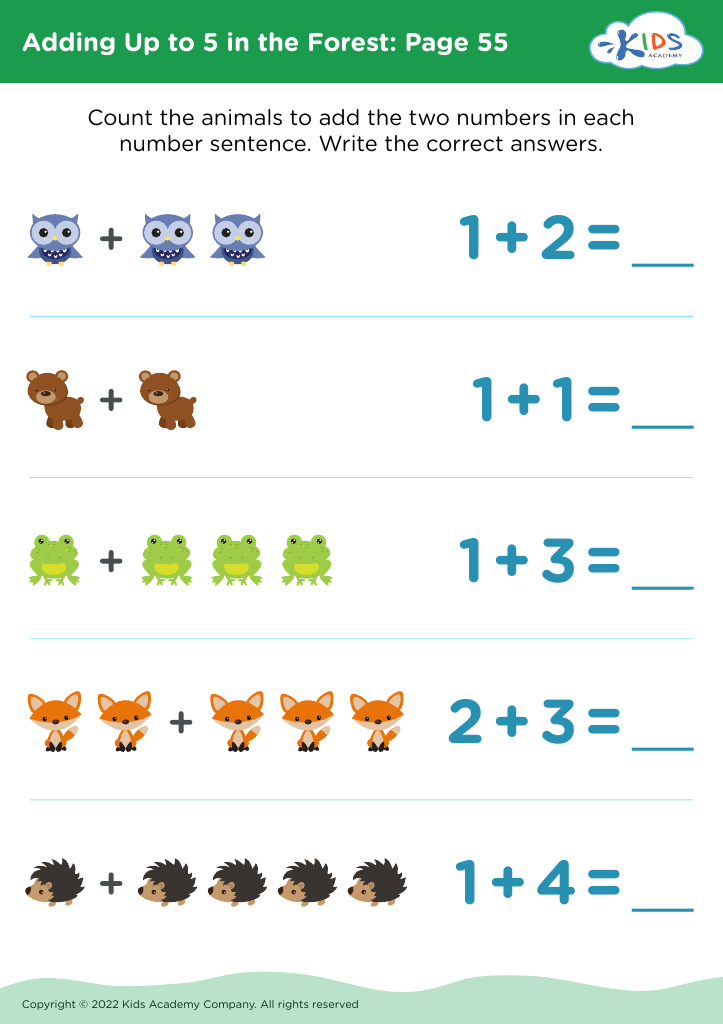
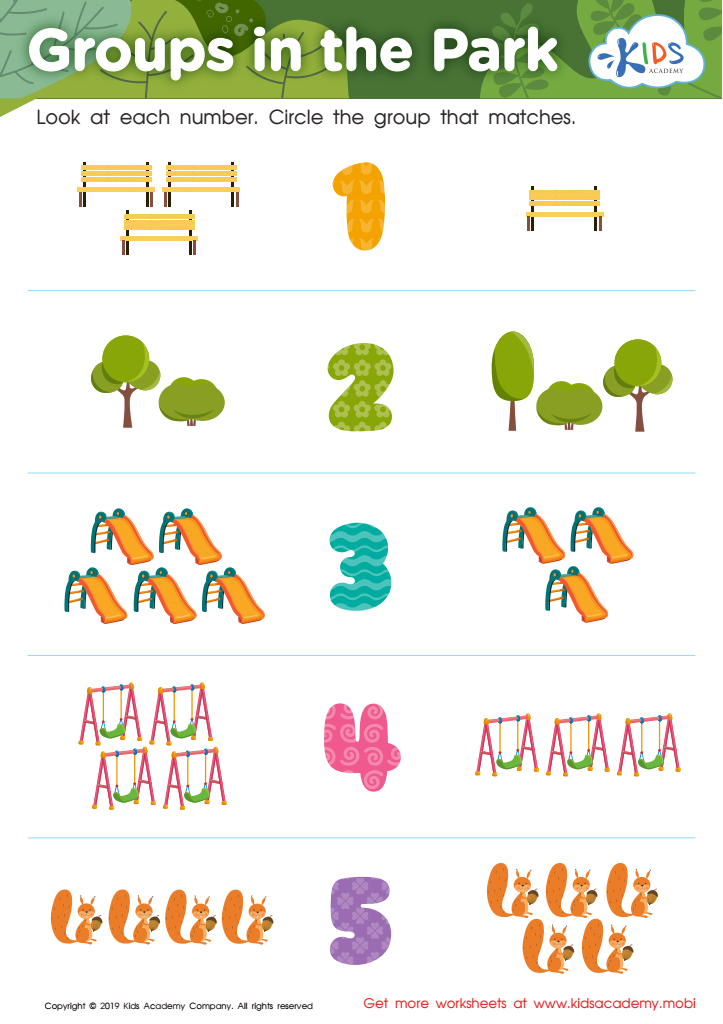
Groups in the Park Worksheet
Take your kids to the park and let them enjoy the freedom to play! Ask them what they love doing most and study a picture together - name items and count objects in the sets, then circle the correct one. It's a fun way for your kids to learn.
Groups in the Park Worksheet
Worksheet
Join Kids Academy for Free
Who is primarily going to use this learning content?





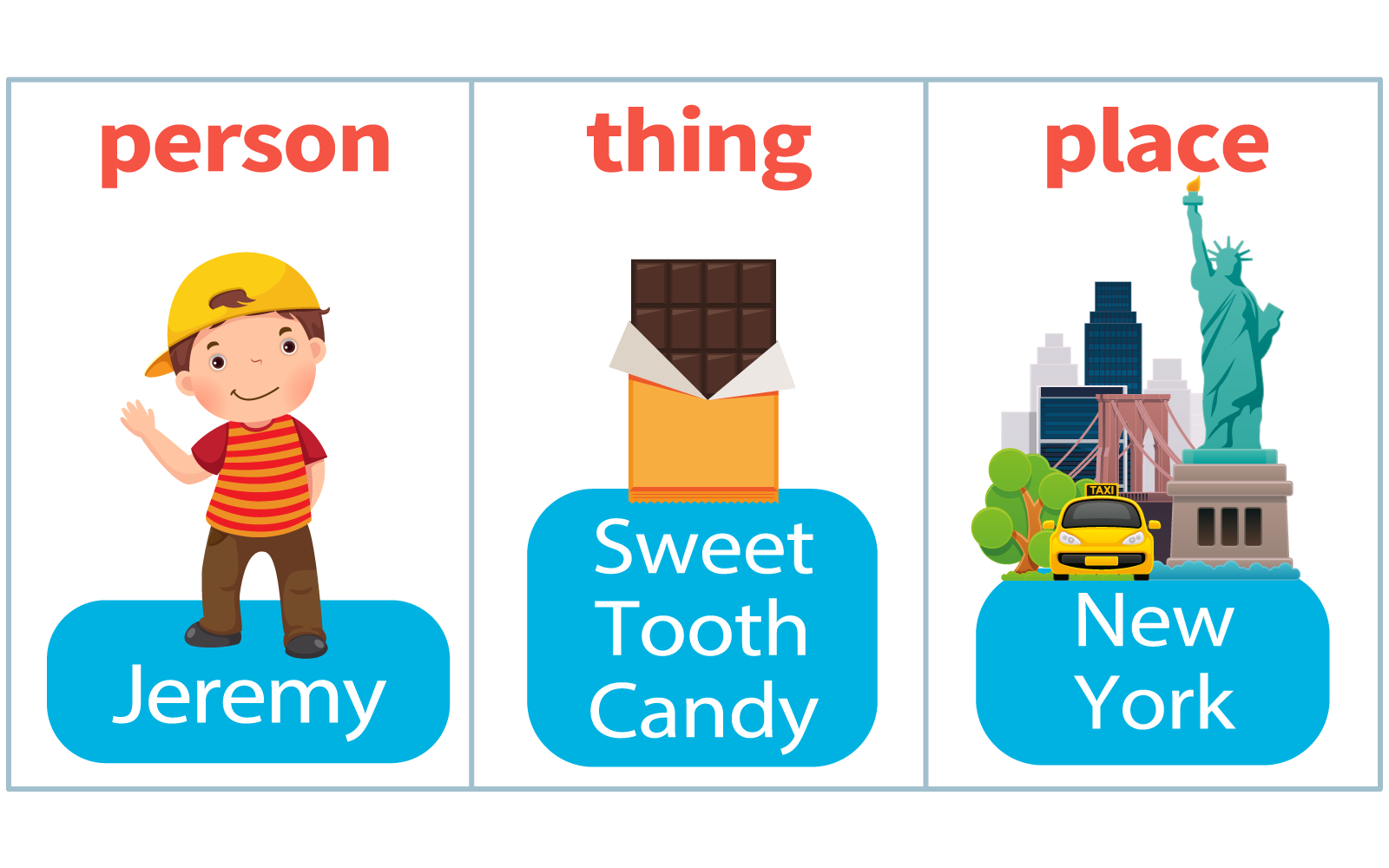
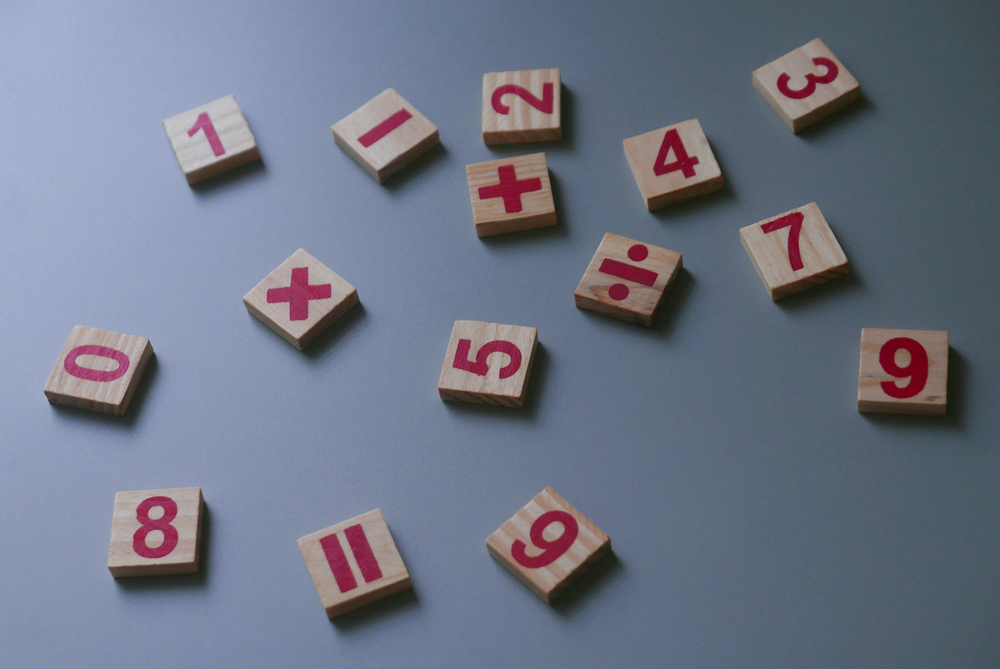

Visual interpretation in math is a crucial skill for children aged 5-6, as it lays the foundation for their future mathematical understanding. At this age, children are developing their cognitive skills, and visual interpretation helps them grasp abstract concepts through concrete imagery. When parents and teachers prioritize this approach, they enable young learners to visualize quantities, patterns, and relationships, transforming abstract symbols into something tangible and relatable.
Understanding math visually encourages critical thinking and problem-solving abilities. Children learn to use visual aids such as charts, blocks, and drawings, which can make math feel less intimidating and more engaging. This hands-on learning fosters a love for math, promoting a positive attitude towards the subject that can last a lifetime.
Moreover, visual interpretation caters to diverse learning styles. Some children naturally thrive when they see information laid out visually rather than through text alone. By focusing on this method, parents and teachers can ensure that all children are reached, paving the way for emotional and intellectual development.
Ultimately, supporting visual interpretation in math equips young learners with essential skills, helping them create confidence and proficiency in mathematics as they progress in their education.








