Vocabulary enhancement Math Worksheets for Ages 5-6 - Page 2
28 filtered results
-
From - To
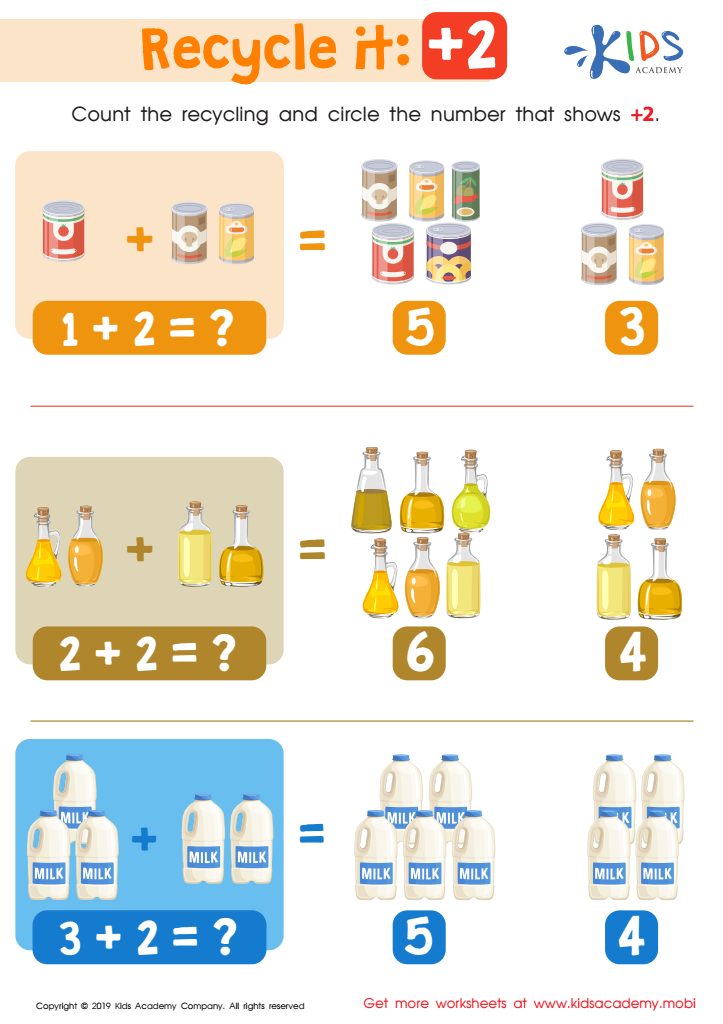
Recycle It: +2 Worksheet
 Assign to My Students
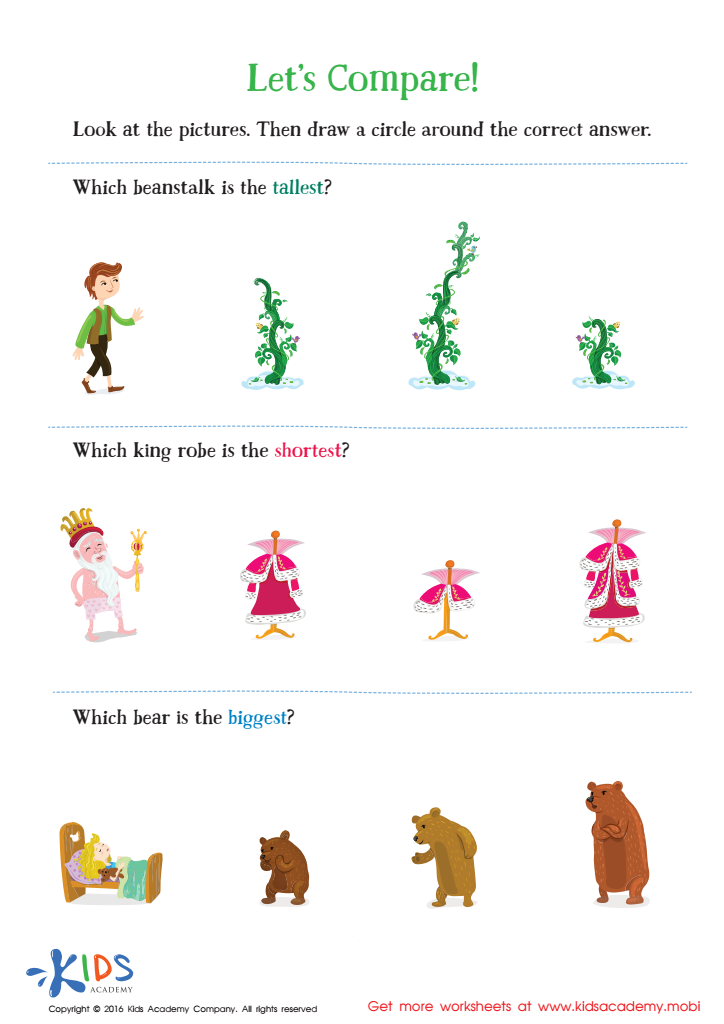
Fairy Tale Worksheet: Let's Compare
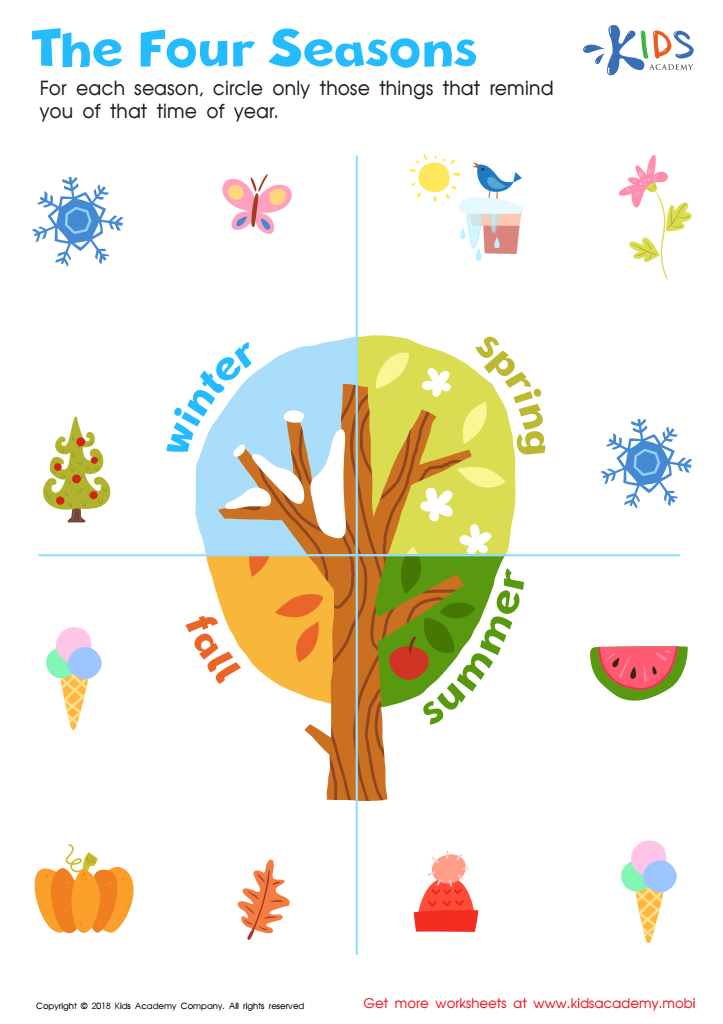
The Four Seasons Worksheet
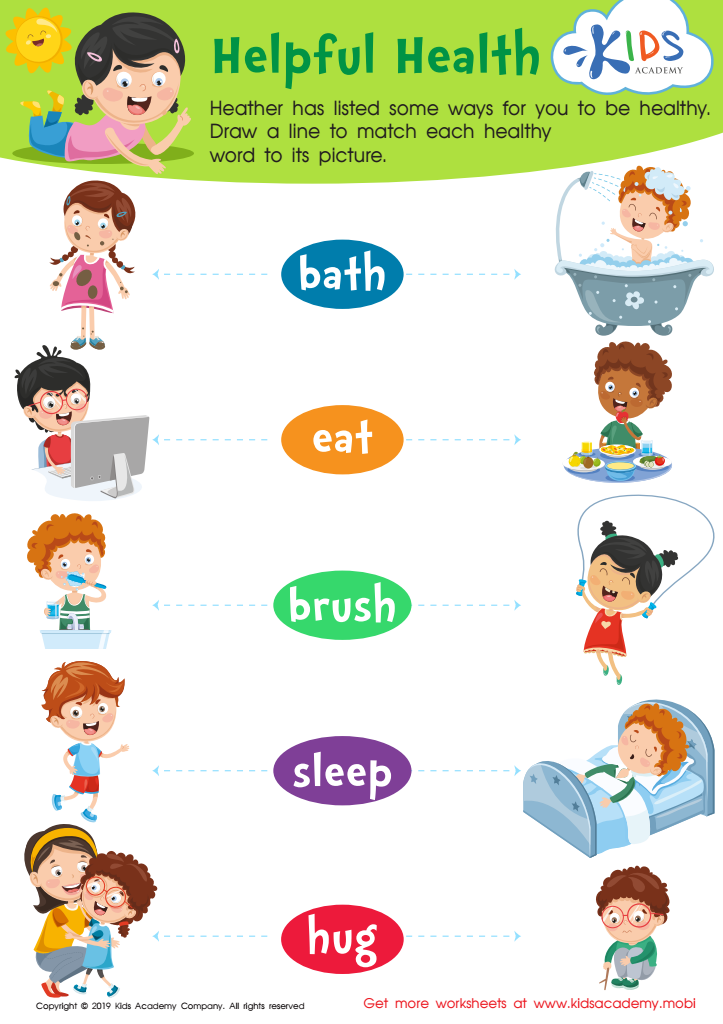
Helpful Health Worksheet







Vocabulary enhancement in math for ages 5-6 is critical for a child's overall development and academic success. At this age, children are forming foundational skills and cognitive connections that support their future learning. Introducing mathematical vocabulary early enhances their ability to understand and articulate mathematical concepts. When children know words like "addition," "subtract," "greater," "less," "number sequence," and "equal," they can more easily grasp basic math operations and relationships, which leads to a more profound understanding of math as they progress through school.
Moreover, vocabulary-building in math helps improve language and literacy skills simultaneously. Reading and talking about math terms engage children in critical thinking and problem-solving dialogues, promoting higher-level cognitive skills. Also, communicating mathematically helps children express their thought processes, ask clearer questions, and understand instructions better, making them more confident students in the classroom.
Parents and teachers play instrumental roles in encouraging this learning by creating enriching environments where math vocabulary is used in everyday situations. Whether through games, stories, or practical activities, using math-related words in context demystifies these terms and makes learning more intuitive. Early and consistent exposure to math vocabulary ensures children embrace math as a natural, accessible part of their world rather than a challenging, external subject.








