Addition Practice Building Vocabulary Worksheets for Ages 5-6
5 filtered results
-
From - To
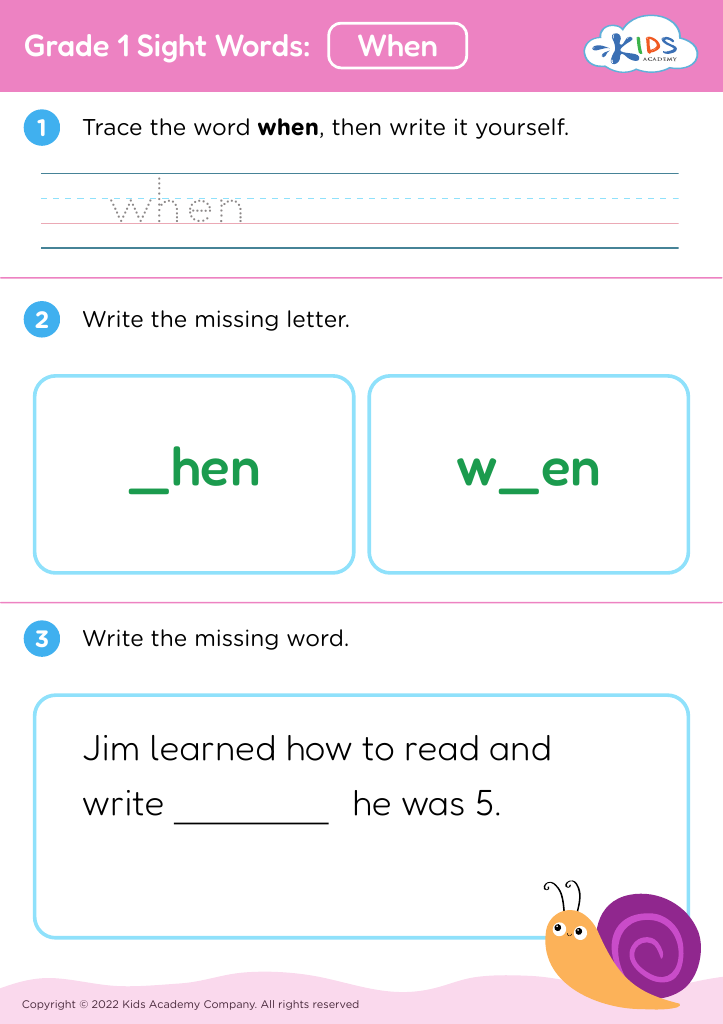
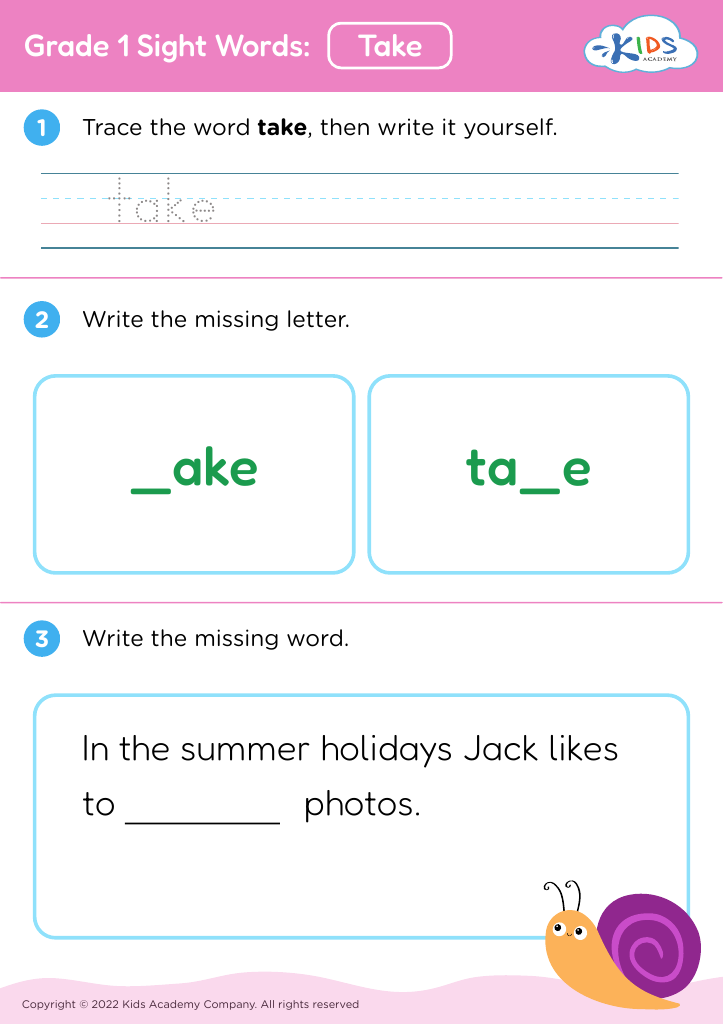
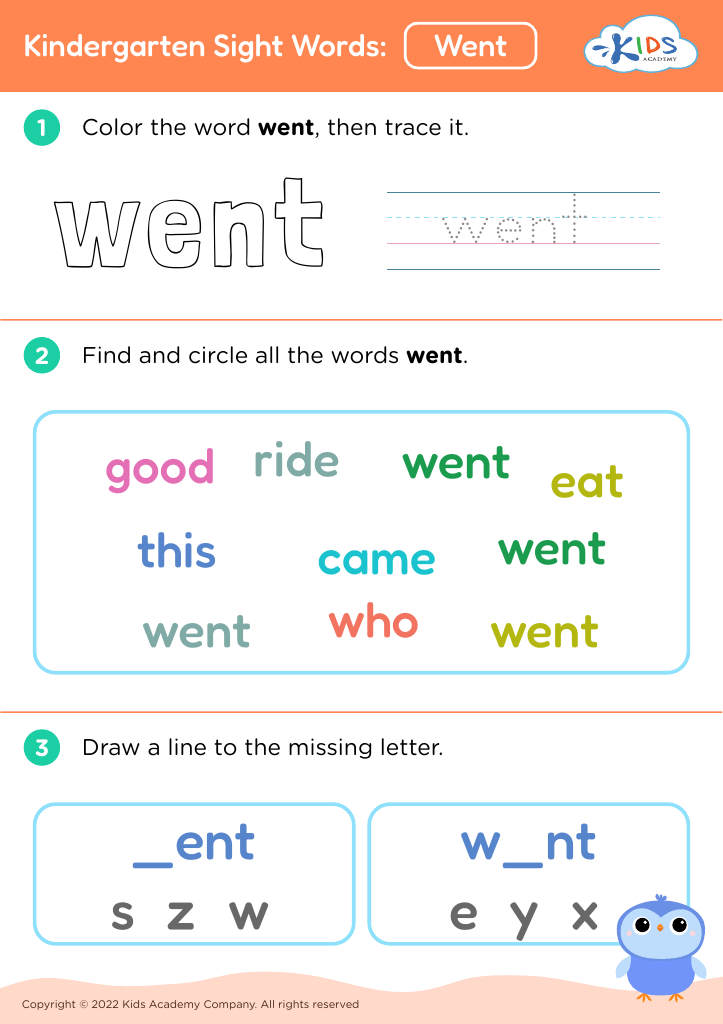
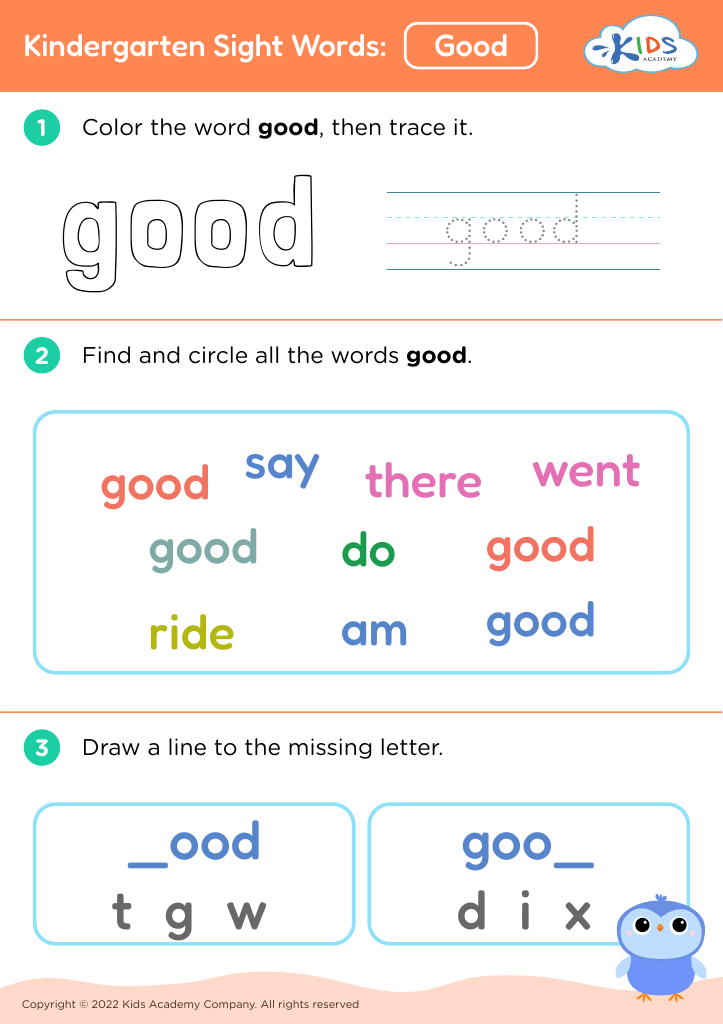
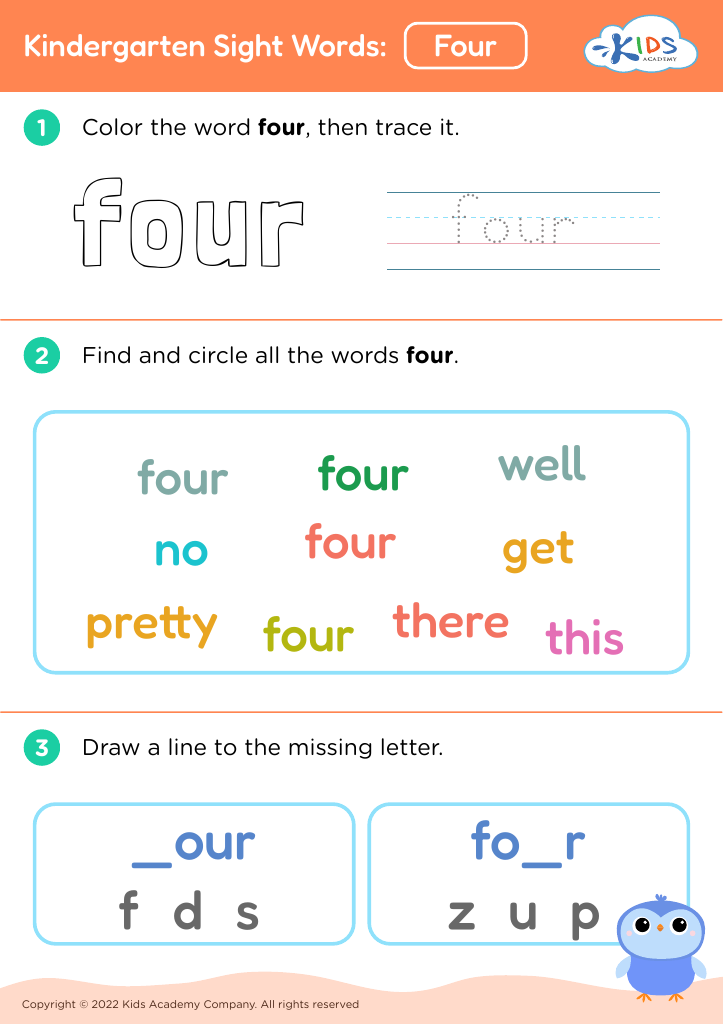
Enhance your child's learning journey with our "Addition Practice Building Vocabulary Worksheets" designed specifically for ages 5-6. These engaging worksheets combine fun addition exercises with essential vocabulary-building activities, promoting cognitive development and math fluency. Children will explore basic arithmetic through colorful illustrations and interactive problems, making learning both effective and enjoyable. Our thoughtfully crafted activities help kids connect words with numbers, reinforcing their understanding and expanding their vocabulary. Perfect for teachers and parents alike, these worksheets are an essential resource for encouraging foundational math skills while nurturing language growth. Equip your little learners with the tools they need for a bright academic future!
















.jpg)


Parents and teachers play a vital role in shaping young learners' educational experiences, especially when it comes to foundational skills like addition and vocabulary development for ages 5-6. Understanding addition lays the groundwork for mathematical literacy, which is essential for future learning in mathematics and everyday problem-solving. When children engage in addition practice, they bolster not only their number sense but also develop critical thinking skills and cognitive abilities.
Building vocabulary is equally important, as it enhances reading comprehension and effective communication. By incorporating math-related terminology into addition practice, educators and parents can reinforce both language skills and mathematical concepts. For instance, words like "sum," "add," and "total" can be woven into practice activities, helping children connect language with math.
Moreover, this combined approach fosters a rich learning environment where children can thrive. Engaging activities can make addition more enjoyable and relatable, capturing the interest of young learners and ensuring they are excited about numbers and language alike. Ultimately, fostering both addition skills and vocabulary growth sets the stage for lifelong learning, preparing children for academic success and enriching their understanding of the world around them. Investing in these areas is vital for holistic development during these formative years.








