
Mathematical reasoning Building Vocabulary Worksheets for Ages 5-6
5 filtered results
Difficulty Level
Grade
Age
-
From - To
Subject
Activity
Standards
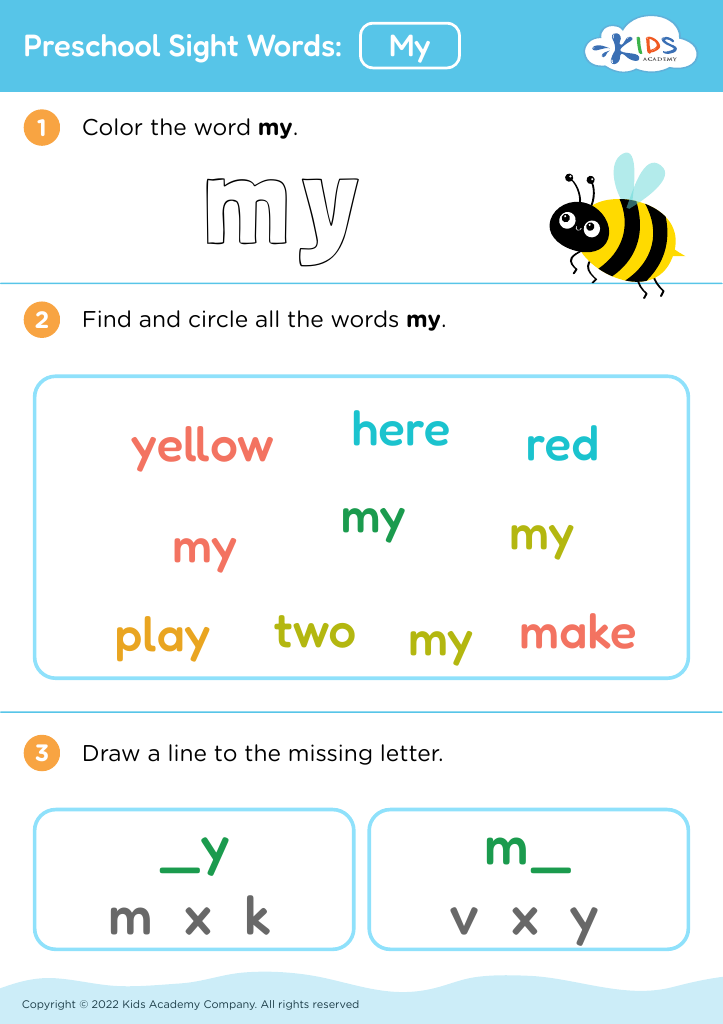
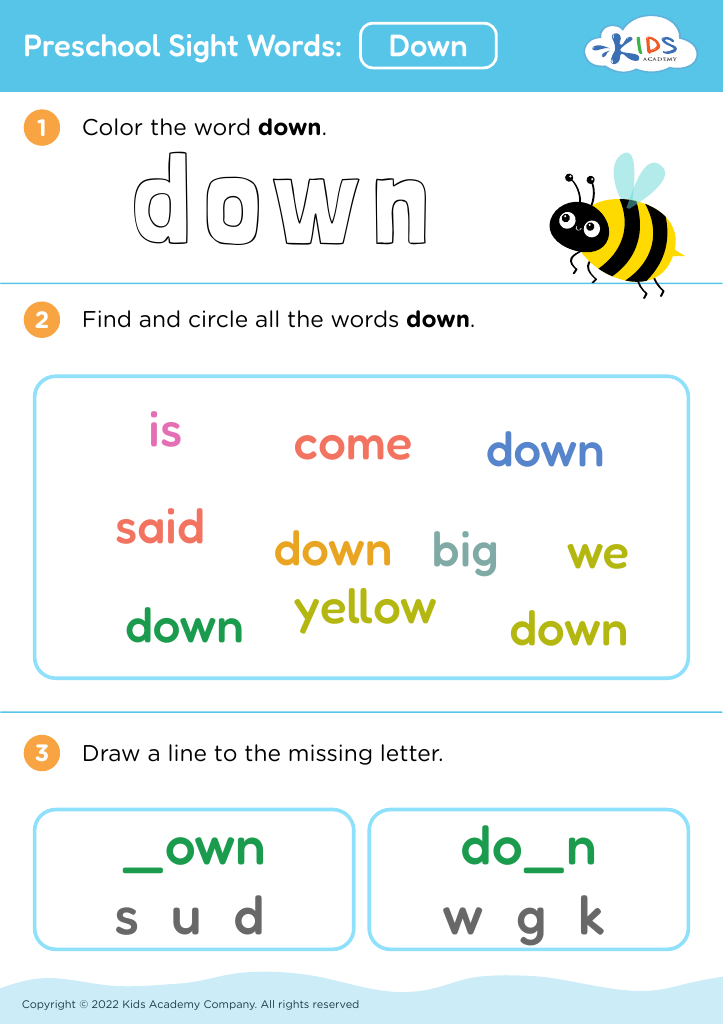
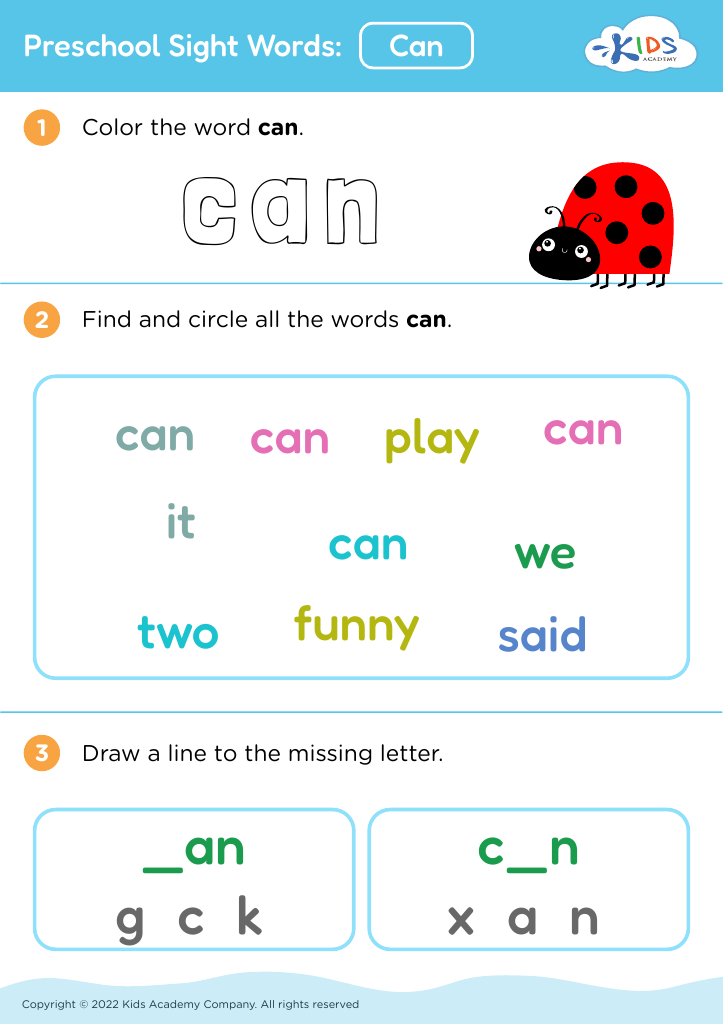
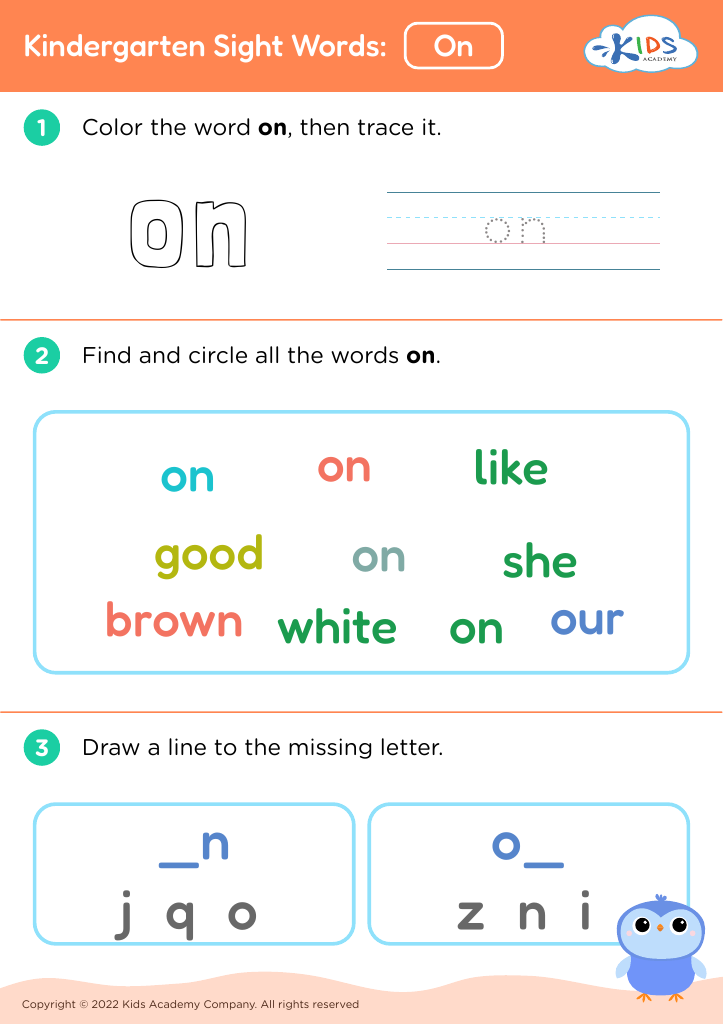
Explore our engaging "Mathematical Reasoning Building Vocabulary Worksheets" designed for children aged 5-6. These thoughtfully crafted worksheets aim to enhance young learners' critical thinking and vocabulary skills while introducing foundational mathematical concepts. With a variety of activities, children will connect words to their mathematical meanings, improving both comprehension and problem-solving abilities. Our resources are perfect for parents and educators looking to enrich their students' learning experience. Suitable for use at home or in the classroom, these worksheets foster a fun and interactive approach to learning math vocabulary, making it an essential addition to early education. Start building your child's confidence in math today!
Favorites
With answer key
Interactive











Join Kids Academy for Free
Who is primarily going to use this learning content?






.jpg)
Mathematical reasoning and building vocabulary are essential for children ages 5-6, as they form the foundation for future learning. At this developmental stage, children are naturally curious and eager to explore concepts of numbers, shapes, patterns, and relationships. Fostering mathematical reasoning helps them develop problem-solving skills, critical thinking, and the ability to make connections between ideas. When children understand how to reason mathematically, they gain confidence in their abilities, equipping them for more complex mathematical concepts later on.
Building vocabulary in mathematics is equally important. Specific terminology—like "sum," "difference," "greater than," and "shape"—enables children to articulate their thinking and understand instructions. A robust mathematical vocabulary helps young learners explain their thought processes, facilitating a deeper comprehension of the concepts. When parents and teachers prioritize both reasoning and vocabulary, they support children's overall cognitive development.
Encouraging discussions around math-related topics nurtures an engaging learning environment and allows children to express their thoughts. Ultimately, focusing on mathematical reasoning and vocabulary lays a solid groundwork for academic success, helping young learners become confident, capable, and enthusiastic about mathematics throughout their educational journey and beyond.








