Recognizing Patterns Building Vocabulary Worksheets for Ages 5-6
3 filtered results
-
From - To
Discover the joy of learning with our "Recognizing Patterns Building Vocabulary Worksheets" designed for young learners aged 5-6. These engaging printables enhance early reading skills by introducing children to word patterns, fostering vocabulary growth, and boosting comprehension. Through enjoyable activities, kids can identify and create patterns while developing crucial language skills. Our worksheets are easy to use at home or in the classroom, making learning fun and interactive. Encourage your child's curiosity and boost their confidence in reading as they explore the exciting world of words! Perfect for parents and teachers seeking quality resources to support early literacy development.
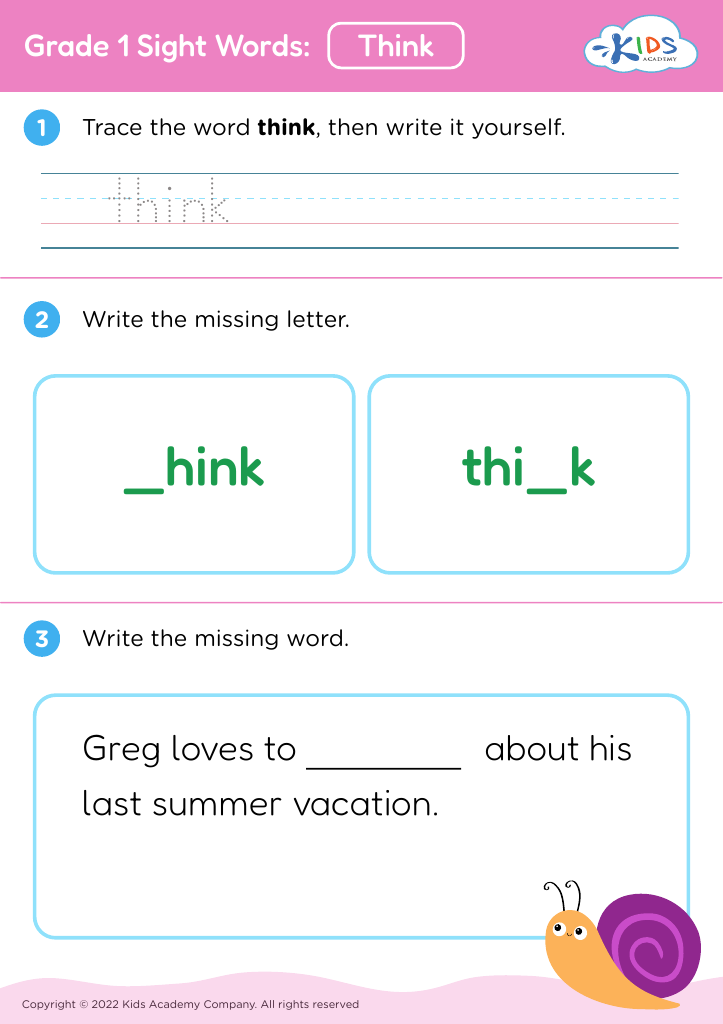











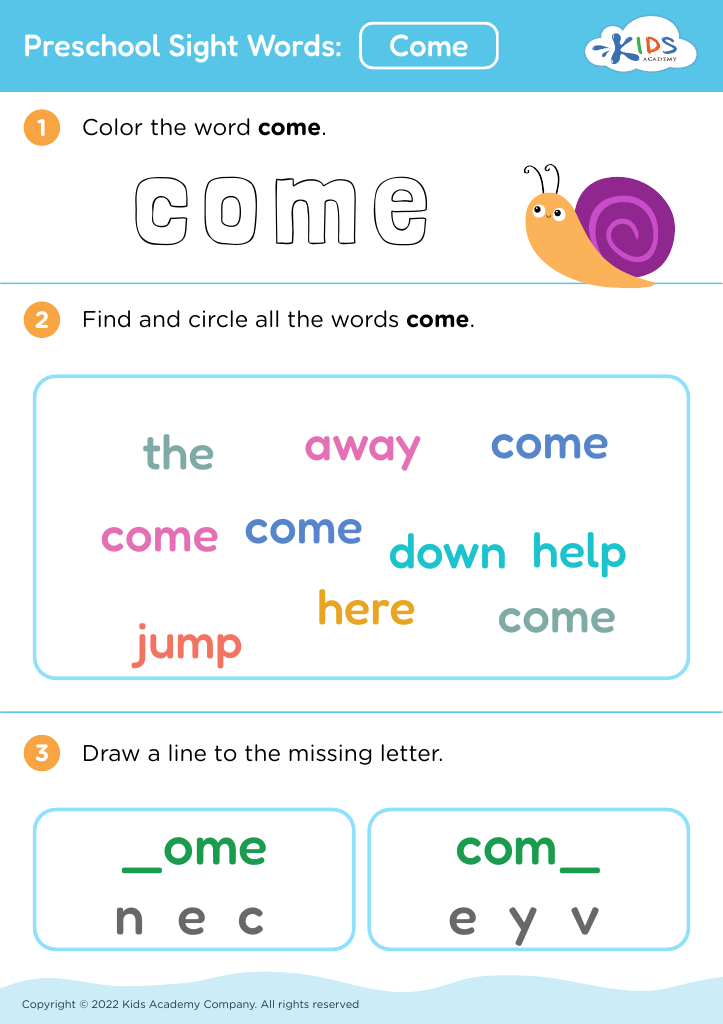
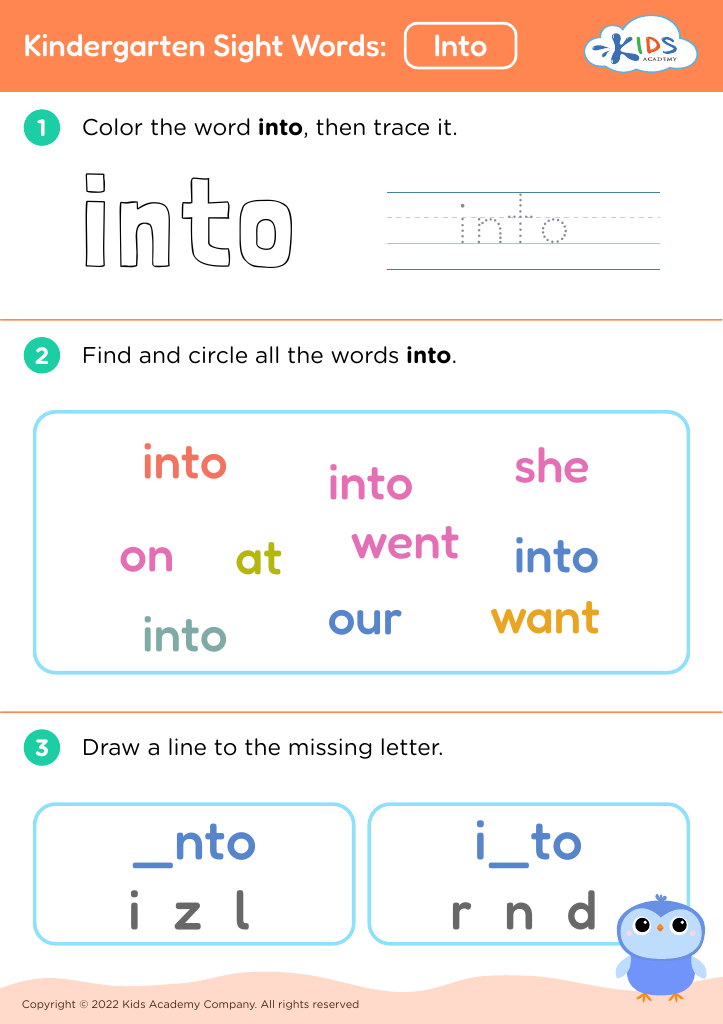








Recognizing patterns and building vocabulary are crucial learning components for children aged 5-6, impacting their overall cognitive and language development. At this age, children are naturally curious, and engaging them in pattern recognition helps enhance their critical thinking and problem-solving skills. They will learn to identify relationships and predict sequences, which establishes a foundational understanding for mathematics and scientific reasoning later on.
Building vocabulary is equally important. A rich vocabulary improves communication and comprehension, enabling children to express their thoughts more clearly. It aids in literacy development, setting the stage for effective reading and writing skills. As children learn new words, they also become more adept at grasping the nuances of language, which is essential for their social interactions and emotional expression.
For both parents and teachers, fostering these skills creates a fun and encouraging environment for learning. Interactive activities such as games, songs, and storytelling can enhance children’s enthusiasm for learning while developing essential skills. By focusing on these areas, adults can support their children's educational growth and emotional intelligence, laying a solid foundation for future academic success and lifelong learning.








