Simplifying Fractions Building Vocabulary Worksheets for Ages 5-6
4 filtered results
-
From - To
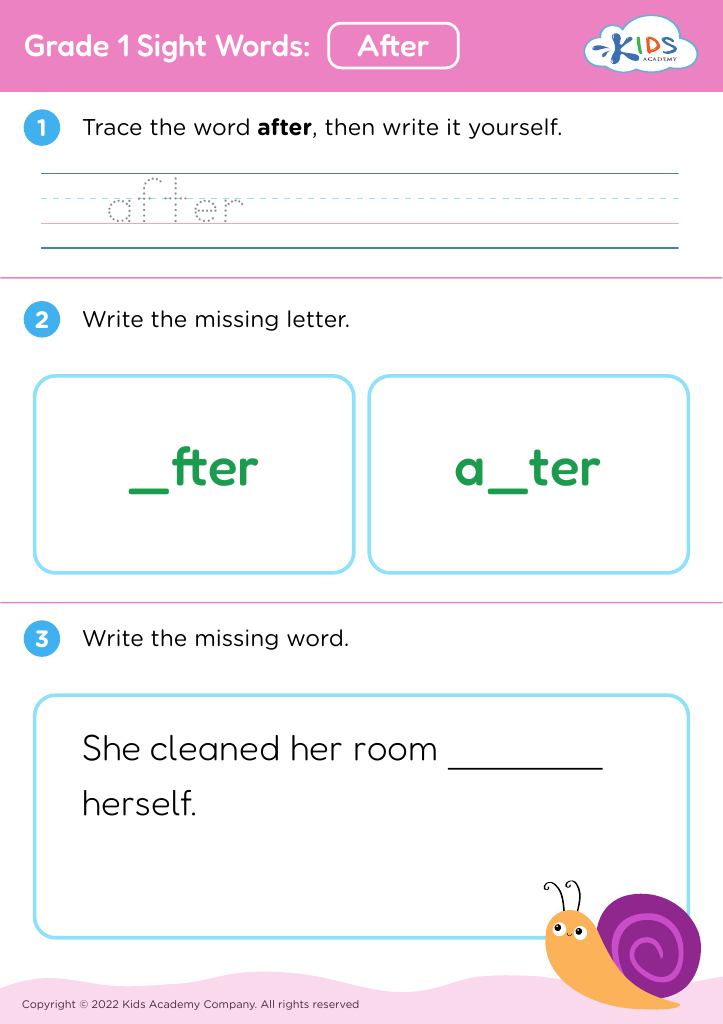
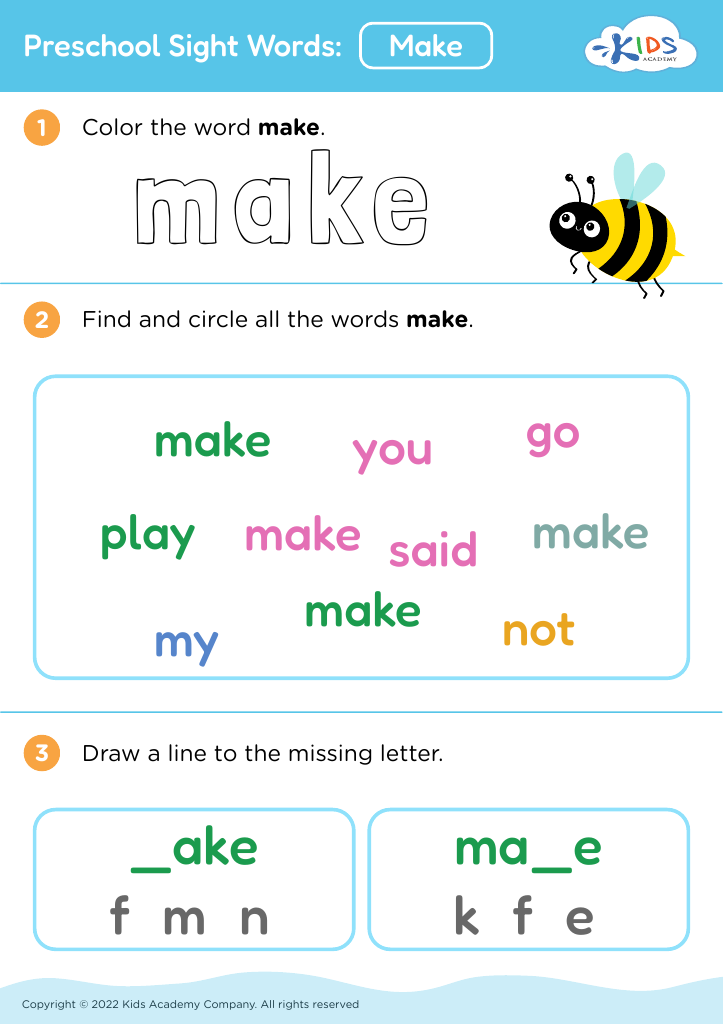
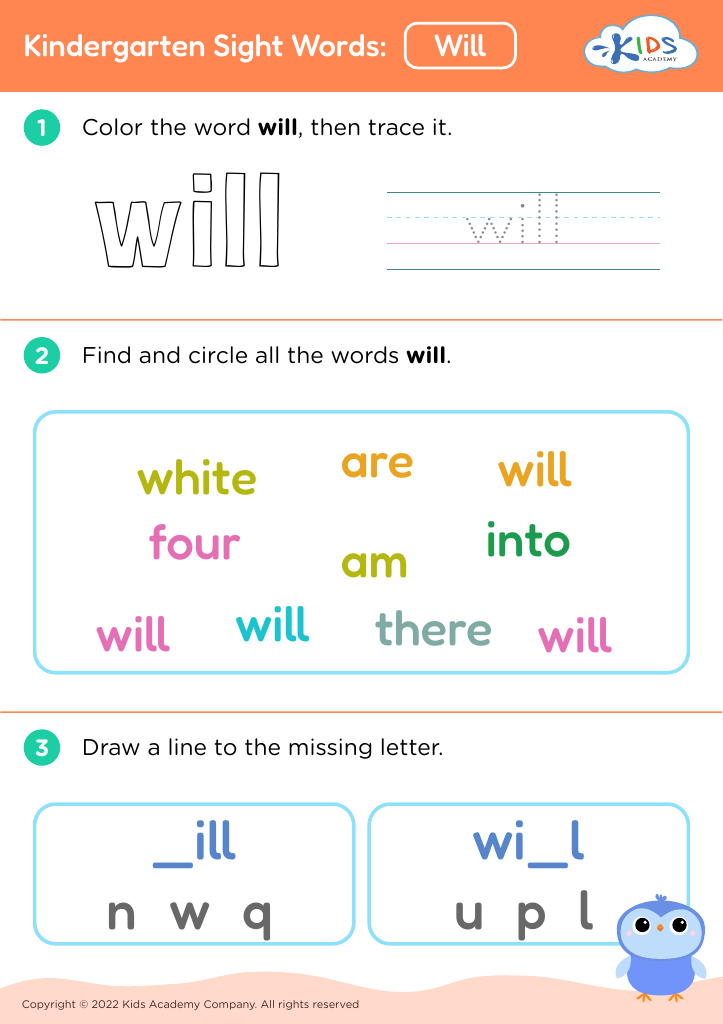
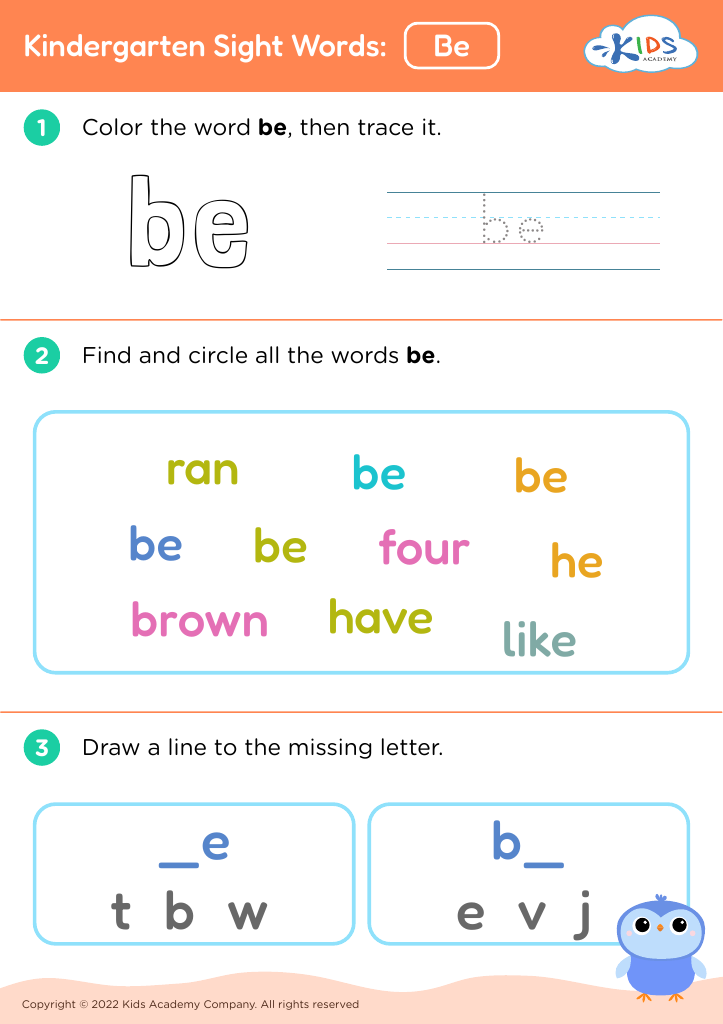
Discover the perfect resource to help young learners develop essential math skills with our "Simplifying Fractions Building Vocabulary Worksheets for Ages 5-6." These printable worksheets are designed to introduce your child to the basics of fractions in a simplified, engaging manner. Each activity focuses on building a strong vocabulary foundation while making learning fun and interactive. Ideal for children ages 5-6, these worksheets have been crafted to enhance understanding and encourage independent thinking. Help your child achieve math proficiency with these easy-to-follow exercises, ensuring a successful start to their mathematical journey.















.jpg)


Simplifying fractions and building a strong vocabulary may seem advanced for 5-6-year-olds, but laying a strong foundation at this age can have profound long-term benefits. Young children are naturally curious and capable of absorbing new concepts more readily. Simplifying fractions at this age can introduce basic mathematical principles in a fun and engaging way. Activities like splitting a pizza or sharing toys help children understand whole parts and fractional parts, which are essential for their future math skills.
Building vocabulary at the same time is equally vital. A robust vocabulary helps kids understand and articulate their math-related thoughts and questions clearly. Simplified terms and consistent exposure to math vocabulary enable children to grasp complex concepts more easily as they progress in their education. It also enhances their overall cognitive development and language skills.
Furthermore, integrating these learning experiences can increase their confidence and interest in math and language from an early age. Parents and teachers who focus on these areas provide children with tools for problem-solving, critical thinking, and effective communication, setting the stage for academic success. Therefore, making math and vocabulary fun and accessible for young children is crucial for fostering a lifelong love of learning.








