Color recognition Reading Worksheets for Ages 5-6 - Page 2
28 filtered results
-
From - To
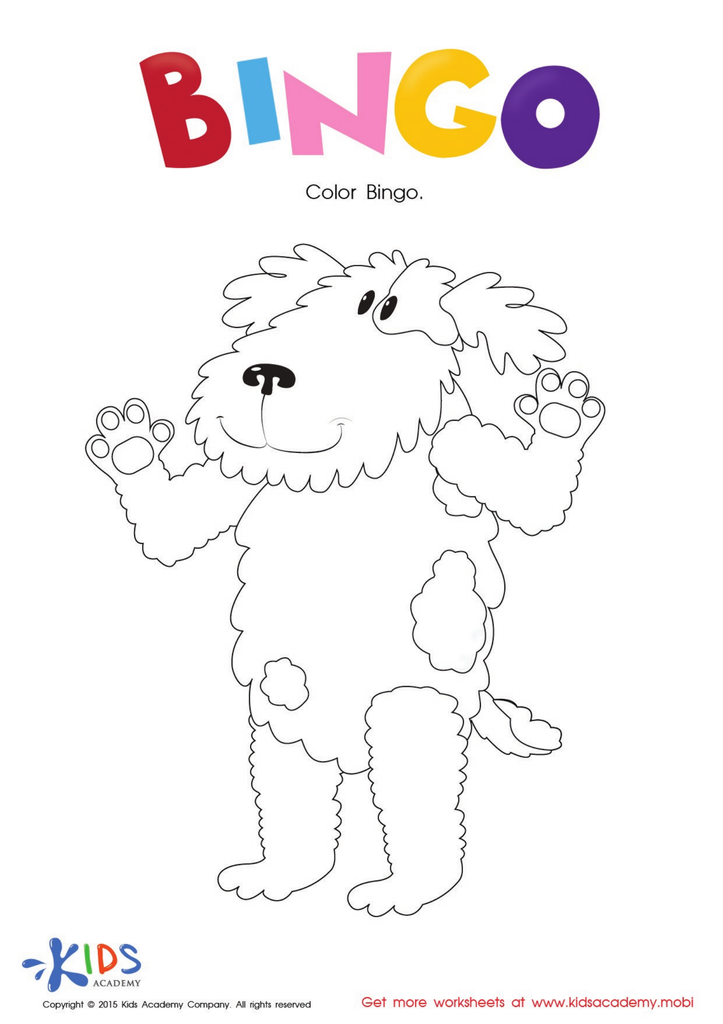
The Bingo Song: Coloring The Dog Worksheet
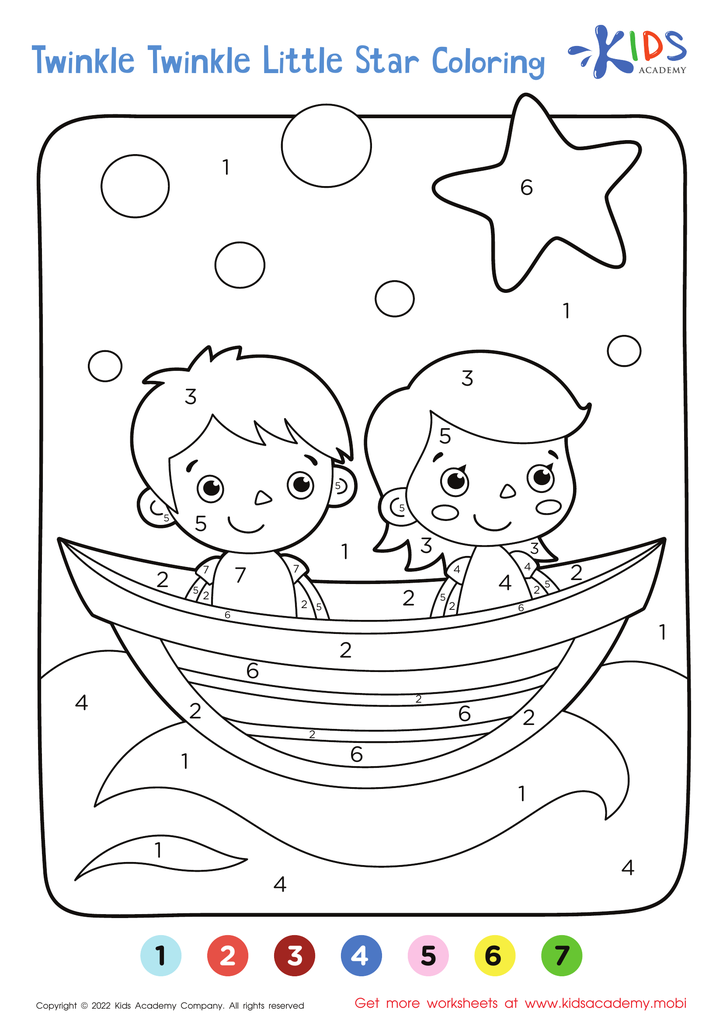
Twinkle, Twinkle, Little Star – Coloring by Numbers
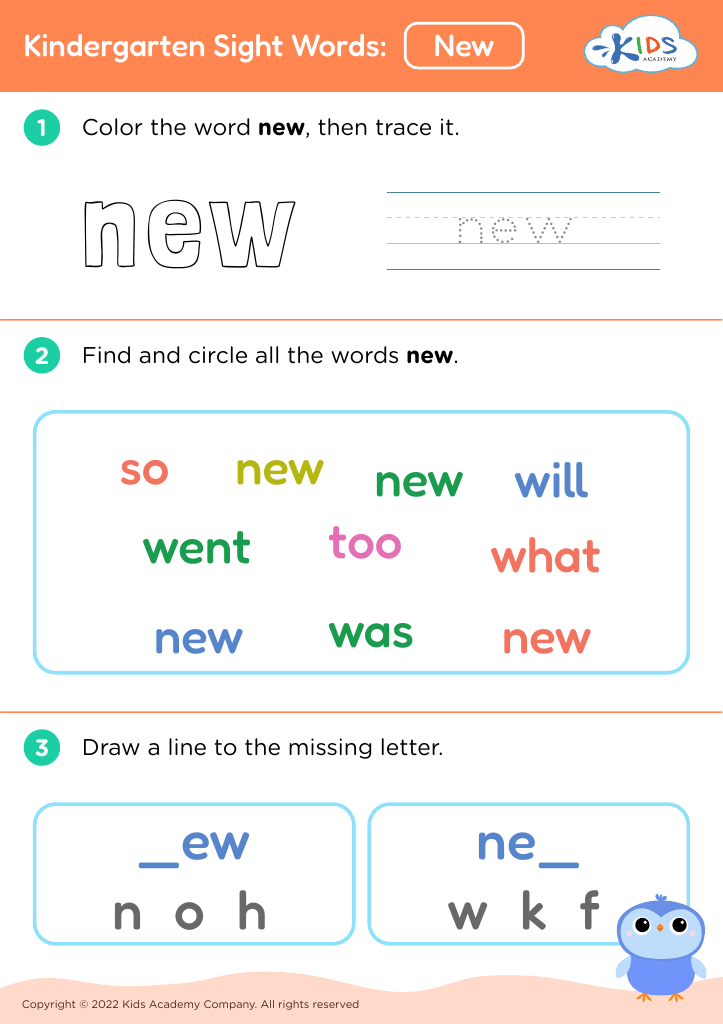
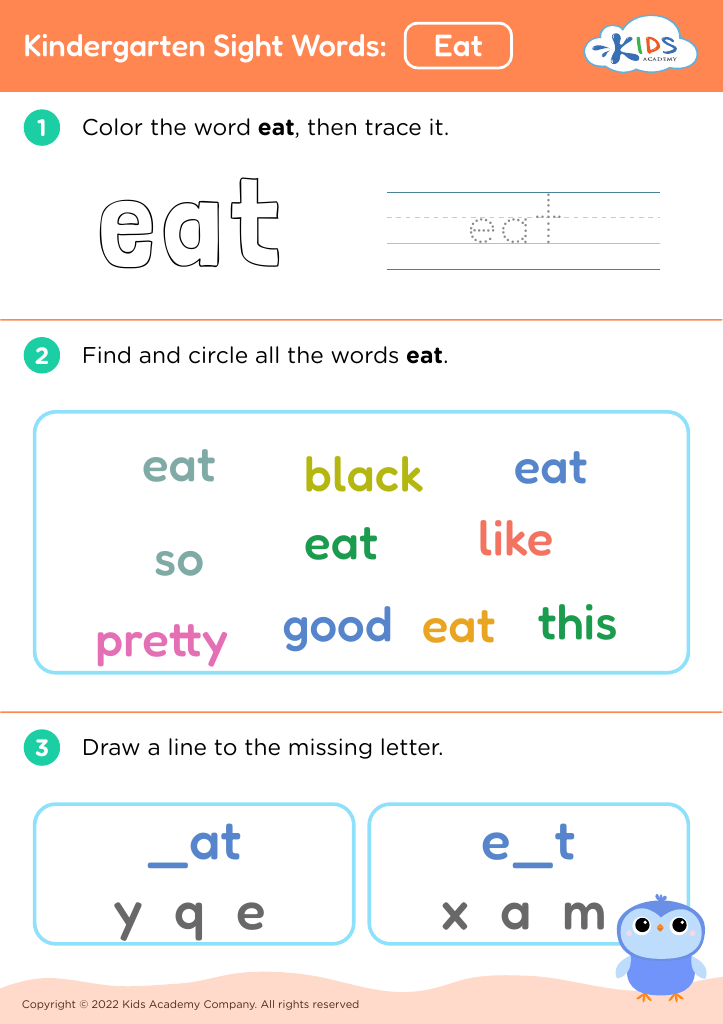



.jpg)




Color recognition is a fundamental cognitive skill that significantly benefits young learners, particularly those aged 5-6. Understanding and identifying colors aids in the development of several core educational areas, including language and literacy. When children learn the names of colors, they expand their vocabulary, which enhances their overall communication skills. It's a foundational step in reading, as they begin to associate words with visual elements in their environment.
Moreover, color recognition also supports cognitive development by encouraging children to categorize and differentiate between objects. This categorization is critical for understanding more complex concepts as they progress in their education. In subjects like math, for example, recognizing and distinguishing colors can help in sorting, pattern recognition, and sequencing activities, all of which are key to early numeracy skills.
Socially and emotionally, being able to name and recognize colors allows children to describe their worlds more precisely and confidently, which is instrumental in their interactions both in the classroom and at home. It also fosters creativity and self-expression, especially in artistic activities, where color choice and use can convey feelings and ideas.
In sum, color recognition enriches a child's learning experience, paving the way for academic achievement and effective interpersonal communication, making it crucial for parents and teachers to prioritize this skill in early education.








