Improving math skills Reading Worksheets for Ages 5-6
3 filtered results
-
From - To
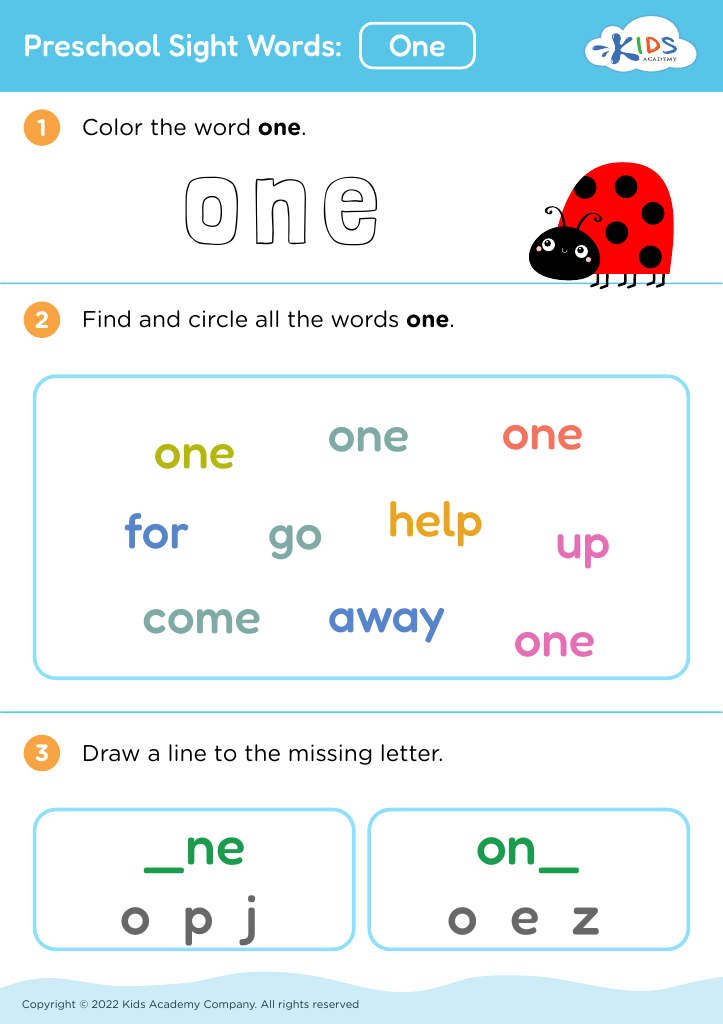
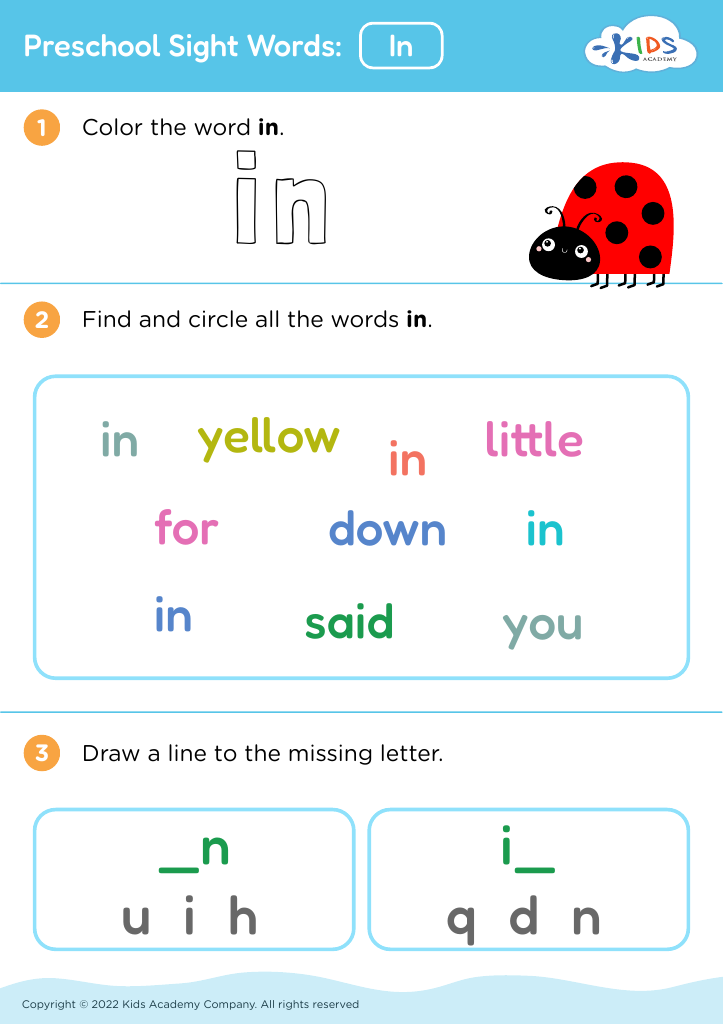
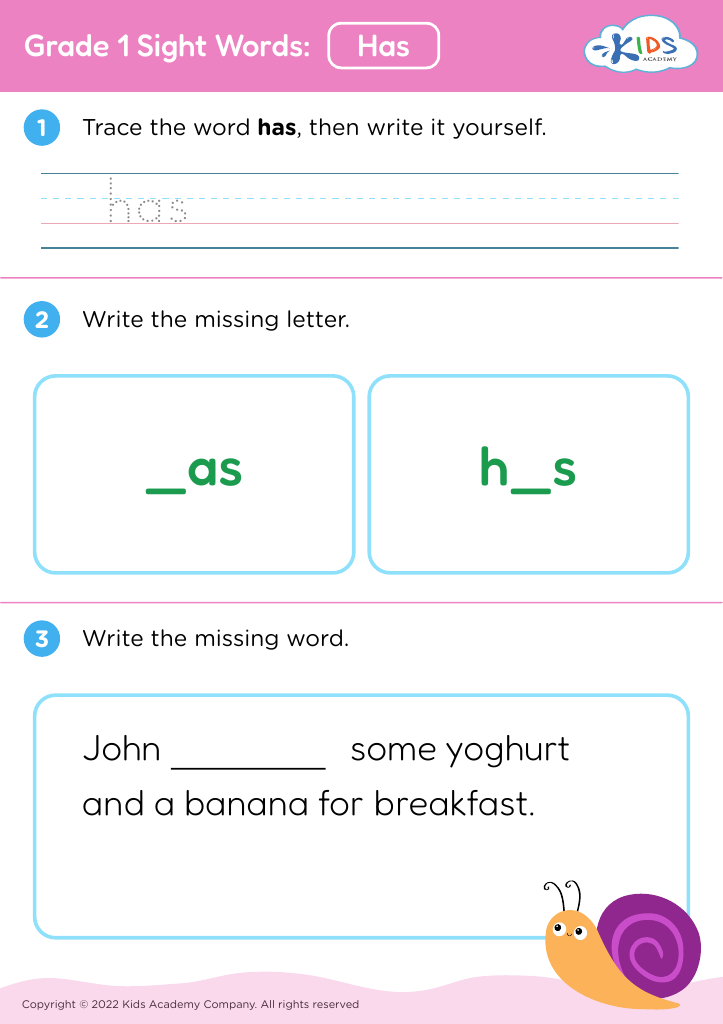
Boost your child's math proficiency with our "Improving Math Skills Reading Worksheets" designed for ages 5-6. These printable worksheets seamlessly blend reading and math, encouraging young learners to enhance their numeracy skills while enjoying engaging stories and activities. Our expertly crafted exercises focus on foundational math concepts such as counting, addition, subtraction, and number recognition, all within a fun literary context. Ideal for both home and classroom use, these worksheets foster a love for learning while developing critical thinking and problem-solving abilities. Start your child's journey to math mastery with our comprehensive and enjoyable resources today!








Parents and teachers should prioritize improving math and reading skills for children aged 5-6 because these formative years are critical for laying the foundation for future academic success and overall development. At this age, children's brains are highly plastic, meaning they can absorb new information and skills rapidly. Early proficiency in math and reading sets the stage for a positive attitude towards learning, boosting their confidence and fostering a love for knowledge.
In math, basic skills like counting, recognizing numbers, and simple problem-solving are essential for everyday tasks and more complex mathematical concepts later on. Early math skills correlate with higher achievement in later grades and can even influence career opportunities in STEM fields.
Reading skills are equally crucial. Early reading abilities, such as recognizing letters, understanding phonics, and building vocabulary, contribute to strong literacy skills. Good reading skills enable children to access a wide array of information, enhancing their understanding of the world and their ability to communicate effectively.
Moreover, both math and reading develop cognitive skills like memory, attention, and problem-solving, which are useful across all subjects. By supporting these skills early on, parents and teachers can give children a strong start in their educational journey, setting them up for long-term academic and personal success.








