Problem-Solving Skills Reading Worksheets for Ages 5-6 - Page 2
27 filtered results
-
From - To
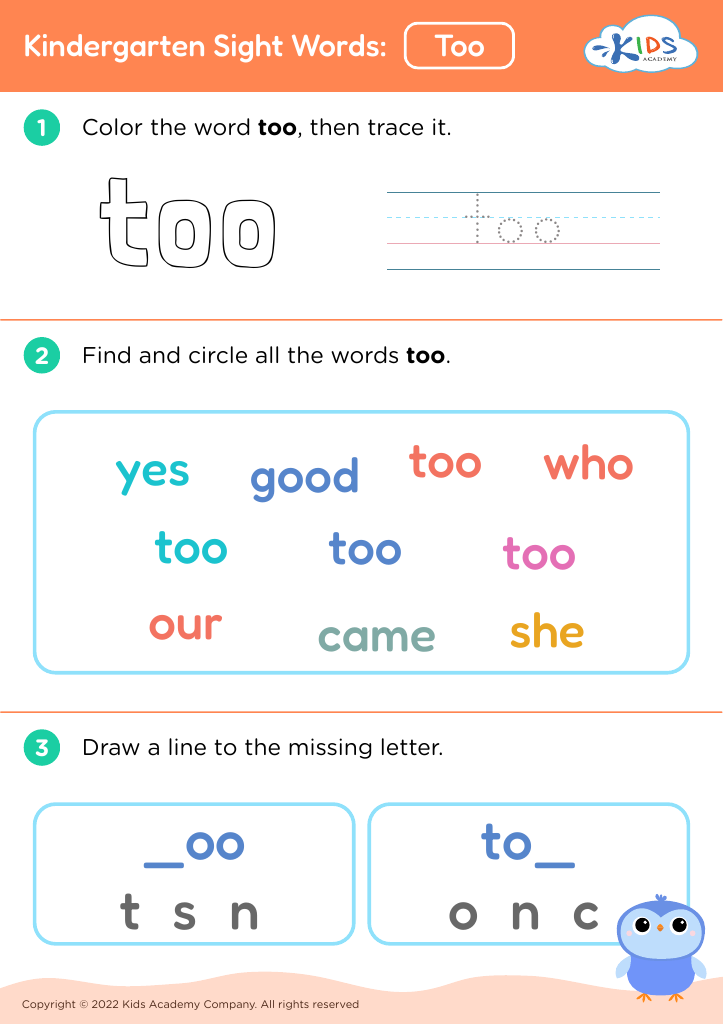
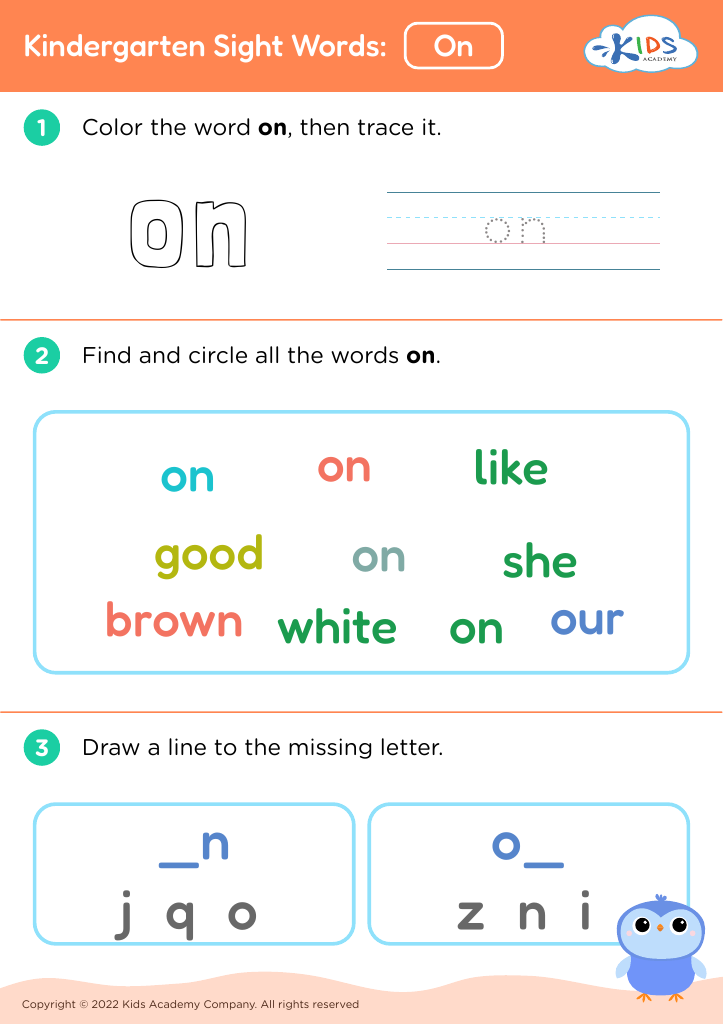
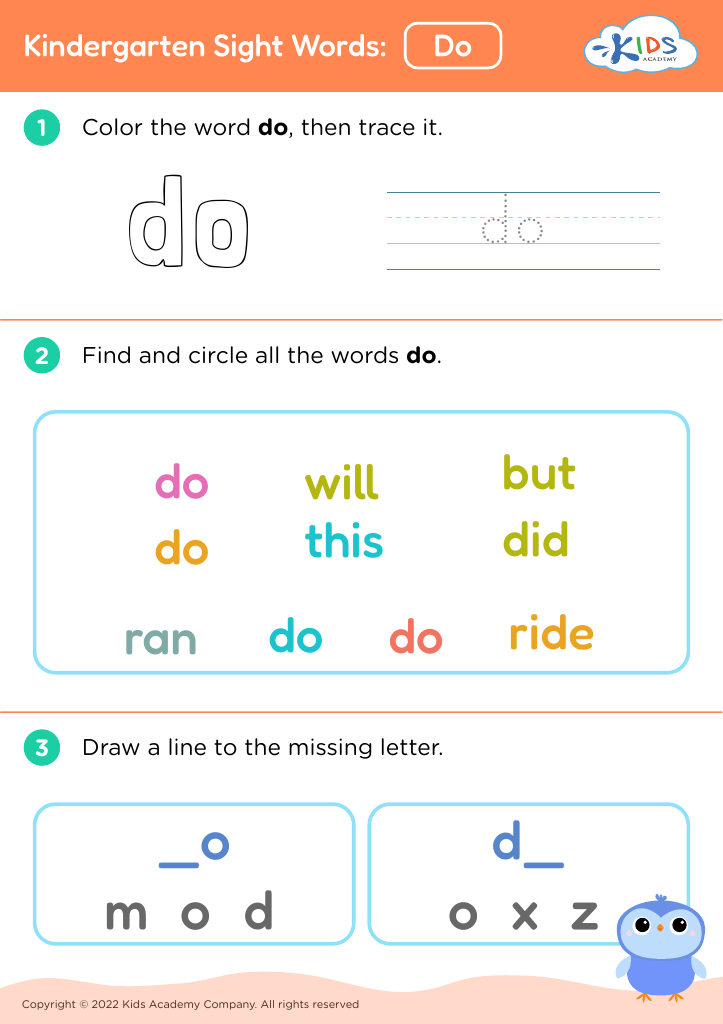







Problem-solving skills are essential for children aged 5-6 as they form the foundation for future learning and development. Parents and teachers should prioritize fostering these skills during this critical stage because they help children learn how to navigate challenges independently and cooperatively. At this age, when children are naturally curious and eager to explore, engaging them in problem-solving activities—such as puzzles, games, or simple real-life scenarios—stimulates cognitive development and enhances their critical thinking abilities.
Additionally, reading plays a vital role in developing these skills. Stories often present conflicts or challenges that characters must navigate, allowing children to analyze situations, predict outcomes, and empathize with characters. This not only reinforces comprehension but also encourages creativity and adaptability. Moreover, strong problem-solving skills are linked to improved academic performance and social interactions, their significance transcending the classroom.
When parents and teachers invest in nurturing these abilities, they empower children to become more confident learners, better decision-makers, and resilient individuals. By cultivating a child’s capacity to tackle problems through both problem-solving activities and engaging reading experiences, we set them on the path to lifelong success in all areas of their lives.








