
Recognizing Patterns Reading Worksheets for Ages 5-6
3 filtered results
Difficulty Level
Grade
Age
-
From - To
Subject
Activity
Standards
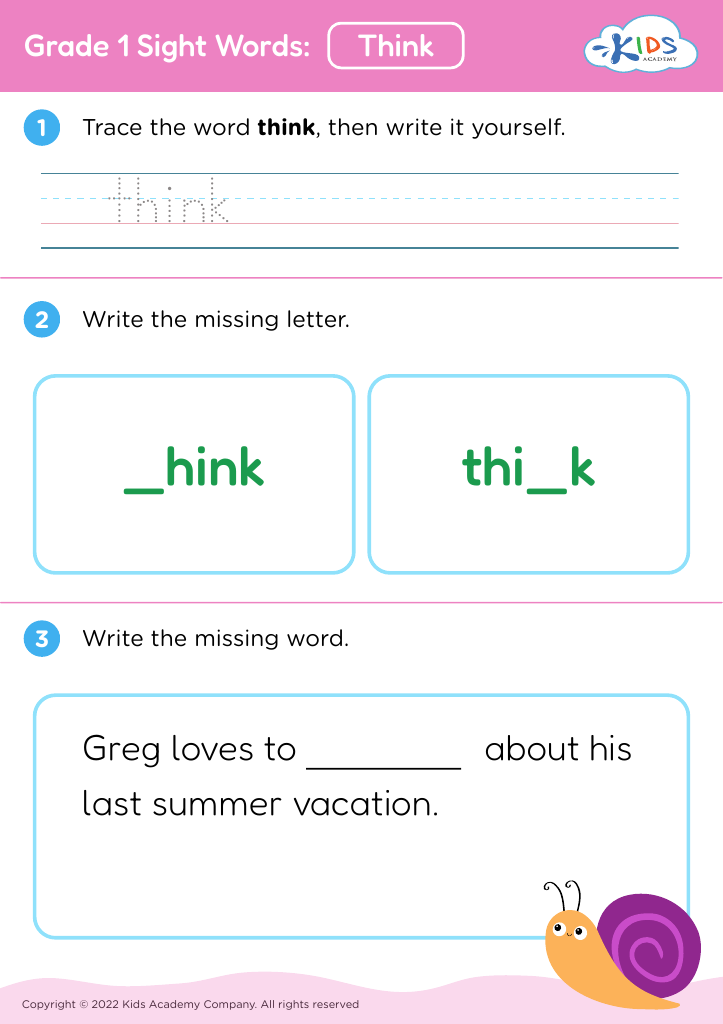
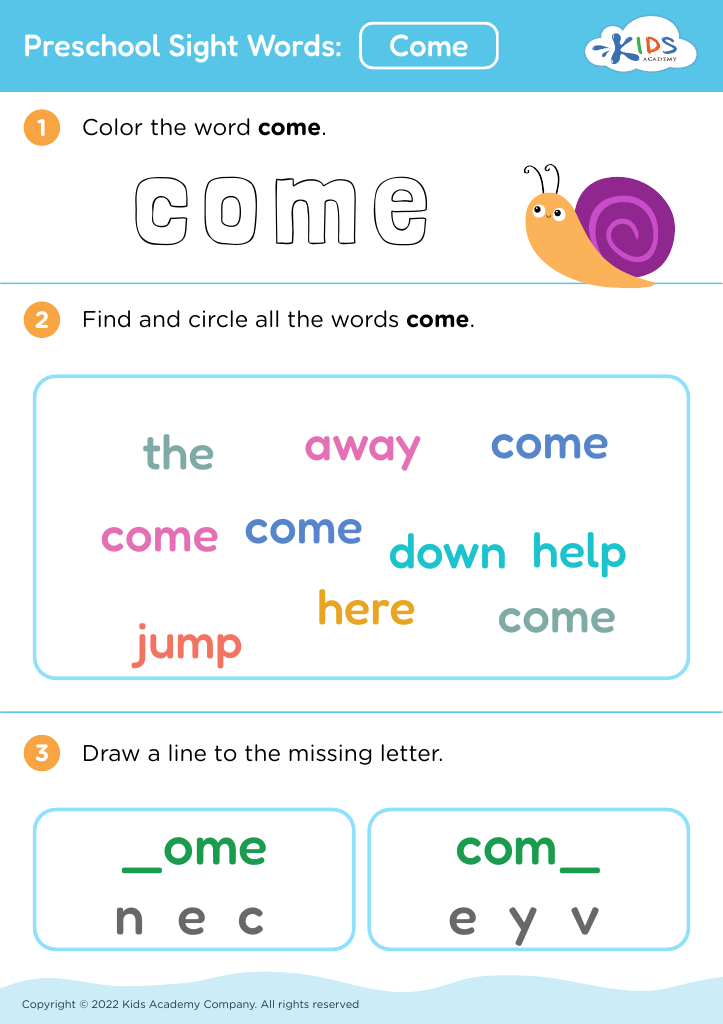
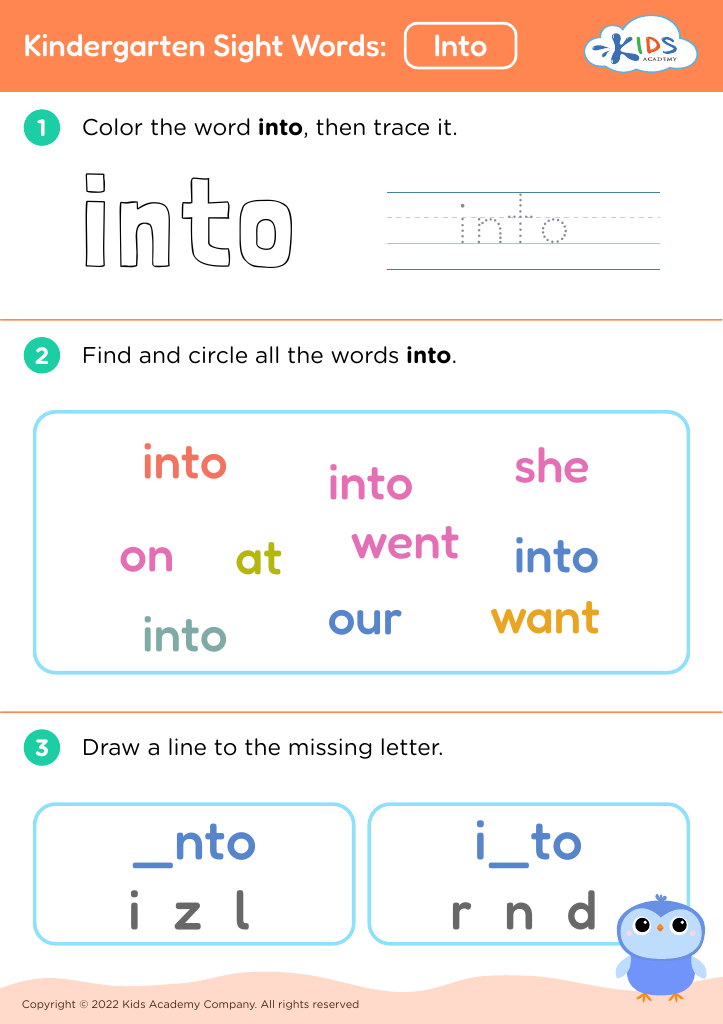
Enhance your child's reading skills with our Recognizing Patterns Reading Worksheets, designed specifically for ages 5-6. These engaging worksheets promote critical thinking and help young learners identify repeating sequences in letters, words, and sentences. With colorful illustrations and interactive activities, children will enjoy practicing pattern recognition, an essential skill for reading proficiency. Our printable worksheets cater to various learning styles, ensuring an enjoyable and effective learning experience. Perfect for both classroom and home use, these resources support early literacy development and lay a strong foundation for future reading success. Download our worksheets today and spark your child's love for reading!
Favorites
With answer key
Interactive
Join Kids Academy for Free
Who is primarily going to use this learning content?







Recognizing patterns is a fundamental skill that plays a crucial role in developing reading abilities in children aged 5-6. Engaging with patterns enhances literacy by helping young learners understand the structure of language. Patterns occur in various forms, such as rhymes in poetry, repeated phrases in stories, and similarities in word structures, all of which contribute to readability and comprehension.
When parents and teachers emphasize pattern recognition, they encourage children to predict and anticipate what comes next. This predictive skill not only boosts their confidence in reading but also lays the groundwork for critical thinking and problem-solving. Furthermore, recognizing patterns enables children to make connections between words, enhancing their vocabulary and understanding of grammar.
By fostering pattern recognition, parents and teachers also cultivate a joyful learning environment, making reading an enjoyable activity. Activities that involve songs, rhymes, and repetitive storytelling can reinforce this skill, making literacy interactive and fun. In summary, recognizing patterns is essential for reading development in early learners; it builds foundational skills, boosts confidence, and inspires a lifelong love for reading. Prioritizing this aspect from an early age sets the stage for academic success and a deeper appreciation of language.








