Understanding context Reading Worksheets for Ages 5-6
5 filtered results
-
From - To
Explore our "Understanding Context Reading Worksheets" designed specifically for ages 5-6. These engaging and interactive worksheets help young learners enhance their reading comprehension by connecting words and phrases to their context. Each activity focuses on identifying meanings through hints provided in sentences and illustrations, making learning enjoyable and effective. Perfect for reinforcing vocabulary and improving literacy skills, our worksheets cater to different learning styles. Encourage your child to understand language in context, fostering a love for reading and learning. Visit us today to access a variety of worksheets that promote essential early reading skills!
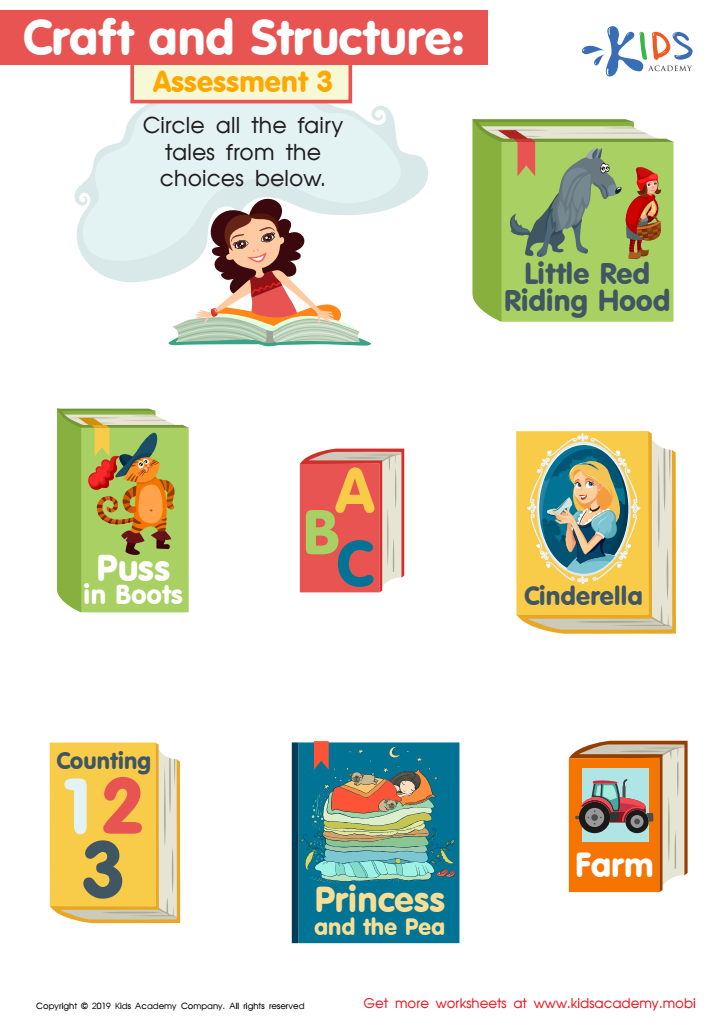
Craft and Structure: Assessment 3 Worksheet
 Assign to My Students
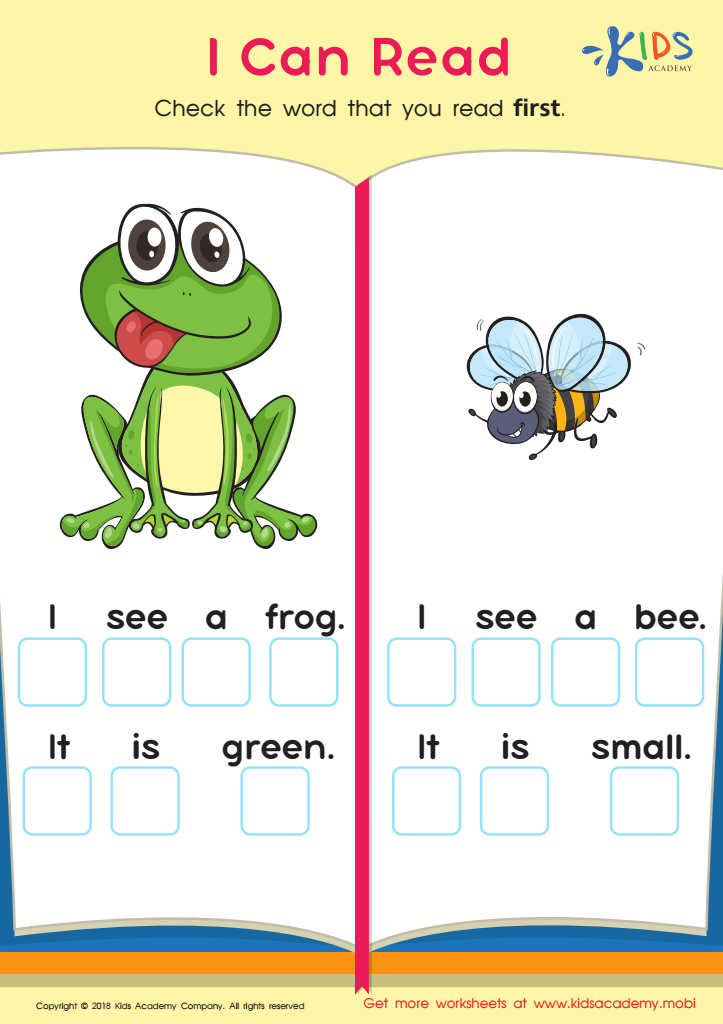
I Can Read Worksheet
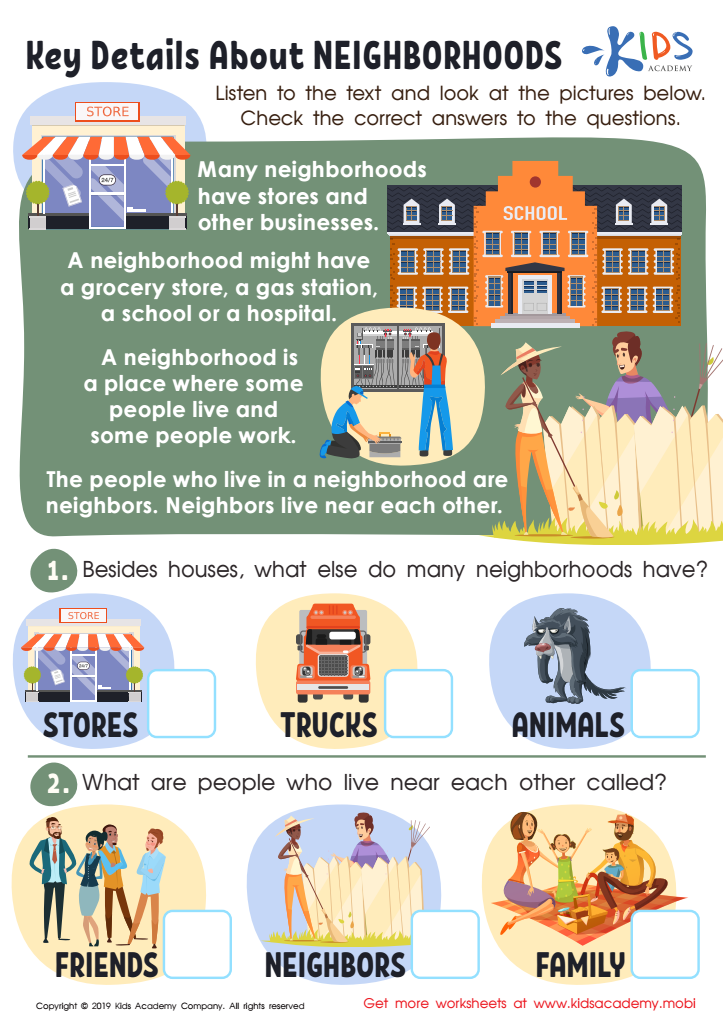
Key Details Neighborhoods Worksheet
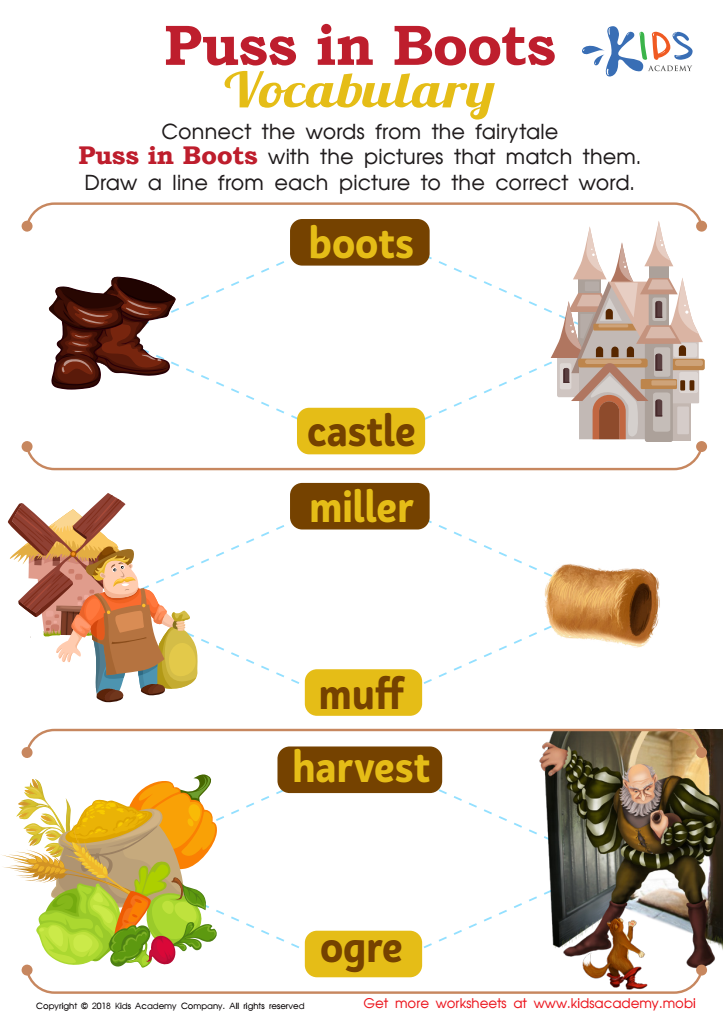
Puss in Boots Vocabulary Worksheet
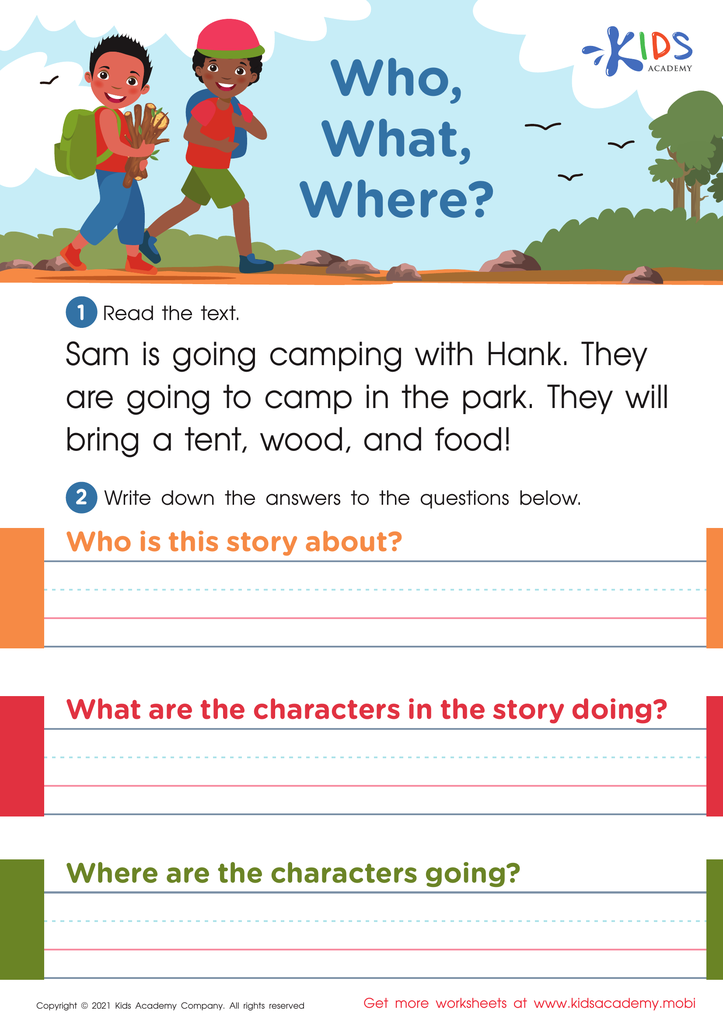
Who, What, Where? Worksheet


.jpg)





Understanding context in reading is crucial for young learners aged 5-6, as it lays the foundation for effective comprehension and critical thinking. When parents and teachers emphasize context, children begin to grasp the connections between words, ideas, and the world around them. This skill not only enhances vocabulary but also encourages the ability to infer meanings and make predictions.
Reading is not merely about decoding words; it involves interpreting messages and intentions. For example, recognizing the difference between a story set in a forest versus a city helps children visualize and engage with content, fostering deeper reflective skills.
Moreover, when children understand context, they become more adept at discussing texts, asking questions, and expressing their thoughts, which builds confidence in their literacy skills. Engaging with various genres, themes, and cultural contexts further broadens a child's worldview, promoting empathy and social development.
Ultimately, parents and teachers who prioritize teaching context can significantly improve a child's reading proficiency, paving the way for academic success and lifelong learning. Investing time in this aspect of reading helps create enthusiastic, critical readers capable of making meaning from their experiences and the world around them.








