Understanding context Reading Comprehension Worksheets for Ages 5-6
5 filtered results
-
From - To
Enhance your child’s reading comprehension with our "Understanding Context" worksheets, designed specifically for ages 5-6. These engaging activities help young learners grasp the meaning of words and phrases through contextual clues, fostering critical thinking and vocabulary skills. Each worksheet combines fun and educational exercises, enabling children to improve their comprehension through relatable stories and questions. Our user-friendly format encourages independent learning while providing parents and educators with valuable resources to support early reading development. Unlock your child's potential in understanding context while enjoying the journey of reading! Start exploring our worksheets today to boost your child's confidence and skills in literacy.
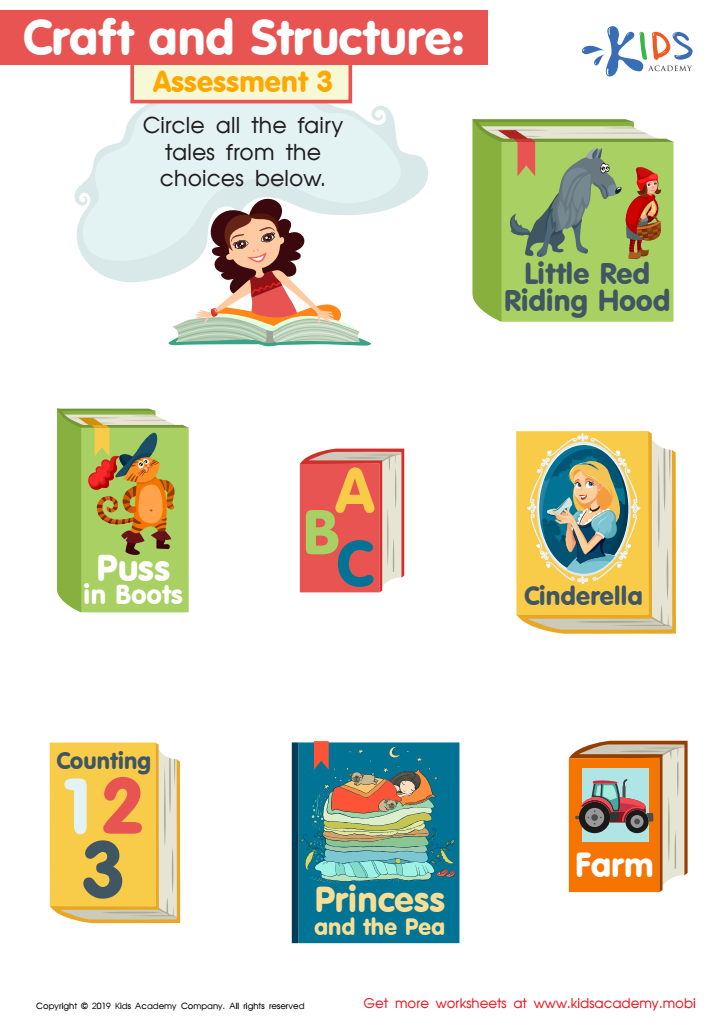
Craft and Structure: Assessment 3 Worksheet
 Assign to My Students
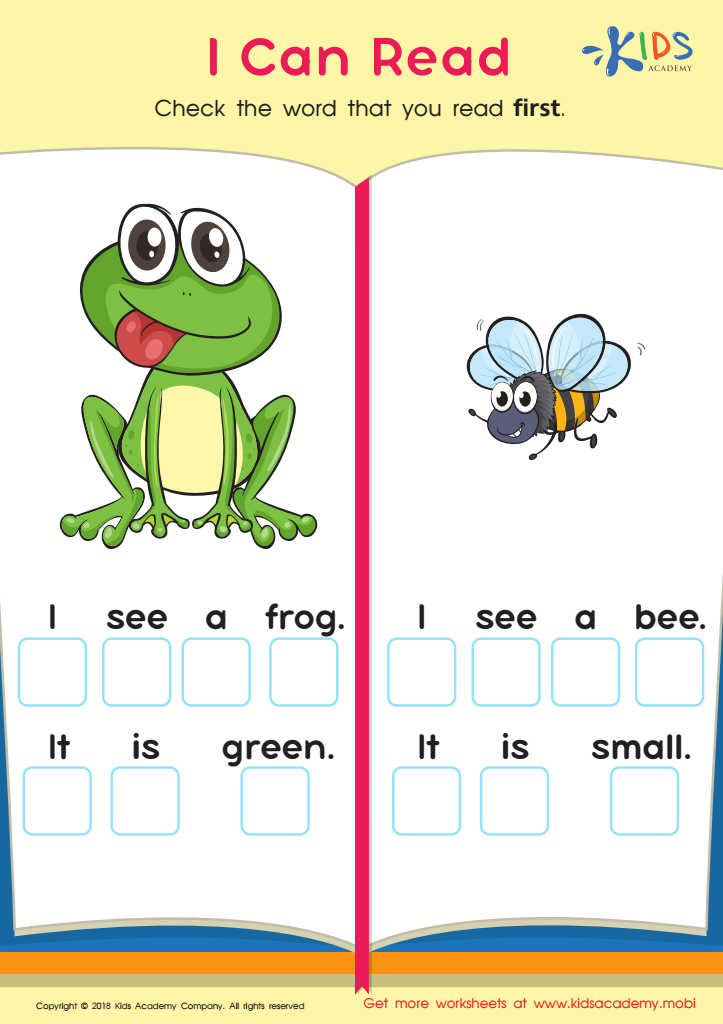
I Can Read Worksheet
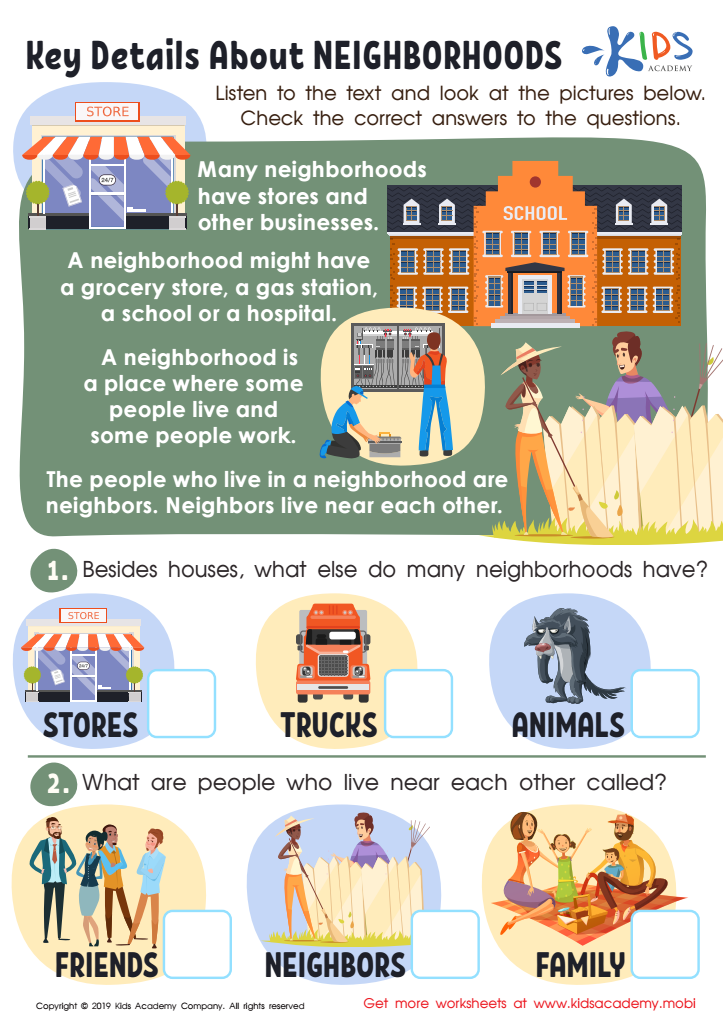
Key Details Neighborhoods Worksheet
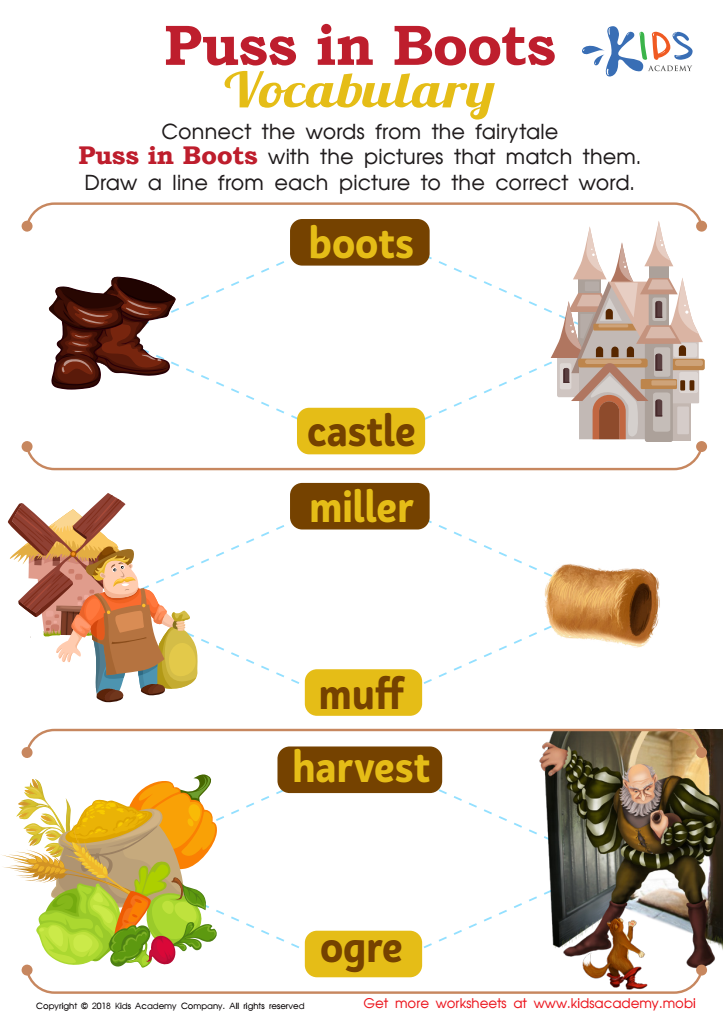
Puss in Boots Vocabulary Worksheet
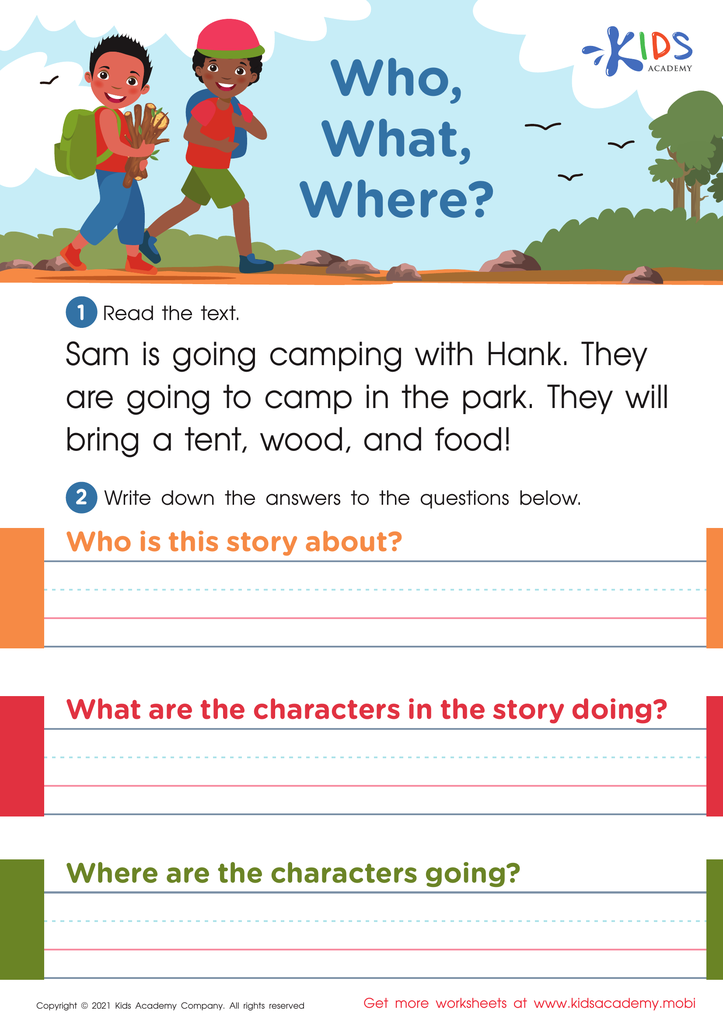
Who, What, Where? Worksheet








Understanding context in reading comprehension is crucial for children aged 5-6 as it lays the foundation for effective communication and critical thinking skills. At this age, children begin to encounter more complex narratives and vocabulary, making it essential for them to grasp not just the words, but the meaning behind them. When parents and teachers emphasize context, they help children connect their existing knowledge to new information, fostering deeper understanding.
Moreover, contextual awareness aids in distinguishing between literal and figurative language, preparing children for richer reading experiences in the future. Engaging with context allows young learners to make predictions, infer meanings, and draw conclusions, all of which are critical skills for problem-solving.
Additionally, by guiding children to consider the emotional tone, setting, and intentions of characters in a story, adults can cultivate empathy and cultural awareness. Overall, when parents and teachers prioritize context in reading activities, they not only enhance comprehension but also create an environment that values curiosity and a love for learning. This foundational understanding supports lifelong literacy skills, empowering children to become confident readers and informed thinkers as they progress in their education.








