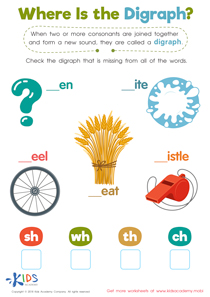
Vocabulary expansion Beginning Consonants Worksheets for Ages 5-7
4 filtered results
-
From - To
Enhance your child's reading and language skills with our engaging Vocabulary Expansion Beginning Consonants Worksheets, designed specifically for ages 5-7. These interactive worksheets help young learners identify and practice beginning consonant sounds, fostering vocabulary growth in a fun and stimulating way. Each activity encourages children to connect letters with words and images, promoting phonetic awareness and comprehension. Perfect for kindergarten and early grade classrooms, our resources support a holistic approach to literacy with colorful designs and age-appropriate exercises. Watch as your child's confidence flourishes and their love for learning expands with our comprehensive vocabulary expansion tools!
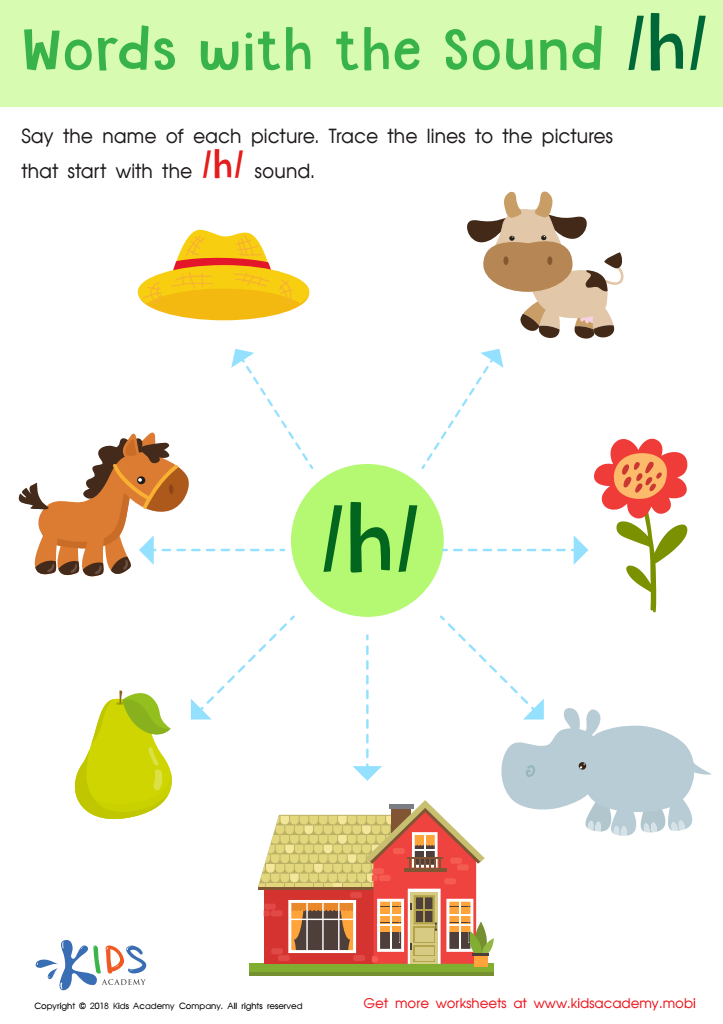
Words with sound h Reading Worksheet
 Assign to My Students
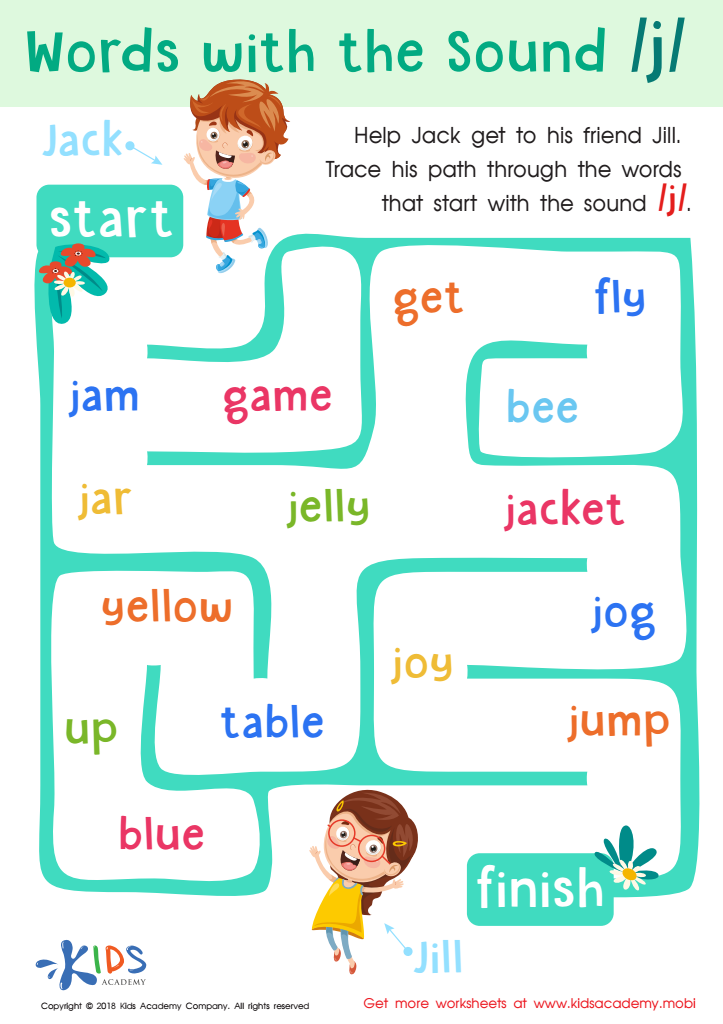
Words with sound j Reading Worksheet
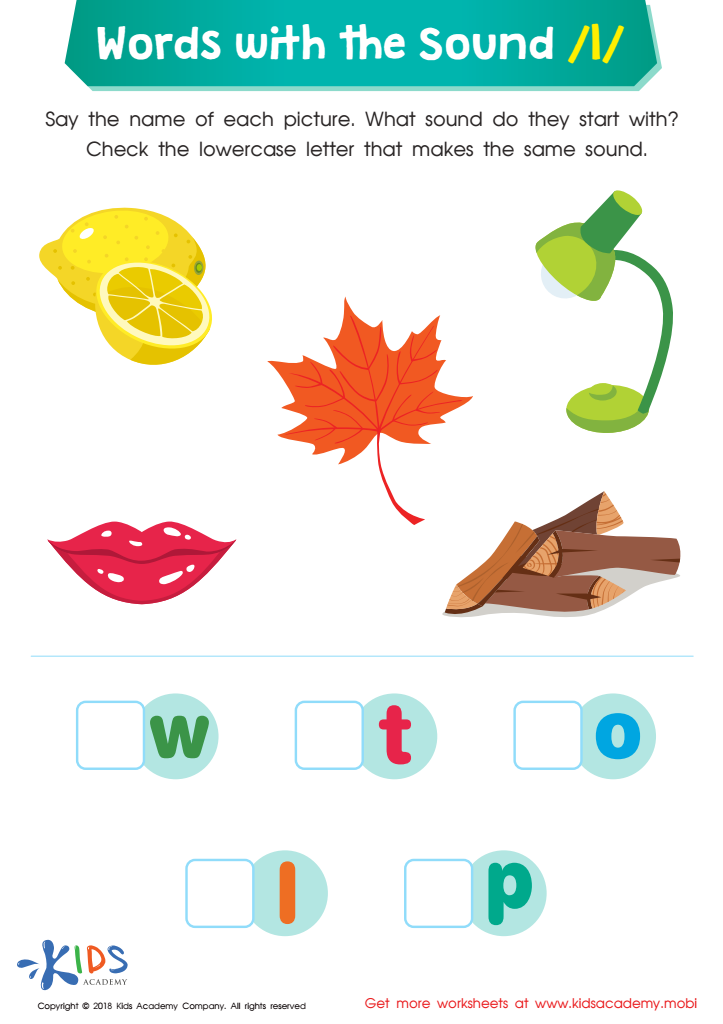
Words with Sound L Reading Worksheet
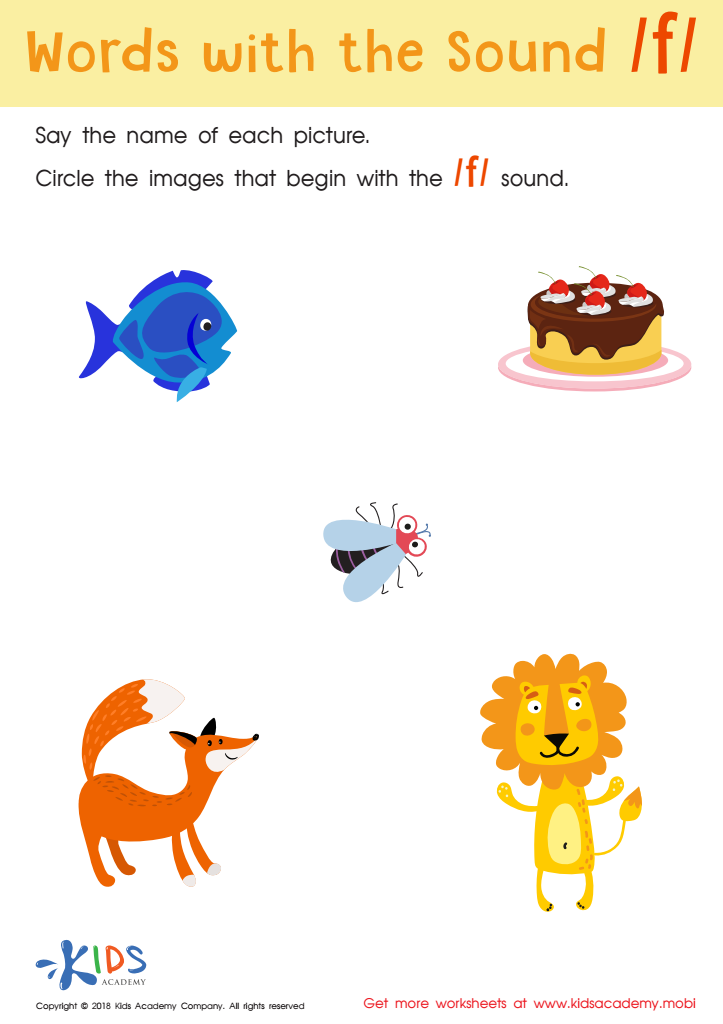
Words with sound f Reading Worksheet


Vocabulary expansion, particularly focusing on beginning consonants, is crucial for children aged 5 to 7 as it lays the foundation for reading and writing skills. During this developmental stage, children are learning to recognize letters and their associated sounds. Mastering beginning consonants enables them to decode words more effectively, promoting literacy and comprehension.
For parents and teachers, fostering vocabulary expansion through beginning consonants enhances children's confidence and encourages a positive attitude towards reading. When children can identify and pronounce words that start with specific consonants, they can easily tackle new words, making reading a more enjoyable experience.
Additionally, a rich vocabulary contributes to better communication skills. Children learn to express their thoughts and emotions more clearly, which is vital for social interactions and academic success. Engaging in activities that introduce new vocabulary, such as storytelling, word games, and sound-matching exercises, can make learning fun and effective.
By prioritizing vocabulary expansion and understanding beginning consonants, parents and teachers equip children with essential literacy skills, ensuring they are prepared for future educational challenges. This investment in early language development ultimately supports lifelong learning and personal growth.