Alphabet Recognition Lowercase/Small Letters Worksheets for Ages 5-7
9 filtered results
-
From - To
Discover our engaging Alphabet Recognition Lowercase/Small Letters Worksheets designed for children aged 5-7! These printable resources aim to enhance your child's letter recognition skills in a fun, interactive way. Each worksheet features exciting exercises that guide young learners in identifying and differentiating between lowercase letters while reinforcing their understanding of the alphabet. Our activities cater to various learning styles, making them perfect for home or classroom use. Promote literacy and build confidence as your child journeys through this essential foundational skill. Start our delightful worksheets today and watch your little one thrive in letter recognition!
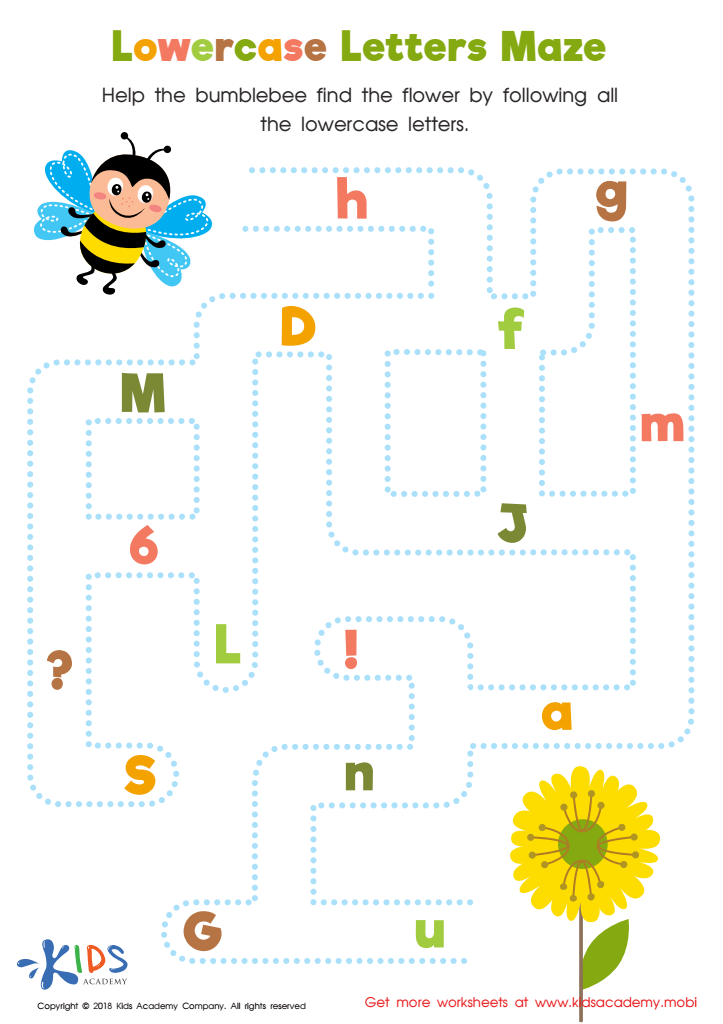
Lowercase Letters Maze Worksheet
 Assign to My Students
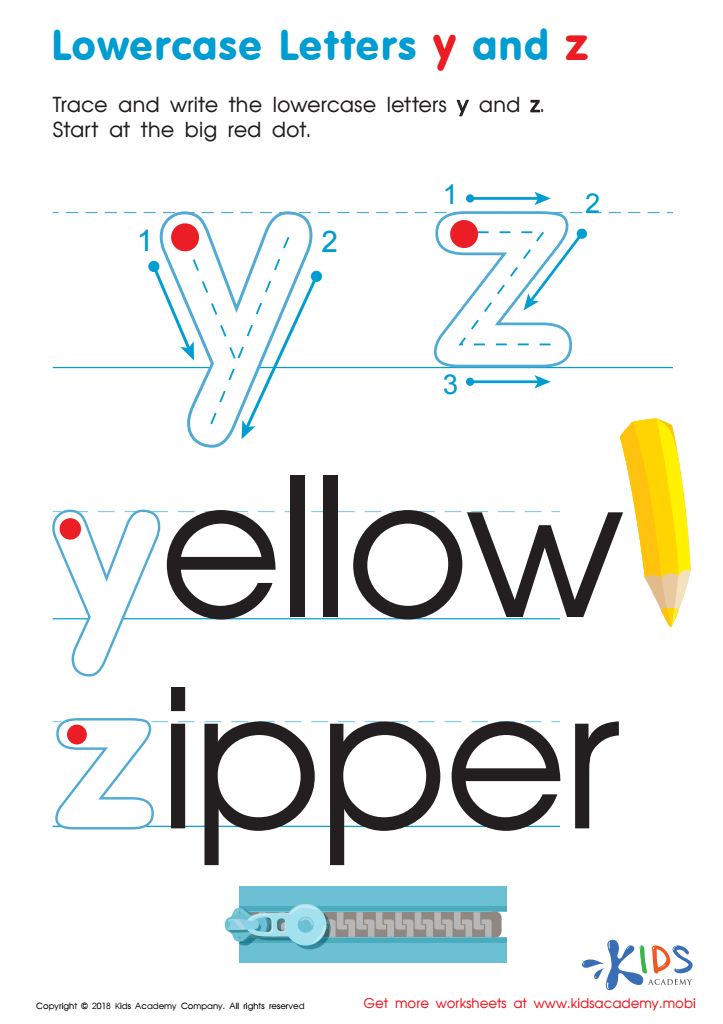
Lowercase Letters y z Worksheet
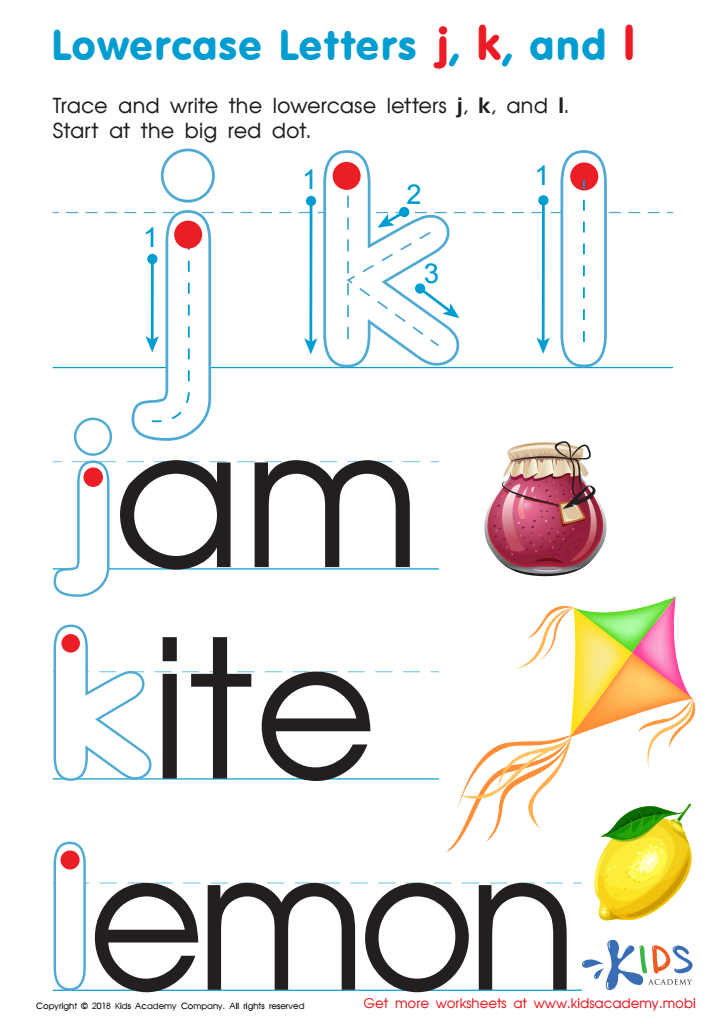
Lowercase Letters j k l Worksheet
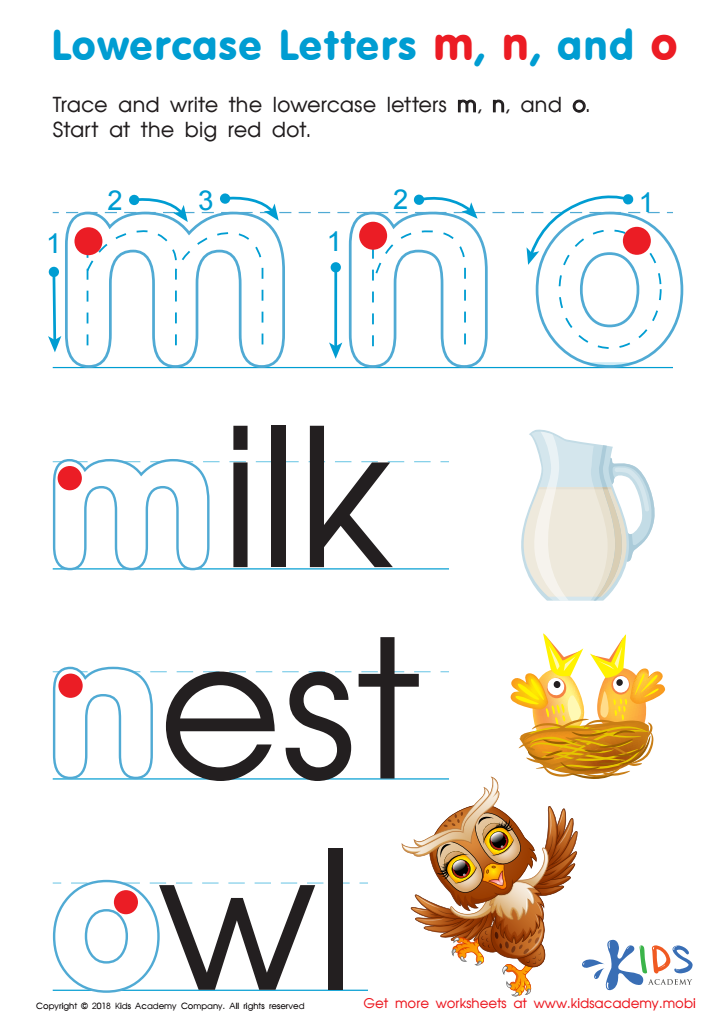
Lowercase Letters m n o Worksheet
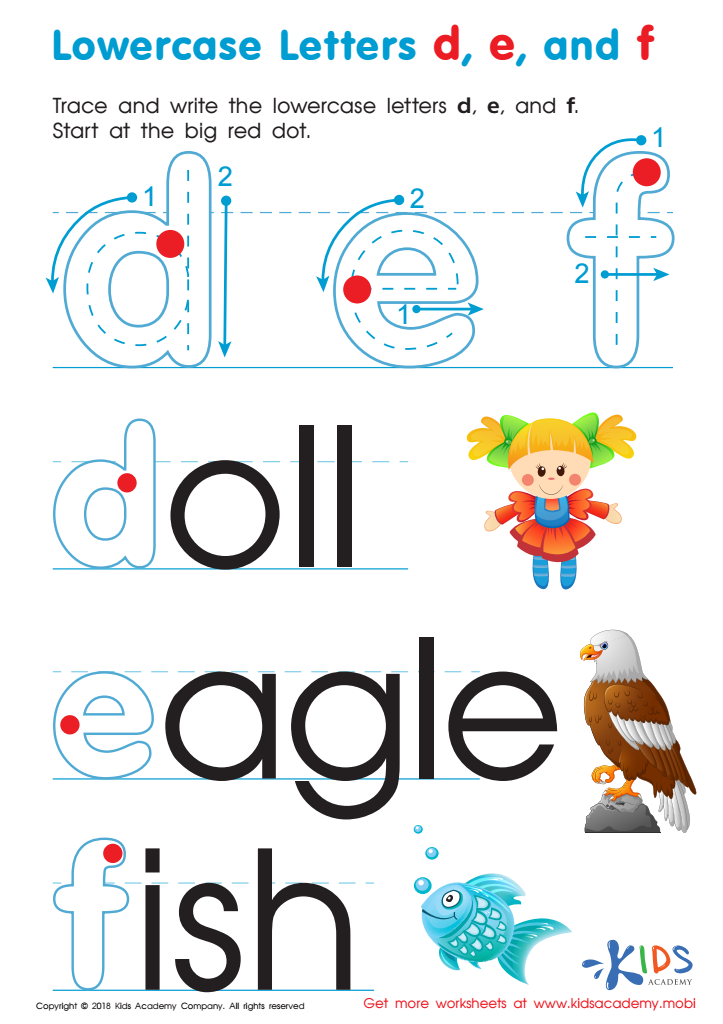
Lowercase Letters d e f Worksheet
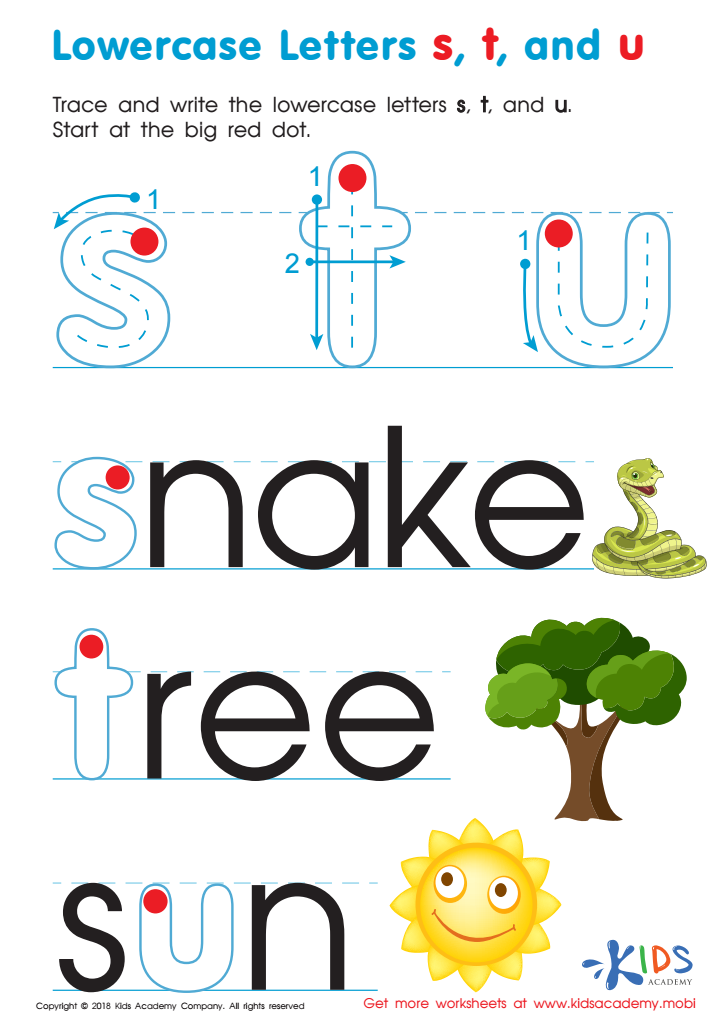
Lowercase Letters s t u Worksheet
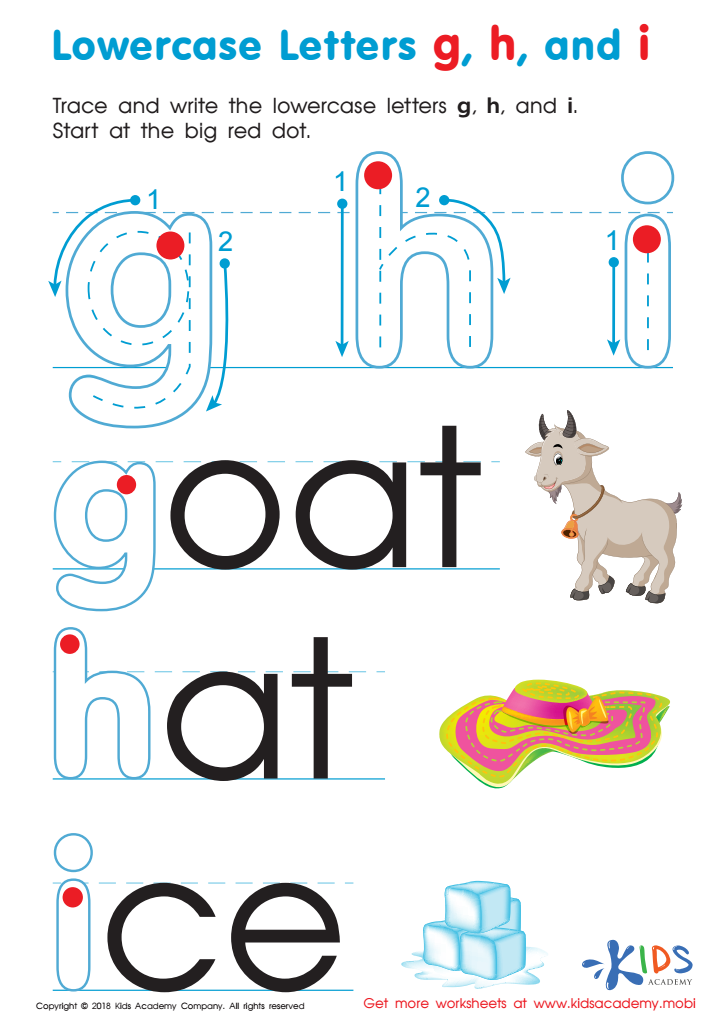
Lowercase Letters g h i Worksheet
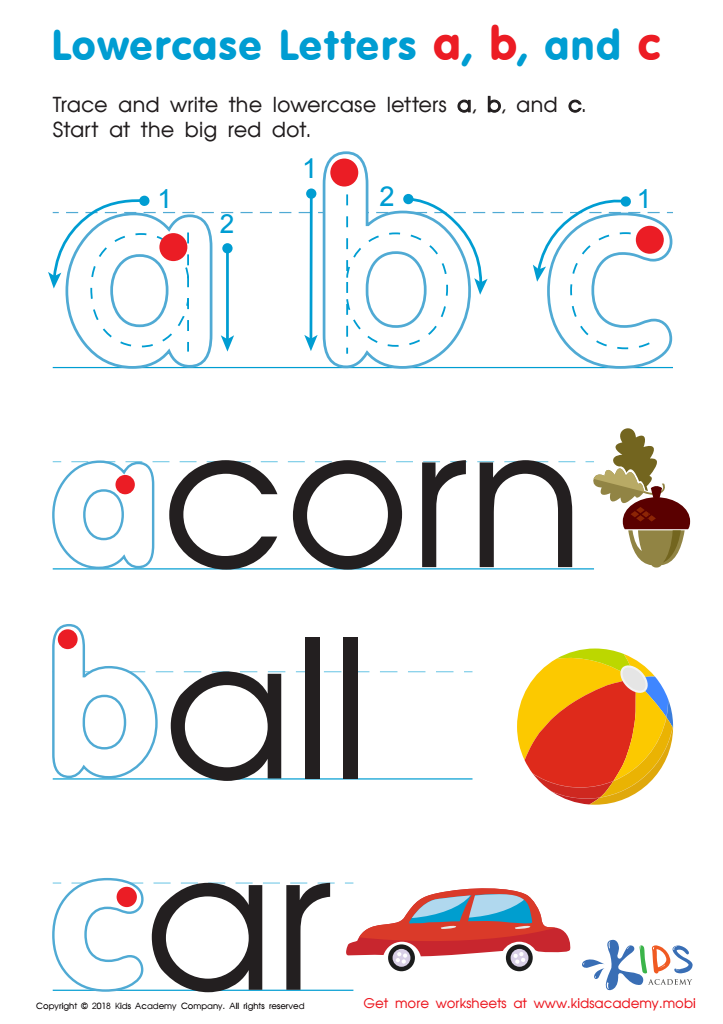
Lowercase Letters a b c Worksheet
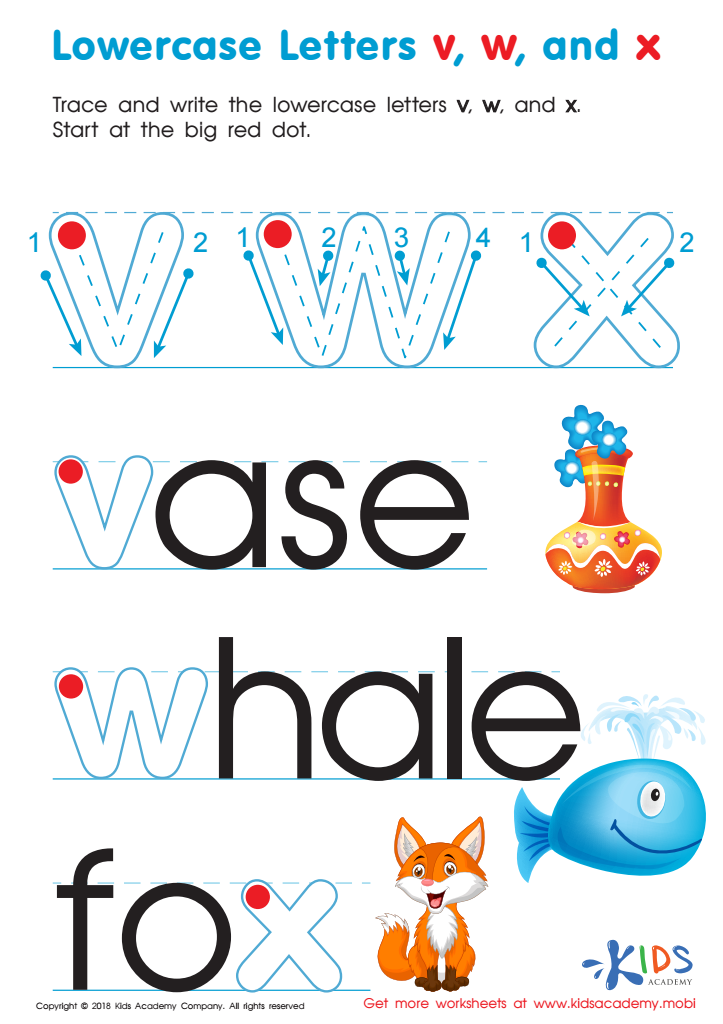
Lowercase Letters v w x Worksheet


Alphabet recognition, particularly for lowercase letters, is a crucial foundational skill for children aged 5-7. This period is a key time in their literacy development, and a strong grasp of lowercase letters significantly impacts their reading and writing abilities.
First, lowercase letters are the most common form of writing in English. Explaining the difference in usage between uppercase and lowercase letters helps children understand the structure of written language, enhancing their reading fluency. When children can recognize and distinguish between these letters, they are better equipped to decode words, which builds confidence and promotes a love for reading.
Additionally, mastery of lowercase letters assists in writing. Children use lowercase letters in most of their writing tasks, so recognizing and properly forming these letters is vital for effective communication. This skill also improves their handwriting, which is integral to their overall educational experience.
Parents and teachers play crucial roles in providing engaging and diverse opportunities for learning. Activities that involve play-based learning, such as games, art, or songs focusing on lowercase letters, make the learning process enjoyable. Thus, fostering alphabet recognition during these early years sets a solid foundation for future academic success, ensuring that children become proficient readers and writers.