Check out this FREE "Categorization skills" Trial Lesson for age 5-7!

Sorting Objects By Size

Favorites
With answer key
Interactive
  • 5-7
  • Categorization skills
Sort the Mail Worksheet

Sort the Mail Worksheet

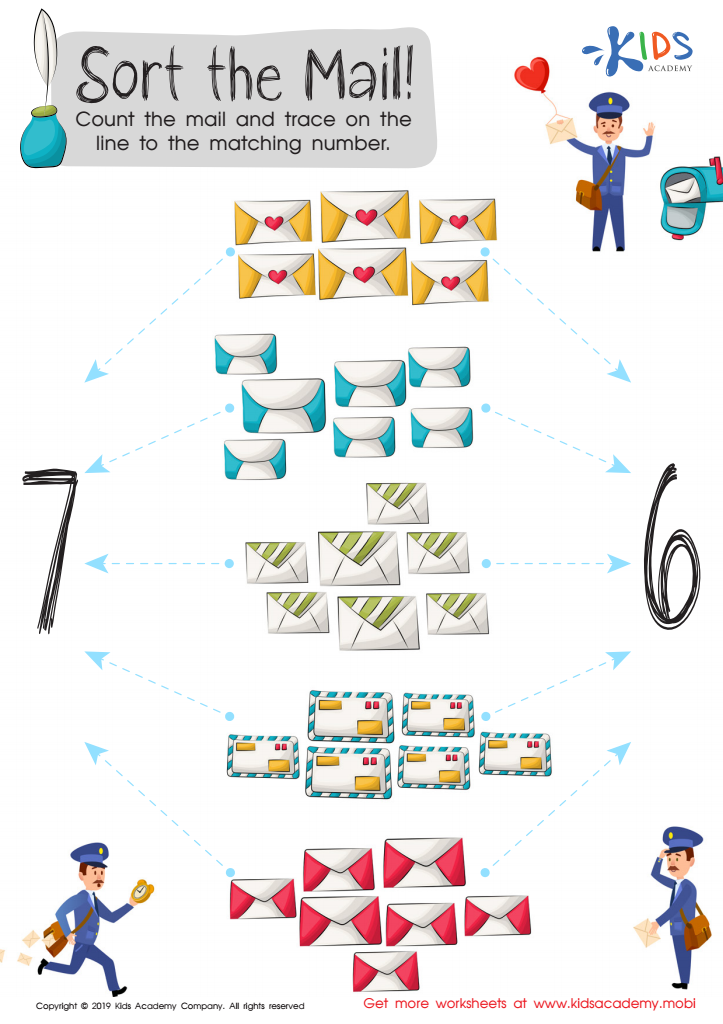
Kids can learn number sense with one-to-one representation! This worksheet helps them connect groups of letters with the correct numbers by tracing the lines. They'll count and decide whether each group has 6 or 7 envelopes. This exercise gives children a better understanding of numerical representation.
Sort the Mail Worksheet
Worksheet
Let's Look! Part 1 Worksheet

Let's Look! Part 1 Worksheet

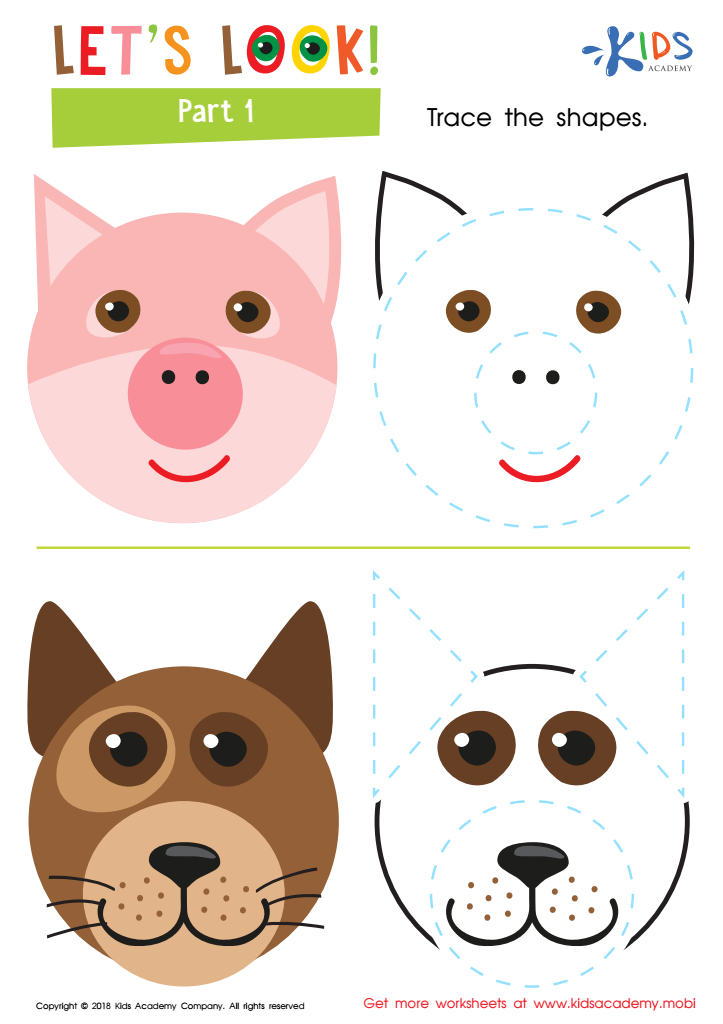
If your kids love animals or have a pet at home, they'll get a kick out of this tracing worksheet. It tests their ability to imitate shapes, starting with a pig and followed by a dog. Beside each of these pictures is a space for tracing the shapes. Unleash your child's creativity and see what they come up with!
Let's Look! Part 1 Worksheet
Worksheet
Living and Non-living Worksheet

Identifying Living or Non–living Worksheet
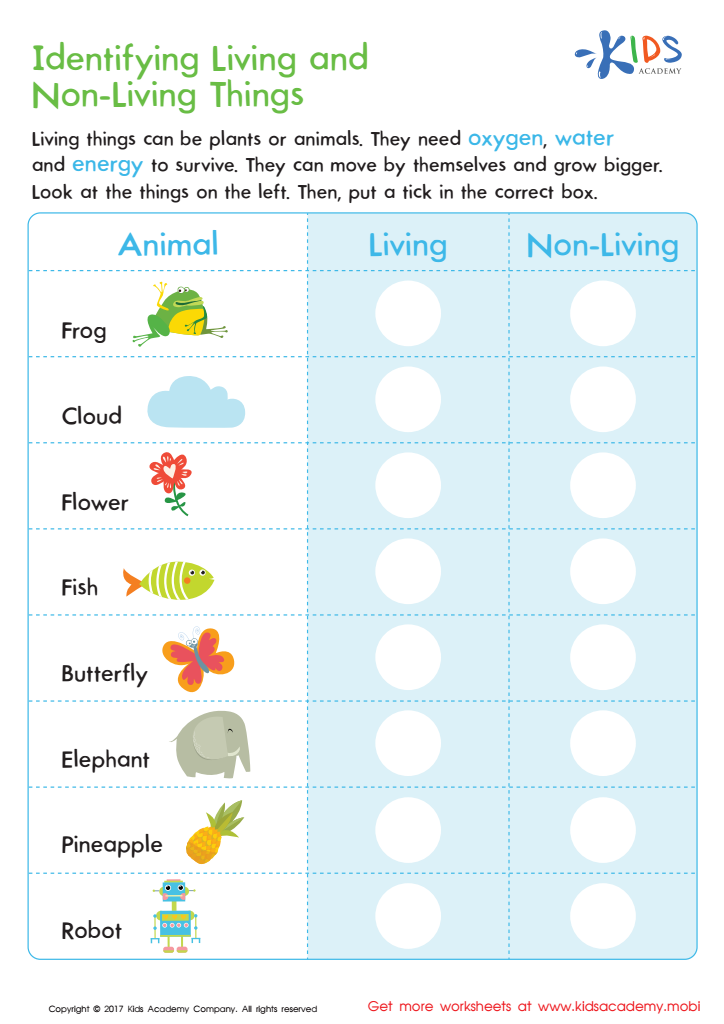
Help your child learn to sort and categorize in a new way! Teach them to classify things as living or non-living using this worksheet. It's the perfect way to build their scientific understanding, and to have some learning fun! Print this worksheet and watch them discover the world of science!
Identifying Living or Non–living Worksheet
Worksheet
Sorting by Size Worksheet

Sorting by Size Worksheet

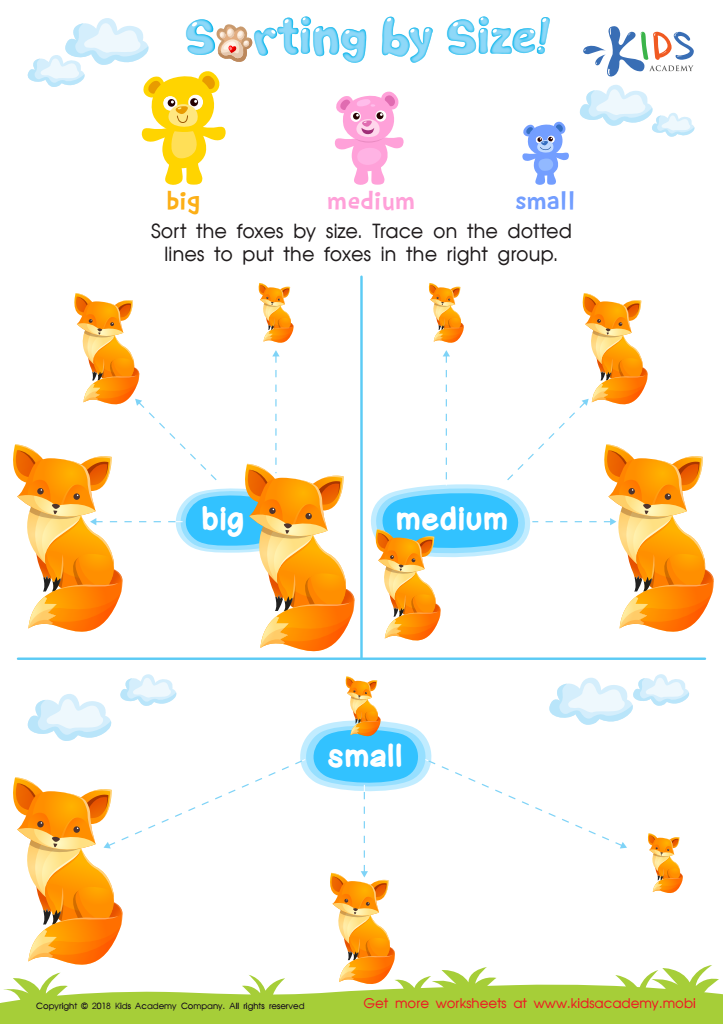
This bright printout lets your students sort the foxes by size. Ask them to identify objects, then trace the dotted lines to put the foxes in the right group. Clear and easy instructions make this a fun and colorful exercise for your young ones.
Sorting by Size Worksheet
Worksheet
Recycle It: +2 Worksheet

Recycle It: +2 Worksheet

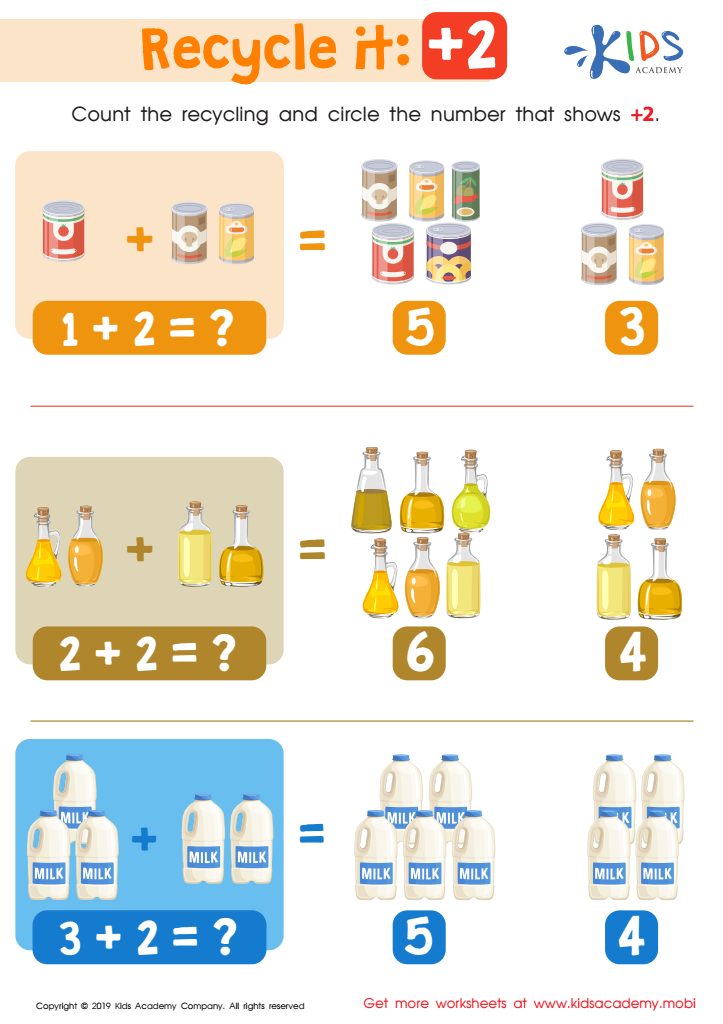
Your kindergartners likely count everything they see, which is great for practice. Give them simple exercises such as in this worksheet to stimulate their minds. Ask them to count the recycling cans and then circle the number that shows +2.
Recycle It: +2 Worksheet
Worksheet
Groups in the Town Worksheet

Groups in the Town Worksheet

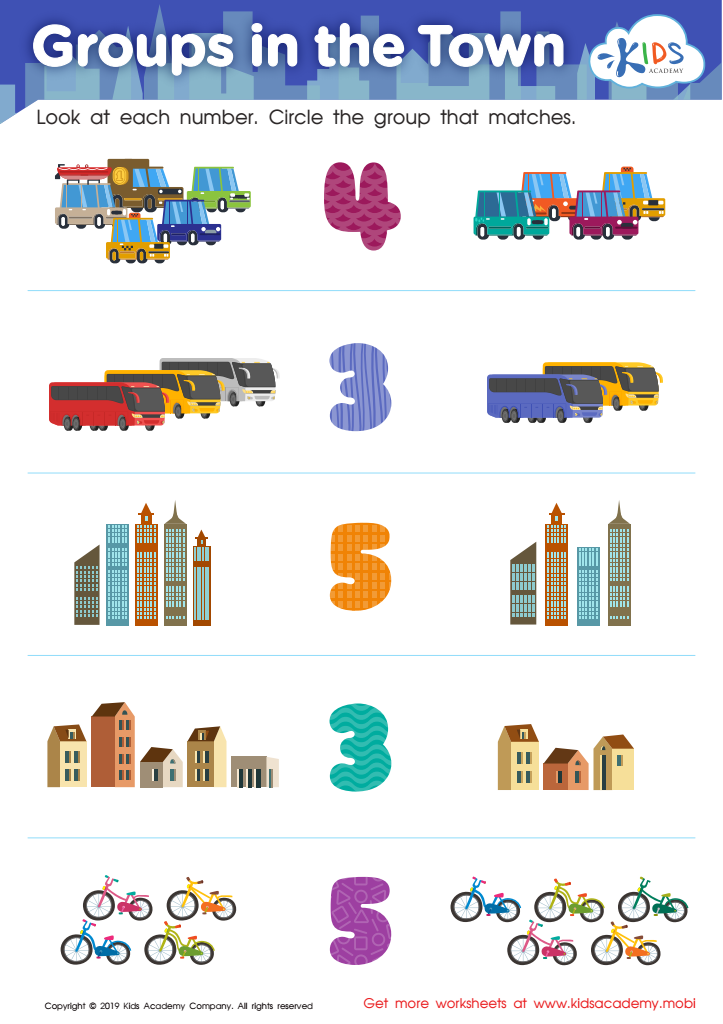
Help your kids learn to count with this worksheet! Look at each number of objects and circle the group that matches. This simple activity can give them extra practice to support what they learn in school. Learning doesn't have to be a struggle; make it fun and interactive with this worksheet.
Groups in the Town Worksheet
Worksheet
Animals and Non-Living Things Worksheet

Animals and Non-Living Things Worksheet

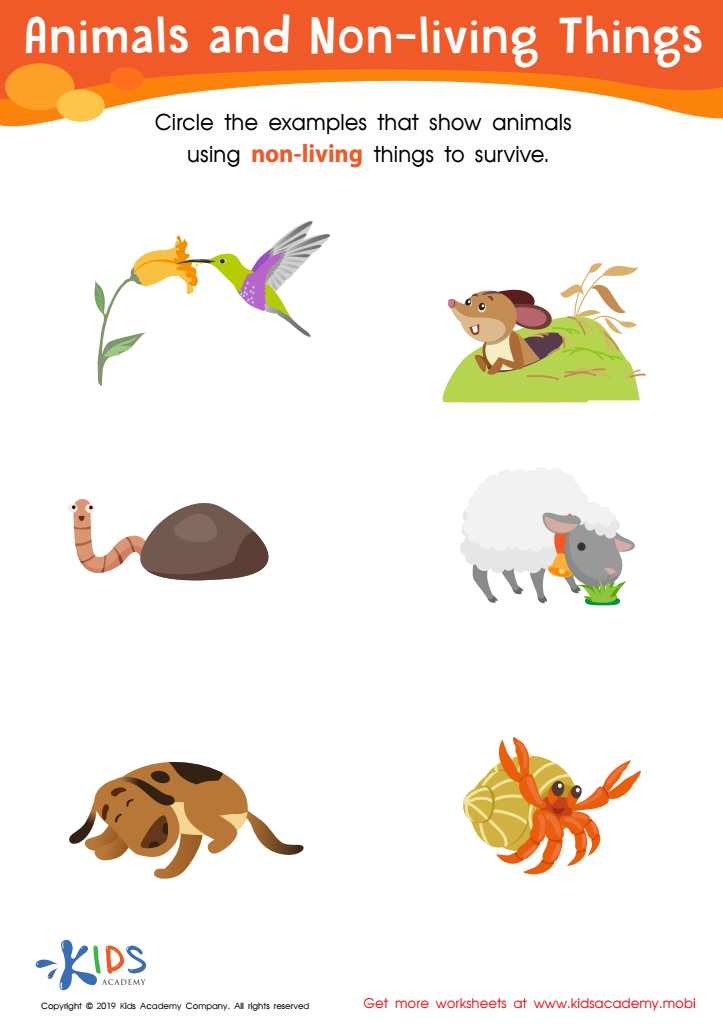
People and animals both require more than food to survive. We need shelter, clothing and water, while animals use non-living things like rocks and trees. Ask your kids what else is necessary to survive - then have them identify the objects in the worksheet and circle the examples of animals using non-living things.
Animals and Non-Living Things Worksheet

Worksheet
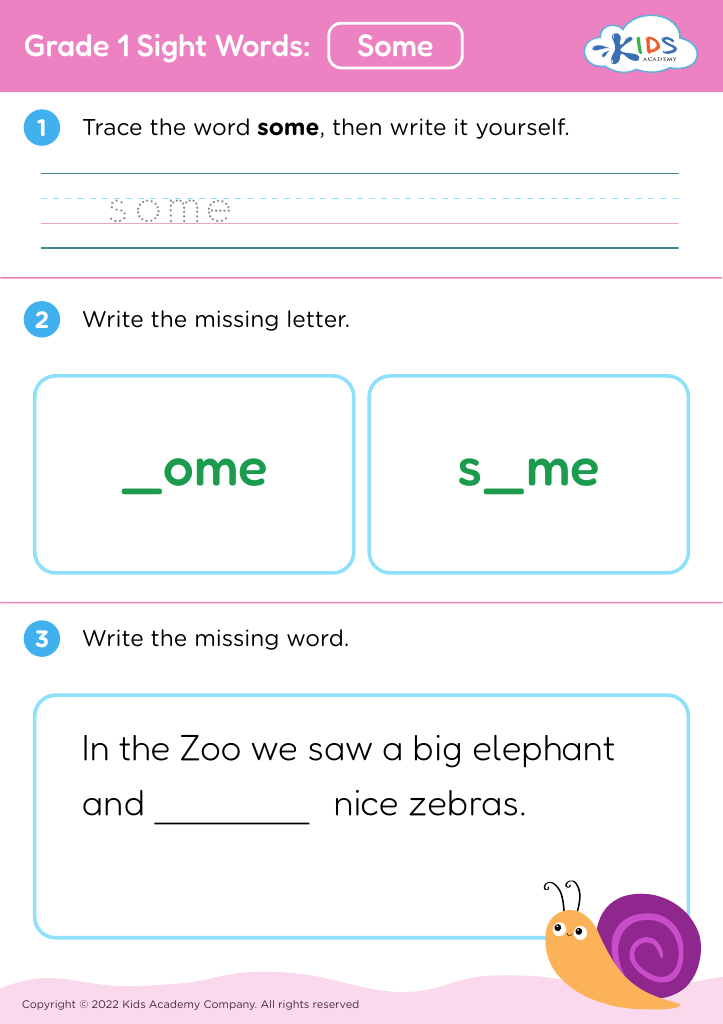
Grade 1 Sight Words: Some

Grade 1 Sight Words: Some

Grade 1 Sight Words: Some
Worksheet


Categorization skills are fundamental for children aged 5-7 as they form the groundwork for critical thinking and cognitive development. During this stage, children begin to interpret their surroundings and systematically organize information, which enhances their ability to understand relationships and similarities between objects, events, or ideas.

For parents and teachers, fostering categorization skills is essential because it promotes language development. By encouraging children to group items, they learn new vocabulary, classification terms, and descriptive language that strengthens communication skills. Moreover, mastering categorization aids in early math skills, helping children grasp concepts like sorting, counting, and understanding sets and sequences.

These skills also play a vital role in problem-solving. When children categorize information, they learn to make sense of complex situations, enabling them to make informed decisions and draw meaningful conclusions. Additionally, as children develop their social skills, categorization assists in navigating friendships and social groups, fostering emotional intelligence.

By emphasizing categorization in learning environments and home activities, parents and teachers equip children with essential skills that promote academic success and lifelong learning. Investing in these early skills encourages confidence and curiosity, setting a strong foundation for future educational endeavors.