Cultural Understanding Worksheets for Ages 5-7
3 filtered results
-
From - To
Foster an early appreciation for diversity with our engaging Cultural Understanding Worksheets for Ages 5-7. These printable worksheets are designed to introduce young learners to different cultures, traditions, and languages in a fun, interactive way. Through colorful activities, puzzles, and stories, children will develop empathy and awareness of the world's rich cultural tapestry. Perfect for classrooms or at-home learning, these resources not only enhance multicultural education but also build critical thinking and social skills. Empower your child to embrace global citizenship from a young age with Kids Academy's expertly crafted cultural worksheets.
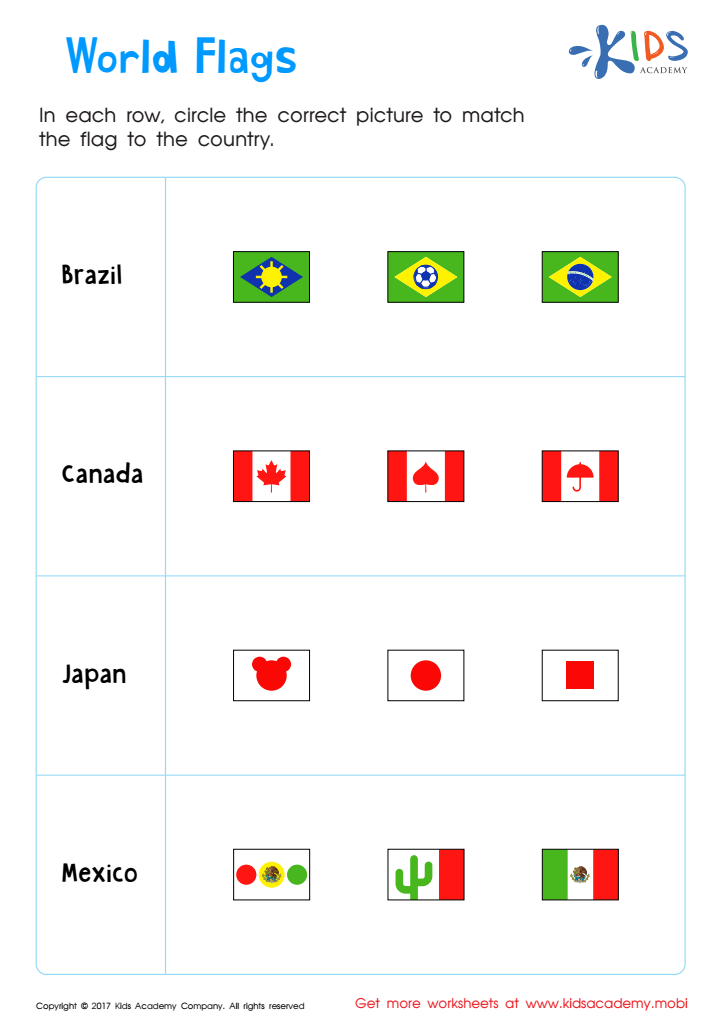
World Flags Printable
 Assign to My Students
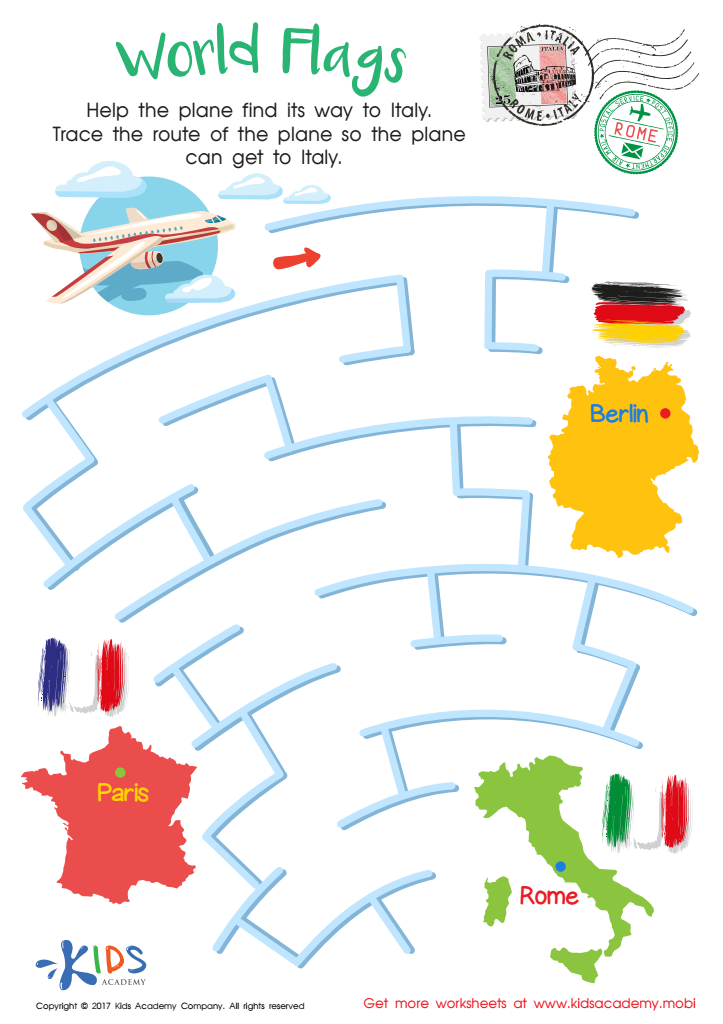
World Flags Maze Worksheet





.jpg)


Promoting cultural understanding for children aged 5-7 is foundational for fostering empathy, respect, and open-mindedness from a young age. At this developmental stage, kids are naturally curious and are beginning to form their worldviews. Introducing diverse cultures helps them appreciate differences, reducing stereotypes and prejudices early on. By learning about various traditions, languages, and customs, children can better understand and celebrate what makes each person unique.
Cultural understanding also enhances social skills. As children interact in diverse classrooms or communities, they learn to communicate and collaborate effectively with peers from different backgrounds. This prepares them for a globalized world where multicultural awareness is increasingly important.
For parents and teachers, prioritizing cultural education nurtures inclusivity and counters biases that can lead to bullying or exclusion. It raises well-rounded individuals who are not only academically competent but also socially and emotionally intelligent. Introducing stories, music, festivals, and historical contributions from various cultures can make learning engaging and memorable.
Overall, investing in cultural understanding reinsforces the idea that diversity enriches life, helping children develop into kind, thoughtful adults who contribute positively to society. It's not just an add-on to the curriculum but a vital component to raising compassionate and conscientious global citizens.








