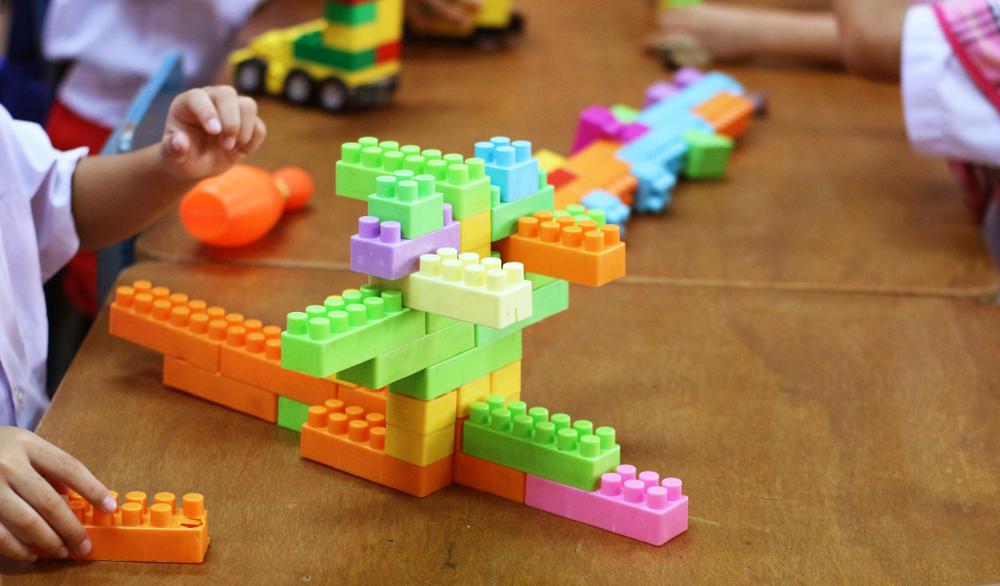
Explore our engaging collection of "Developing Critical Thinking Worksheets" for children ages 5-7. These thoughtfully designed worksheets foster analytical skills, encouraging young learners to think creatively and solve problems. Through fun activities, kids will enhance their reasoning abilities, make connections, and develop independent thought. Ideal for teachers and parents looking to support early education, our resources align with standardized learning objectives, making it easy to integrate critical thinking into everyday learning. With vibrant visuals and relatable scenarios, these worksheets will keep children motivated while they cultivate essential skills for lifelong success. Start nurturing the critical thinker in your child today!

Check out this FREE "Developing critical thinking" Trial Lesson for age 5-7!

Freedom and Rights

Favorites
With answer key
Interactive
  • 5-7
  • Developing critical thinking
Seeds on the Move Worksheet

Seeds on the Move Worksheet

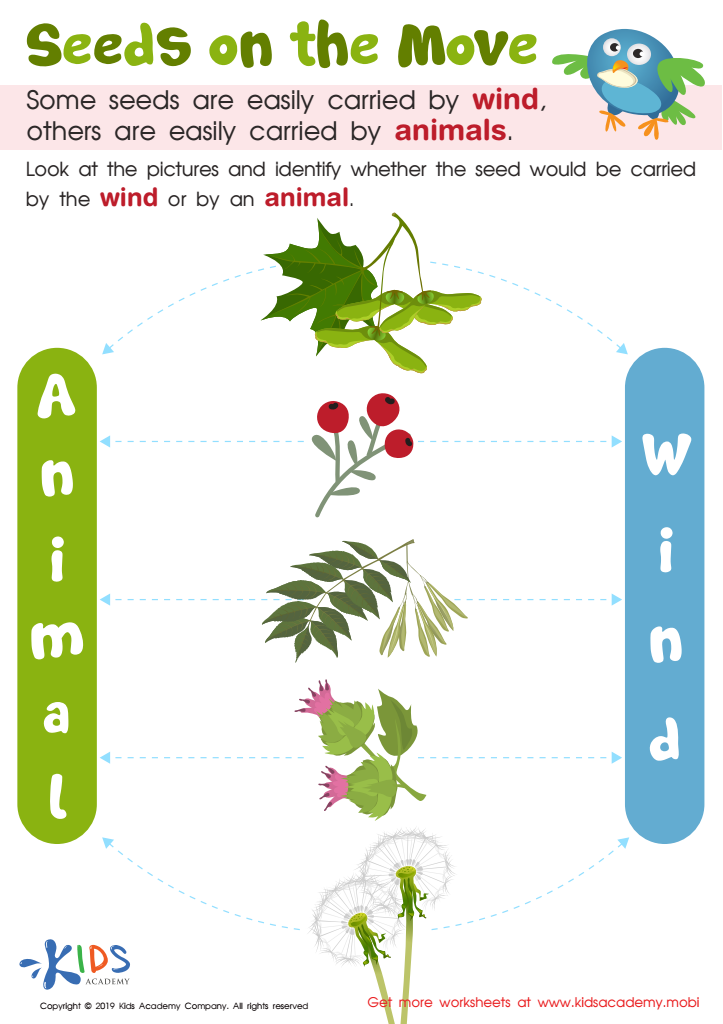
Help students understand the concept of spreading seeds with this fun traceable worksheet. Discuss the pictures, and see if they can identify whether the seed is carried by the wind or an animal. Explain how seeds can travel from place to place without human help, and how this helps them grow in new locations.
Seeds on the Move Worksheet
Worksheet
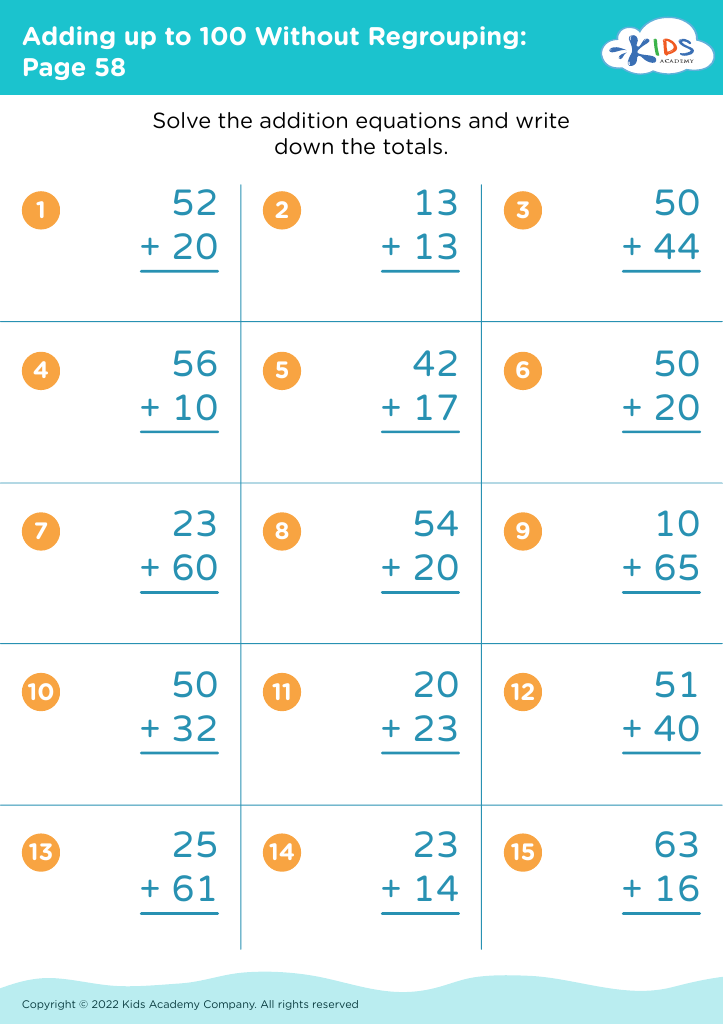
Adding up to 100 Without Regrouping: Page 58
Worksheet
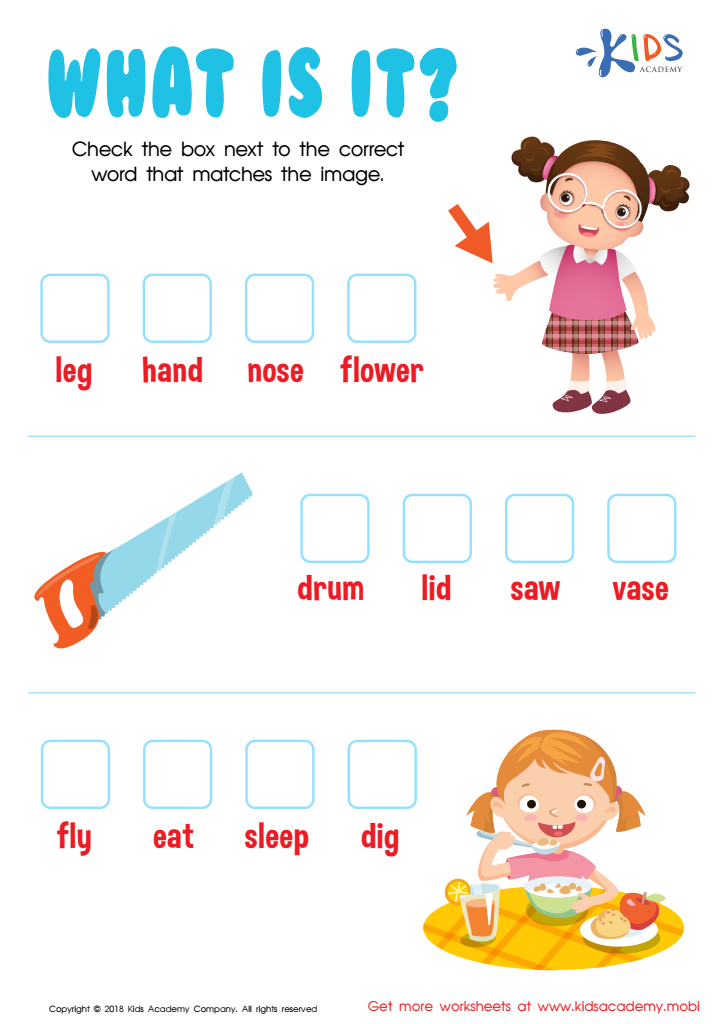
What Is It? Worksheet

What Is It? Worksheet

Test your kids' object recognition skills with this worksheet. Have them identify each picture, then check the box next to the correct word. Point to the image and ask your child what it is; then help them select the correct answer. It's a great way to see how well they can recognize objects from pictures.
What Is It? Worksheet
Worksheet
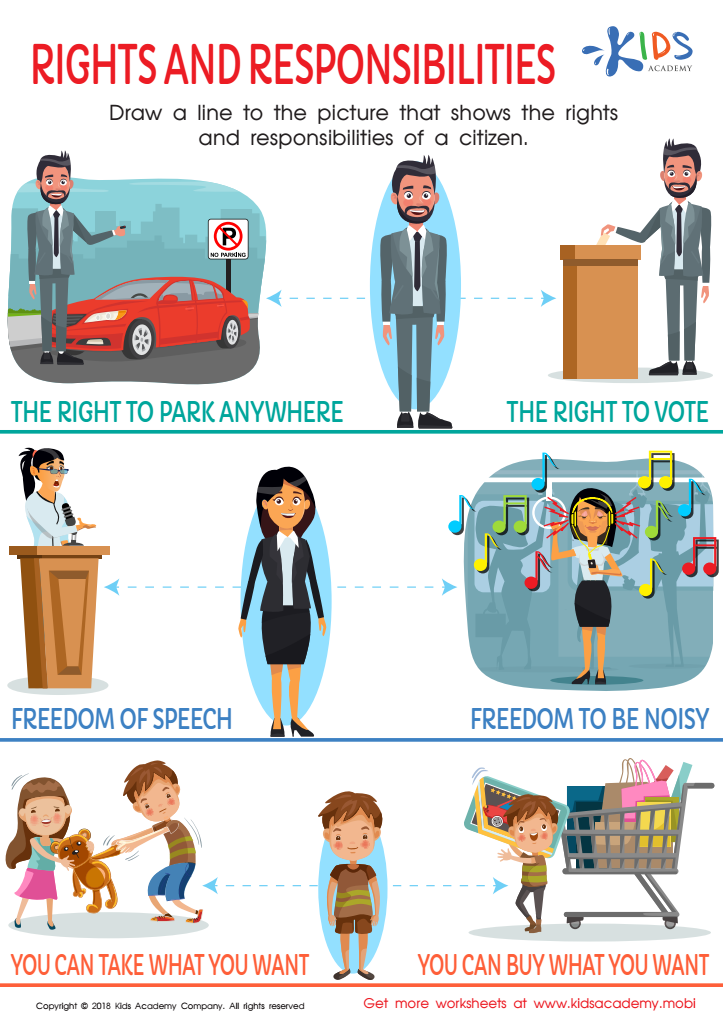
Rights and Responsibilities Worksheet

Rights and Responsibilities Worksheet

Encourage your kids to discuss their rights as citizens. Help them recognize fundamental human rights they're entitled to. Review the worksheet: ask them to read aloud and draw a line to the right picture. Invite them back to the discussion to explain their choices. Each step will help them understand and exercise their rights.
Rights and Responsibilities Worksheet
Worksheet
Human, natural, and capital resources worksheet

Human and Capital Resources Worksheet
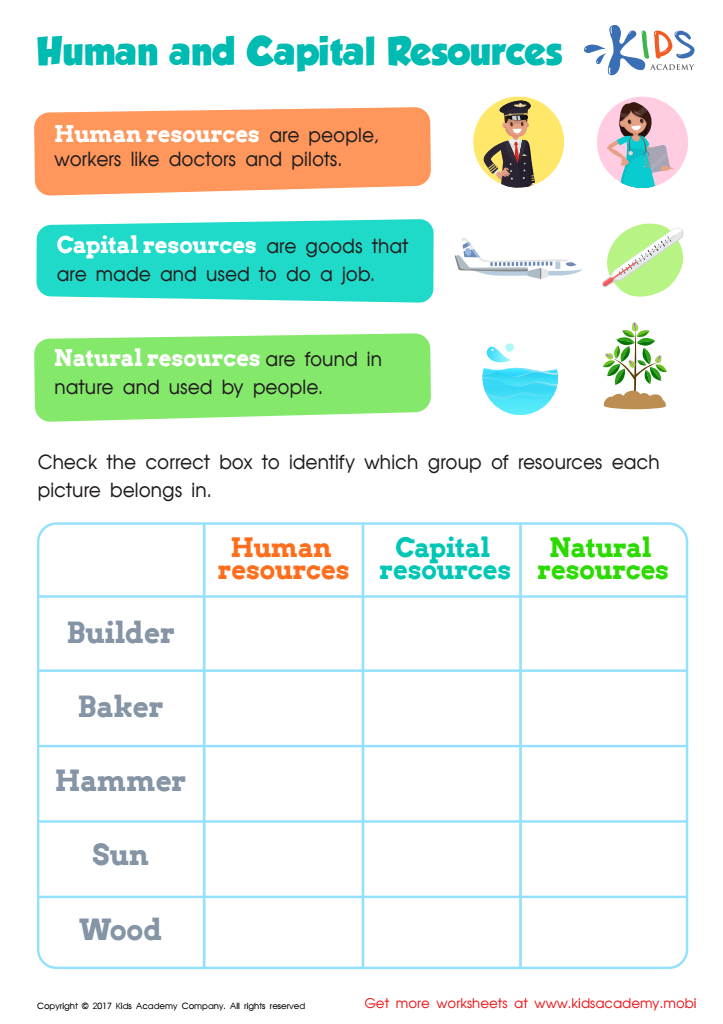
It helps identify and differentiate human, natural and capital resources, so your kid can understand how each affects their world.
Human and Capital Resources Worksheet
Worksheet
Adding up to 1000: Page 64

Adding up to 1000: Page 64

Adding up to 1000: Page 64
Worksheet
Subtracting Numbers: Music Worksheet

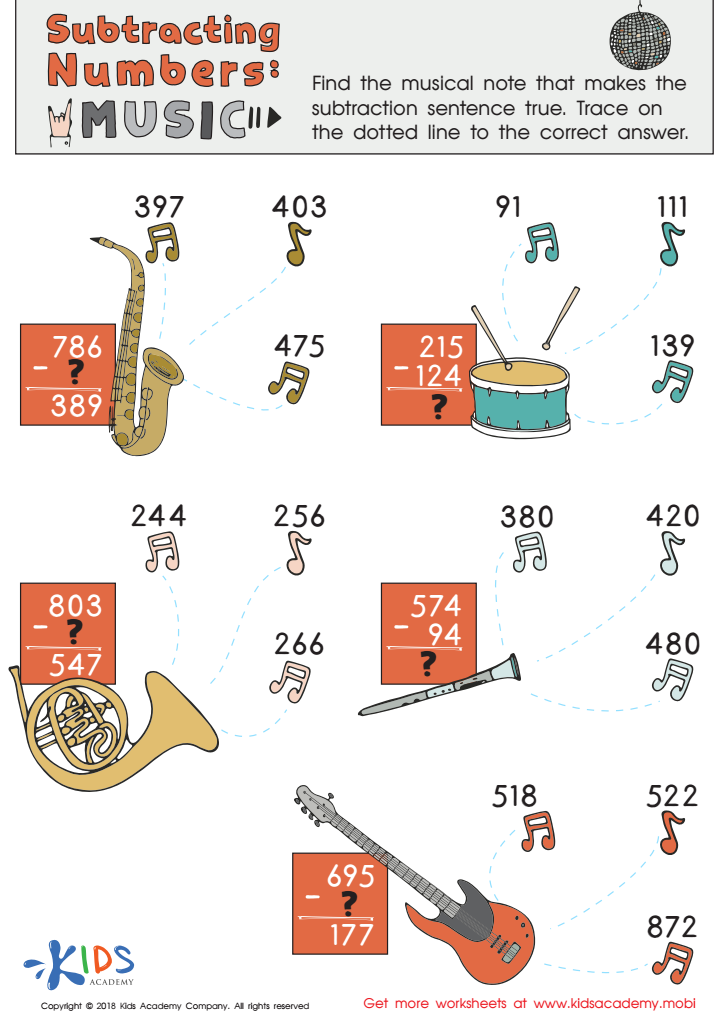
Subtracting Numbers: Music Worksheet

Enroll your kids in a music class and let them express their feelings via music! This worksheet challenges them to identify the musical note that makes the subtraction sentence true. Help them solve the problem and trace the dotted line to the correct answer. Let their appreciation for music grow!
Subtracting Numbers: Music Worksheet
Worksheet
What Makes a Good Citizen? Worksheet

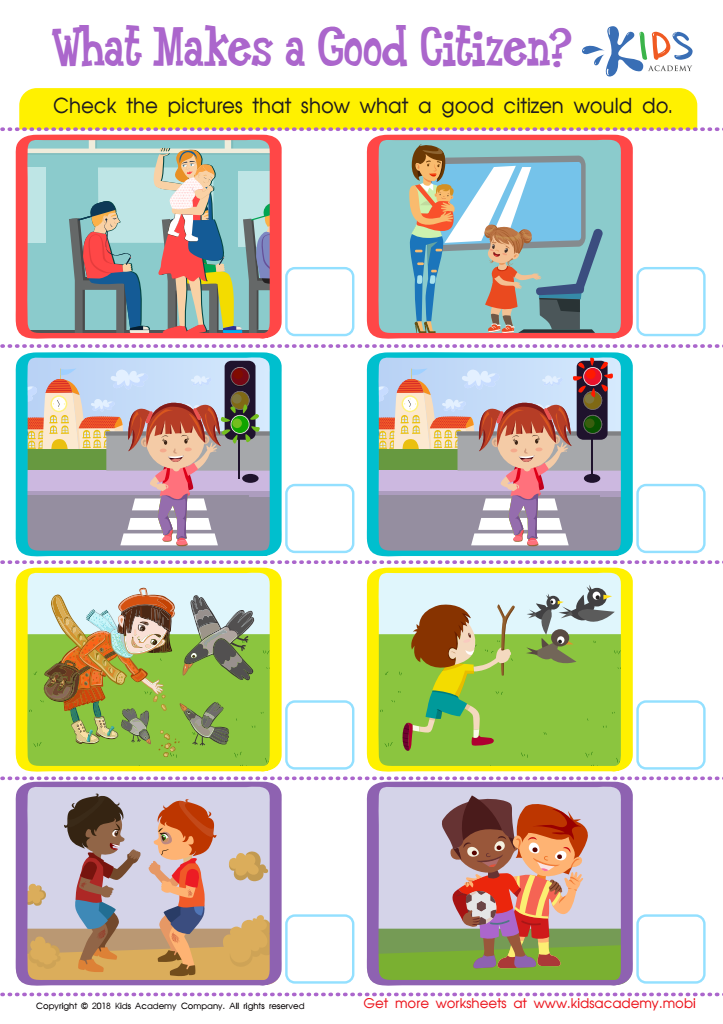
What Makes a Good Citizen? Worksheet

Ask your children to list some habits of a good citizen. Go through the worksheet and ask them if any of the pictures show good habits. Check the boxes of the actions that a good citizen would do to help your students understand what makes a good and bad citizen.
What Makes a Good Citizen? Worksheet
Worksheet
How We See Objects Worksheet

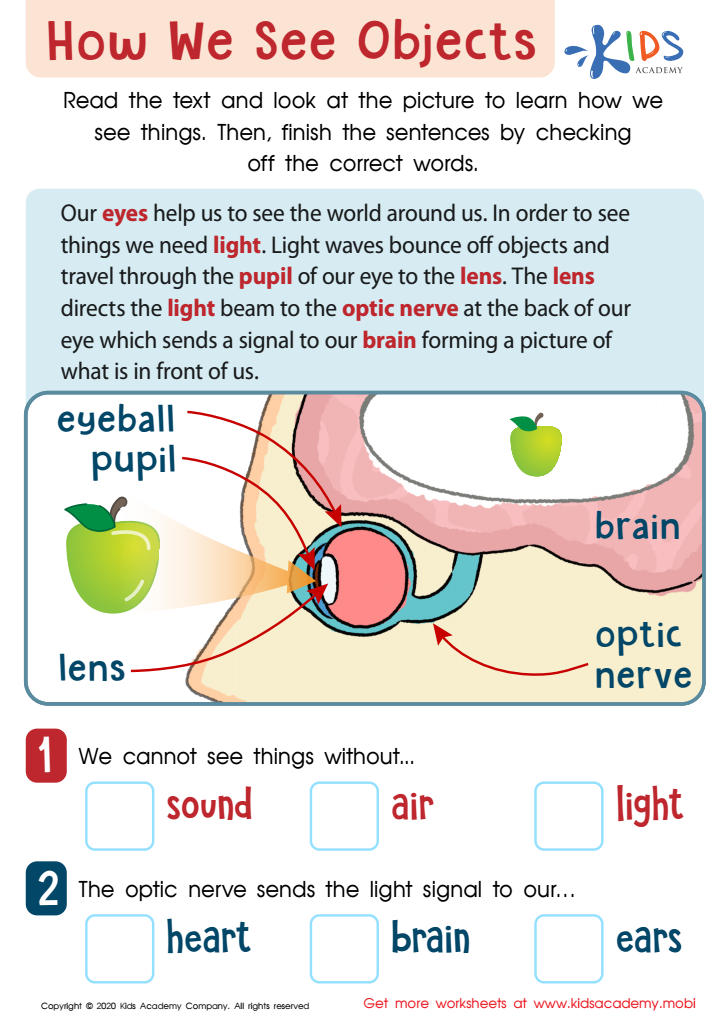
How We See Objects Worksheet

Remind your students of our five senses! This worksheet will teach them more about sight: read/listen to the text, look at pictures, then help them complete sentences. Check off the right words!
How We See Objects Worksheet
Worksheet
Man-Made or Natural? Worksheet


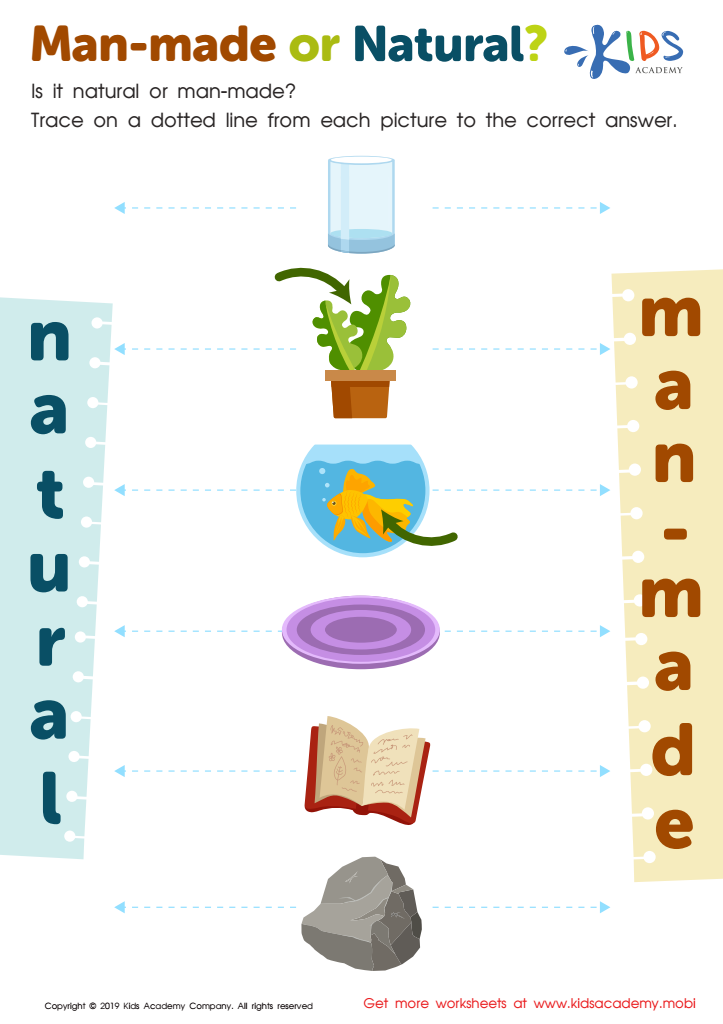
Man-Made or Natural? Worksheet

Ask your students to name natural and man-made objects. Check the worksheet to help them identify the objects, then trace the dotted line to determine if it's natural or man-made.
Man-Made or Natural? Worksheet

Worksheet


Developing critical thinking skills in children aged 5-7 is essential for their overall growth and academic success. During these formative years, children begin to form the foundational skills necessary for problem-solving, reasoning, and decision-making. Caregivers and educators should prioritize critical thinking to help children navigate complexities, understand diverse perspectives, and approach challenges with confidence.

Critical thinking fosters curiosity and encourages children to ask questions and seek answers independently. It cultivates a mindset of exploration and creativity, allowing them to express ideas clearly and engage with the world around them. Moreover, as technology continues to advance, equipping children with the ability to think critically helps them discern credible information from misinformation.

Investing in critical thinking at a young age builds resilience and adaptability, skills crucial for an ever-changing society. Children learn to analyze situations, weigh options, and come to informed conclusions—tools they will carry into adulthood. Ultimately, nurturing these skills empowers children to become proactive learners, equipped to face life's challenges with a thoughtful and analytical approach, setting the stage for lifelong learning and success. Thus, parents and teachers play a vital role in fostering a critical thinking mindset that will benefit children now and in their future endeavors.