Directional skills Worksheets for Ages 5-7
6 filtered results
-
From - To
Enhance your child's spatial awareness with our Directional Skills Worksheets designed for ages 5-7. These engaging activities help young learners develop essential directional vocabulary and understanding, including up, down, left, right, and more. Through colorful illustrations and fun exercises, children will follow simple instructions, map out paths, and identify directions, fostering both cognitive and motor skills. Ideal for at-home learning or classroom use, our worksheets make mastering directional concepts enjoyable and interactive. Give your child the confidence to navigate the world around them with these essential learning tools. Explore our collection today and watch your child's skills flourish!
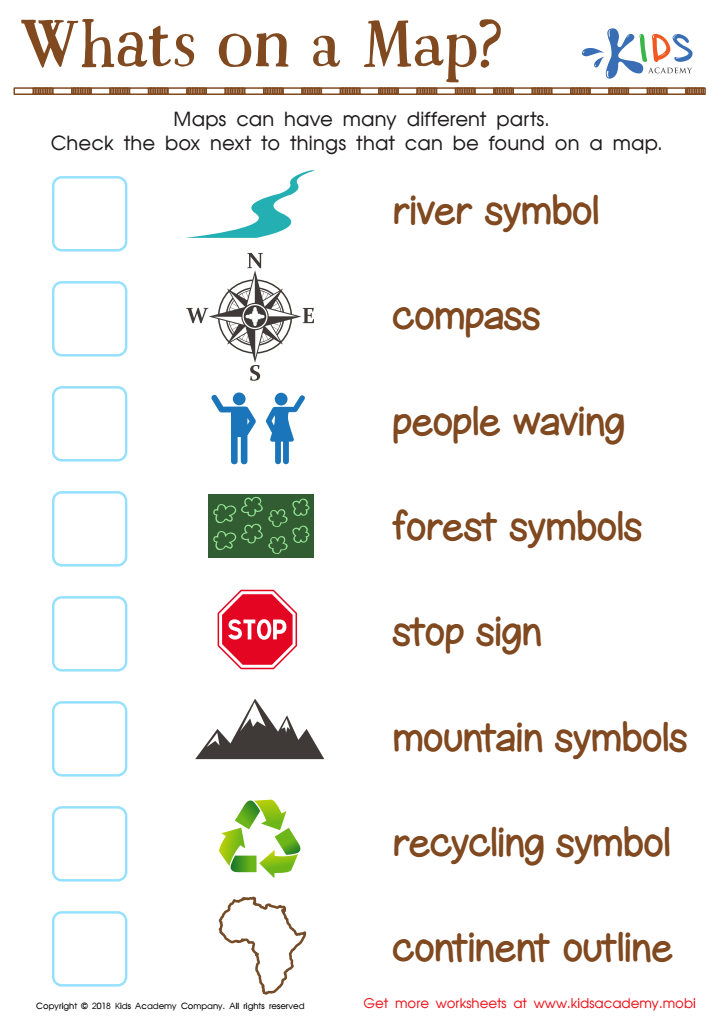
Whats on a Map? Worksheet
 Assign to My Students
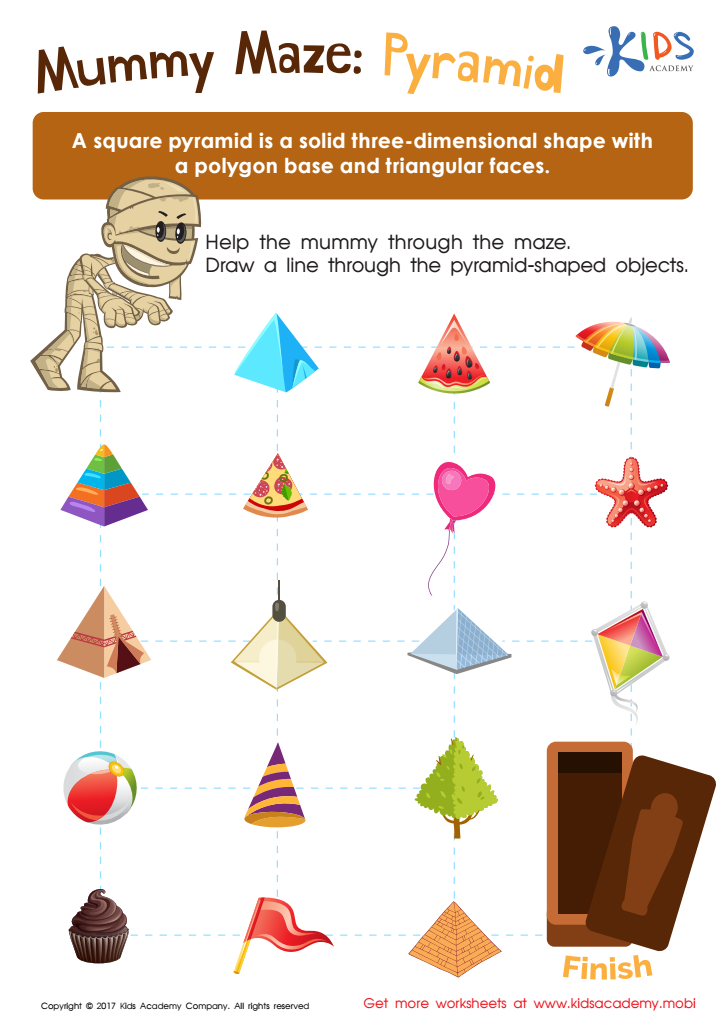
Mummy Maze: Pyramid Printable
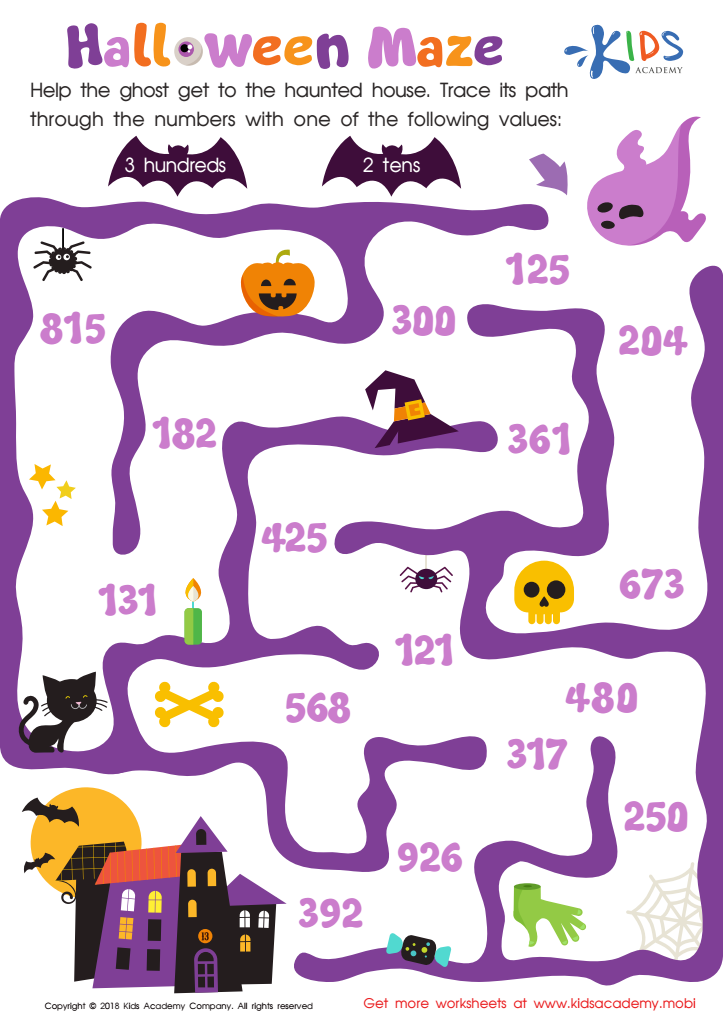
Place Value: Halloween Maze Worksheet
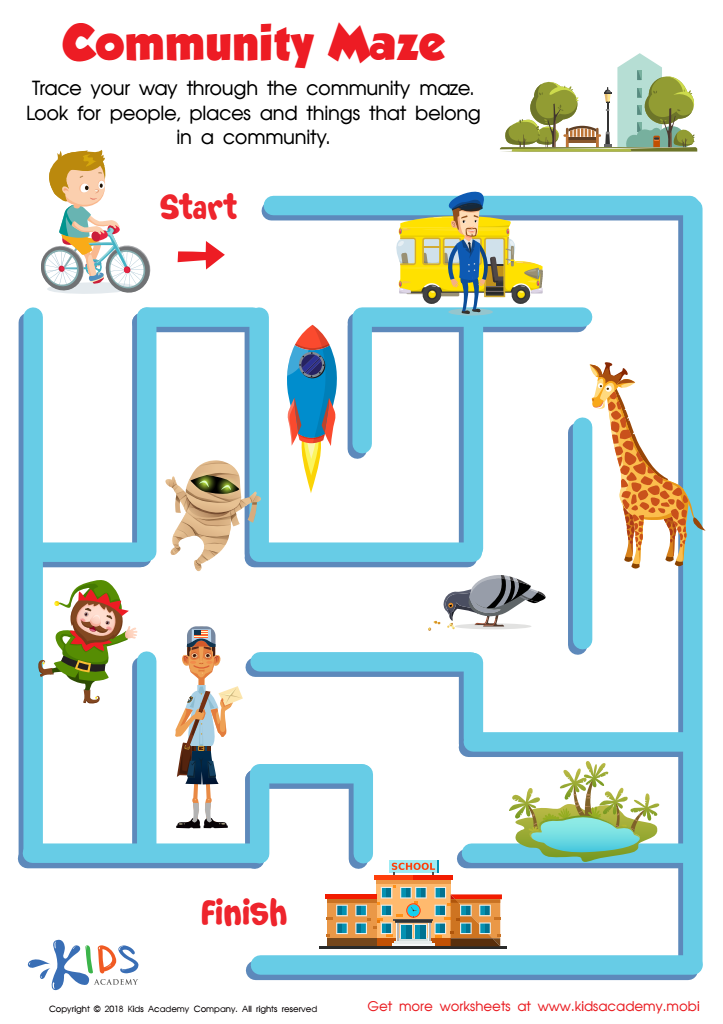
Community Maze Worksheet
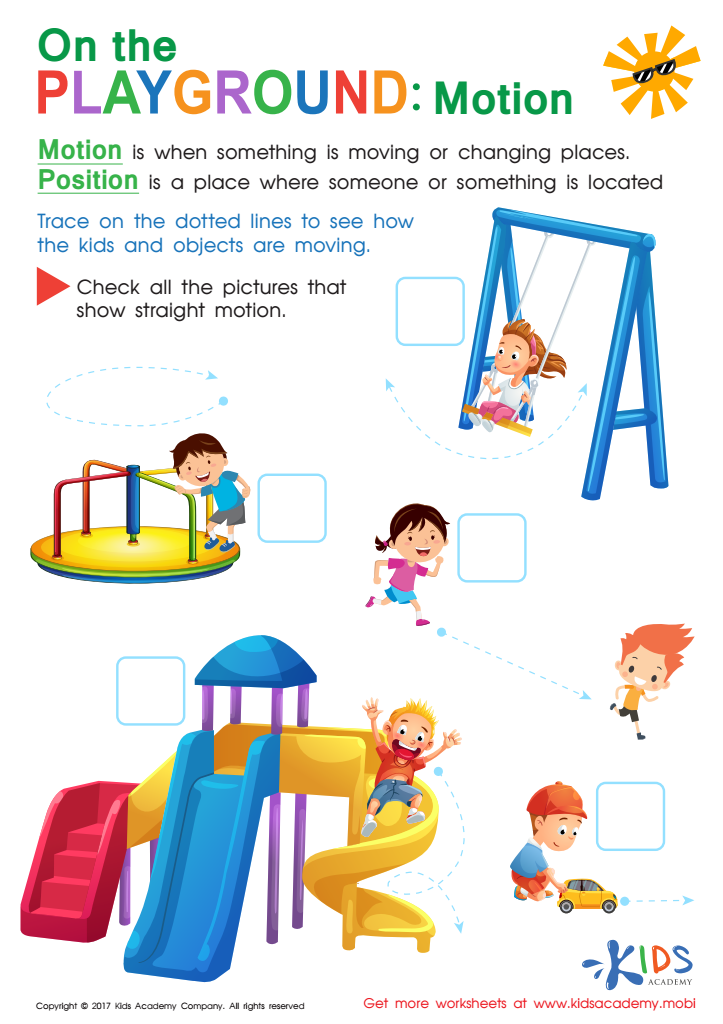
Position and Motion Worksheet
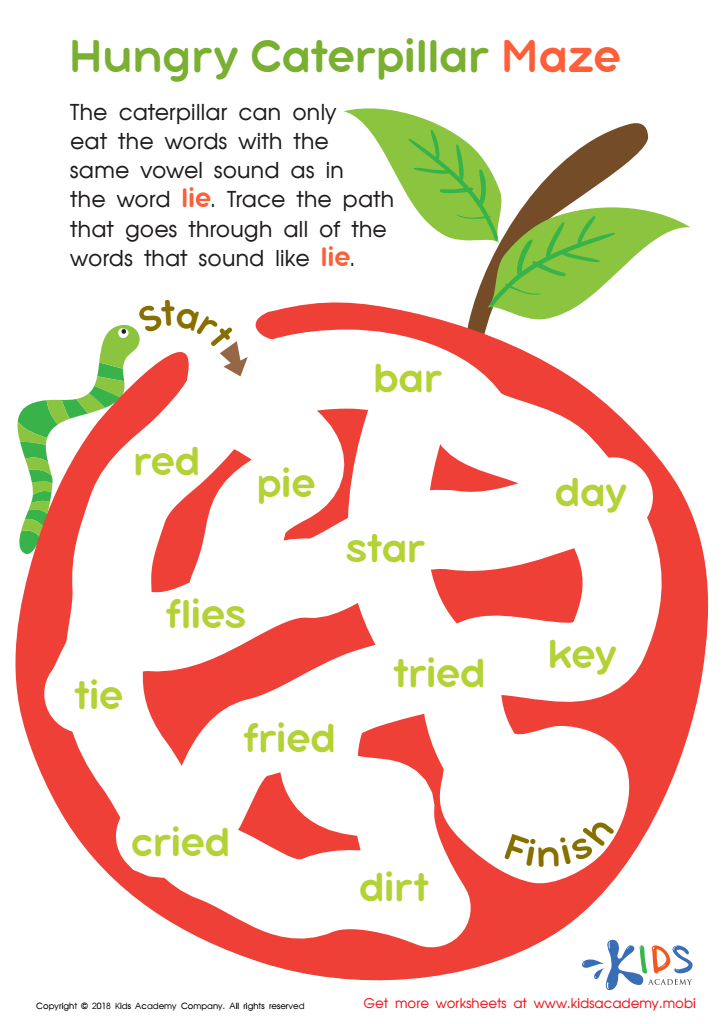
Hungry Caterpillar Maze Worksheet






Directional skills are fundamental for children aged 5-7 as they form the basis for essential developmental milestones, including spatial awareness and navigation. During these formative years, children are beginning to interact with their physical environment more actively, making it crucial for parents and teachers to focus on these skills.
Directional skills, like identifying left from right, up from down, or understanding directional words (such as in front of, behind, and beside), contribute significantly to a child's ability to follow instructions, play games, and engage in math-related activities. These skills also enhance their ability to participate in physical education, helping them with movement-related tasks and stories requiring spatial understanding.
Furthermore, strong directional skills can boost confidence and independence. As children learn to navigate their surroundings, they become more competent and self-assured, reducing frustration in daily tasks. Parents and teachers can foster directional skills through engaging activities that include games, storytelling, and visual-spatial activities, making learning enjoyable and impactful. Investing in directional skills at this age not only lays a foundation for future learning but also promotes effective communication and social interaction among peers. Ultimately, prioritizing these skills is essential for holistic childhood development.








