Identify numbers Worksheets for Ages 5-7
3 filtered results
-
From - To
Welcome to our "Identify Numbers Worksheets for Ages 5-7" page! Here, you’ll find a variety of engaging and interactive worksheets designed to help young learners master number recognition. Our resources are perfect for honing foundational math skills while keeping children entertained. Activities include number tracing, matching games, and fun visuals that promote cognitive development. These worksheets encourage independence and boost confidence in early math learners. Ideal for both classroom and home use, our materials support diverse learning styles and keep kids motivated. Explore our collection and watch your child grow in their numerical understanding and skills!
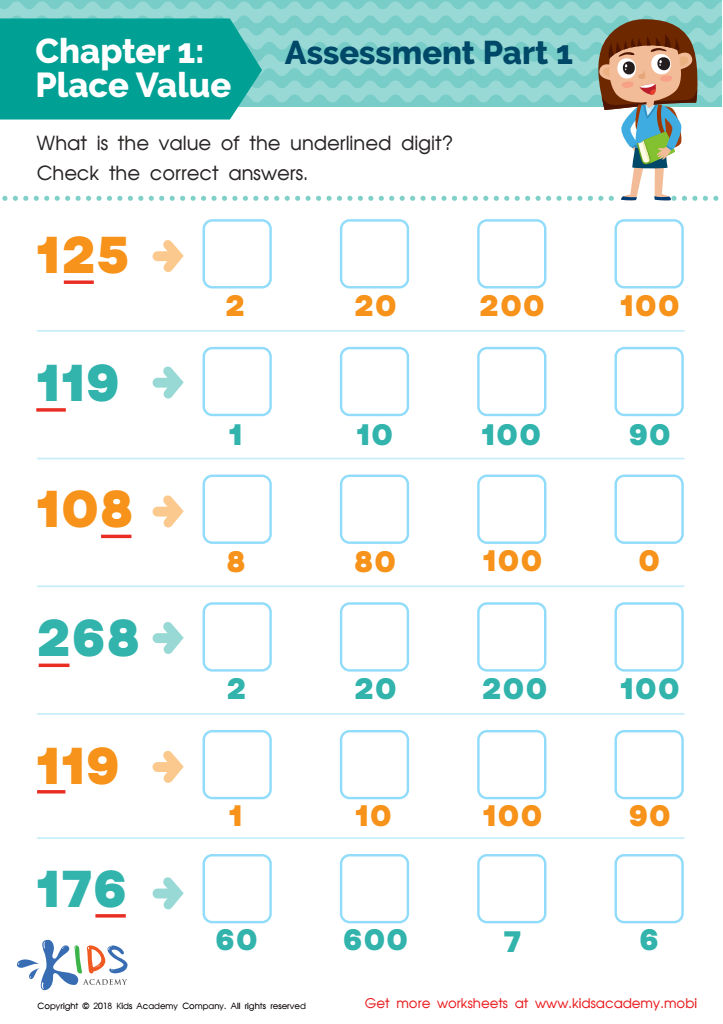
Place Value: Chapter 1 Worksheet
 Assign to My Students
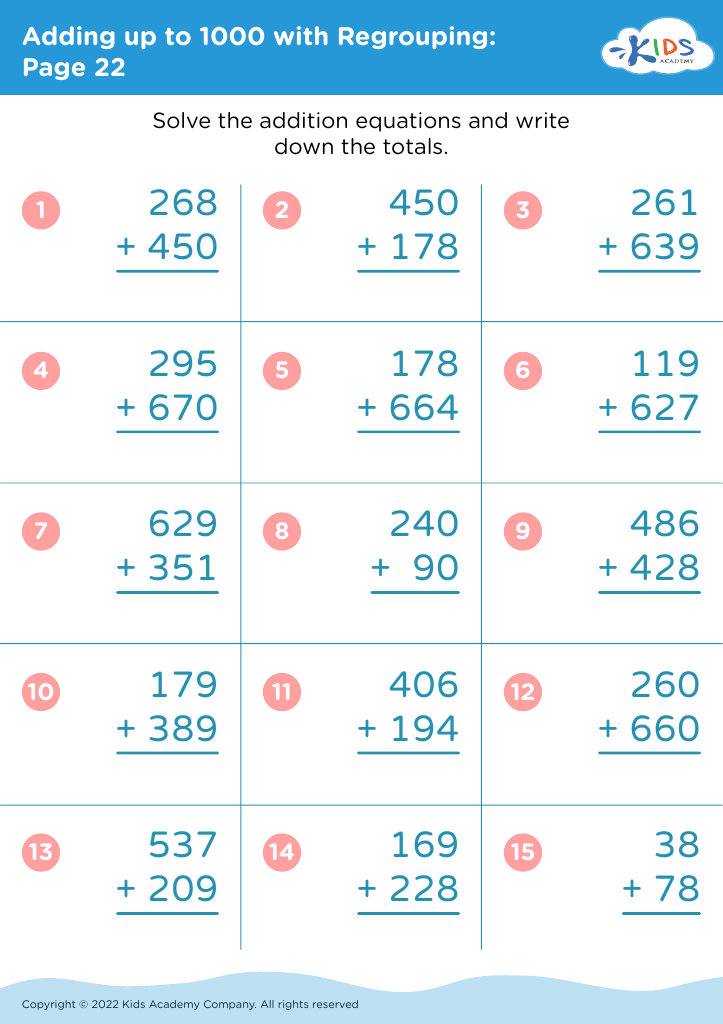
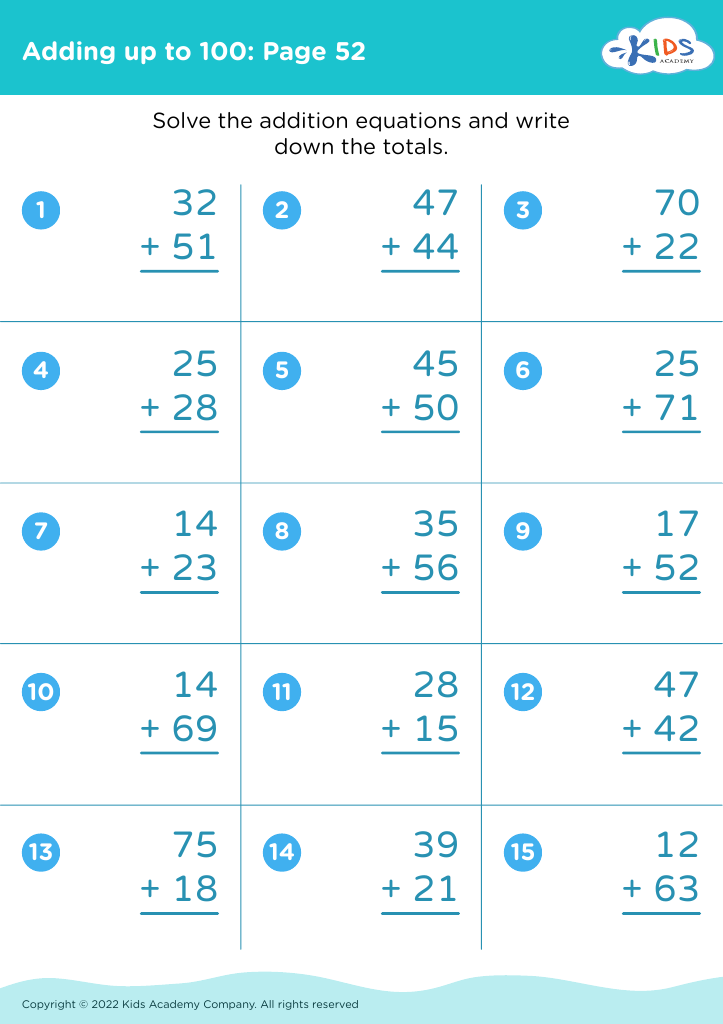








Understanding and identifying numbers is a fundamental skill for children aged 5-7, laying the groundwork for their lifelong learning and future success. During these formative years, children are naturally curious and eager to explore the world around them; learning about numbers taps into this curiosity, enhancing their cognitive and problem-solving skills.
When parents and teachers focus on number identification, they help children develop essential mathematical competencies. Recognizing numbers allows children to understand basic concepts like counting, comparing quantities, and performing simple arithmetic operations. These skills are not only crucial for subsequent math learning but also integrate into everyday life scenarios, such as shopping, cooking, and planning activities.
Additionally, learning numbers fosters confidence in children as they gain independence in basic tasks, thereby promoting a positive attitude towards learning. This early exposure by parents and teachers can spark a lifelong interest in mathematics and critical thinking. Early engagement with numbers also supports language development, as children learn to communicate mathematical ideas effectively. Together, parents and teachers can create a supportive environment that enhances number recognition, imbue children with foundational skills, and encourage a positive relationship with math, ultimately contributing to their overall academic success and daily life proficiency.








