Identifying Animals Worksheets for Ages 5-7
9 filtered results
-
From - To
Explore our engaging "Identifying Animals Worksheets" designed specifically for children aged 5-7! These fun and interactive worksheets help young learners recognize and classify various animals, enhancing their observational skills and knowledge of the animal kingdom. Through colorful illustrations and age-appropriate activities, children will enjoy identifying different species while developing their vocabulary and comprehension. Perfect for homeschooling, classroom activities, or extra practice at home, these worksheets make learning about animals exciting and accessible. Encourage your child’s curiosity about wildlife as they complete each activity, building a strong foundation in both science and literacy. Download our worksheets today and let the learning begin!
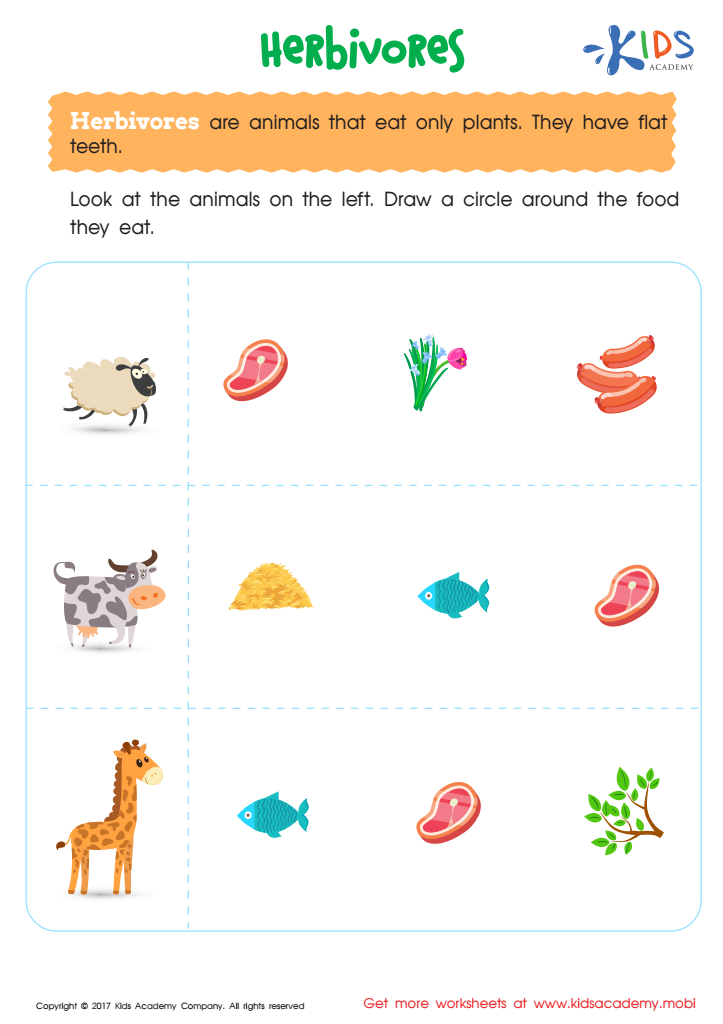
Herbivores Printable
 Assign to My Students
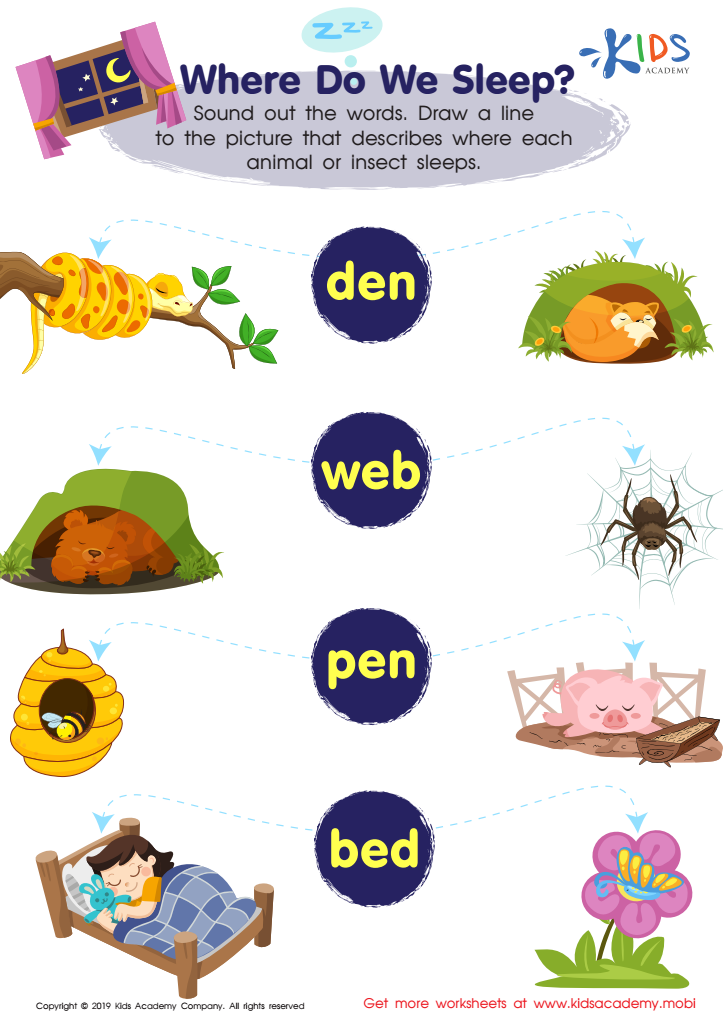
Where Do We Sleep Worksheet
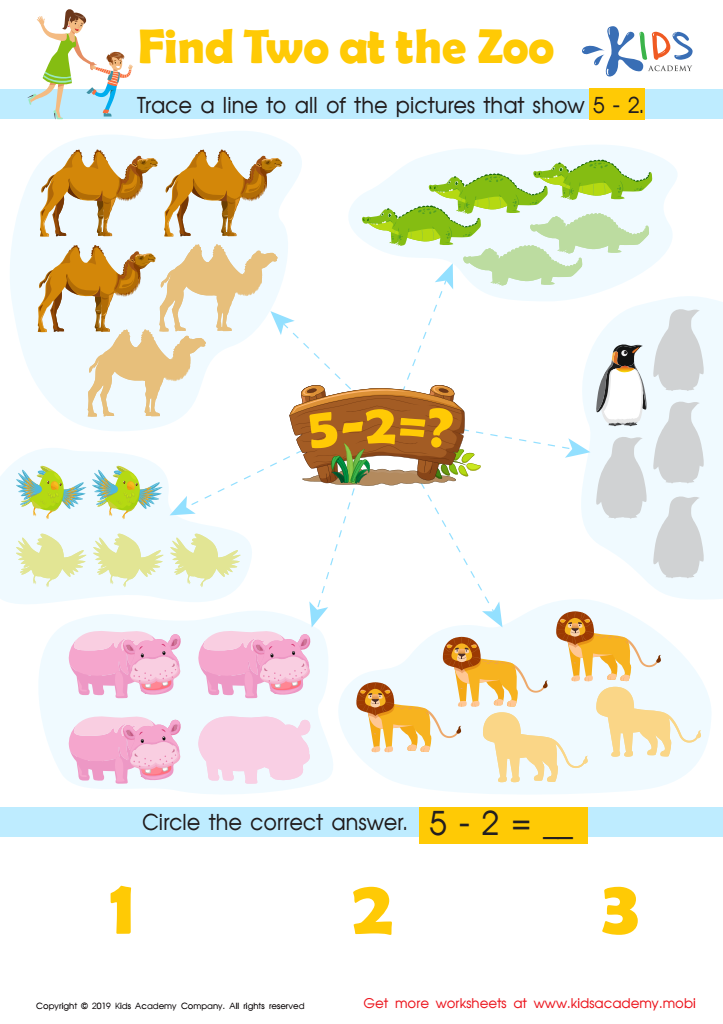
Find Two at the Zoo Worksheet
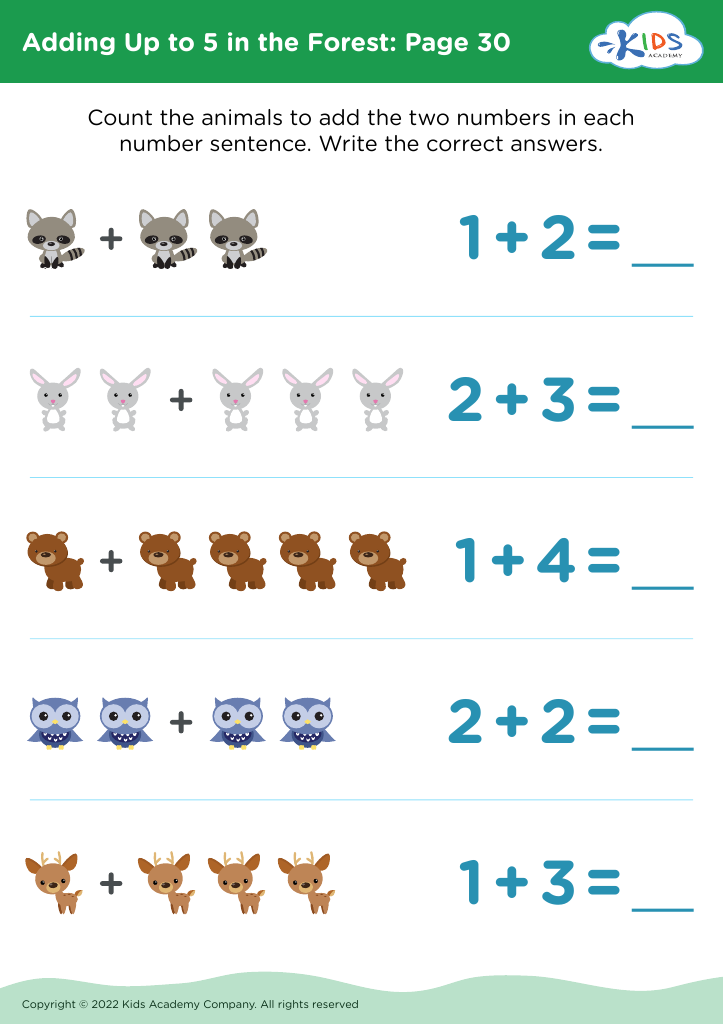
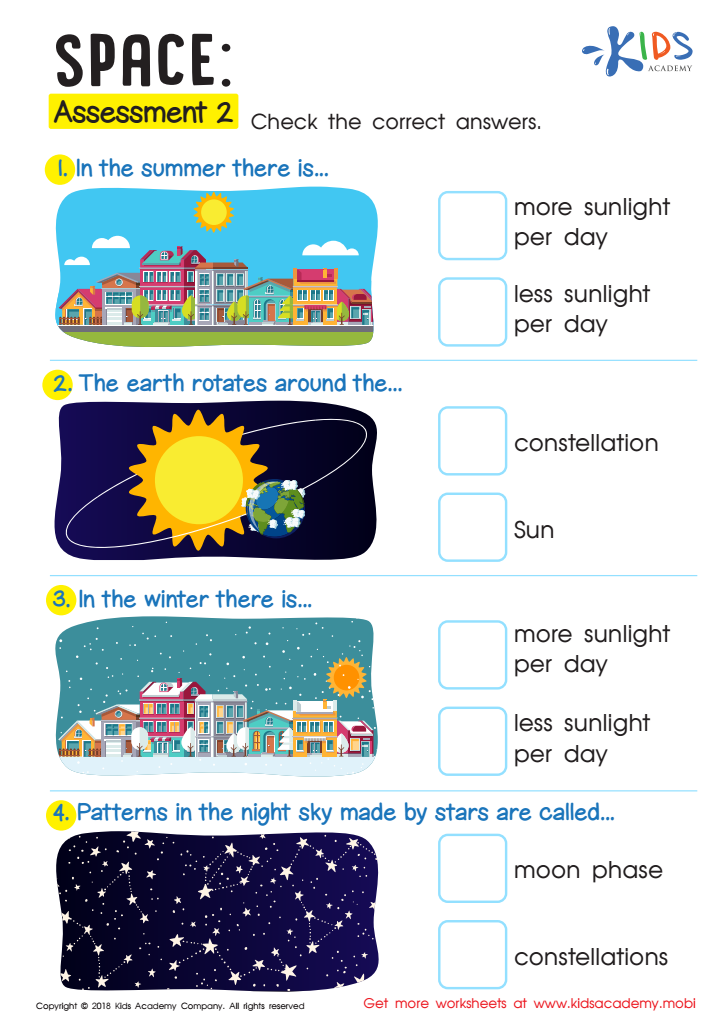
Space: Assessment 2 Worksheet
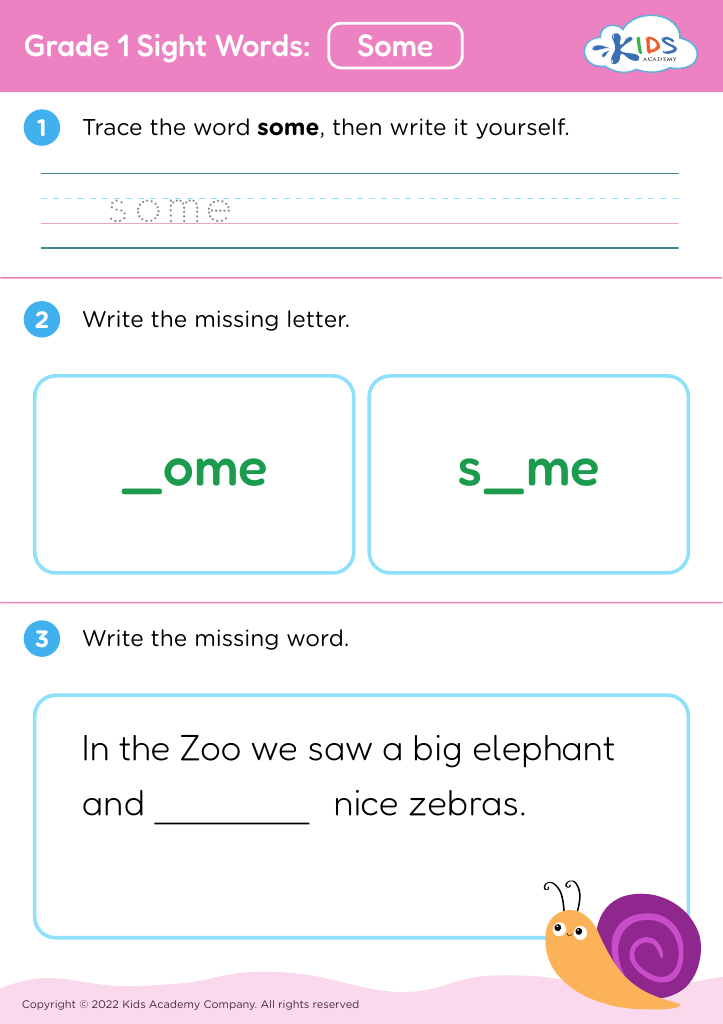







Identifying animals is an essential skill for children aged 5-7, and both parents and teachers should prioritize this learning for several reasons. Firstly, understanding different animals fosters curiosity and promotes a love for nature. This age group is naturally curious, and learning about animals engages their inquisitive minds, allowing them to explore various environments and ecosystems.
Moreover, identifying animals enhances cognitive development. Children learn to classify, observe characteristics, and make connections, which are crucial critical thinking skills. This foundational knowledge not only prepares them for future science education but also improves their ability to analyze and evaluate information in everyday life.
Additionally, recognizing animals helps instill empathy and respect for living creatures. As children learn to appreciate the diversity of life, they develop a sense of responsibility for the environment and understand the importance of wildlife conservation.
Furthermore, animal identification encourages social skills through group activities and discussions, fostering collaboration and communication among peers. Ultimately, by supporting this learning, parents and teachers play a pivotal role in nurturing well-rounded, informed, and empathetic individuals, laying the groundwork for lifelong learning and environmental stewardship.








