Identifying equivalent fractions Worksheets for Ages 5-7
8 filtered results
-
From - To
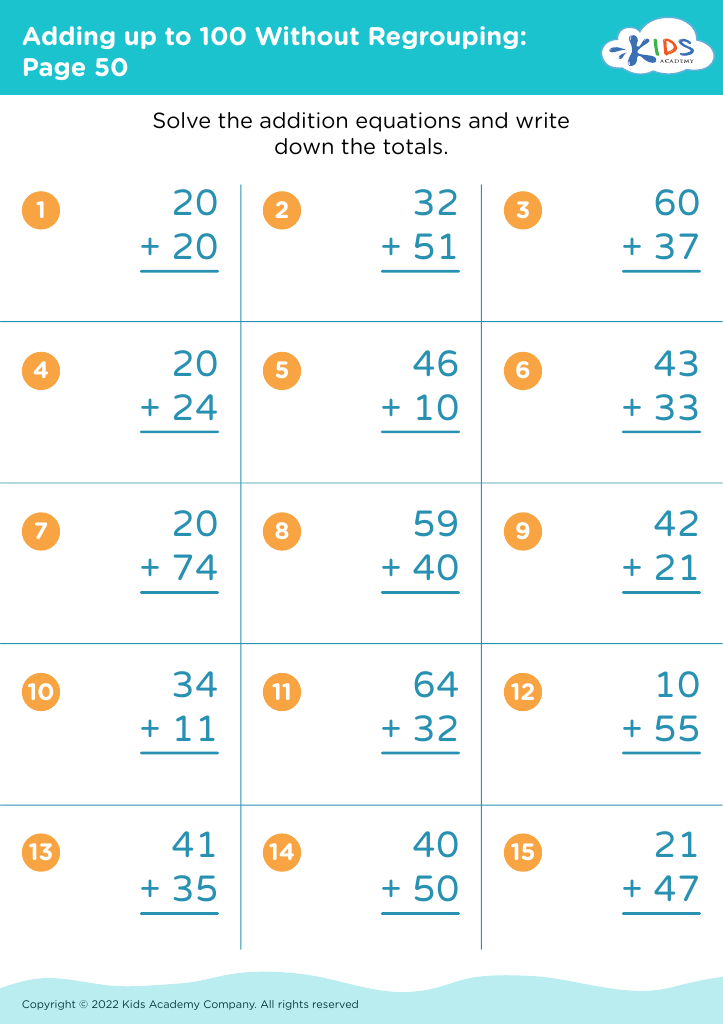
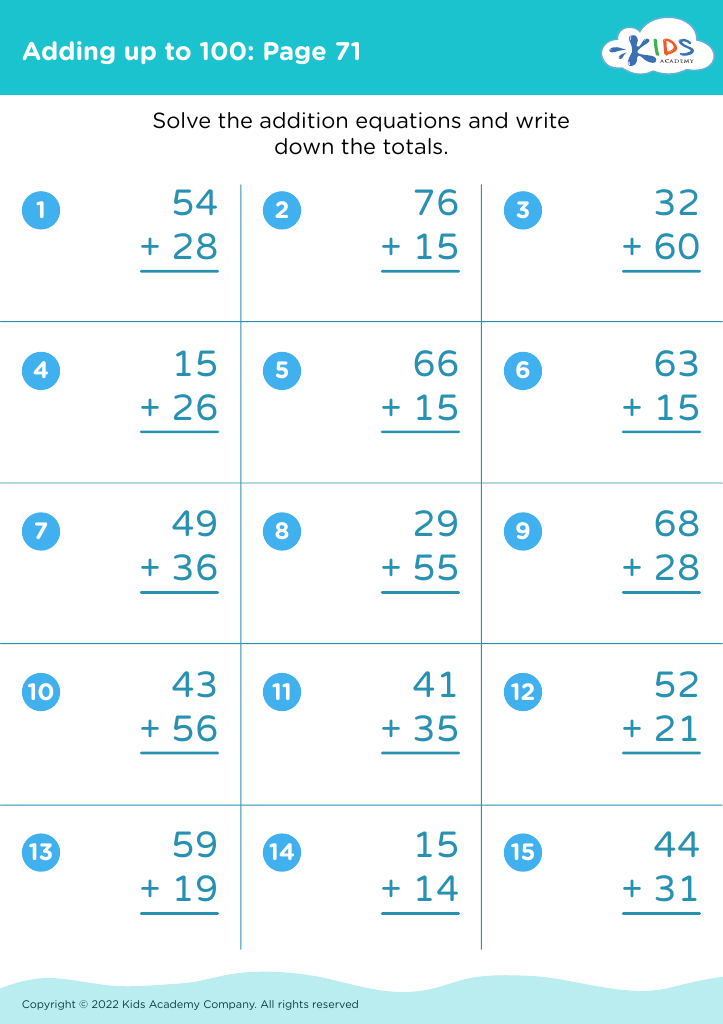
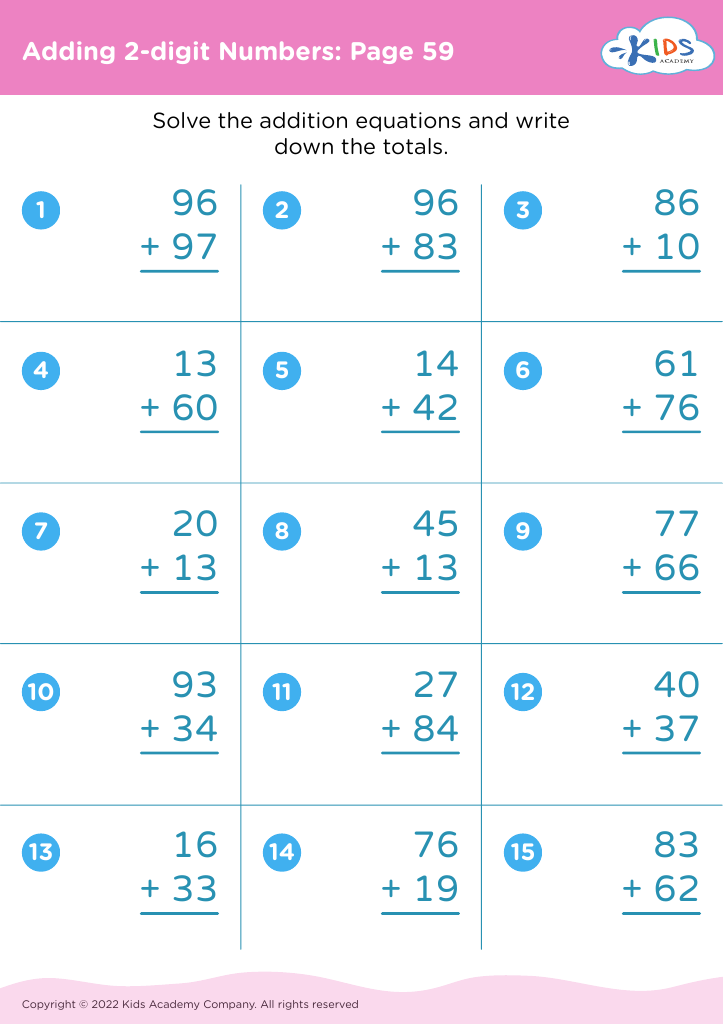
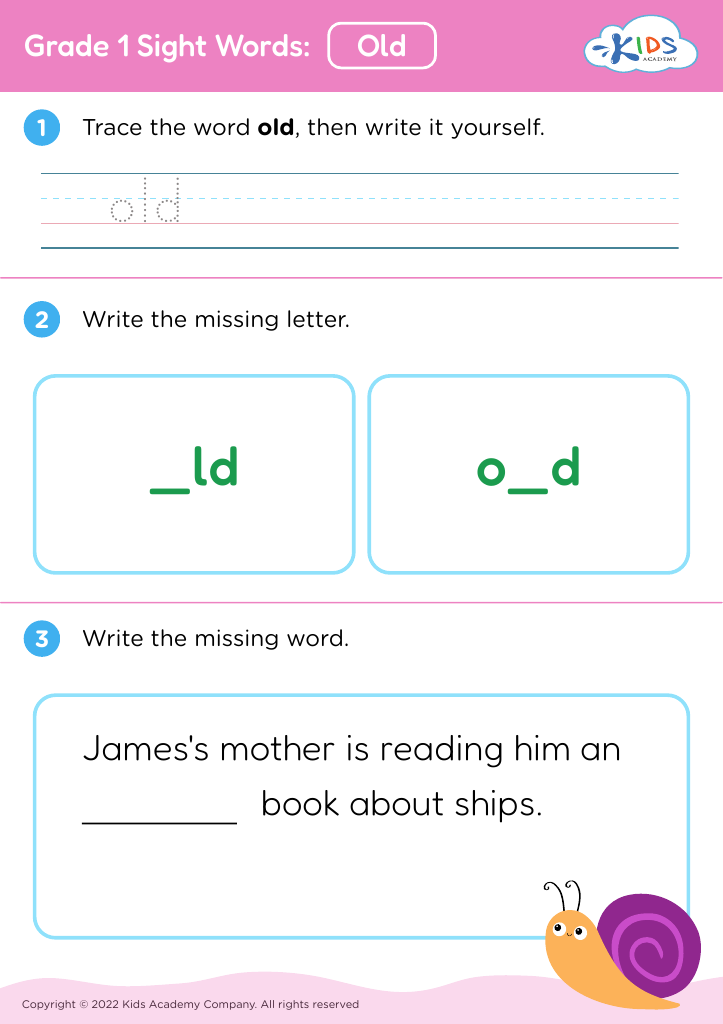
Discover our engaging "Identifying Equivalent Fractions Worksheets" designed specifically for children ages 5-7. These worksheets offer a fun and interactive way for young learners to grasp the concept of equivalent fractions through vibrant visuals and hands-on activities. Parents and teachers can easily access printable resources that promote essential math skills while keeping kids entertained. Each worksheet encourages critical thinking and problem-solving as children match, shade, and identify fractions that are equal in value. By working through these exercises, students will build a strong foundation in fraction concepts, paving the way for more advanced mathematics in the future. Start learning today!



.jpg)


Identifying equivalent fractions is a foundational skill in mathematics, particularly for students aged 5-7. Parents and teachers should care about this concept because it fosters critical thinking and lays the groundwork for advanced mathematical understanding. Recognizing equivalent fractions helps children grasp the idea that different representations can depict the same quantity. This understanding promotes flexibility in problem-solving and boosts confidence in math.
Moreover, equivalent fractions are typically used in real-world contexts—such as sharing food, measuring, or comparing quantities—making math more relatable and engaging for young learners. When children master this concept early on, they build a strong foundational knowledge that will support their success in fractions, ratios, and proportions in later grades.
Additionally, teaching equivalent fractions incorporates visual aids and interactive activities, making learning enjoyable. Engaging with fractions through hands-on activities, like using pie charts or manipulatives, enhances understanding and retention. By focusing on equivalent fractions, parents and teachers not only prepare students for more complex math but also empower them with skills that can be applied across other subjects and everyday situations, setting the stage for lifelong learning and problem-solving development.








