Phonics Skills Worksheets for Ages 5-7 - Page 4
75 filtered results
-
From - To
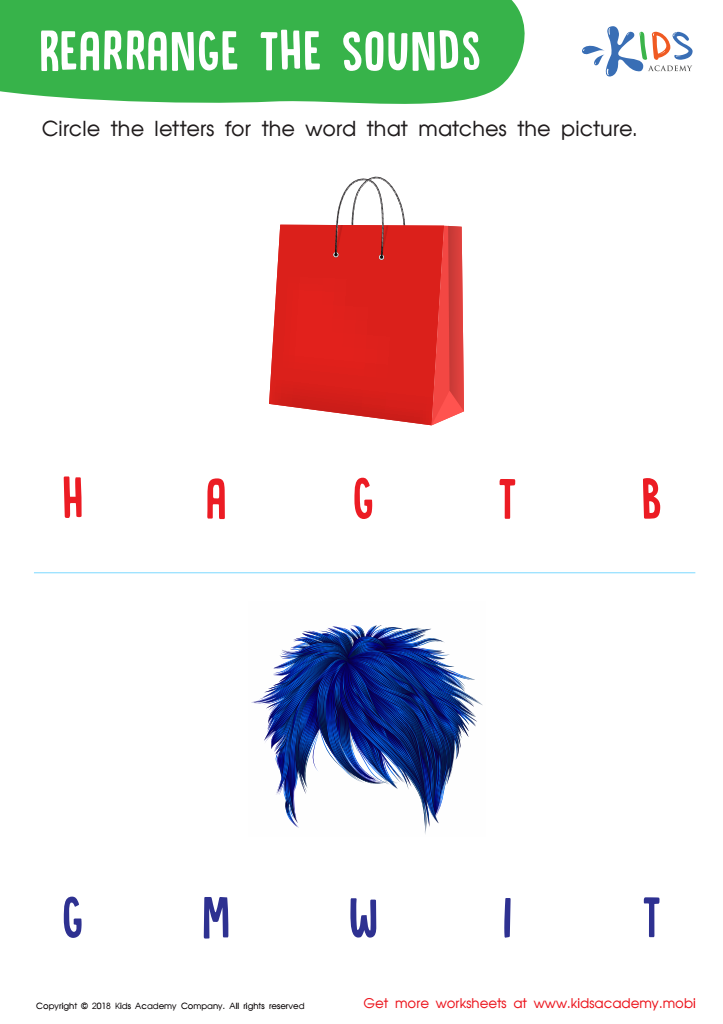
Rearrange the Sounds Worksheet
 Assign to My Students
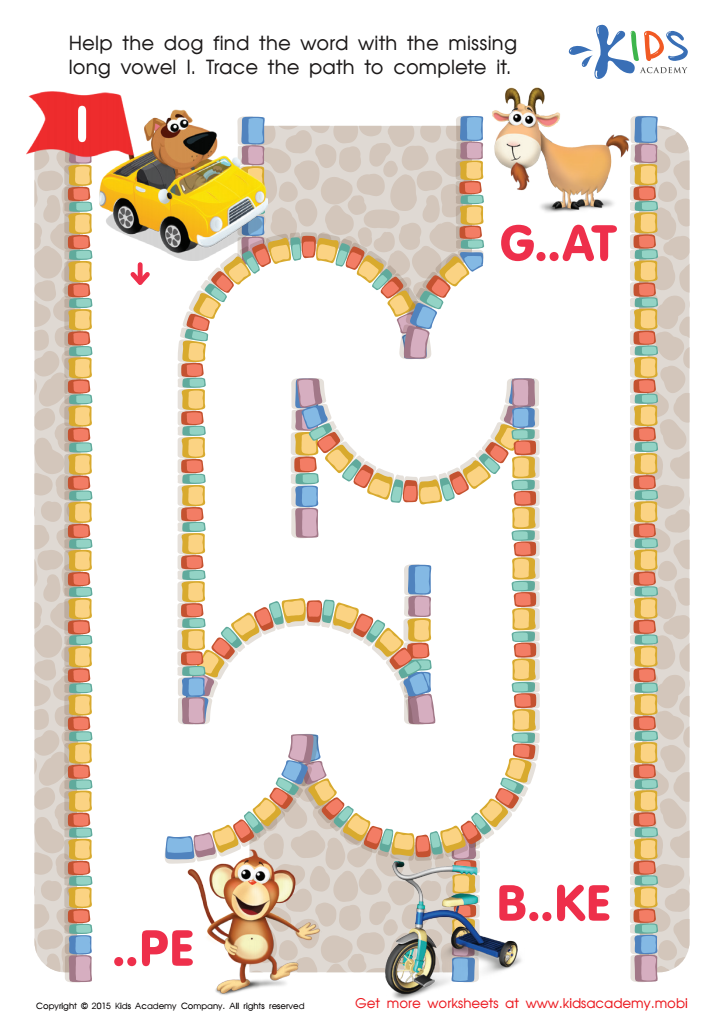
Long Vowel Sound I Worksheet
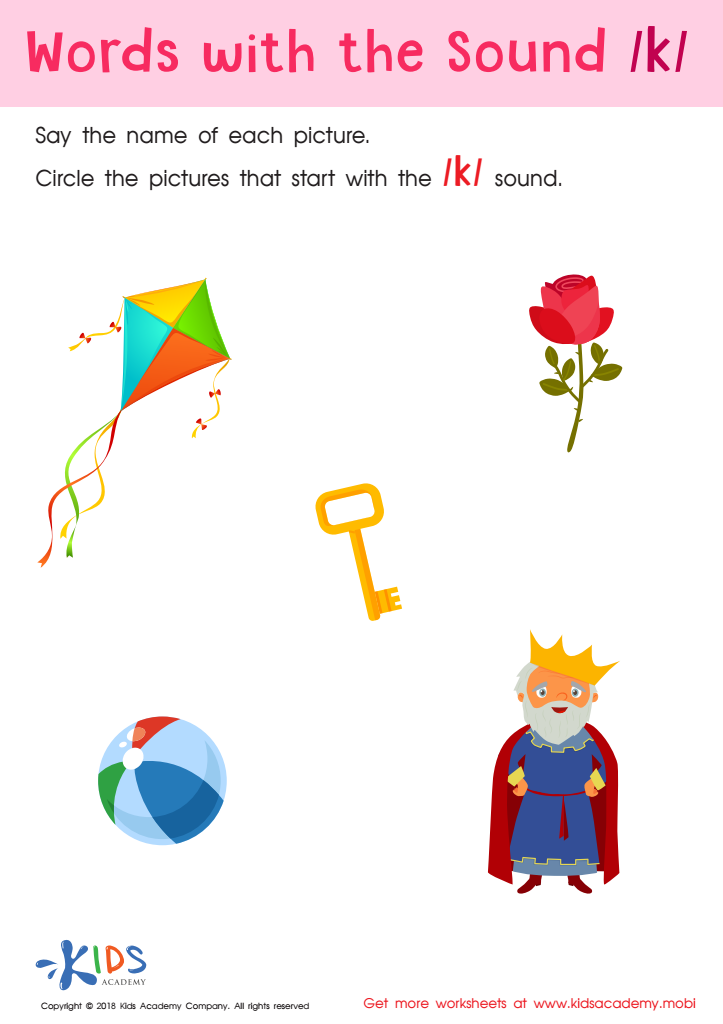
Words with sound k Reading Worksheet


%20(1).jpg)




Phonics skills are crucial for children aged 5-7 as they form the foundation of reading and literacy development. At this age, children are transitioning from learning the sounds of letters to decoding words and understanding text. Strong phonics skills enable students to recognize and manipulate the sounds within words, which builds their ability to read fluently and comprehend written material.
For parents and teachers, nurturing a solid phonics understanding is essential because it directly influences children’s confidence and motivation in reading. Proficient readers not only perform better academically but also develop a love for reading, which can foster lifelong learning. Early phonics instruction helps to identify struggling readers, allowing for timely interventions and support, ultimately preventing literacy challenges later on.
Moreover, phonics skills enhance vocabulary growth and spelling abilities, equipping children with tools to express themselves effectively. By prioritizing phonics education, caregivers can promote critical thinking and communication skills. Ultimately, investing time and resources in phonics during these formative years enables children to thrive in school and beyond, setting a solid foundation for their educational journey and personal growth.








