Understanding bar graphs Worksheets for Ages 5-7
4 filtered results
-
From - To
Explore our engaging "Understanding Bar Graphs Worksheets" designed for children aged 5-7. These interactive worksheets introduce young learners to the basics of bar graphs, fostering vital skills in data representation and interpretation. Through fun exercises and colorful visuals, students will learn to read, create, and analyze bar graphs, strengthening their understanding of math concepts in a hands-on way. Ideal for classrooms and at-home practice, our resources encourage critical thinking and boost confidence in mathematical abilities. Dive into our collection today and watch your child develop a solid foundation in interpreting visual data while having fun!
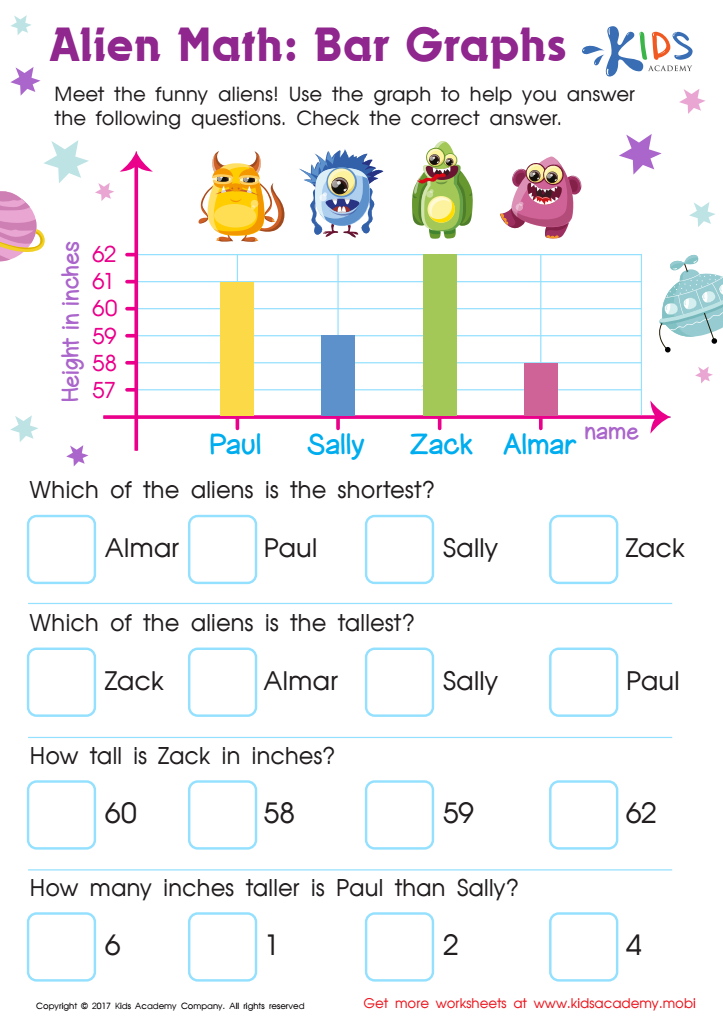
Bar Graphs Worksheet
 Assign to My Students
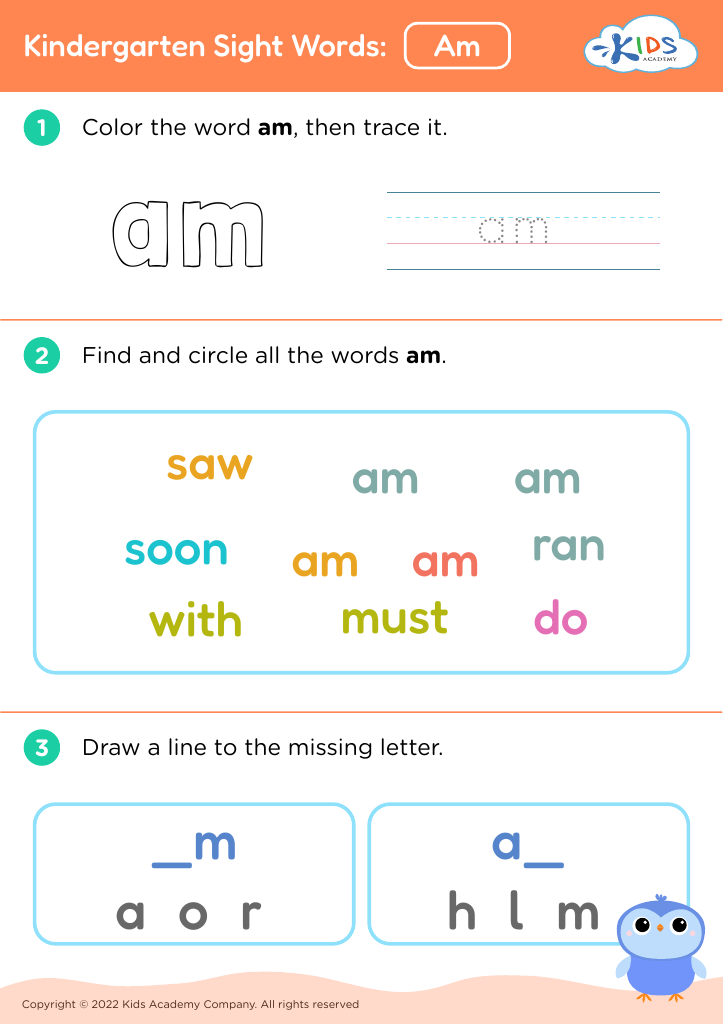
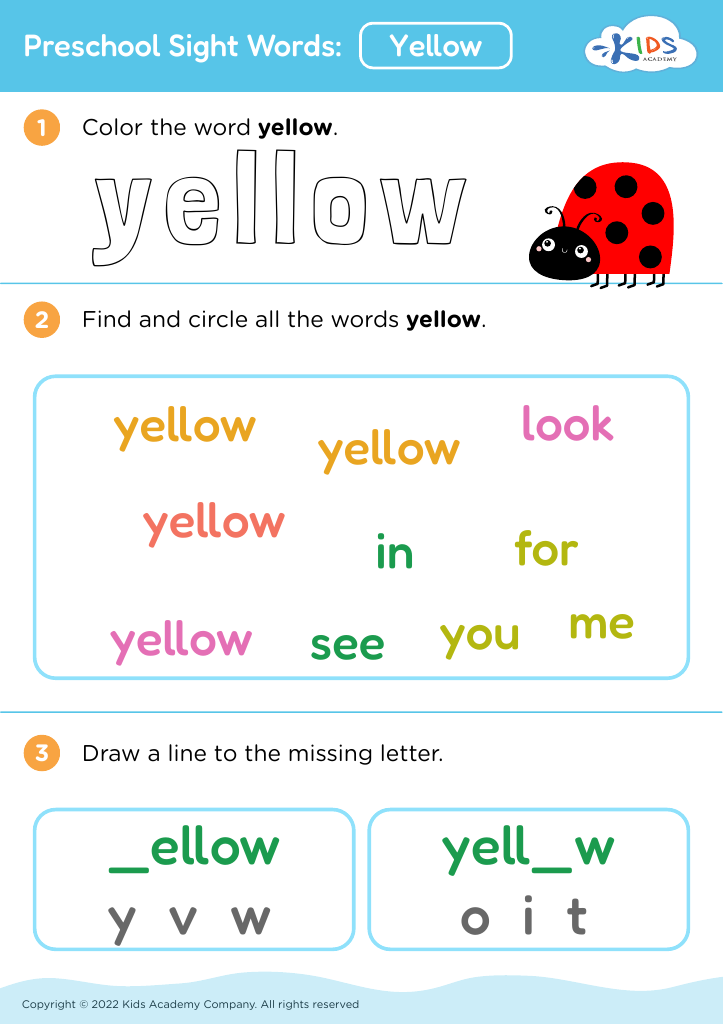
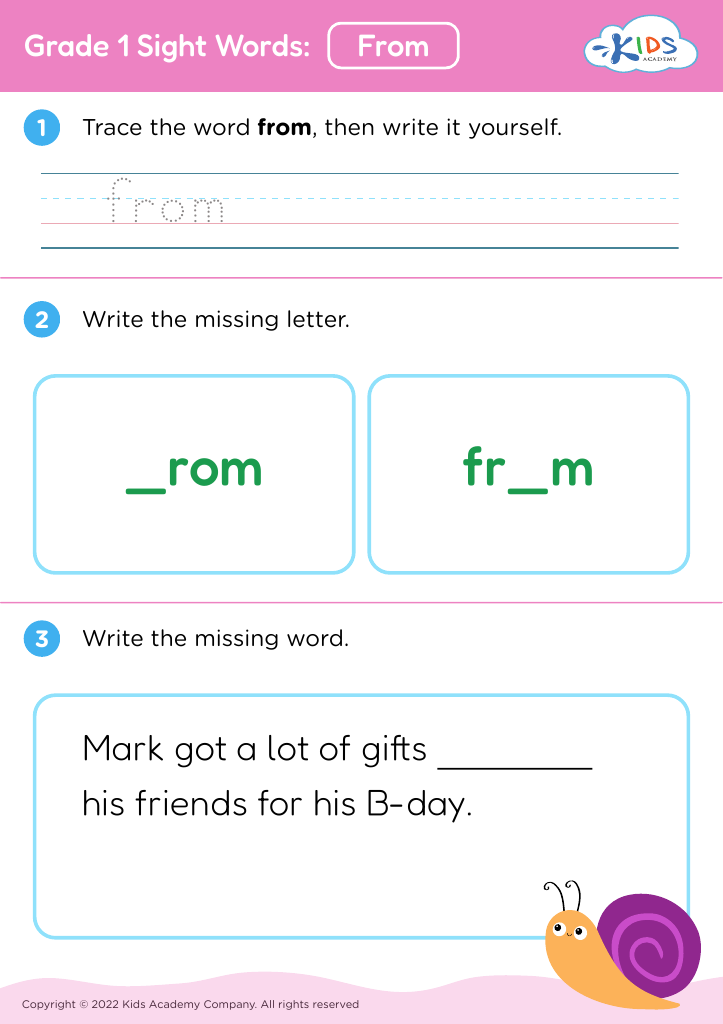








Understanding bar graphs is important for children aged 5-7 as it lays a foundational skill in data representation and comprehension. First, bar graphs help young learners visualize information, breaking complex data into easily digestible pieces. This visual tool aids in developing critical thinking and analytical skills, as students interpret and compare quantities.
Moreover, bar graphs encourage early math understanding, linking counting and numerical skills with visual representations. Children can learn concepts such as “more than” or “less than,” enhancing their ability to make observations and draw conclusions based on the data presented.
Furthermore, bar graphs promote engagement and encourage discussion in the classroom and at home. When children create their own bar graphs, they foster creativity and personal expression while understanding the concept of categories and organization.
Finally, in today's data-driven world, the ability to interpret graphical information is increasingly vital. Early exposure to graphs prepares children for more advanced mathematical concepts and real-life applications, such as surveys and statistics, in the future. Thus, understanding bar graphs equips young learners with essential skills that go beyond the classroom and nurtures a lifelong ability to engage with information effectively.








