Understanding number values Worksheets for Ages 5-7
4 filtered results
-
From - To
Discover our engaging "Understanding Number Values Worksheets" tailored for children ages 5-7! Designed to make math fun and approachable, these worksheets help young learners grasp key concepts of number values and enhances their foundational math skills. Each printable activity features colorful visuals and interactive tasks that captivate students' attention, ensuring they stay motivated while learning. From identifying numbers to comparing their values, our worksheets provide a progressive learning experience suitable for both home and classroom use. Support your child's growth in mathematics and foster their confidence with these essential resources. Download now and make learning numbers a joyful adventure!
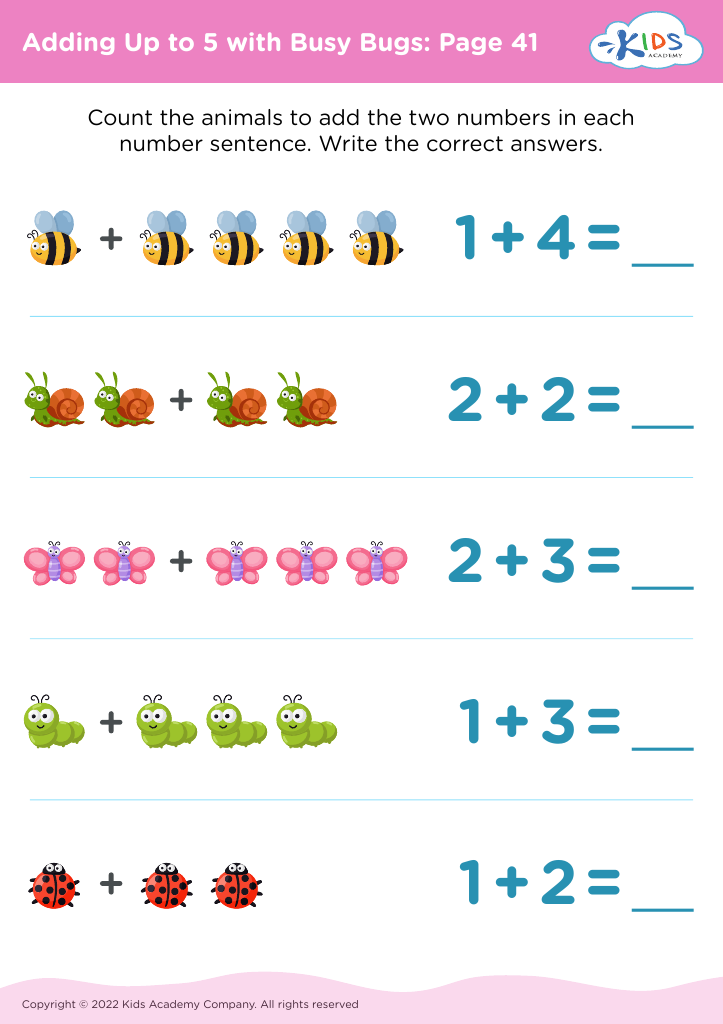
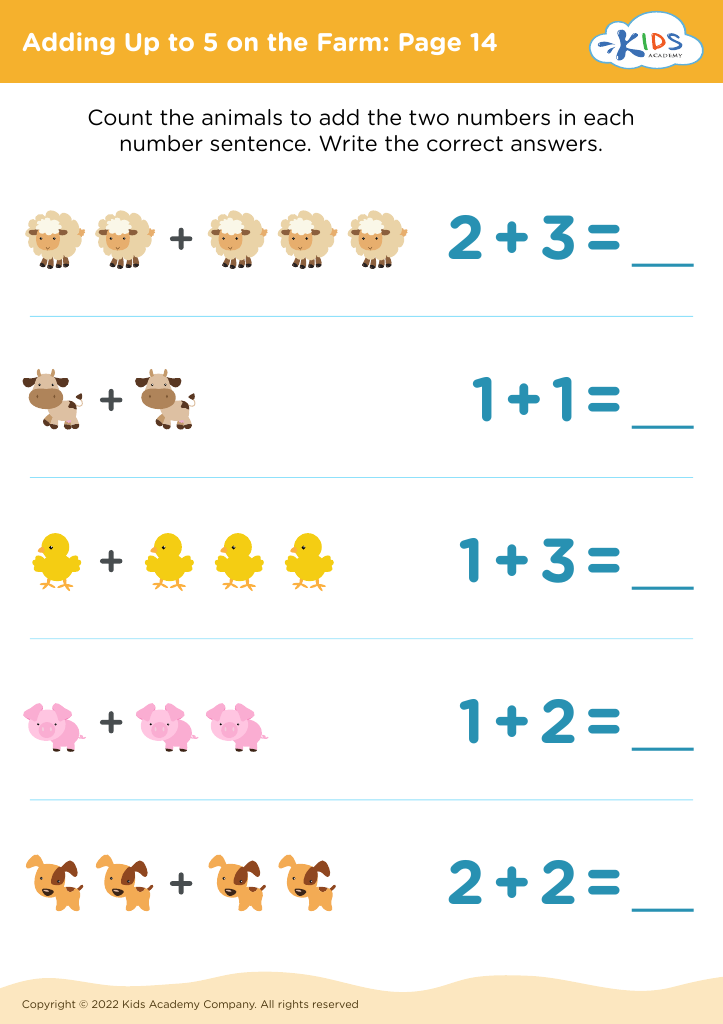
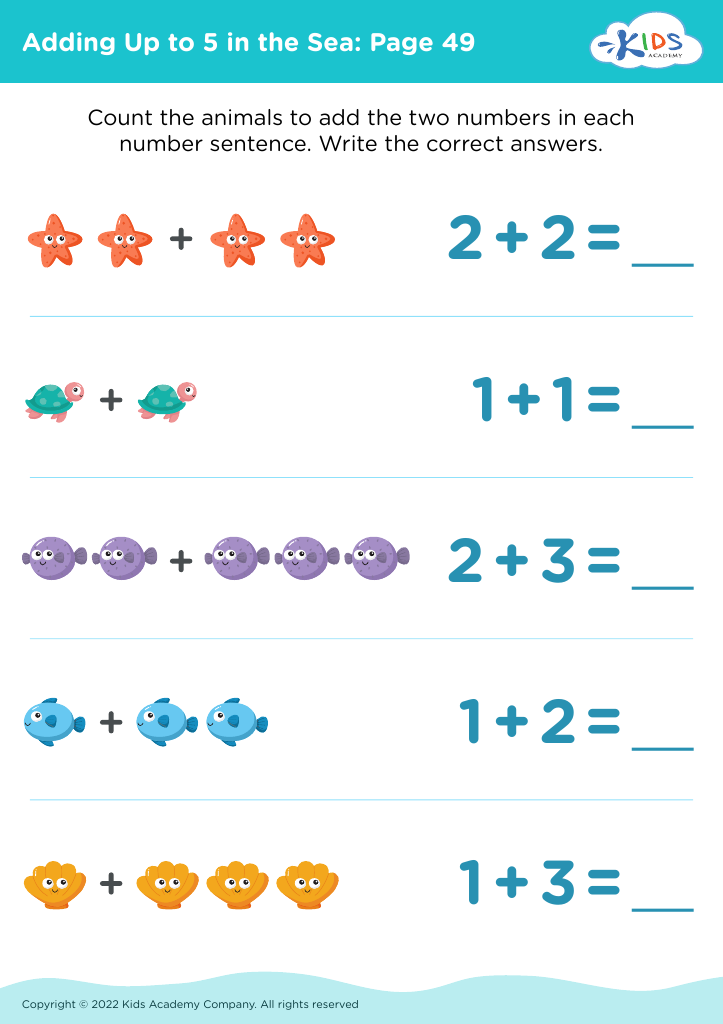








Understanding number values is a vital skill for children aged 5-7, serving as the foundation for their future mathematical learning. At this early stage, children develop essential number sense, which includes recognizing numbers, understanding their magnitude, and grasping the concept of counting. When parents and teachers prioritize this understanding, they empower children to make sense of the world around them, leading to greater academic success.
Number sense aids in problem-solving abilities. Children who comprehend number values are better equipped to tackle basic arithmetic and later, more complex mathematical concepts. Beyond academic mastery, numerical understanding influences logical thinking and analytical skills — essential competencies for lifelong learning.
Furthermore, early numeric proficiency fosters confidence in children. As they gain mastery in handling numbers, they are more likely to engage positively in math-related tasks, reducing anxiety around the subject. This confidence can have a ripple effect, encouraging children to take risks and problem-solve in various scenarios.
Parents and teachers can enrich a child’s number value understanding through interactive games, everyday counting tasks, and encouraging inquiry. Overall, fostering this understanding is crucial for nurturing well-rounded individuals who can thrive in both academic and real-world contexts.








