Check out this FREE "Understanding symmetry" Trial Lesson for age 5-7!

Exactly the Same, or Not

Favorites
With answer key
Interactive
  • 5-7
  • Understanding symmetry
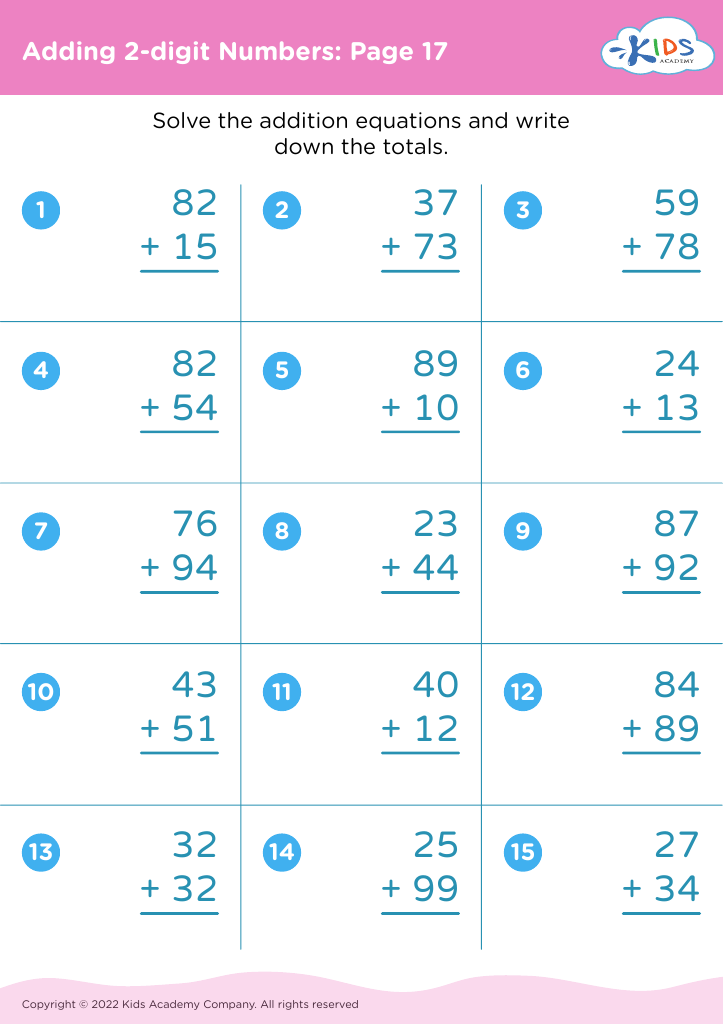
Adding 2-digit Numbers: Page 17

Adding 2-digit Numbers: Page 17

Adding 2-digit Numbers: Page 17
Worksheet
Force and Interactions: Assessment 2 Worksheet

Force and Interactions: Assessment 2 Worksheet

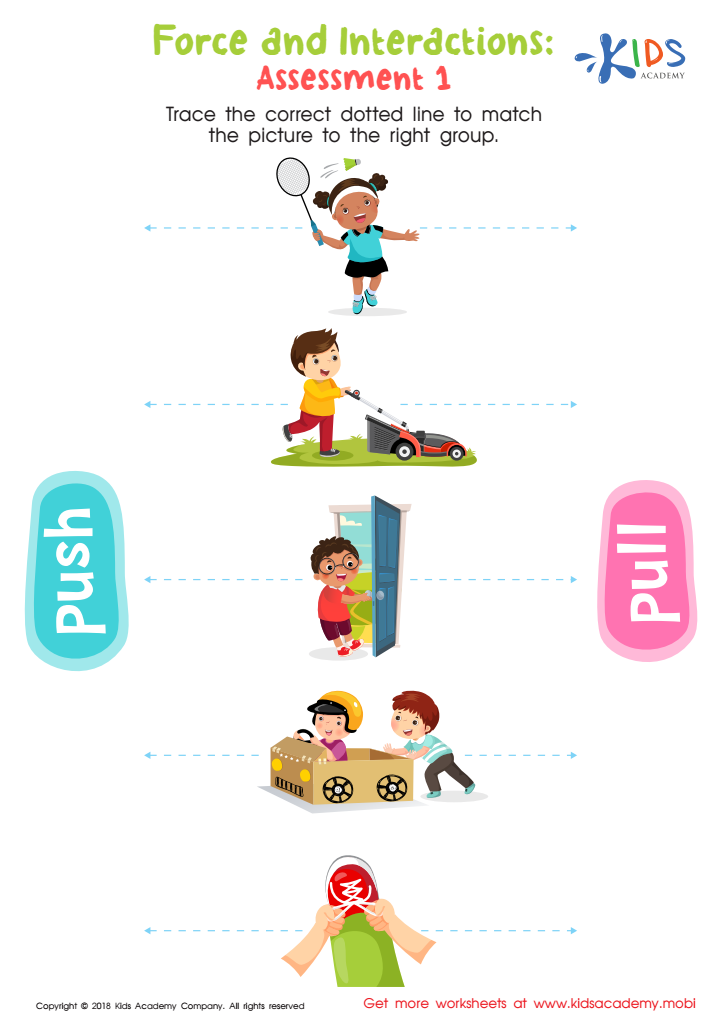
Help your child see the difference between push and pull with this fun worksheet. Ask them to match each picture to the right group. The "push" is on the left and the "pull" is on the right. Assist them in tracing the activities and explain what it is the people are doing.
Force and Interactions: Assessment 2 Worksheet
Worksheet
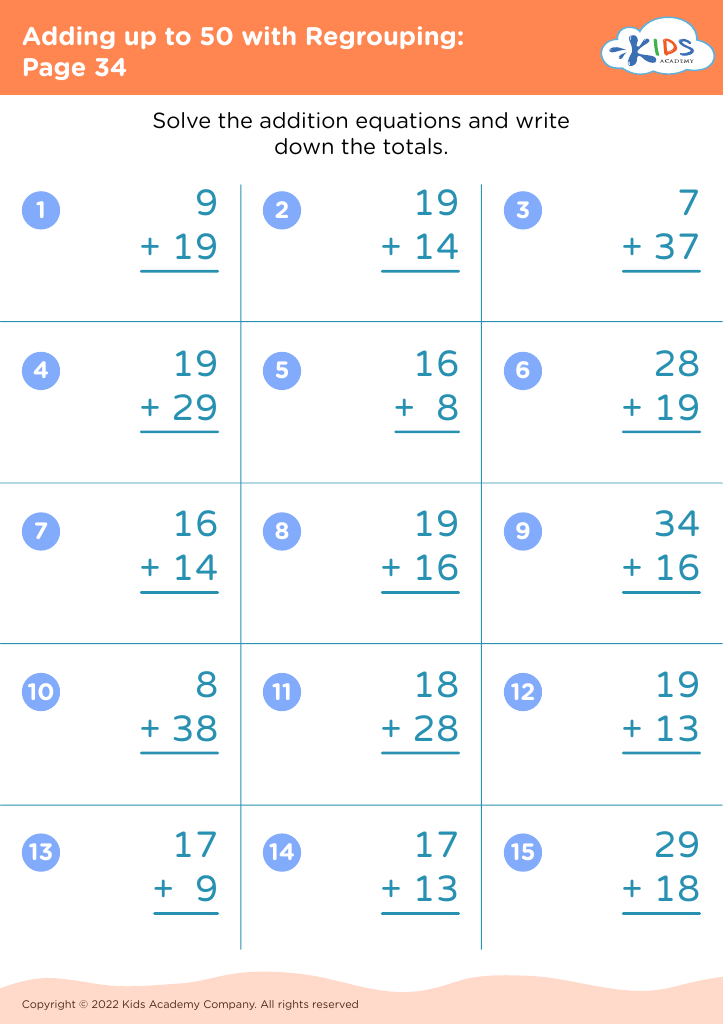
Adding up to 50 with Regrouping: Page 34
Worksheet
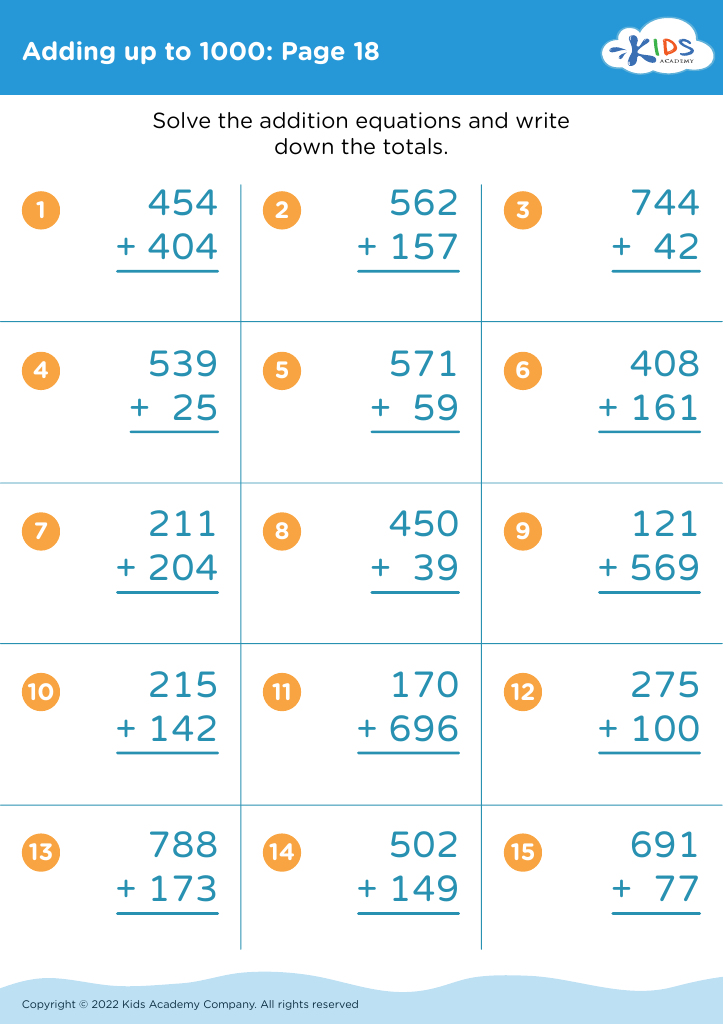
Adding up to 1000: Page 18

Adding up to 1000: Page 18

Adding up to 1000: Page 18
Worksheet
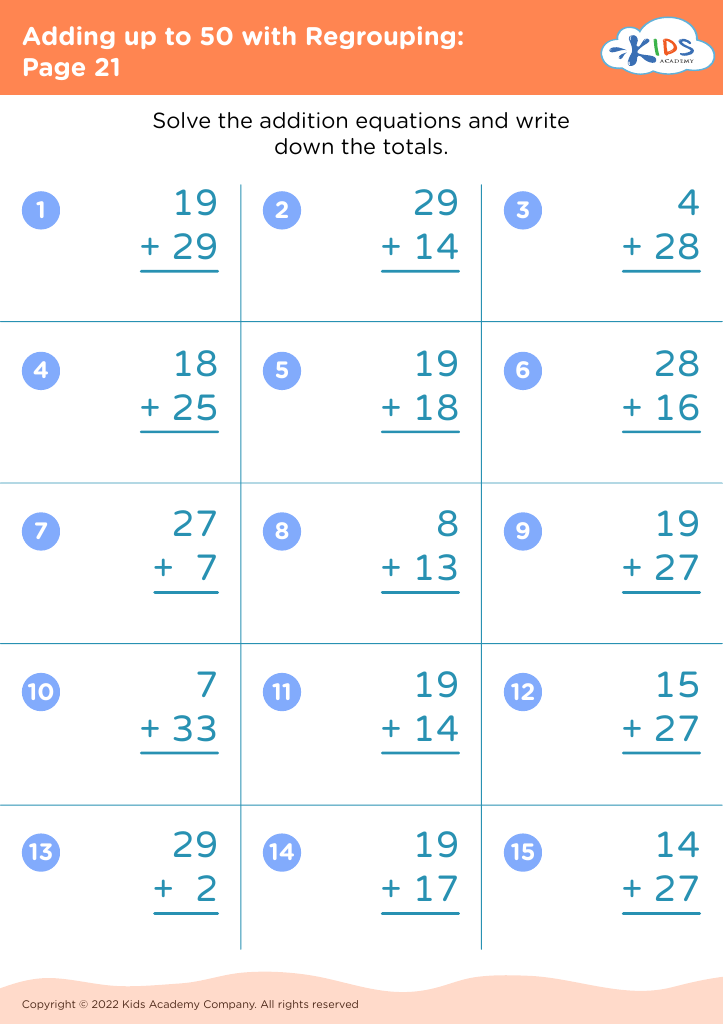
Adding up to 50 with Regrouping: Page 21
Worksheet
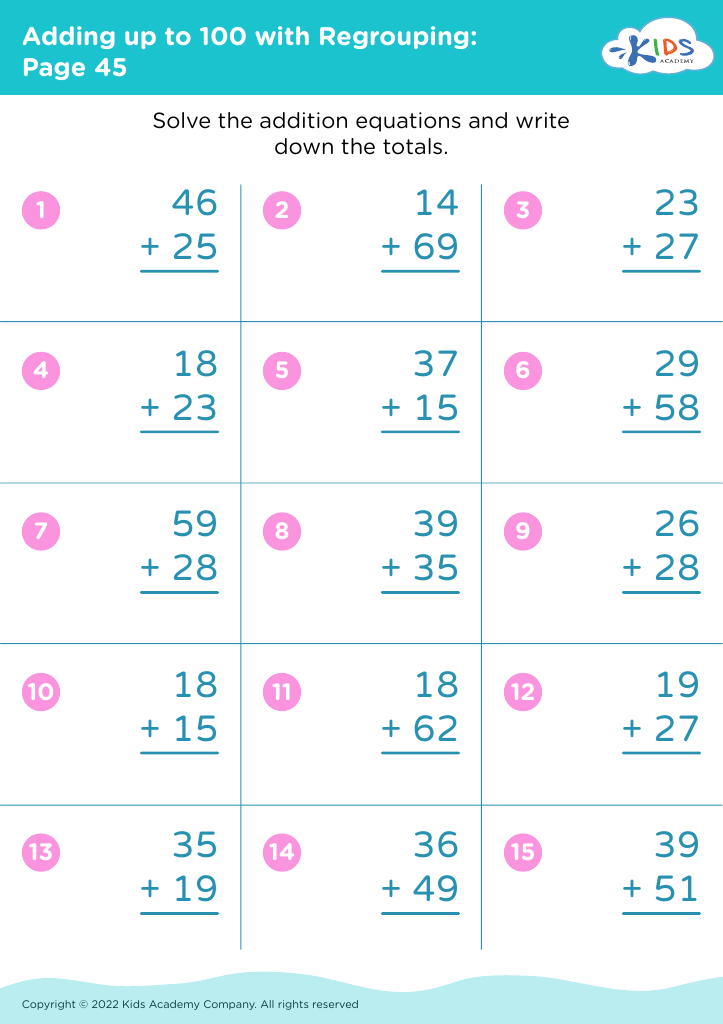
Adding up to 100 with Regrouping: Page 45
Worksheet
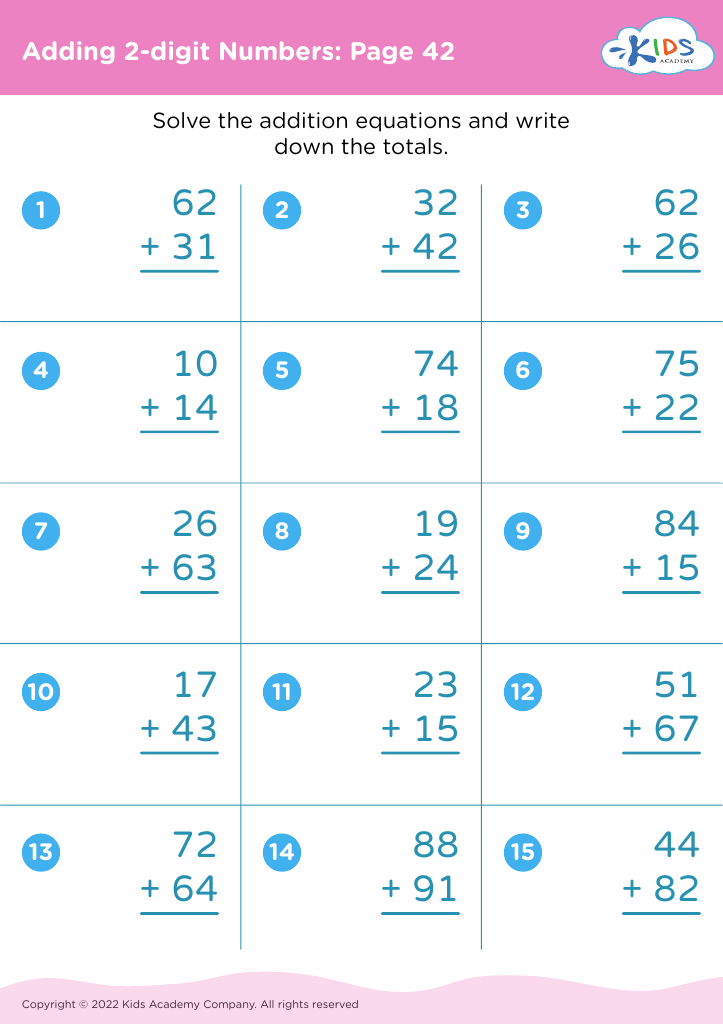
Adding 2-digit Numbers: Page 42

Adding 2-digit Numbers: Page 42

Adding 2-digit Numbers: Page 42
Worksheet
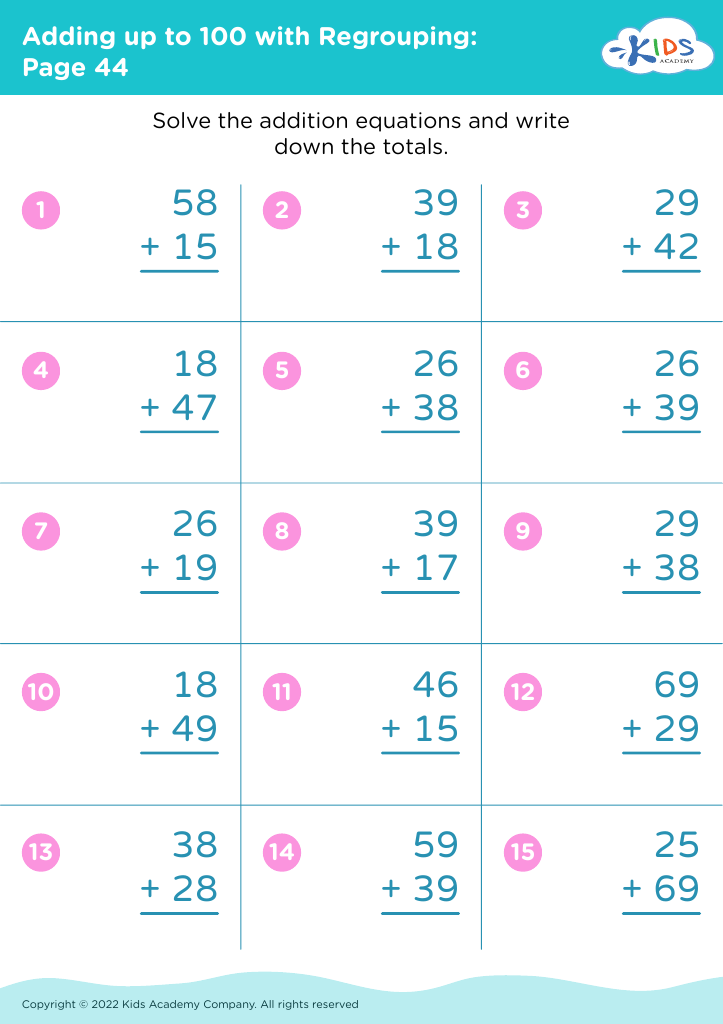
Adding up to 100 with Regrouping: Page 44
Worksheet
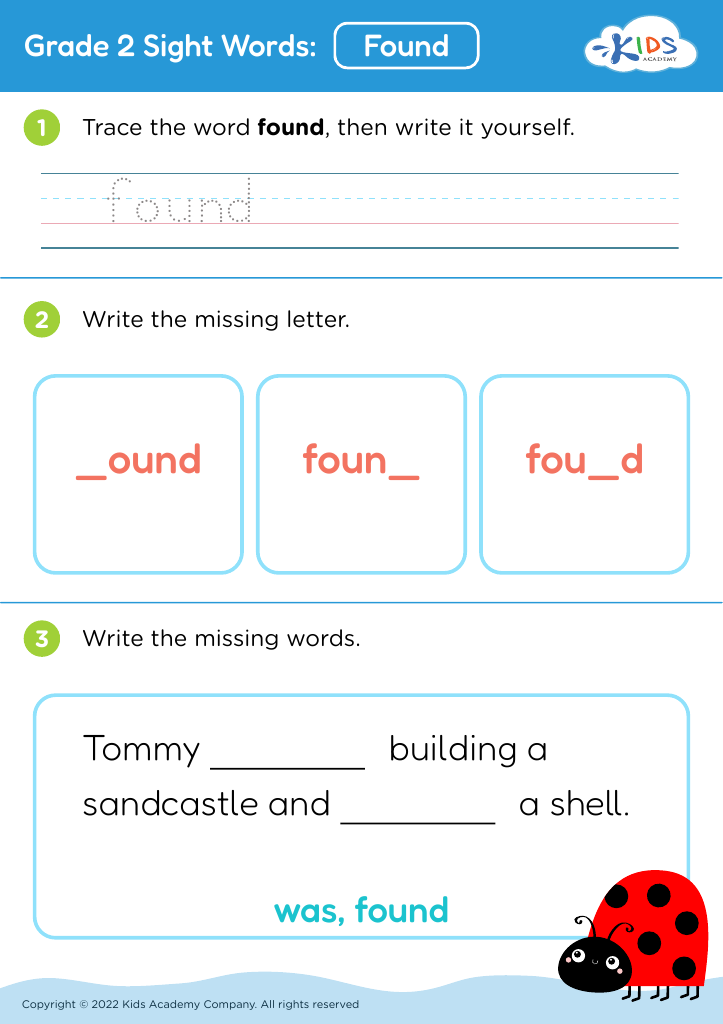
Grade 2 Sight Words: Found

Grade 2 Sight Words: Found

Grade 2 Sight Words: Found
Worksheet
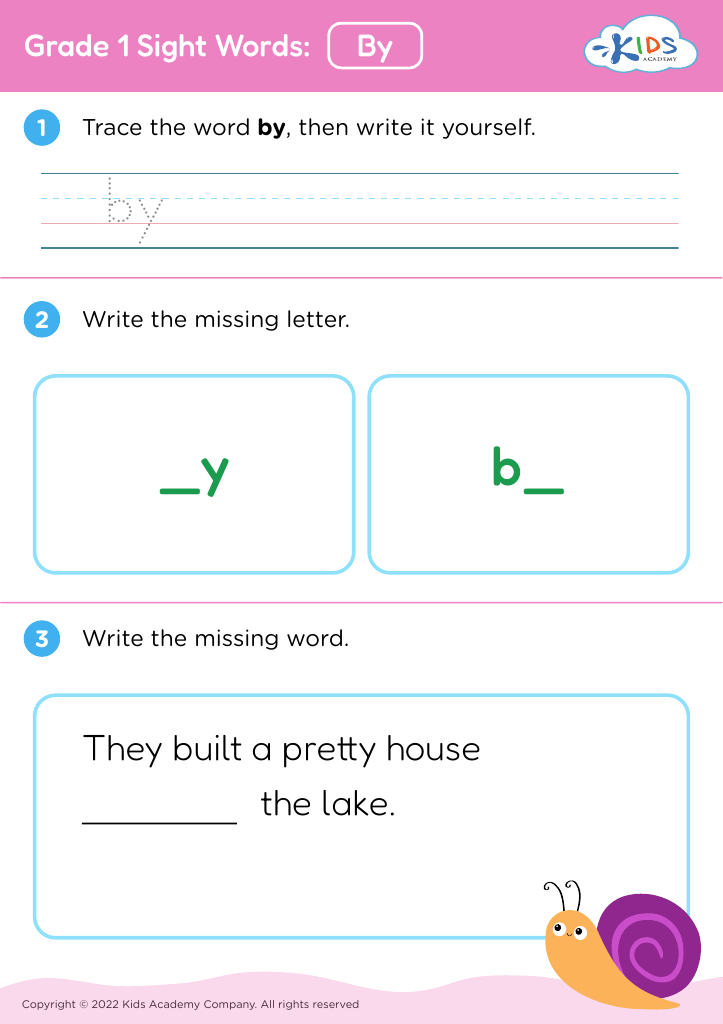
Grade 1 Sight Words: By

Grade 1 Sight Words: By

Grade 1 Sight Words: By
Worksheet
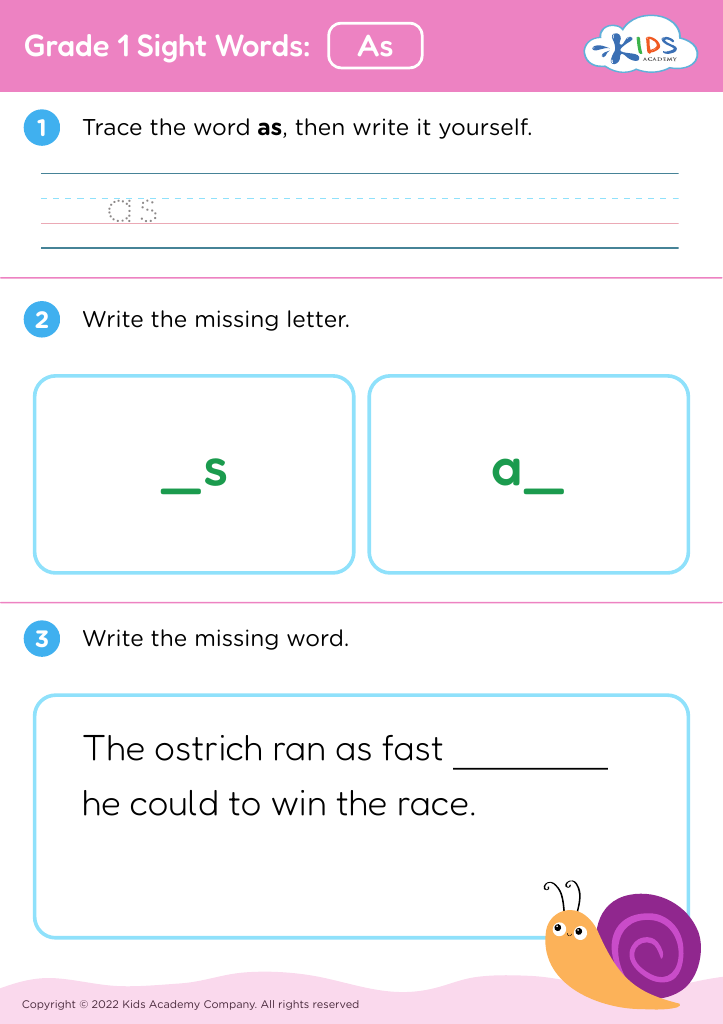
Grade 1 Sight Words: As

Grade 1 Sight Words: As

Grade 1 Sight Words: As
Worksheet
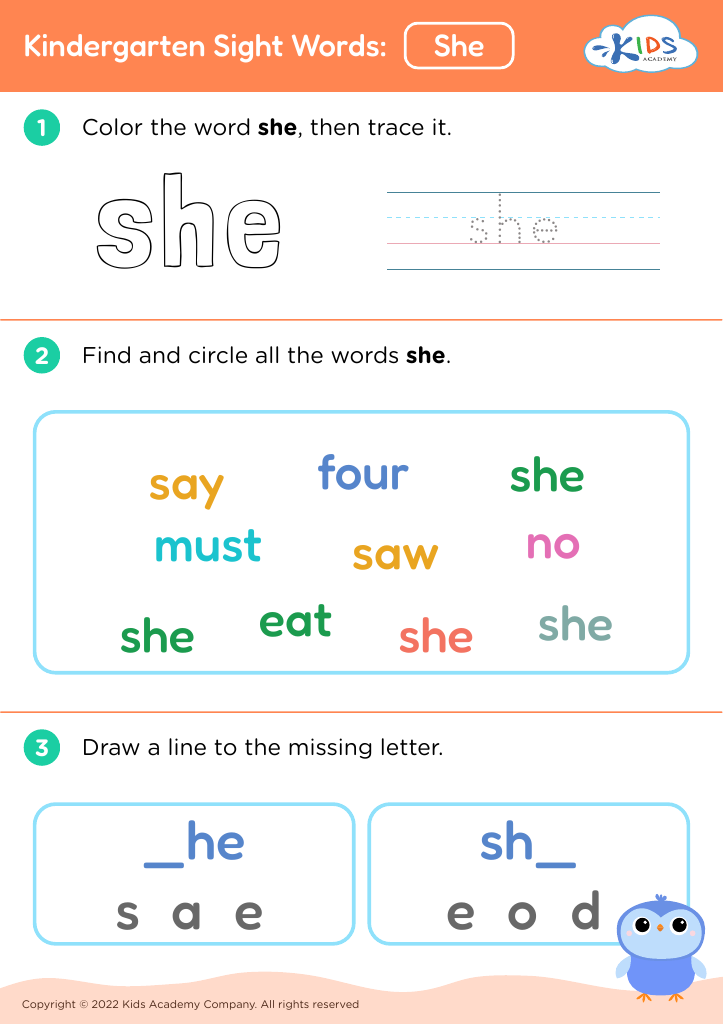
Kindergarten Sight Words: She

Kindergarten Sight Words: She

Kindergarten Sight Words: She
Worksheet


Understanding symmetry is fundamental for children ages 5-7, as it lays the groundwork for critical cognitive and mathematical skills. At this stage, children are naturally curious about the world around them, and introducing symmetry helps nurture that curiosity. Through exploring symmetrical shapes and patterns, children develop spatial awareness, which is essential for mathematics and science.

Learning about symmetry encourages logical thinking and problem-solving abilities, as children observe, analyze, and categorize shapes based on their properties. It also enhances fine motor skills, as activities involving drawing, folding, or creating symmetrical objects often require careful manipulation of materials.

Additionally, recognizing symmetry in nature, art, and everyday objects helps deepen a child’s appreciation for their environment, promoting creativity and observational skills. Engaging with symmetry can be done through fun hands-on activities, making learning enjoyable and interactive.

Moreover, understanding symmetry supports children's visual processing skills, which are important for reading and other academic areas. As educators and parents recognize the importance of symmetry in early education, they can provide enriched learning experiences that foster a solid foundation in mathematics and general comprehension, ensuring children are well-prepared for future academic challenges.