Visual recognition Worksheets for Ages 5-7
11 filtered results
-
From - To
Discover our engaging Visual Recognition Worksheets designed specifically for children ages 5-7! These worksheets help young learners develop essential visual skills by identifying shapes, colors, and patterns. Through fun activities and colorful illustrations, kids enhance their observational abilities while reinforcing cognitive development. Tailored to capture their imagination, our worksheets encourage independent learning, critical thinking, and early problem-solving skills. Ideal for classroom use or at-home practice, these printable pages provide a seamless way for educators and parents to support their child’s learning journey. Join us in fostering visual recognition skills that benefit academic growth and confidence in young learners today!
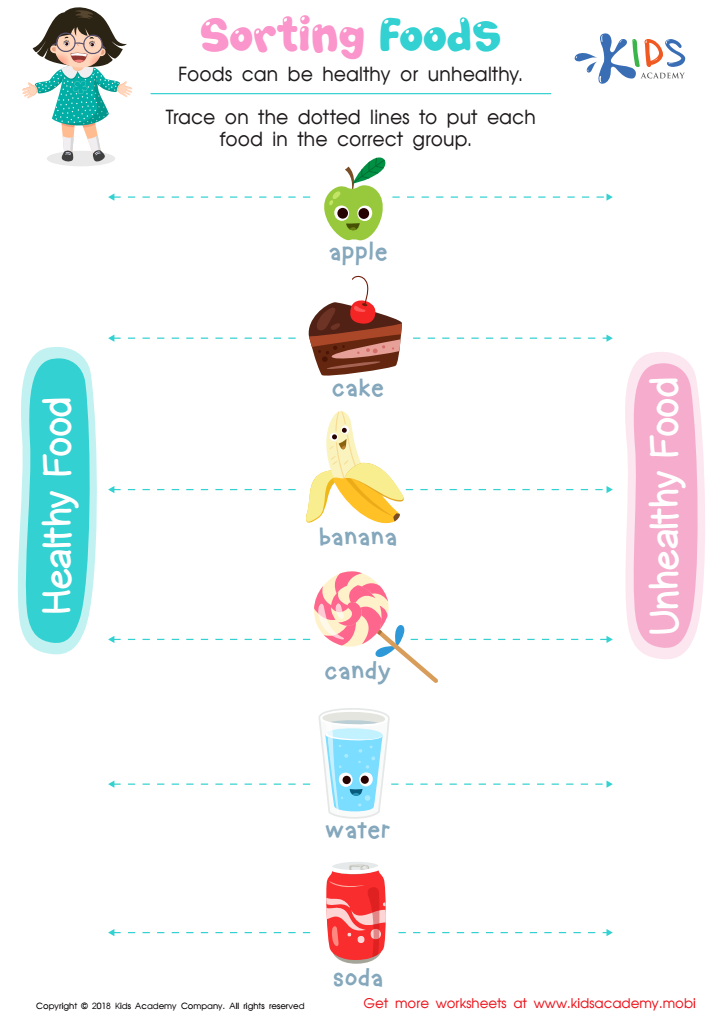
Sorting Food Worksheet
 Assign to My Students
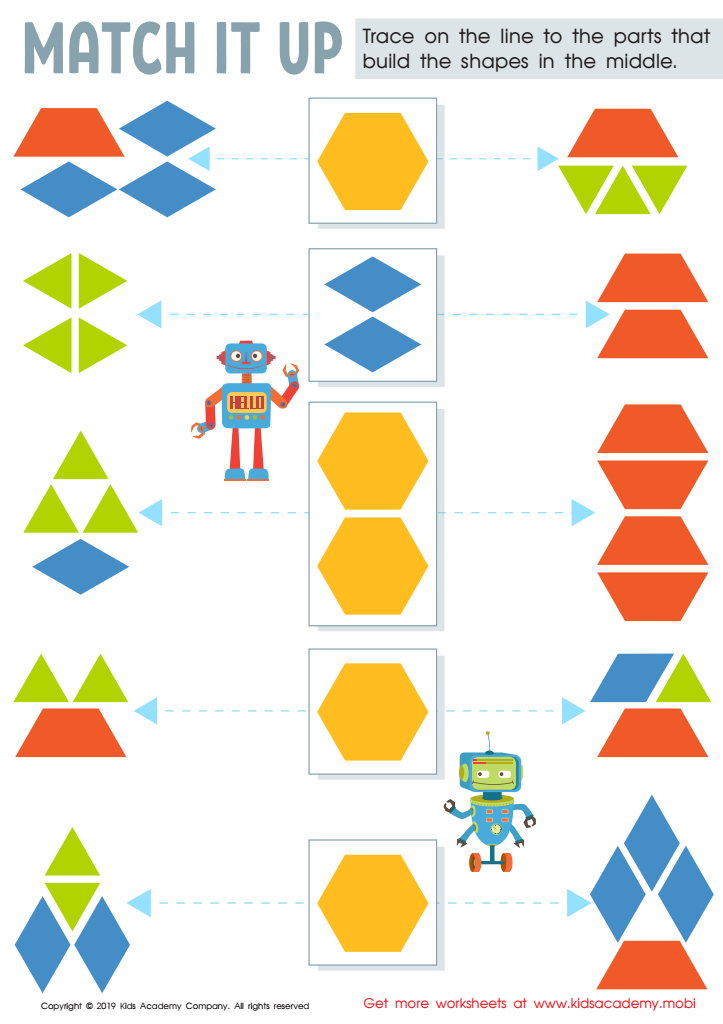
Match It up Worksheet
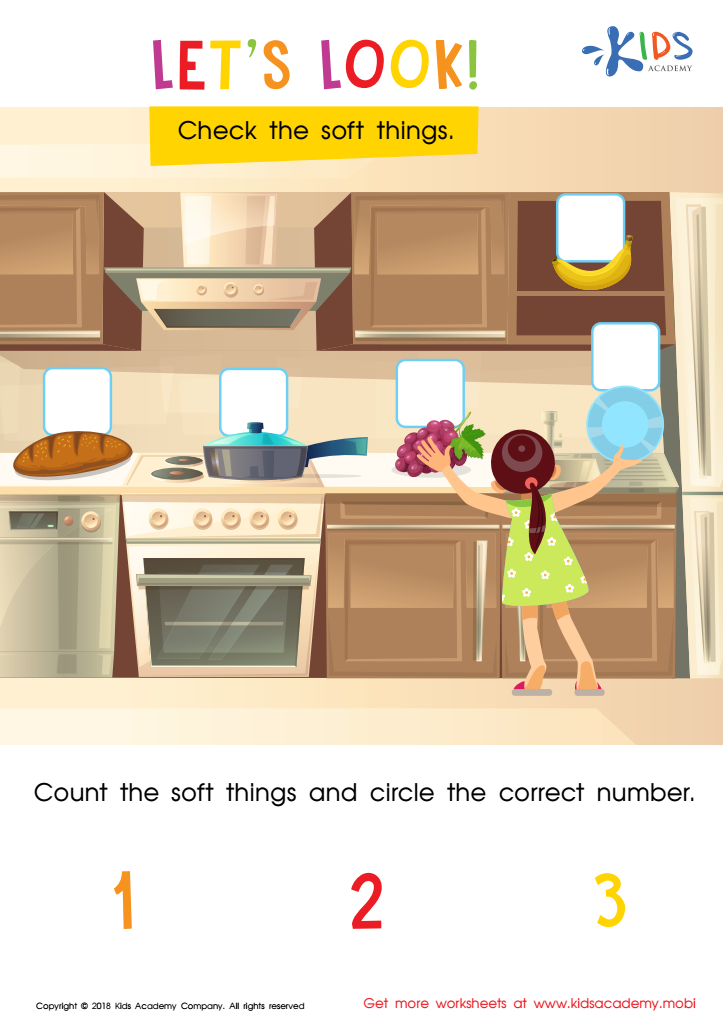
Let's Look! Assessment Worksheet
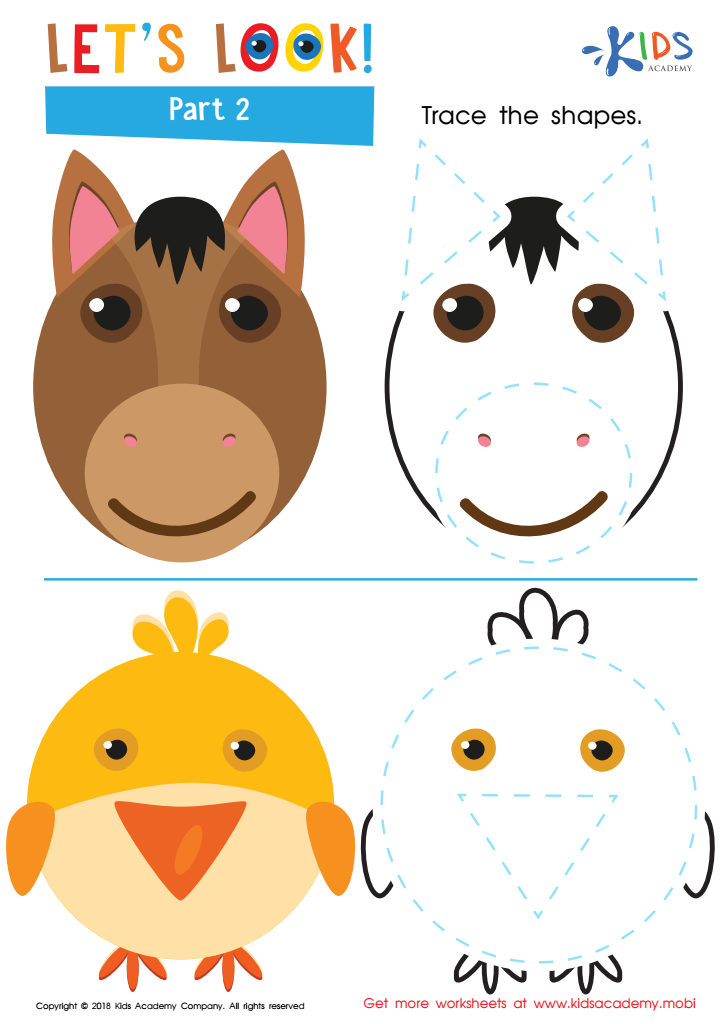
Let's Look! Part 2 Worksheet
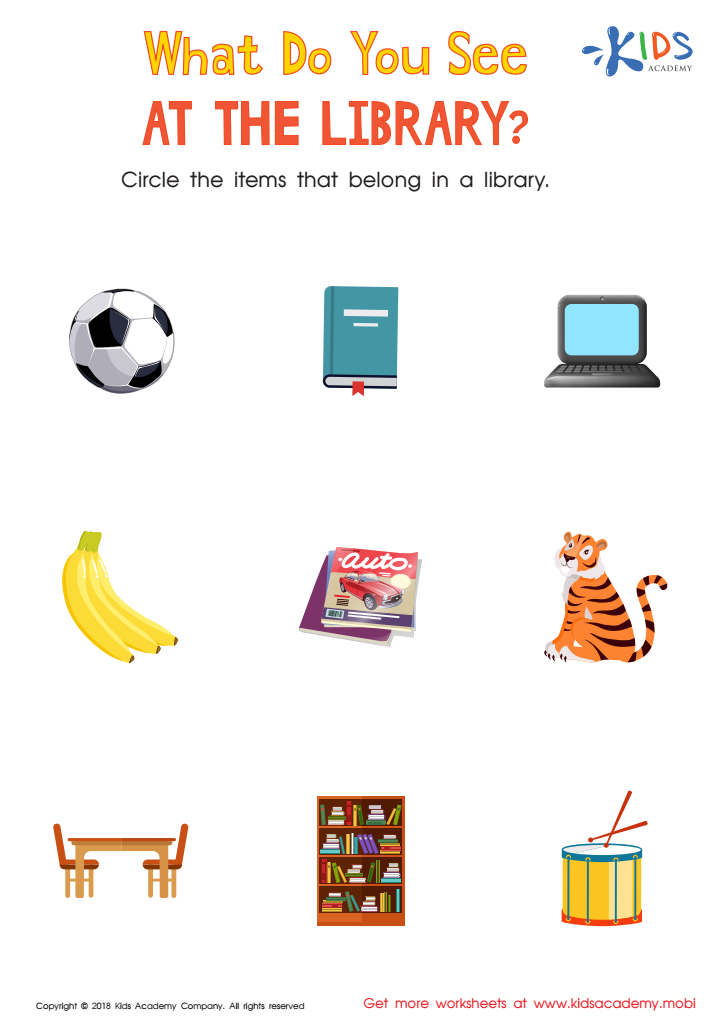
What Do you See at the Library? Worksheet
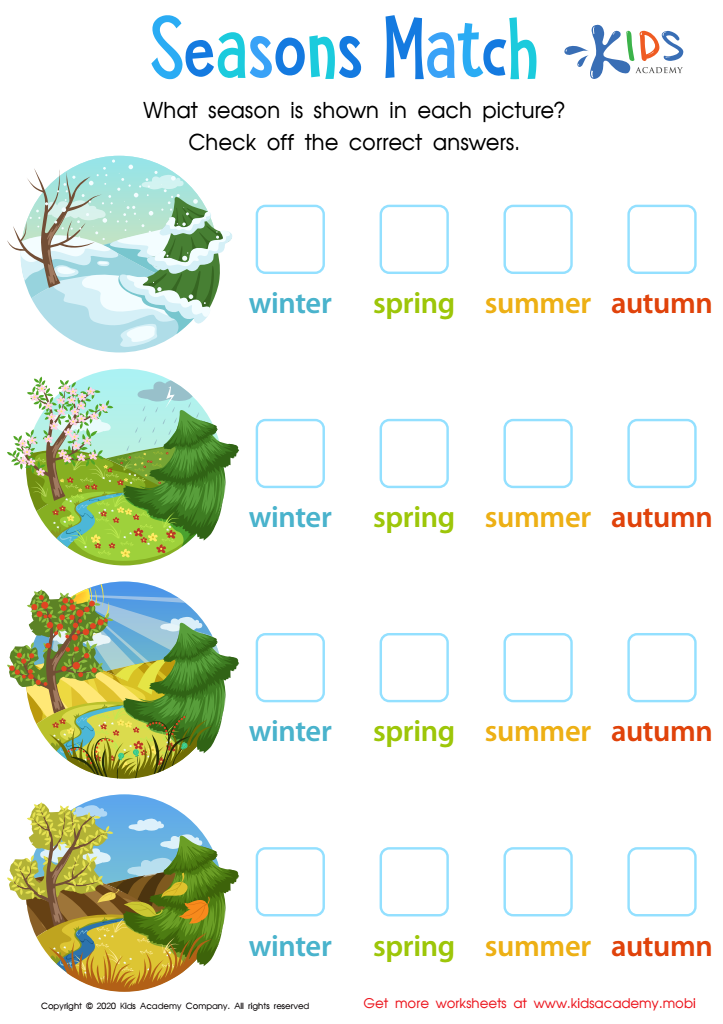
Seasons Match Worksheet
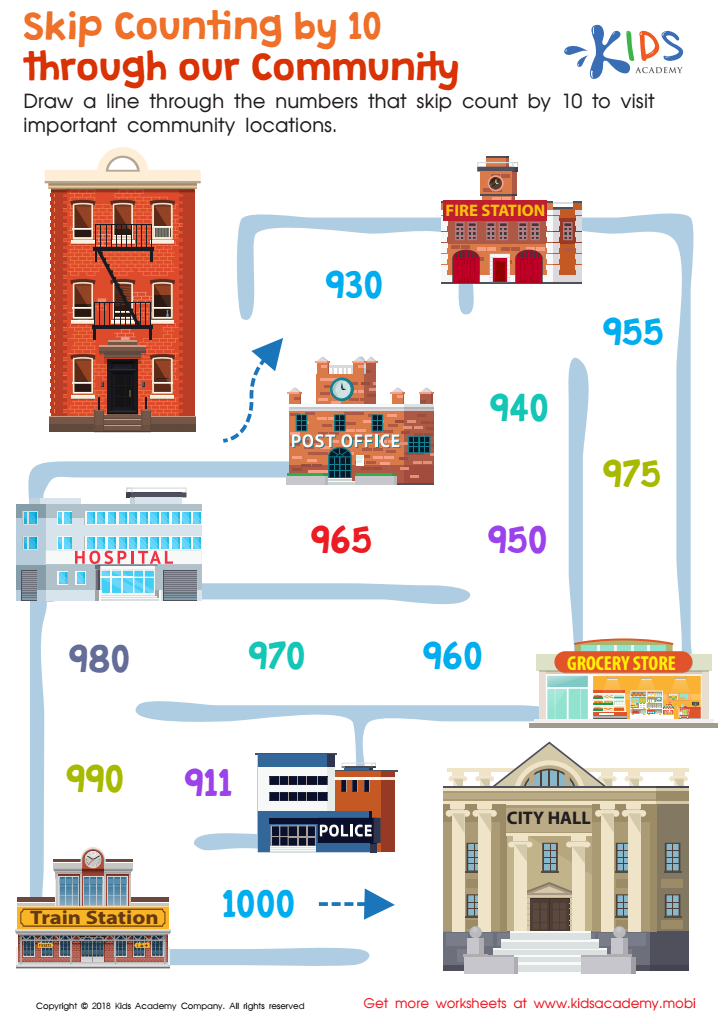
Skip Counting by 10 Through Our Community Worksheet
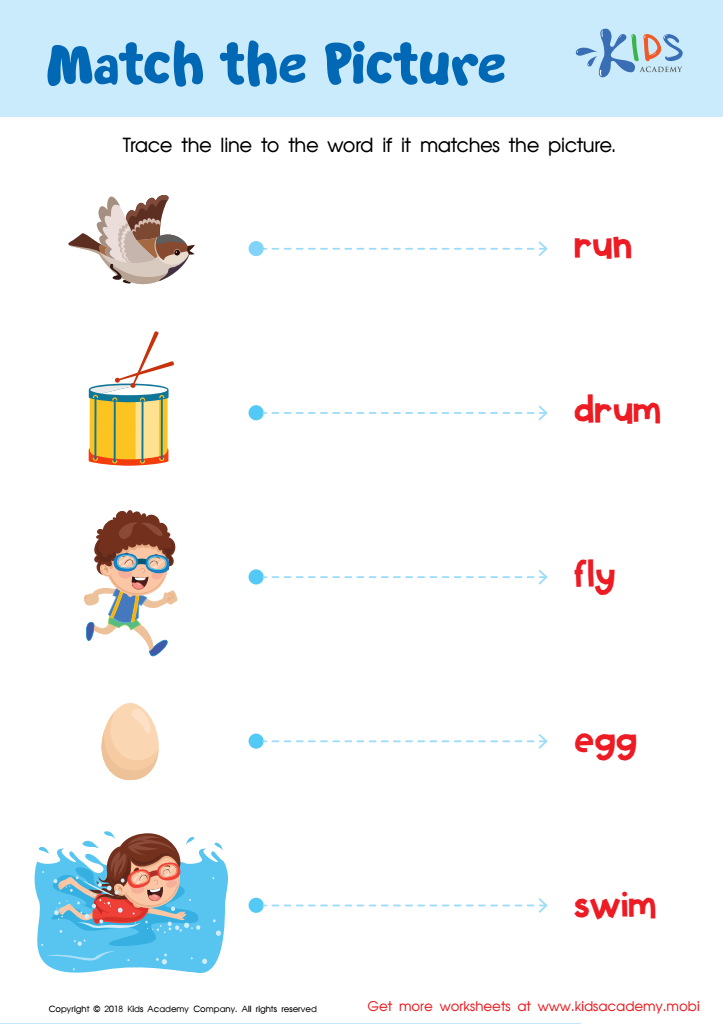
Match the Picture Worksheet
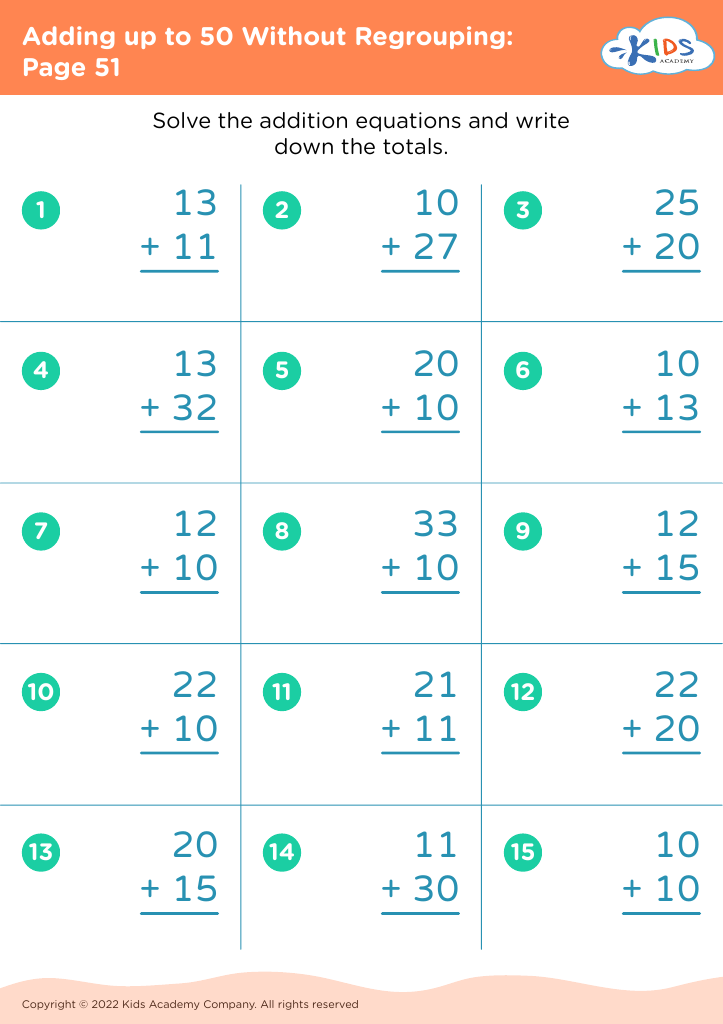
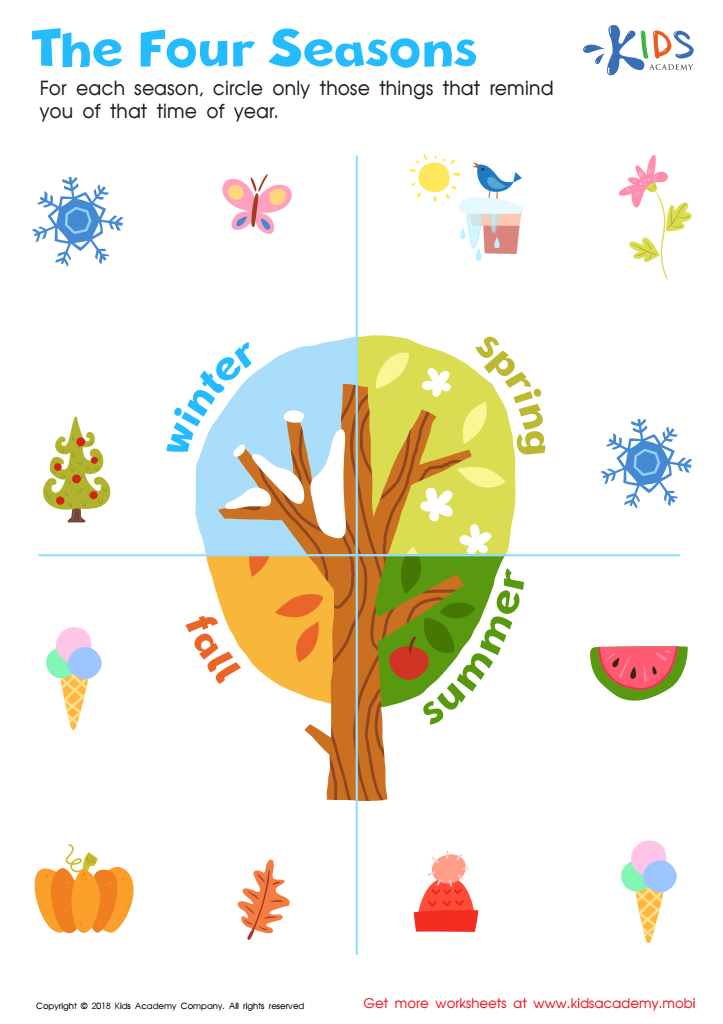
The Four Seasons Worksheet
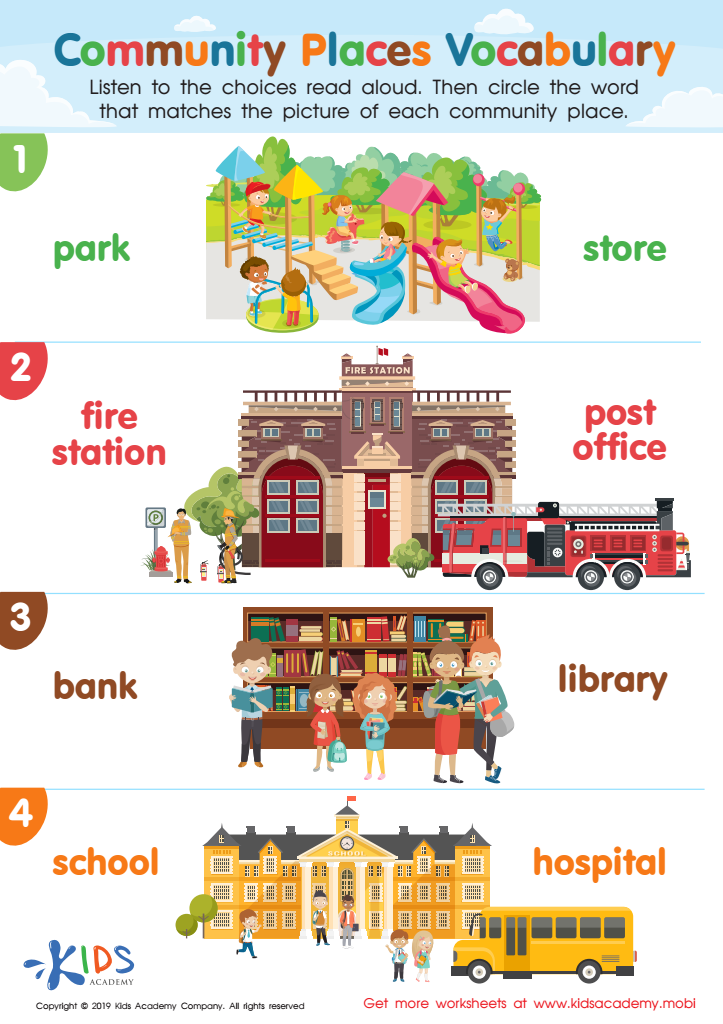
Community Places Vocabulary Worksheet








Visual recognition is a foundational skill crucial for children aged 5-7 as it significantly impacts their learning and development. During these formative years, children begin to recognize and interpret visual information, which lays the groundwork for comprehension in various subjects, especially reading and math. Effective visual recognition allows children to identify letters, numbers, shapes, and patterns, essential for literacy and numeracy success.
Moreover, these skills enhance cognitive development by improving their ability to process and understand their surroundings, fostering critical thinking and problem-solving abilities. Teachers and parents should pay attention to visual recognition because it is intertwined with a child’s ability to engage, learn, and interact with peers.
Additionally, strong visual recognition skills can boost a child's confidence, enabling them to participate fully in classroom activities and discussions. Encouraging activities that promote visual recognition—such as puzzles, matching games, and drawing—can also bond parent-child interactions and create a positive learning environment. Investing in early visual recognition development not only supports academic achievement but also cultivates lifelong learning skills, making it an essential focus for educators and caregivers alike.








