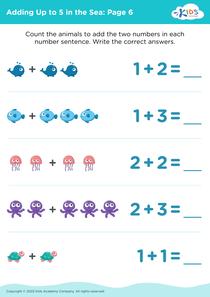
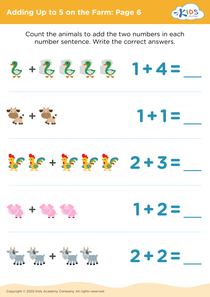
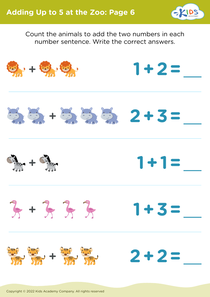
Fine motor skills (writing) Adding in the Forest Worksheets for Ages 5-7
3 filtered results
-
From - To
Introducing our "Fine Motor Skills (Writing) Adding in the Forest Worksheets" for ages 5-7! These engaging activities combine math practice and fine motor skill development through a fun forest theme. Your child will embark on an educational adventure, solving addition problems while enhancing their handwriting abilities. Designed to support young learners, these worksheets help to build crucial dexterity and control, essential for writing. Perfect for home or classroom use, our forest-themed worksheets make learning an enjoyable experience. Give your child the tools they need to succeed academically and develop fine motor skills with our expertly crafted resources.
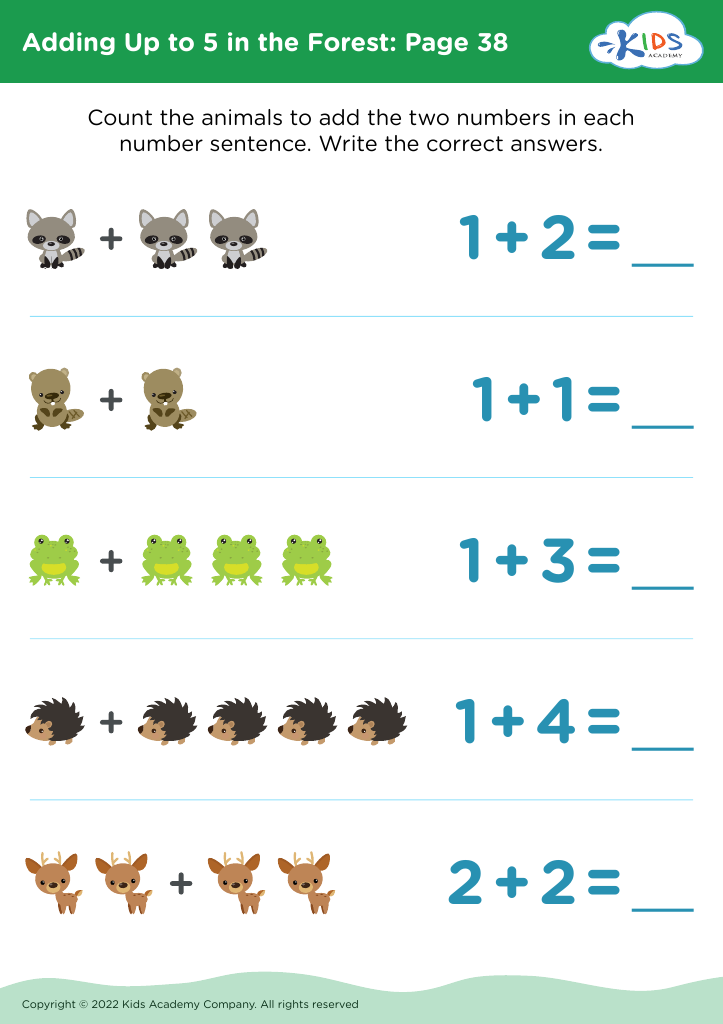
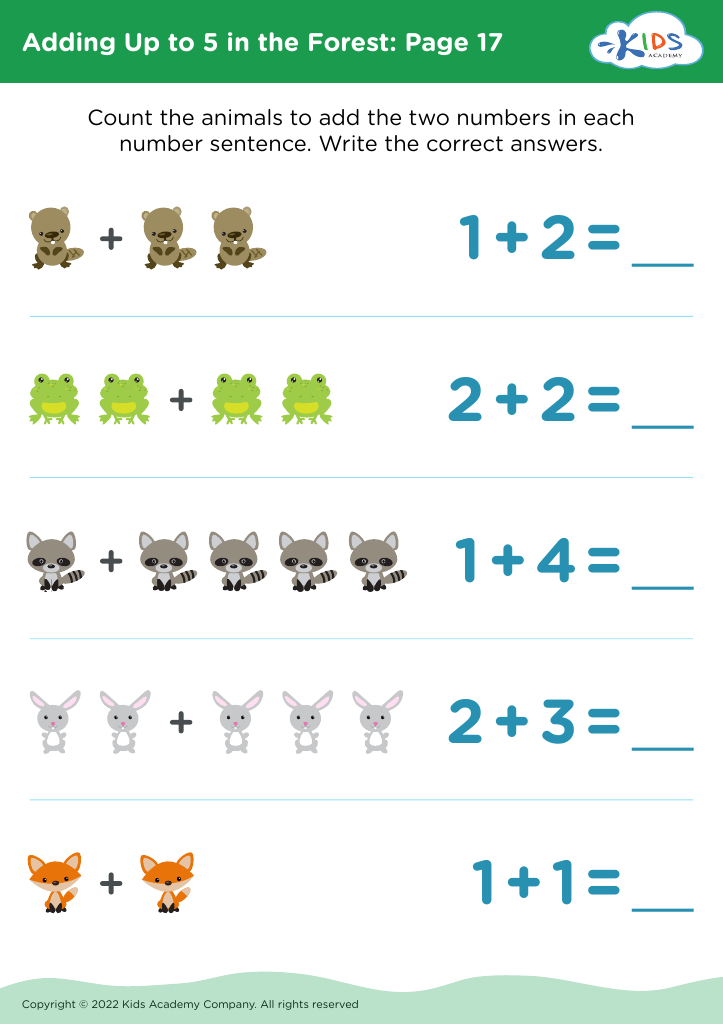
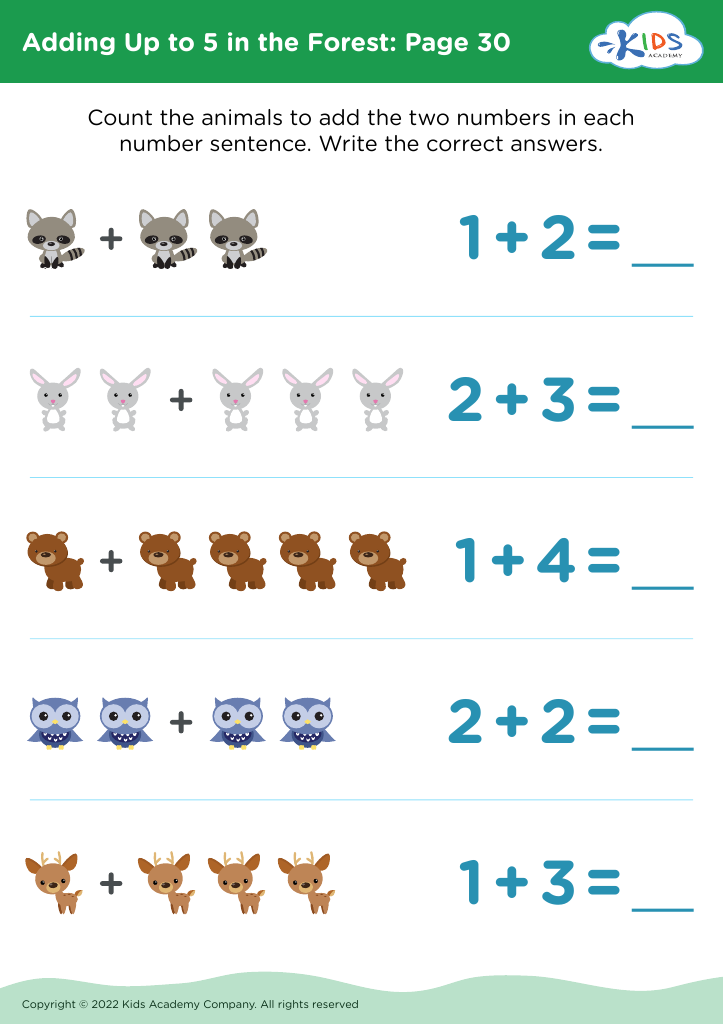



Fine motor skills, which involve the coordination of small muscles in the hands and fingers, are critical for young children's development, especially ages 5-7. These skills are essential for writing, a foundational element of education and communication. When children practice writing, they strengthen their hand-eye coordination and dexterity, which are crucial for a wide range of activities ranging from buttoning clothes to using utensils.
Incorporating a theme like "Adding in the Forest" turns fine motor skill practice into an engaging and playful learning experience. By weaving the development of writing skills into a captivating storyline set in an imaginative forest, children become emotionally invested in the task. This approach not only maintains their interest but also reduces frustration, making repetitive practice feel less tedious.
Games such as tracing leaves, drawing forest animals, or writing out simple math problems using elements of forest imagery help children see writing as fun and relevant. Furthermore, the forest theme can include multi-sensory experiences that solidify learning—e.g., feeling different textures or playing with natural objects, which enhances their tactile awareness and motivation.
Parents and teachers who emphasize fine motor skills through creative and enjoyable contexts, like a forest adventure, contribute more effectively to children's overall cognitive, social, and emotional development, setting a solid foundation for future academic success.