Mental math practice Addition Facts Worksheets for Ages 5-7
3 filtered results
-
From - To
Unlock your child's potential with our Mental Math Practice Addition Facts Worksheets for Ages 5-7. Specially designed to boost early learners' arithmetic skills, these engaging exercises enhance accuracy and speed in solving addition problems. With fun activities and colorful illustrations, kids remain motivated to practice and develop their mental calculation abilities. Ideal for both classroom and at-home learning, our worksheets make mastering basic math facts an enjoyable experience. Strengthen your child’s math confidence through continuous practice and get them ready for more advanced mathematical concepts. Download and start building a solid arithmetic foundation today!
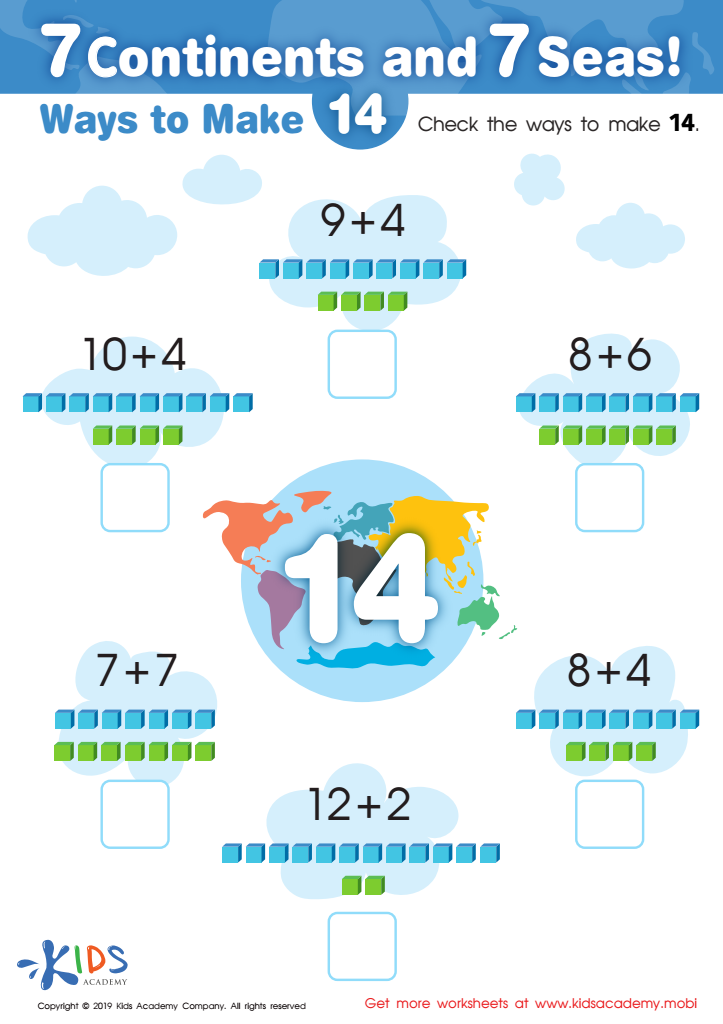
7 Continents and 7 Seas Worksheet
 Assign to My Students
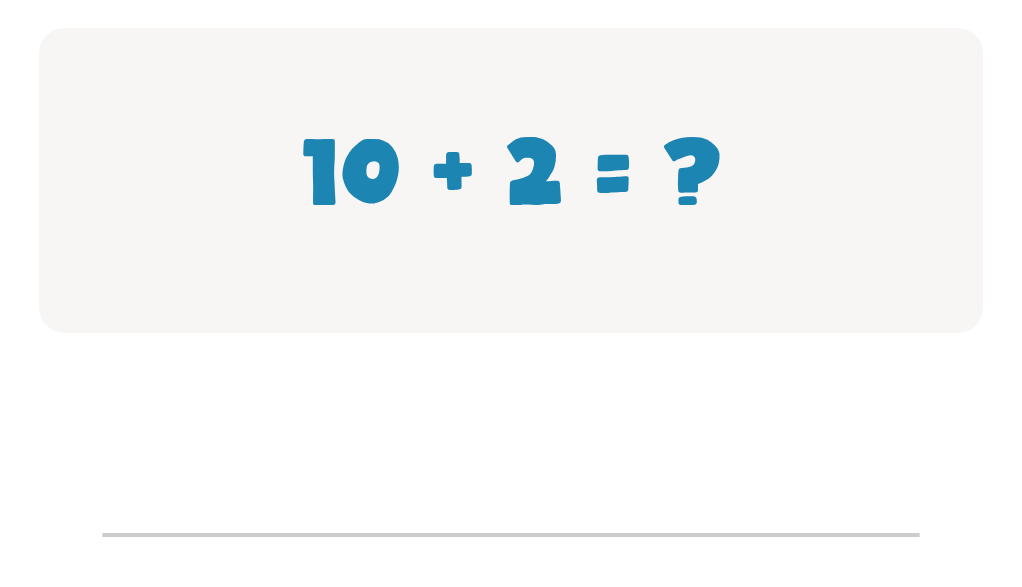

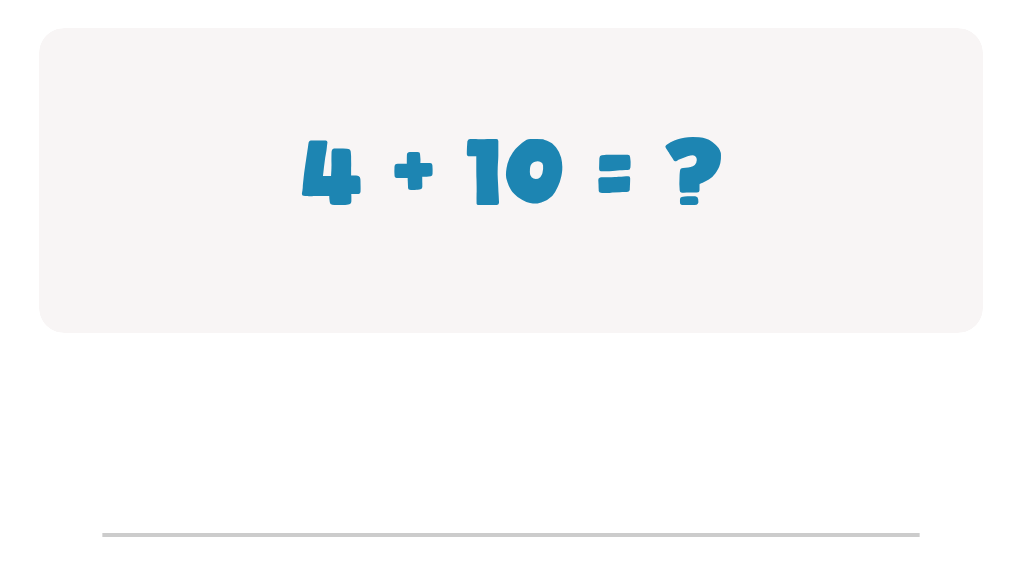
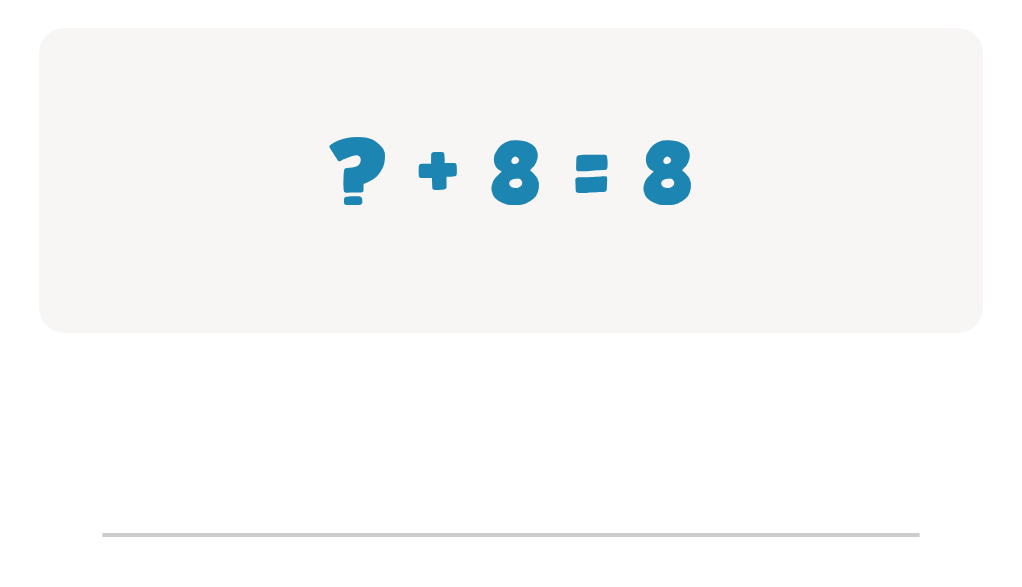
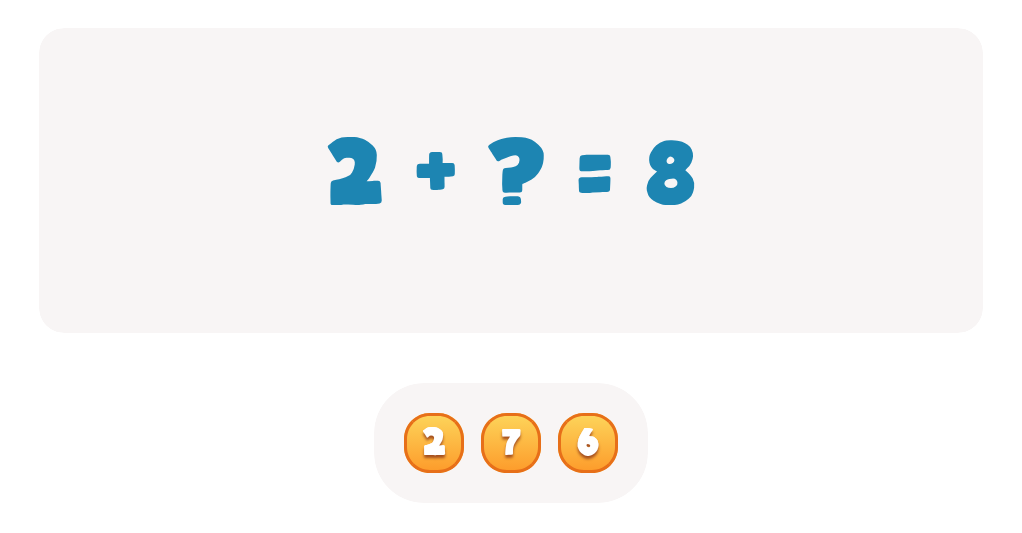
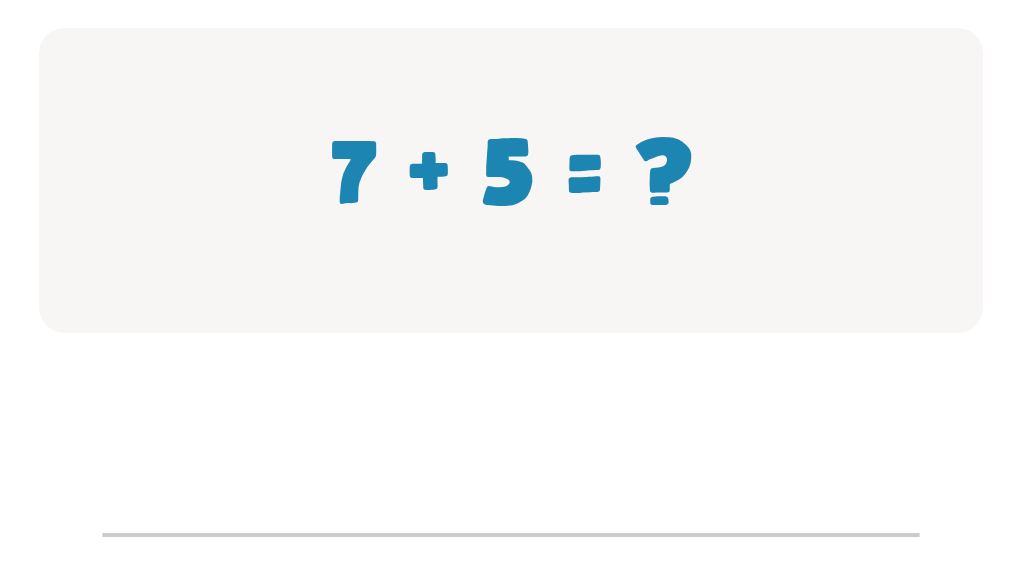
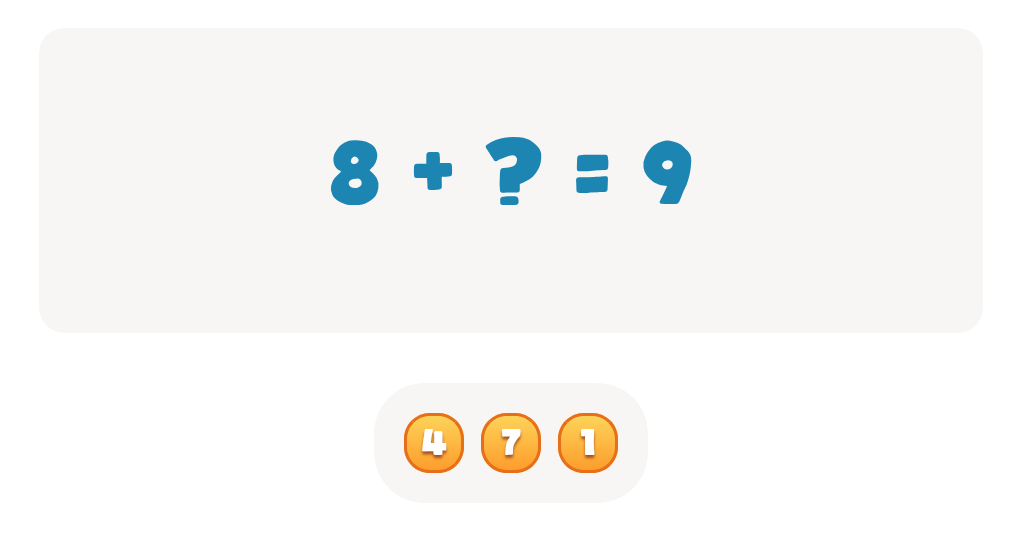

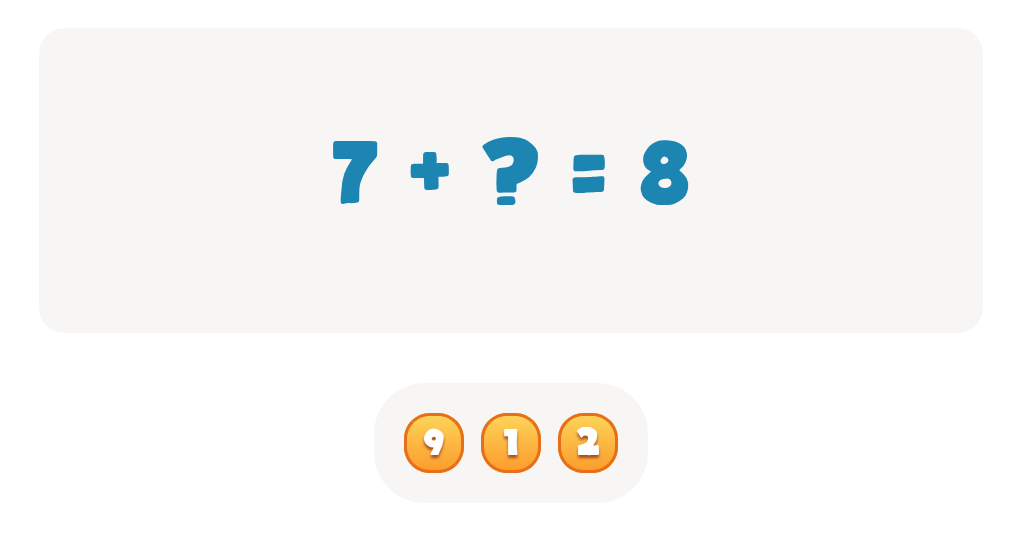
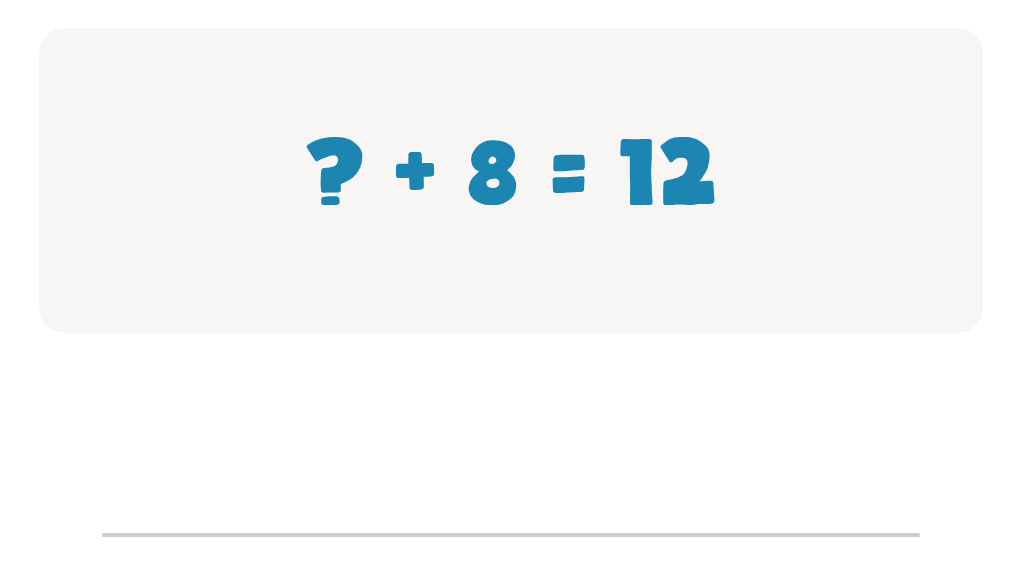
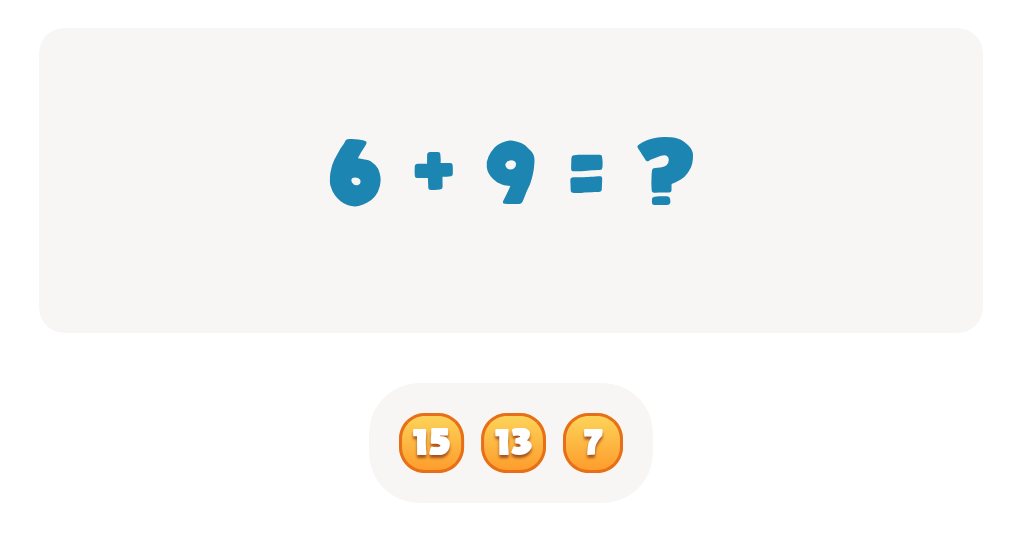
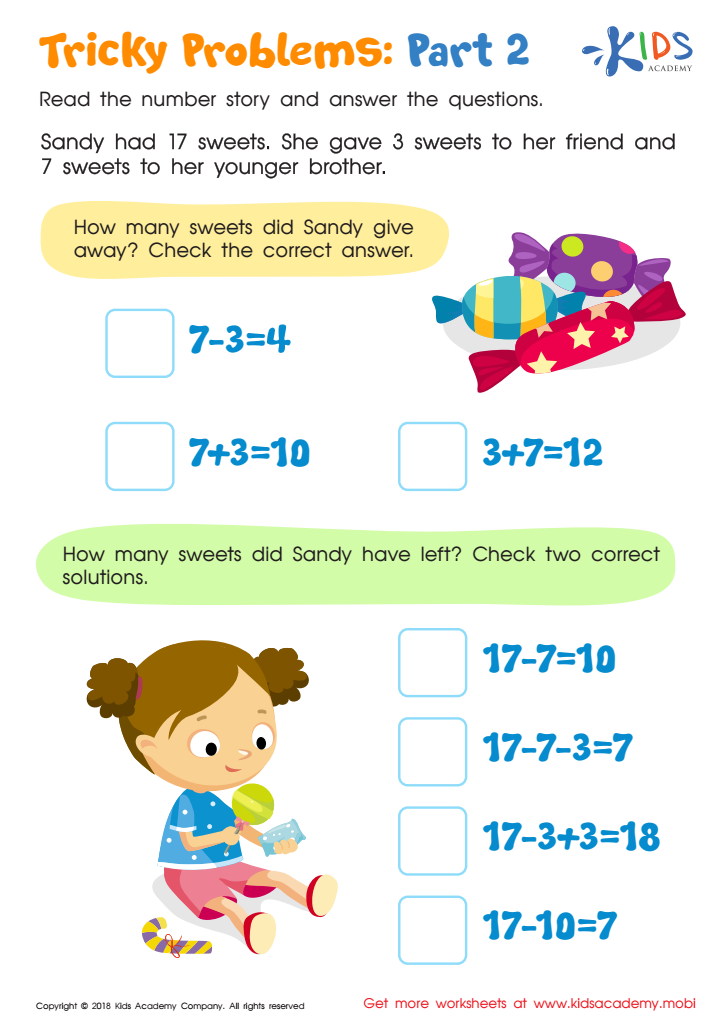
Tricky Problems Worksheet: Part 2
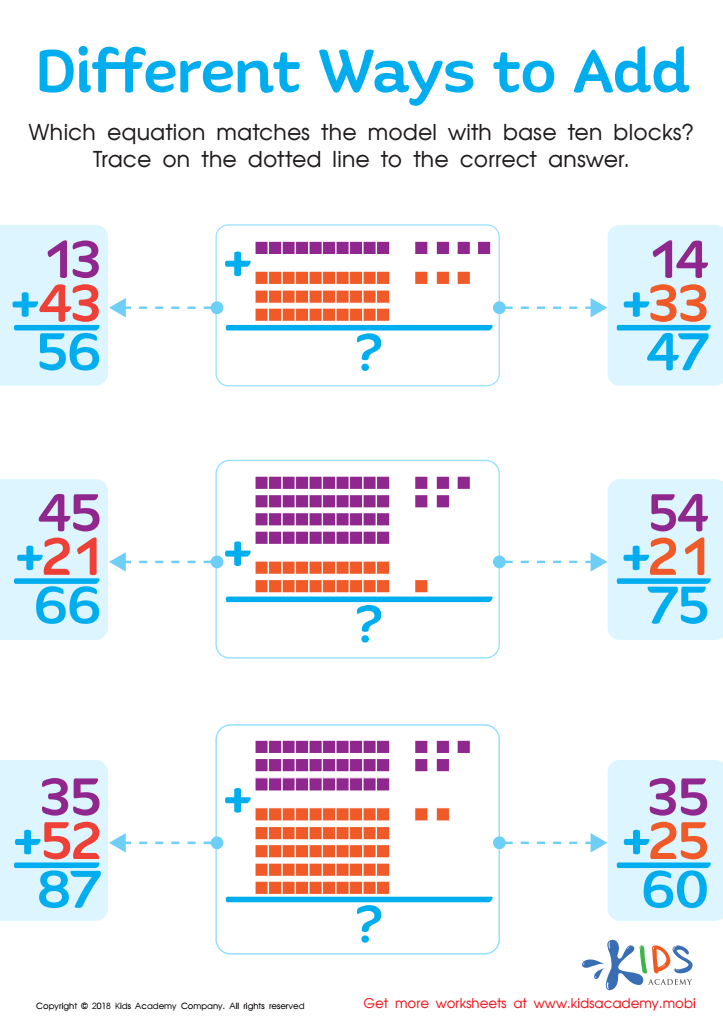
Different Ways to Add Worksheet








Mental math practice, particularly with addition facts, is crucial for children's mathematical development, especially for those aged 5-7. At this formative age, kids are building the foundational skills that will support their future learning. Engaging in mental math helps children to develop number sense, which is their ability to understand, relate, and connect numbers. This understanding aids them in recognizing patterns, estimating sums, and making quick calculations without resorting to counting on fingers or other tools.
Furthermore, proficiency in addition facts boosts children's confidence. When they can swiftly and accurately solve basic problems in their heads, they approach more challenging math tasks with a positive mindset. This confidence can permeate other areas of learning and encourage a more enduring love for math.
Additionally, mental math strengthens cognitive abilities such as memory, focus, and problem-solving. The constant need to recall and manipulate numbers enhances brain flexibility and mental agility, skills that are beneficial beyond the realm of mathematics.
For parents and teachers, encouraging mental math practice aligns with fostering a well-rounded educational experience. It can be seamlessly integrated into daily activities through games and fun challenges, making learning both engaging and effective. Ultimately, these early math practices set the stage for future academic success and real-life applications.








