Practice inference skills Addition & Subtraction Worksheets for Ages 5-7
3 filtered results
-
From - To
Boost your child's critical thinking and math skills with our engaging Practice Inference Skills Addition & Subtraction Worksheets designed for ages 5-7! These thoughtfully crafted worksheets encourage young learners to make logical connections and reason through problems while practicing basic addition and subtraction. Perfect for early elementary students, our activities combine vibrant visuals with challenging tasks, fostering both number sense and problem-solving abilities. Ideal for home or classroom use, these printable resources provide a fun and educational experience that helps build a solid foundation in mathematics. Empower your child to succeed with our expertly designed practice sheets!
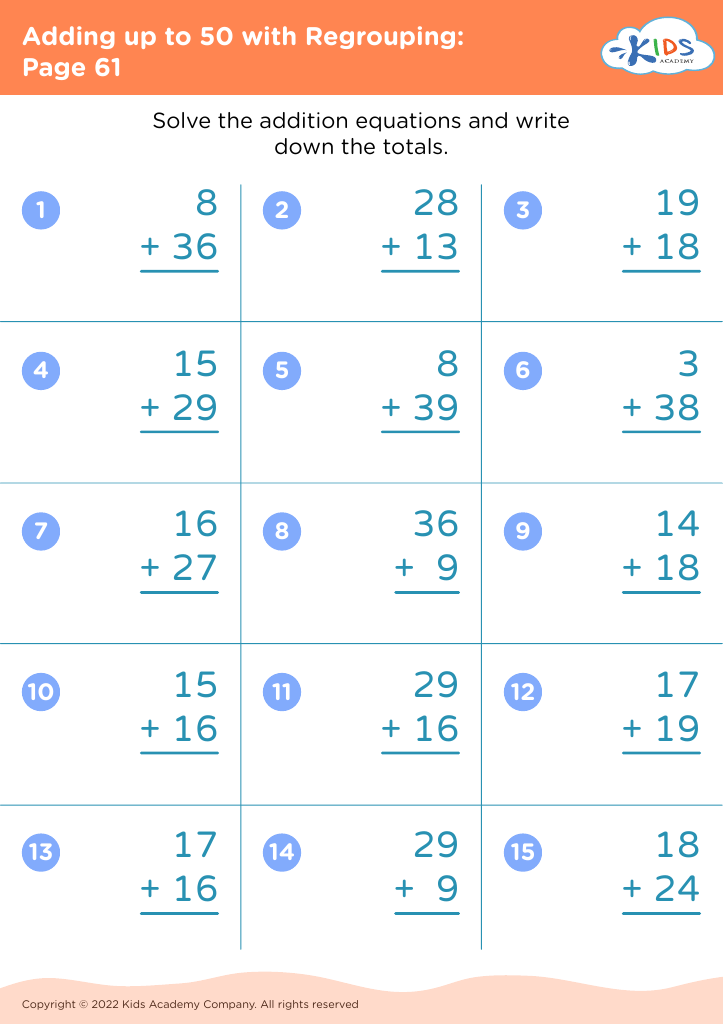
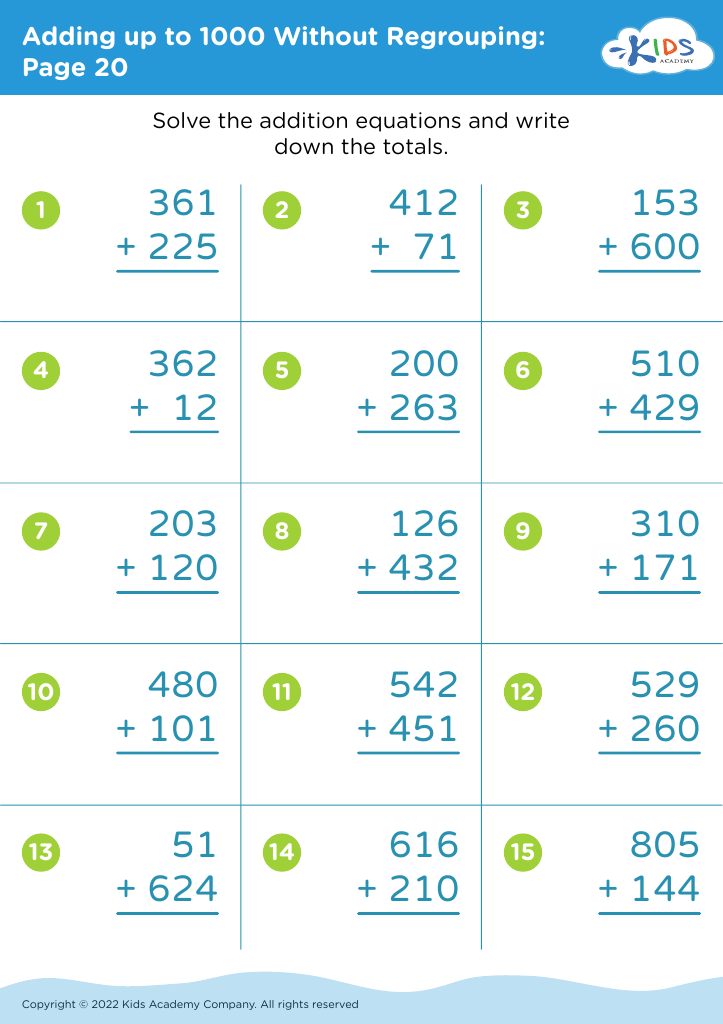
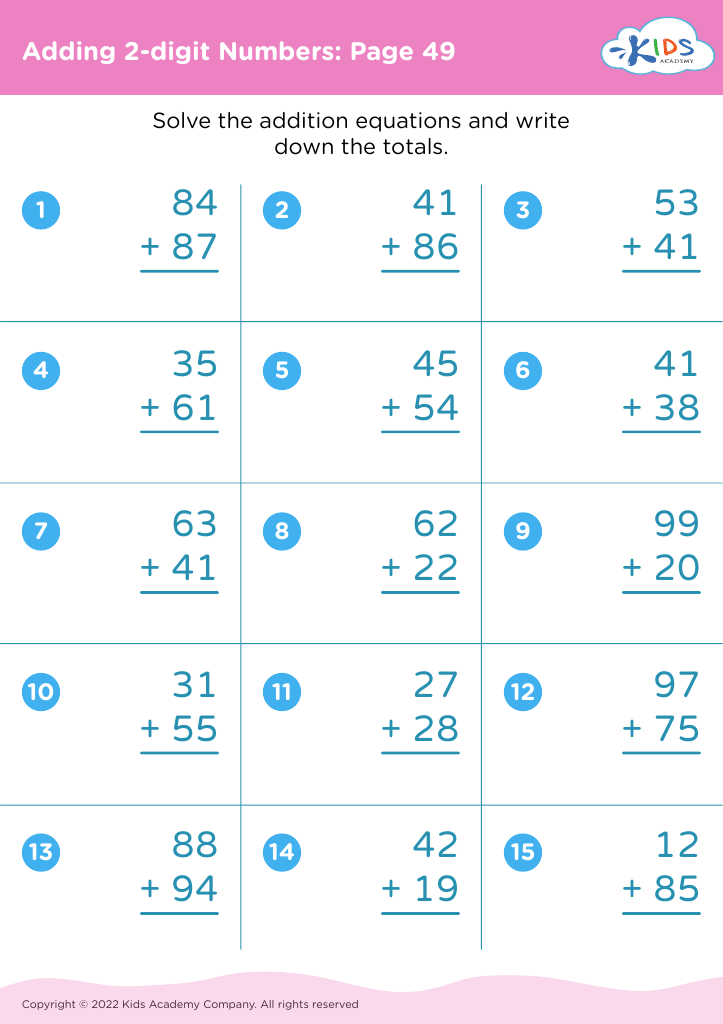








Developing inference skills and practicing basic addition and subtraction is crucial for children aged 5-7 because these form the building blocks for future learning. For parents and teachers, it's essential to invest time and effort in nurturing these skills early on.
Inference skills play a crucial role in reading comprehension and overall cognitive development. When children infer, they learn to make connections between what's stated and what's implied, enhancing their critical thinking and problem-solving abilities. By practicing these skills at a young age, children can better understand stories, follow instructions, and engage more deeply with the material they are learning.
On the other hand, addition and subtraction are fundamental mathematical operations that children need to master early. Proficiency in these basics sets the stage for more complex mathematical concepts like multiplication, division, and algebra. Regular practice helps children develop number sense, improve memory, and boost confidence in their abilities.
Moreover, combining these skills can make learning more holistic and integrated. For instance, simple word problems that require both inference and calculation can make math relatable and engaging for young learners. This dual focus prepares them for higher academic challenges and practical life situations, fostering a well-rounded intellectual development. Therefore, parents and teachers should prioritize these foundational skills to set children up for long-term success.








