
Visual-motor skills Addition & Subtraction Worksheets for Ages 5-7
4 filtered results
Difficulty Level
Grade
Age
-
From - To
Subject
Activity
Standards
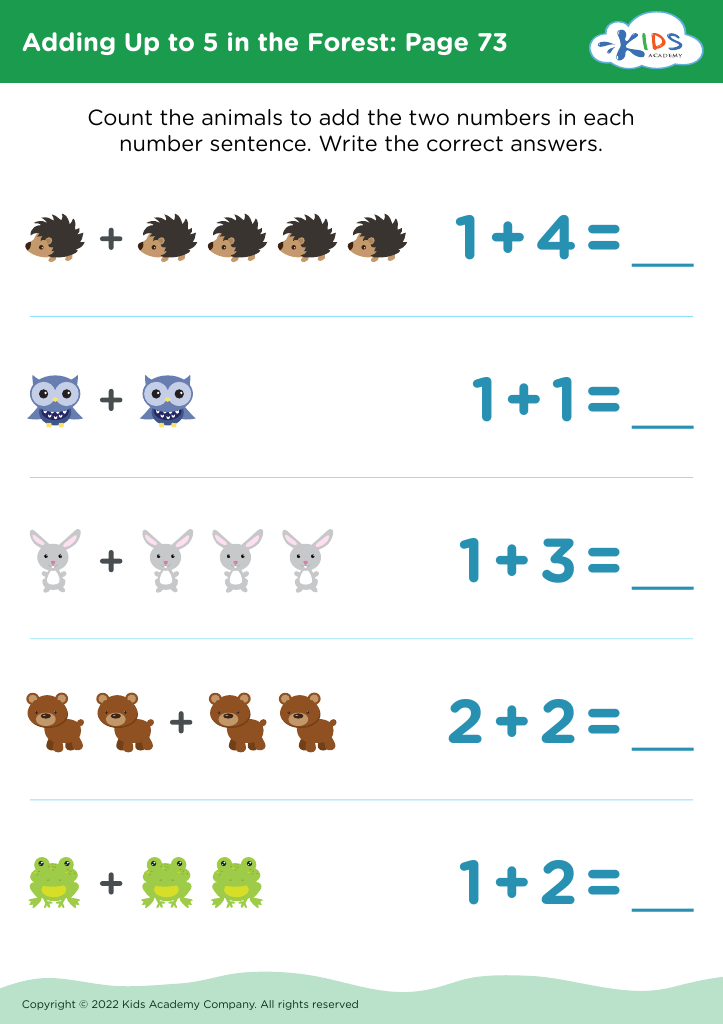
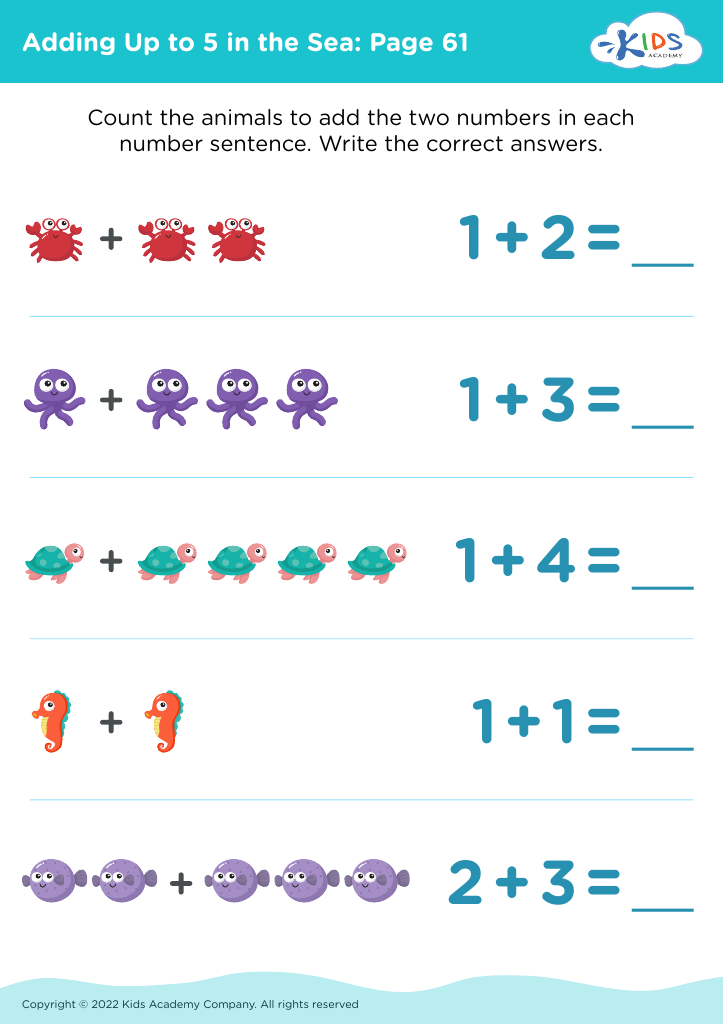
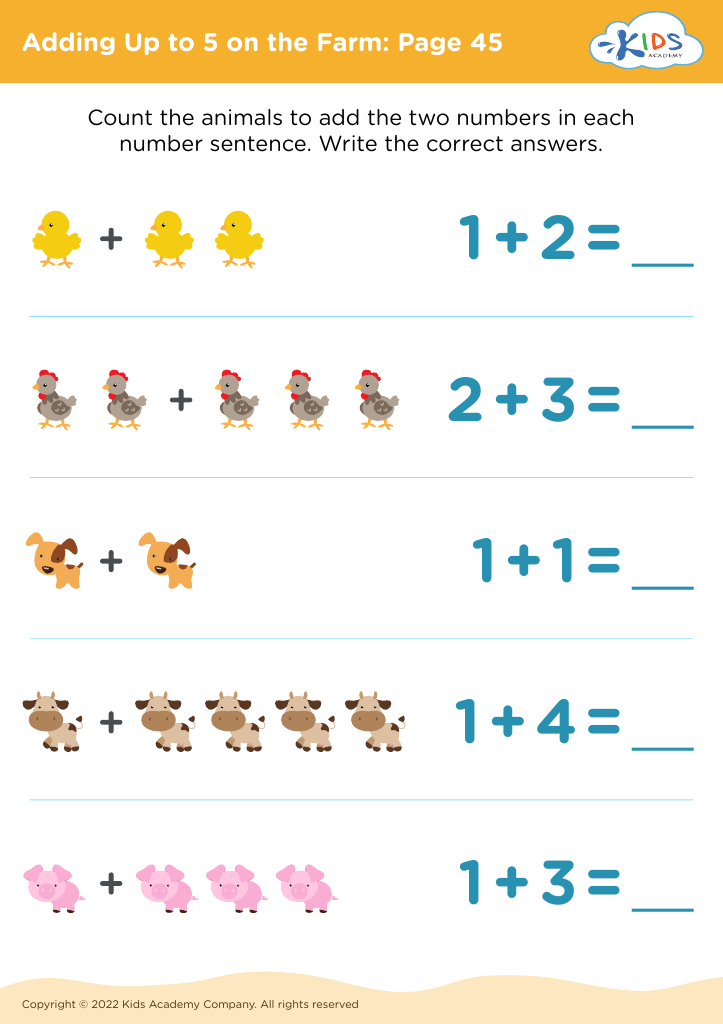
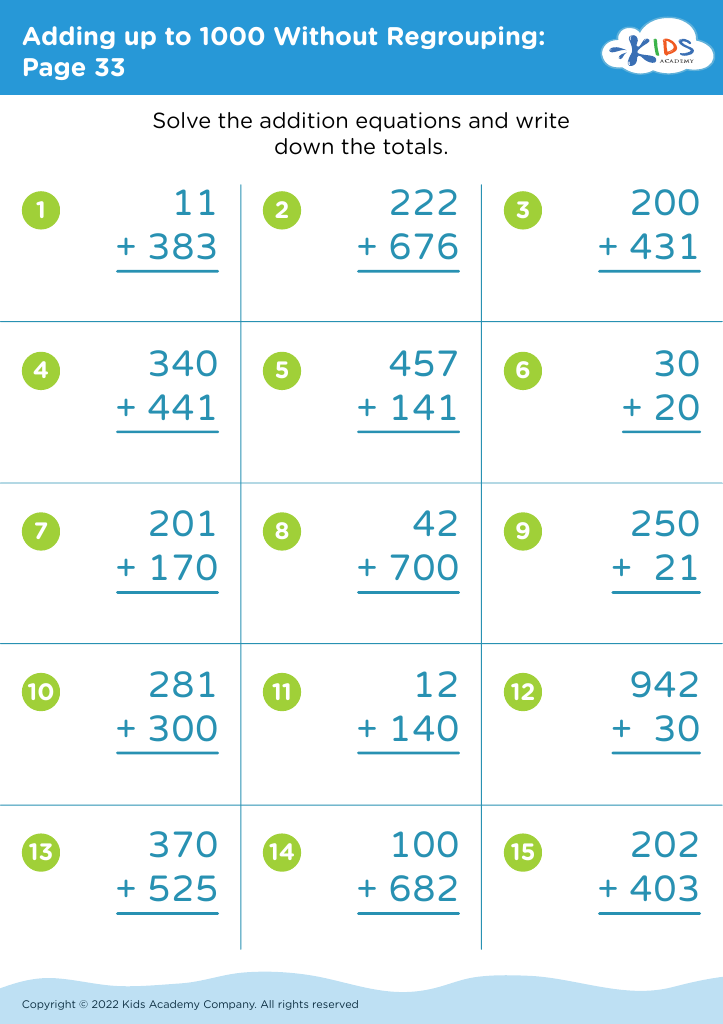
Enhance your child's foundational math journey with our Visual-Motor Skills Addition & Subtraction Worksheets, designed specifically for ages 5-7. Combining essential math concepts with fun visual-motor exercises, these worksheets make learning engaging and effective. Your young learner will practice adding and subtracting while developing crucial visual perception and fine motor abilities, strengthening their hand-eye coordination and cognitive skills. Perfect for at-home practice or classroom activities, these worksheets motivate kids to grasp mathematical principles through interactive and hands-on experiences, paving the way for academic success. Available for easy download at Kids Academy.
Favorites
With answer key
Interactive
Join Kids Academy for Free
Who is primarily going to use this learning content?








Visual-motor skills, which involve the coordination of visual perception and motor control, are critically important for children between the ages of 5-7, especially in the context of learning addition and subtraction. As children begin formal education, they are often introduced to fundamental math concepts that lay the groundwork for future learning. Activities requiring visual-motor skills help children to integrate visual information and execute precise hand movements, which are essential when writing numbers, solving equations, or following math-related instructions.
Strong visual-motor skills facilitate easier recognition and reproduction of numbers and mathematical symbols, improving accuracy in written work. This also aids in understanding spatial relationships, such as the concepts of 'more than' and 'less than,' and organizing numbers correctly on a page. Furthermore, activities that enhance these skills—like puzzles, drawing shapes, and interactive math games—strengthen cognitive processes like attention and memory,leading to better problem-solving abilities.
For teachers and parents, supporting the development of visual-motor integration ensures that children not only excel in math but also gain confidence and enjoyment in learning. This foundational skill set is also transferable to other academic areas, including reading and science, making early and consistent engagement in visual-motor activities a cornerstone of effective early education.








