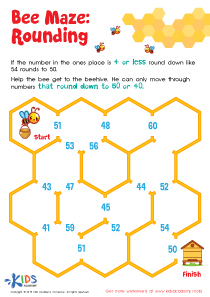
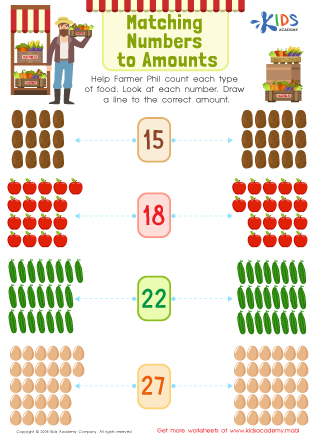
Counting skills Comparing Numbers Worksheets for Ages 5-7
5 filtered results
-
From - To
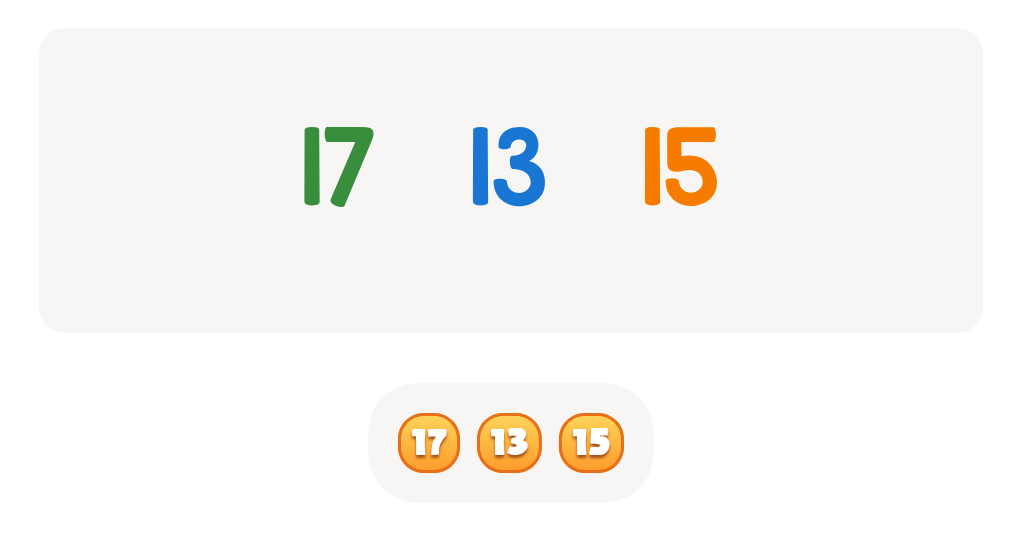
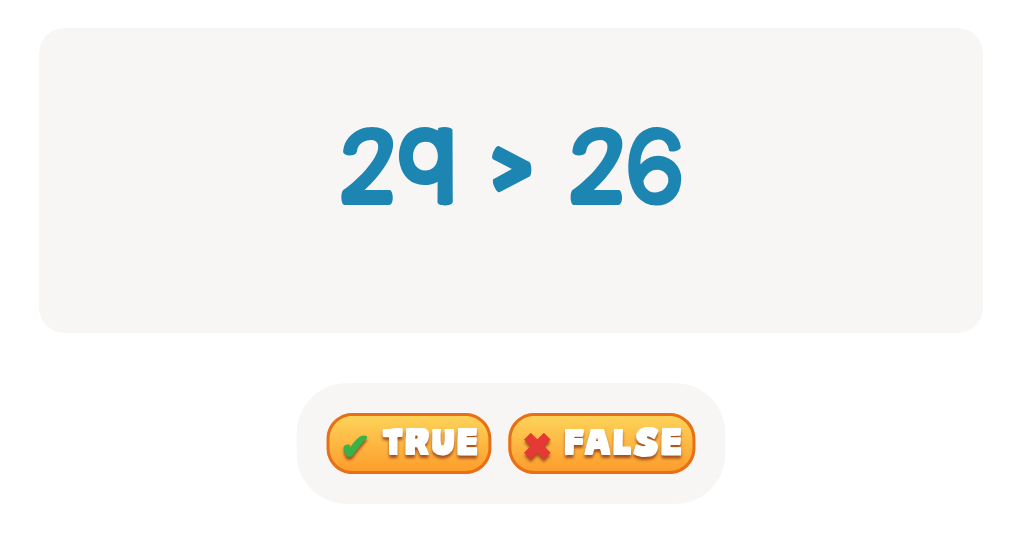
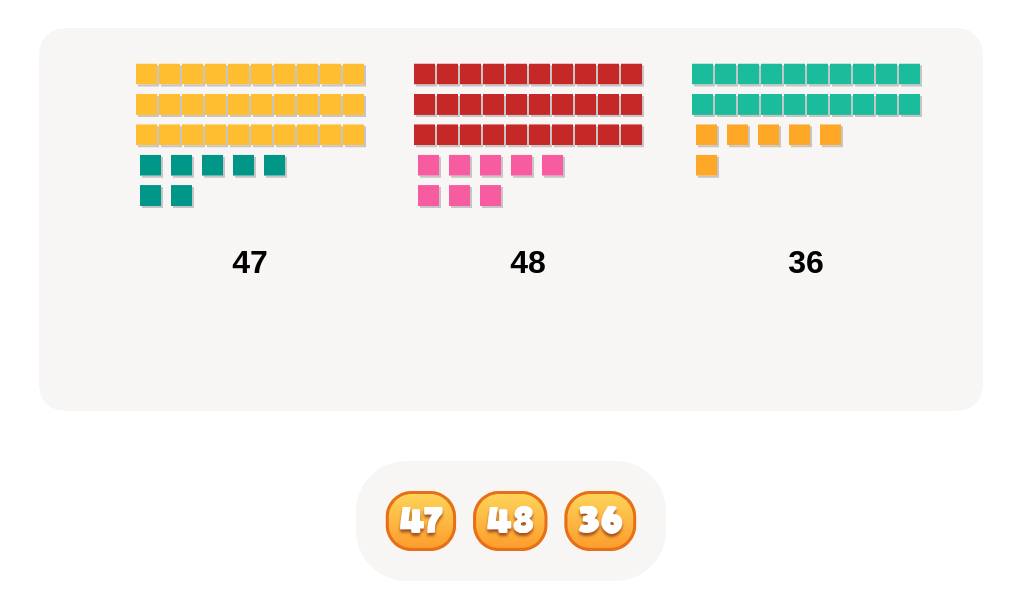
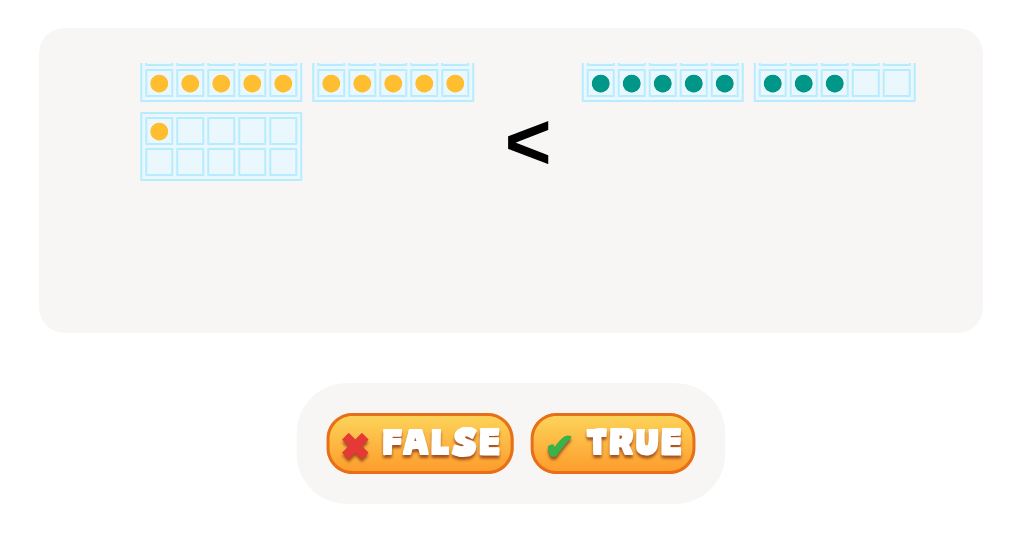
Enhance your child's counting skills with our engaging "Comparing Numbers Worksheets" designed for ages 5-7! Perfect for early learners, these worksheets introduce essential math concepts as children practice comparing numbers through fun activities. Your little ones will strengthen their understanding of greater than, less than, and equal to while developing critical thinking skills. Each worksheet is crafted to combine educational value with enjoyable exercises, ensuring that children remain motivated and excited about learning. Foster a solid math foundation for your young learners as they confidently navigate the world of numbers with our interactive and colorful resources! Start their counting journey now!
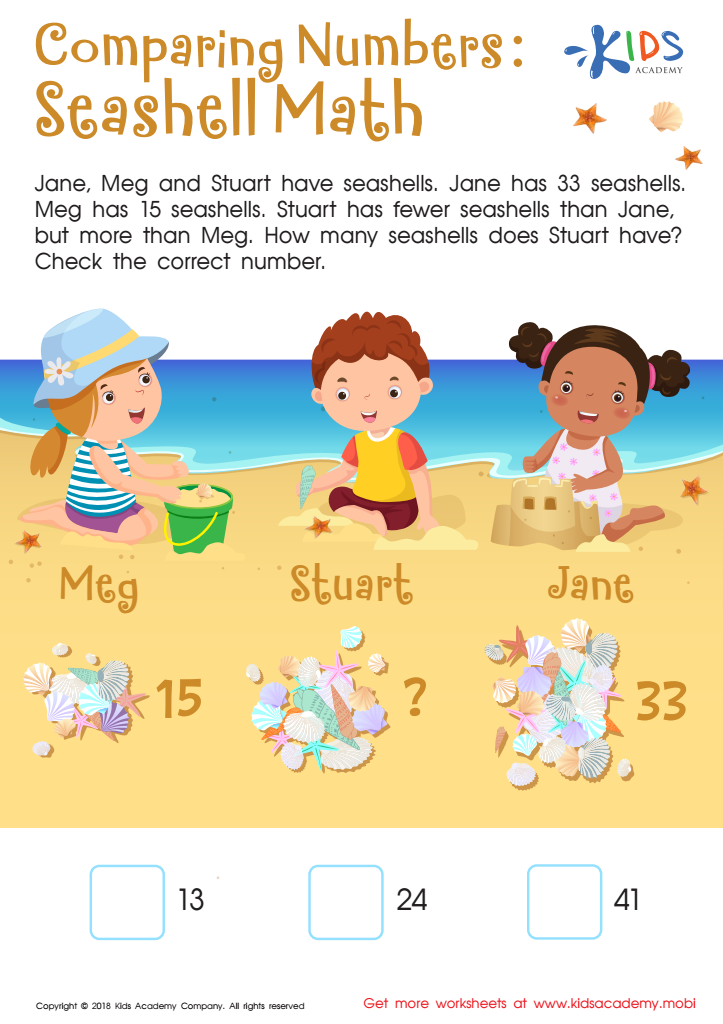
Seashell Collectors Worksheet
 Assign to My Students
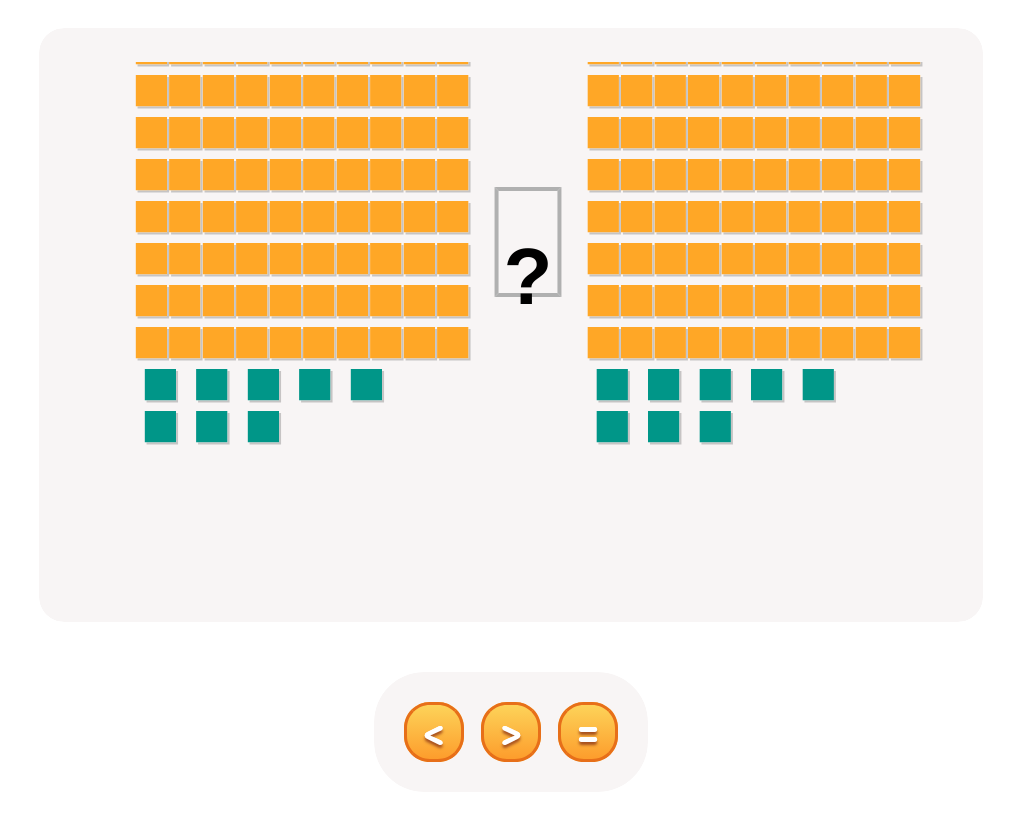

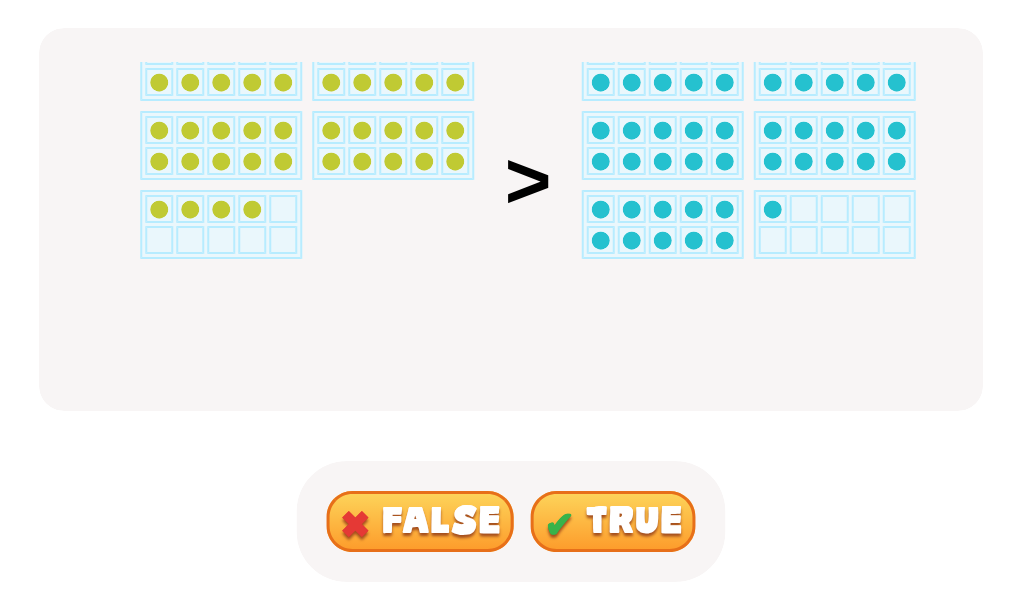
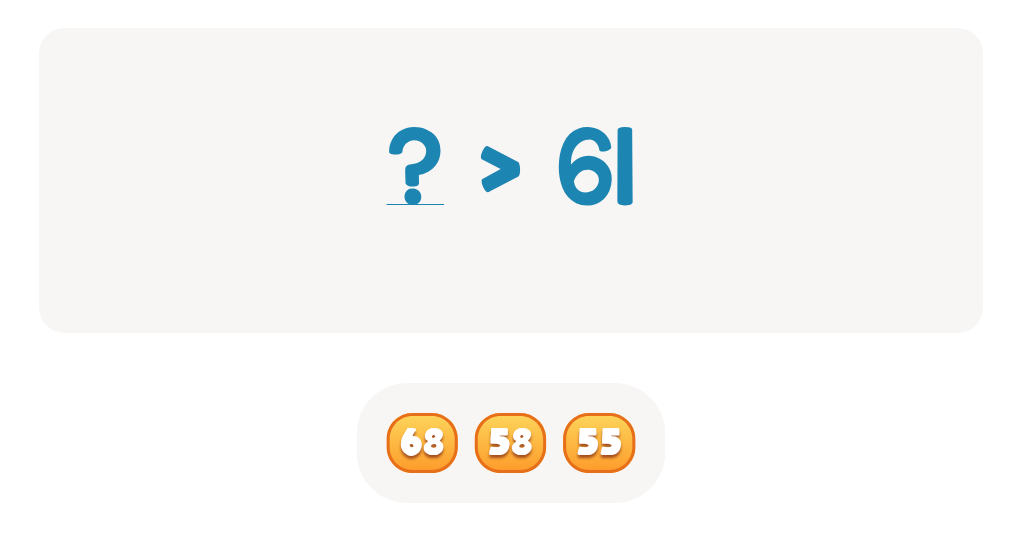
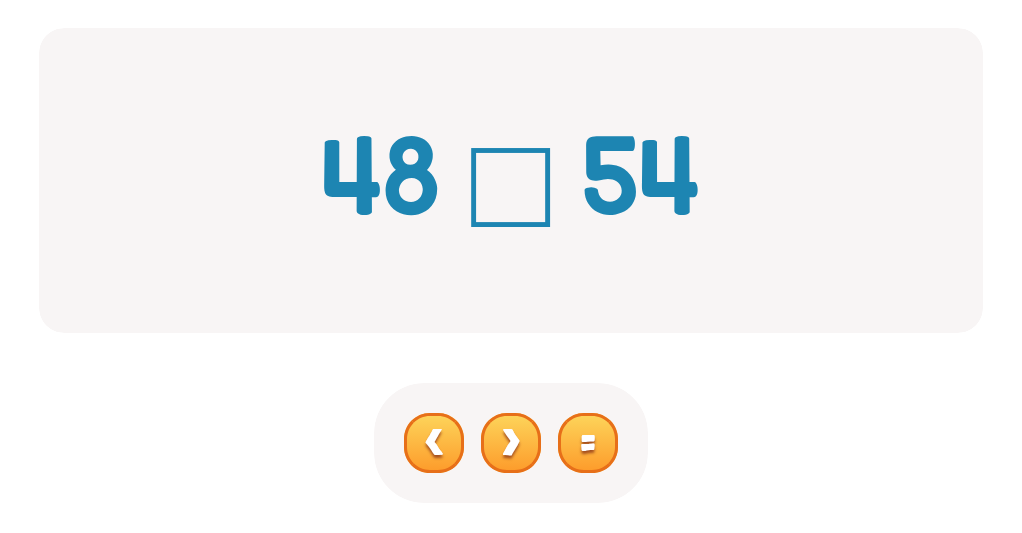
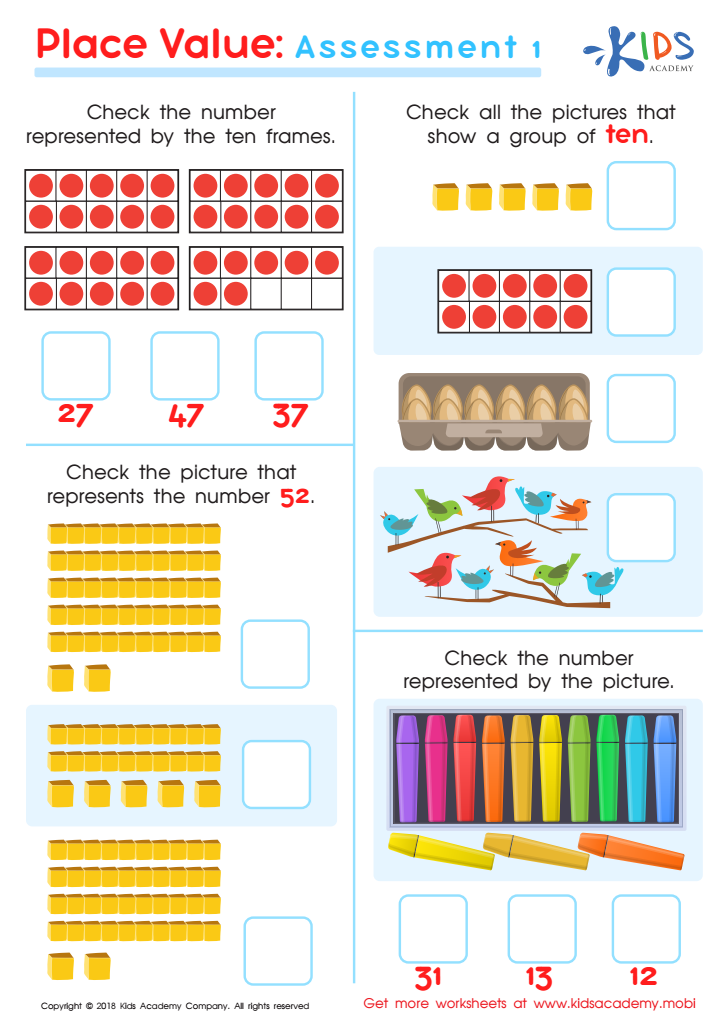
Place Value: Assessment 1 Worksheet
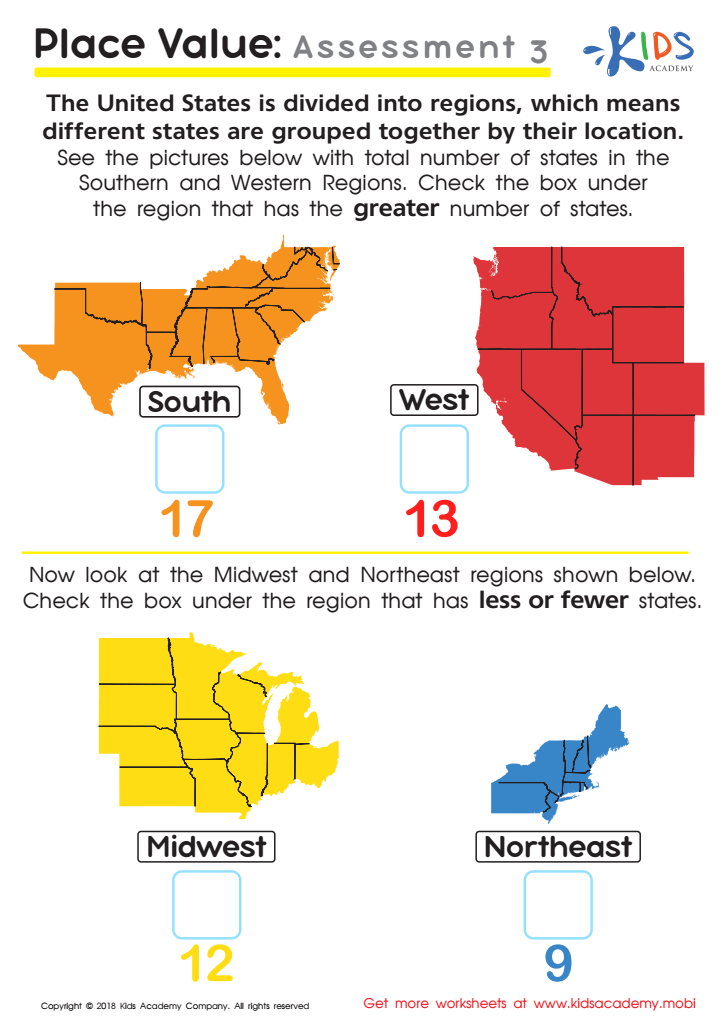
Place Value: Assessment 3 Worksheet
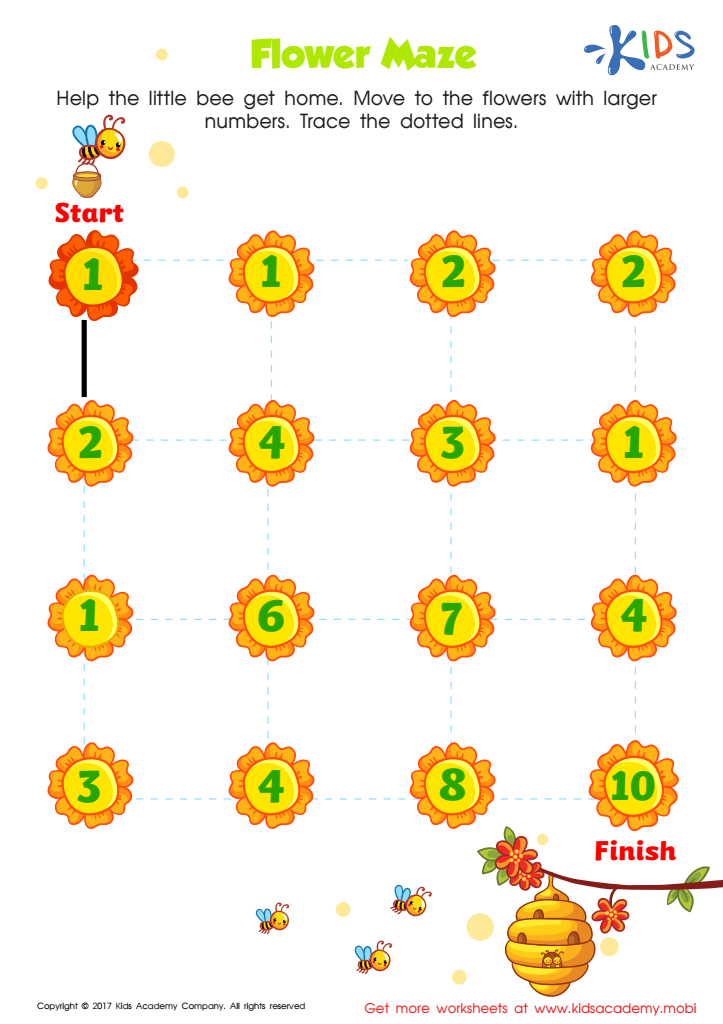
Number Maze For Kindergarten Printable
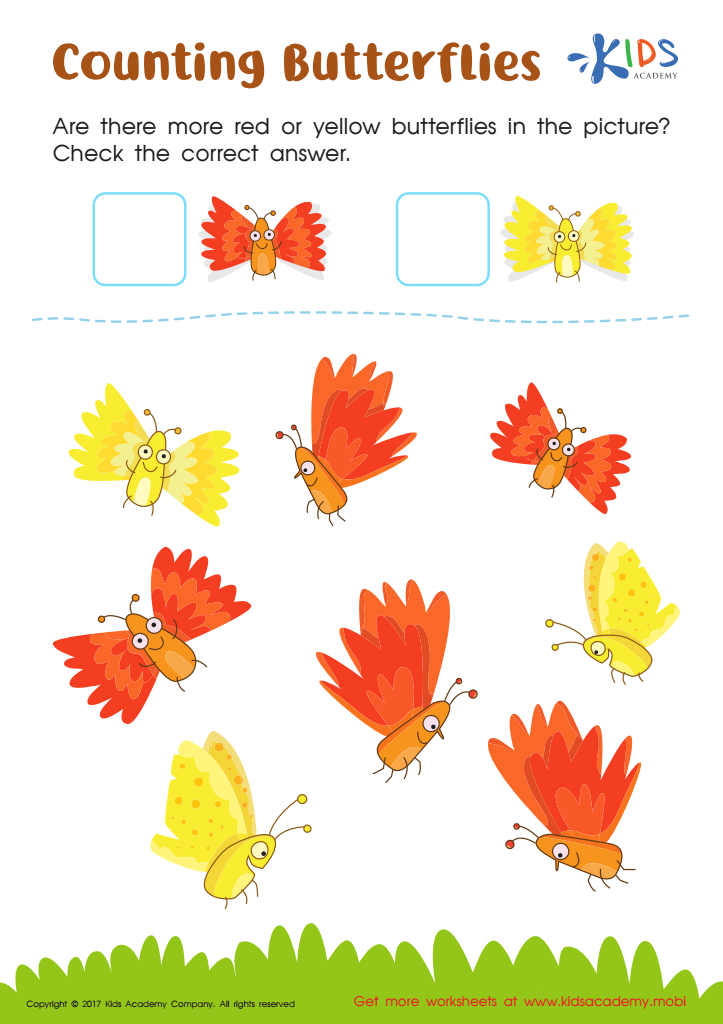
Counting Butterflies Worksheet








Counting skills and comparing numbers are foundational mathematical concepts vital for children's cognitive development, especially for those aged 5-7. At this age, children are naturally curious and eager to learn, making it an ideal time to cultivate strong numeracy skills.
First, mastering counting allows children to understand the sequence of numbers, which is crucial for later math concepts such as addition and subtraction. When children can count confidently, they gain a sense of number sense, helping them to interact with mathematical operations more fluidly.
Moreover, comparing numbers teaches children to recognize relationships among quantities, fostering critical thinking and problem-solving skills. For instance, understanding concepts like “more,” “less,” and “equal” fosters their ability to make decisions based on quantity, enhancing their reasoning abilities.
Additionally, these skills are closely linked to everyday experiences, such as making choices, budgeting allowances, or even cooking at home. By supporting the development of counting skills and numerical comparison, parents and teachers not only enhance children’s academic proficiencies but also instill lifelong practical skills. This foundational knowledge prepares children for future math learning and helps build confidence, ensuring they approach mathematics as an enjoyable subject rather than a daunting challenge.