Fine motor skills (writing) Math Worksheets for Ages 5-7 - Page 2
43 filtered results
-
From - To
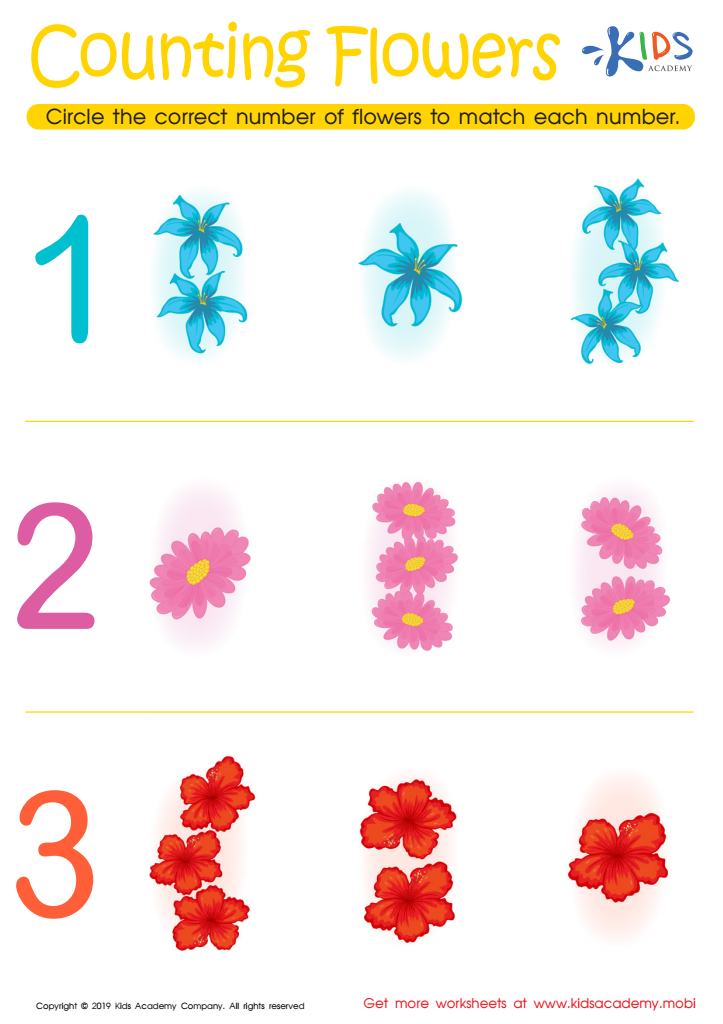
Counting Flowers Worksheet
 Assign to My Students
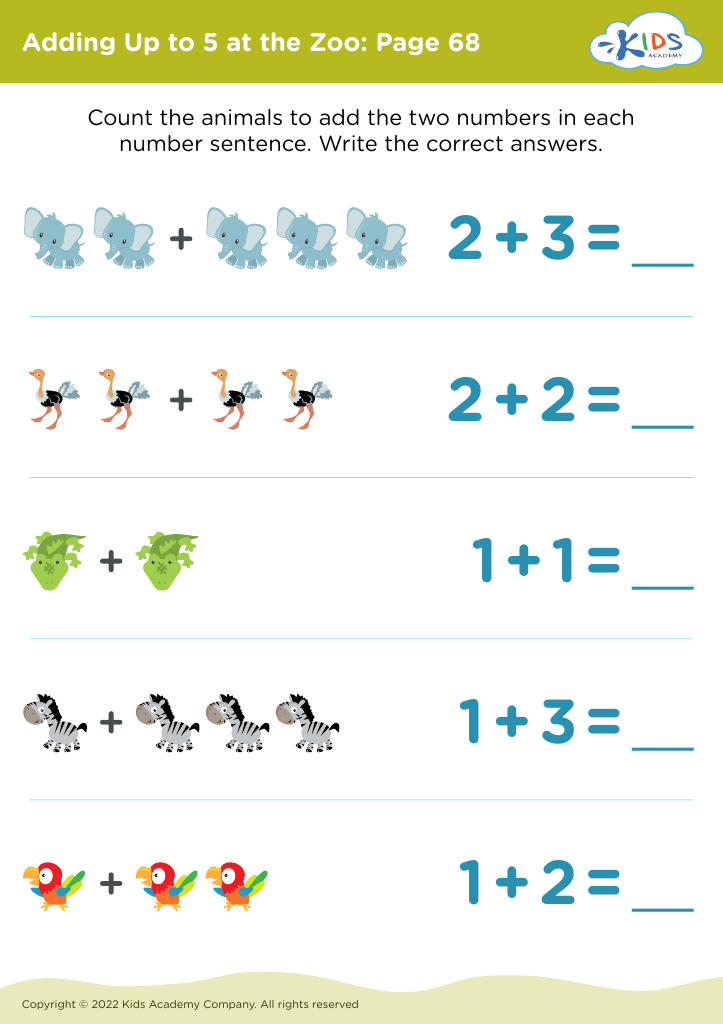
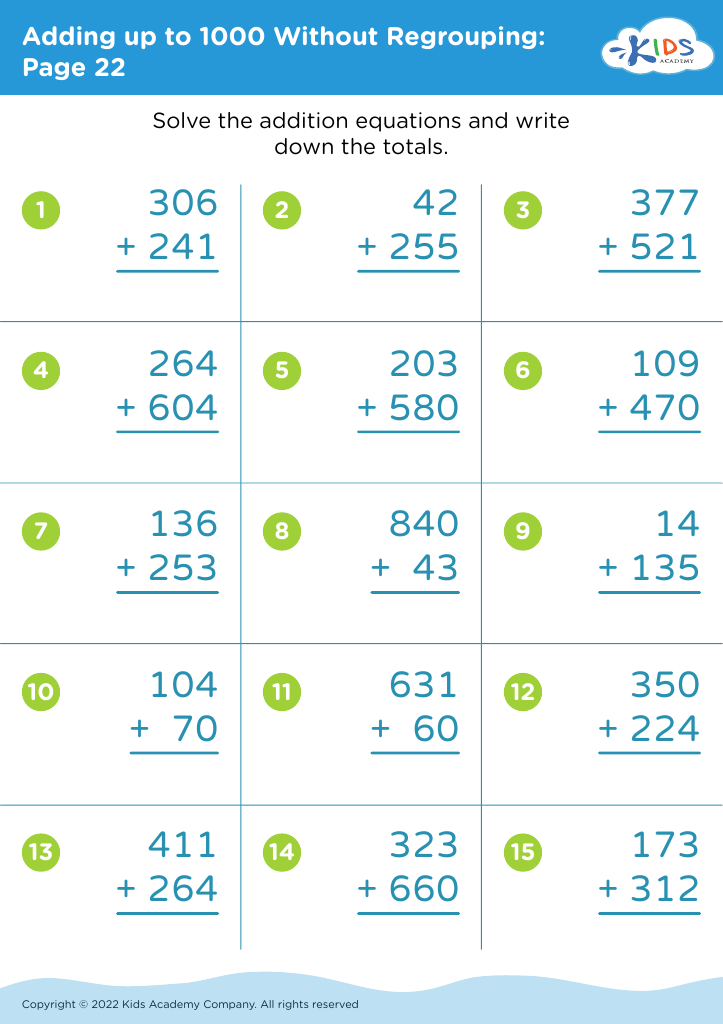
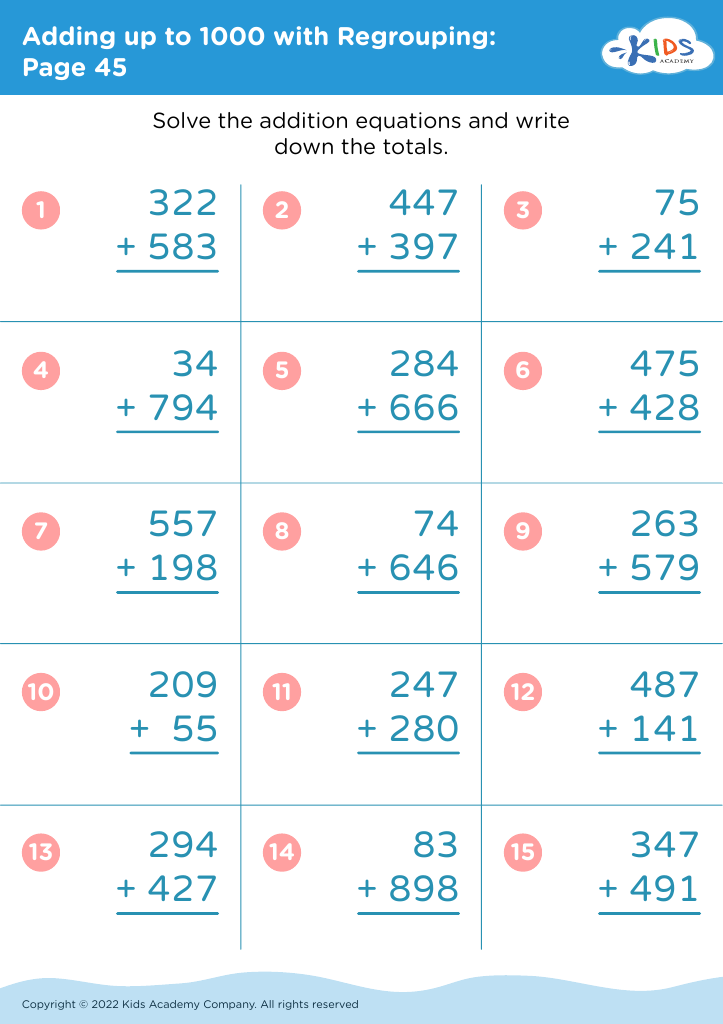
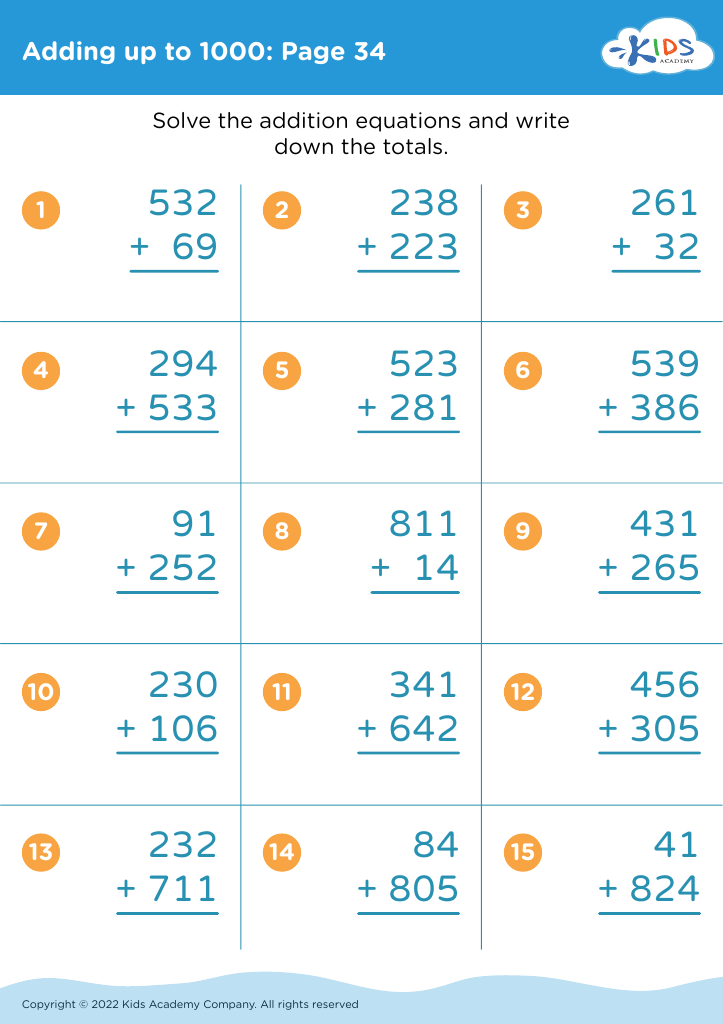
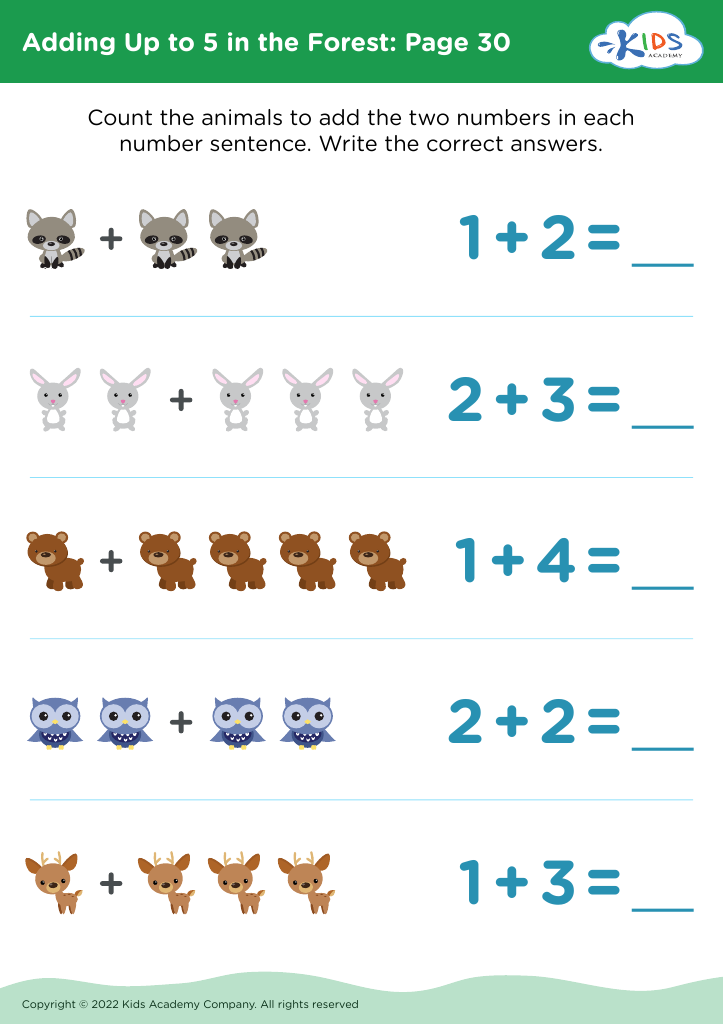
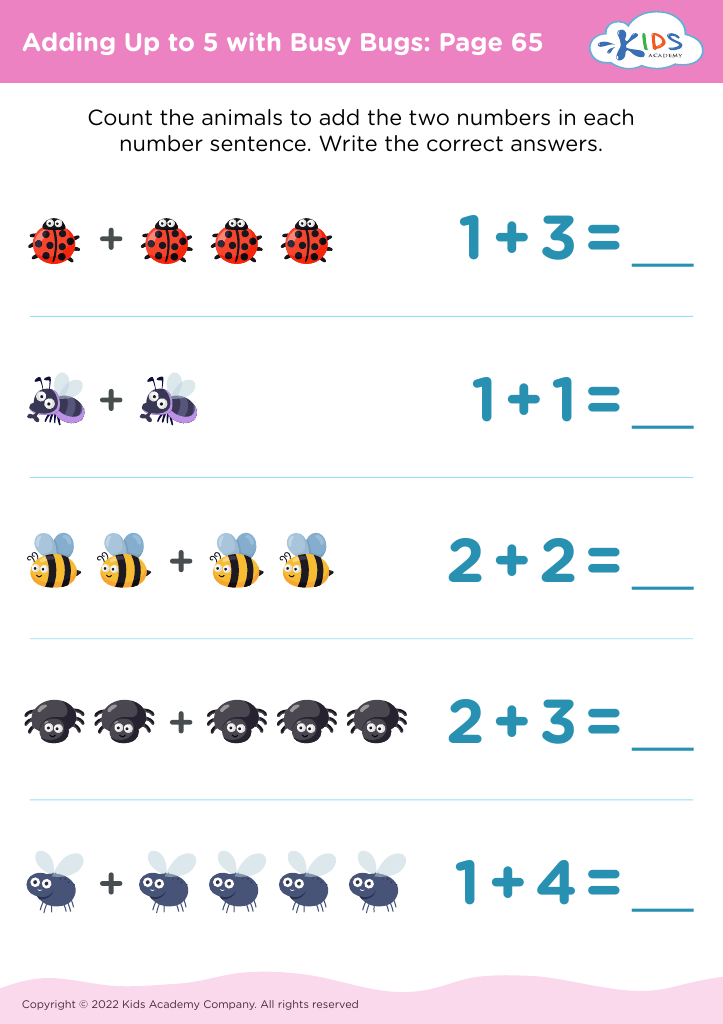
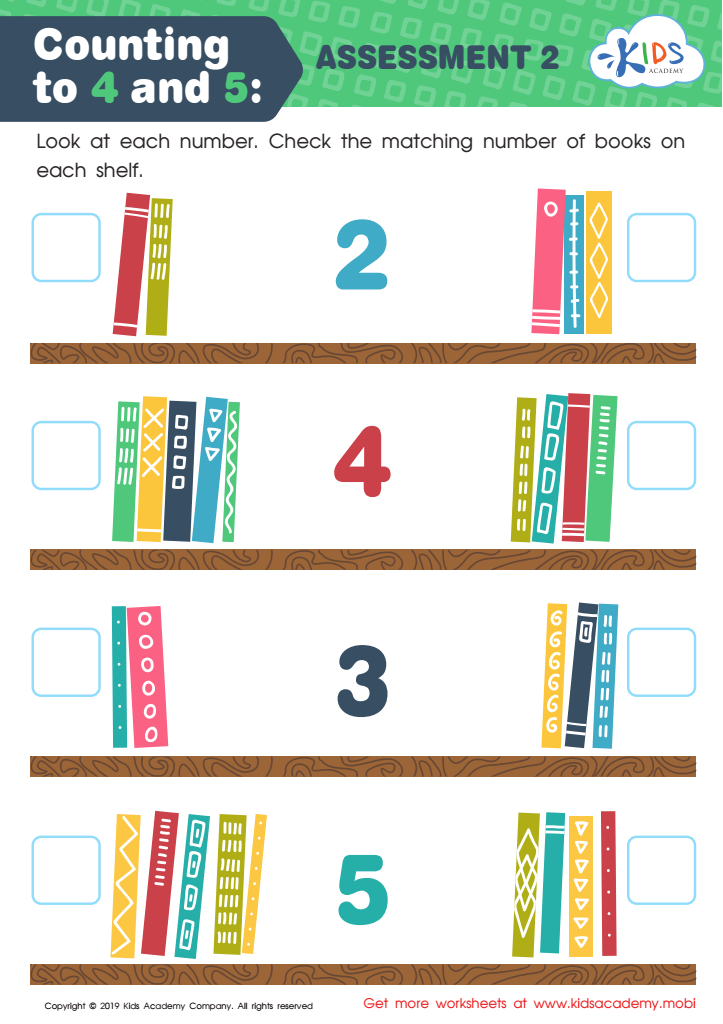
Counting to 4 and 5: Assessment 2 Worksheet








Fine motor skills are critical for children aged 5-7, as they form the foundation for writing and later, mathematical proficiency. During this developmental stage, children refine hand-eye coordination and dexterity, which are essential for tasks like holding a pencil, cutting with scissors, and manipulating small objects. Proficient fine motor skills enable children to express their thoughts in writing and engage effectively in early math activities, such as counting and pattern recognition.
Moreover, strong fine motor abilities contribute to a child’s overall confidence and independence. As they master writing and math tasks, they are more likely to participate actively in classroom activities, fostering a love for learning. Additionally, these skills support cognitive development, linking physical movement with mental processes, which are crucial for understanding math concepts like spatial awareness and number relationships.
When parents and teachers prioritize the development of fine motor skills, they lay the groundwork for future academic success. Engaging children in fun activities that promote these skills—like arts and crafts, puzzles, or playing with building blocks—makes learning enjoyable and effective. Therefore, by nurturing fine motor skills, parents and teachers are better equipping children for their educational journey and beyond.








