Understanding numeracy Math Worksheets for Ages 5-7
4 filtered results
-
From - To
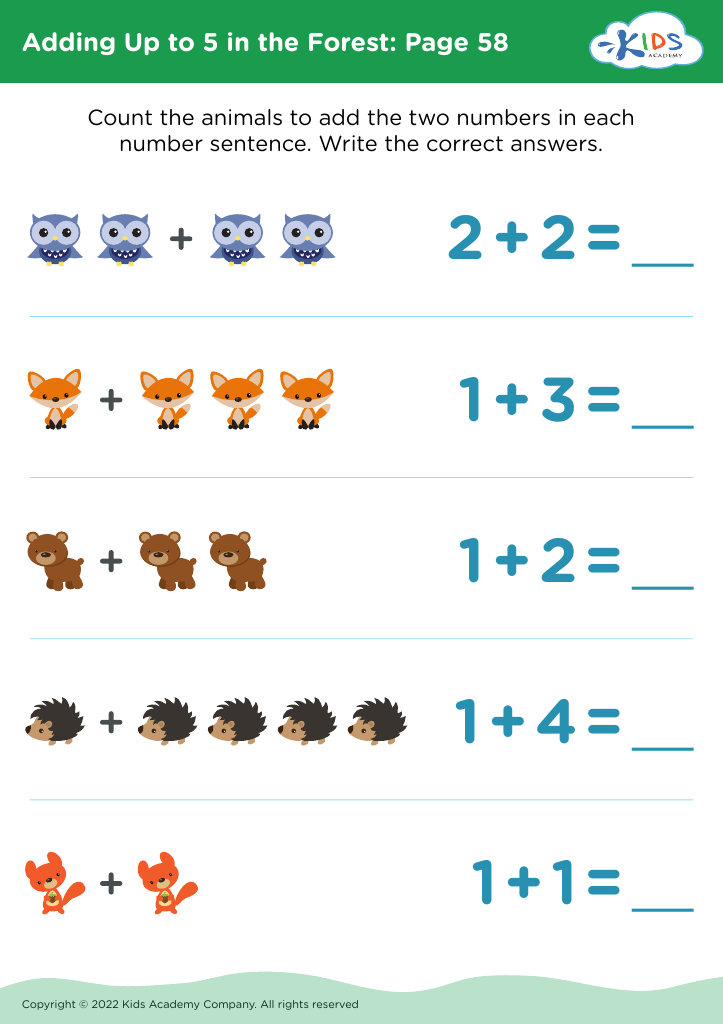
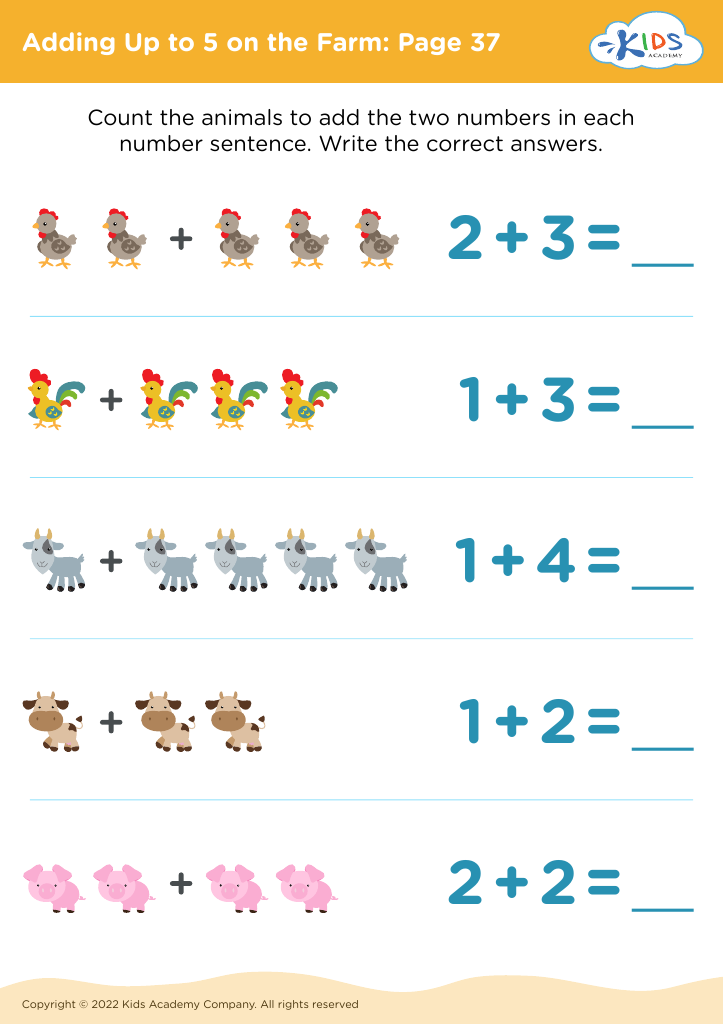
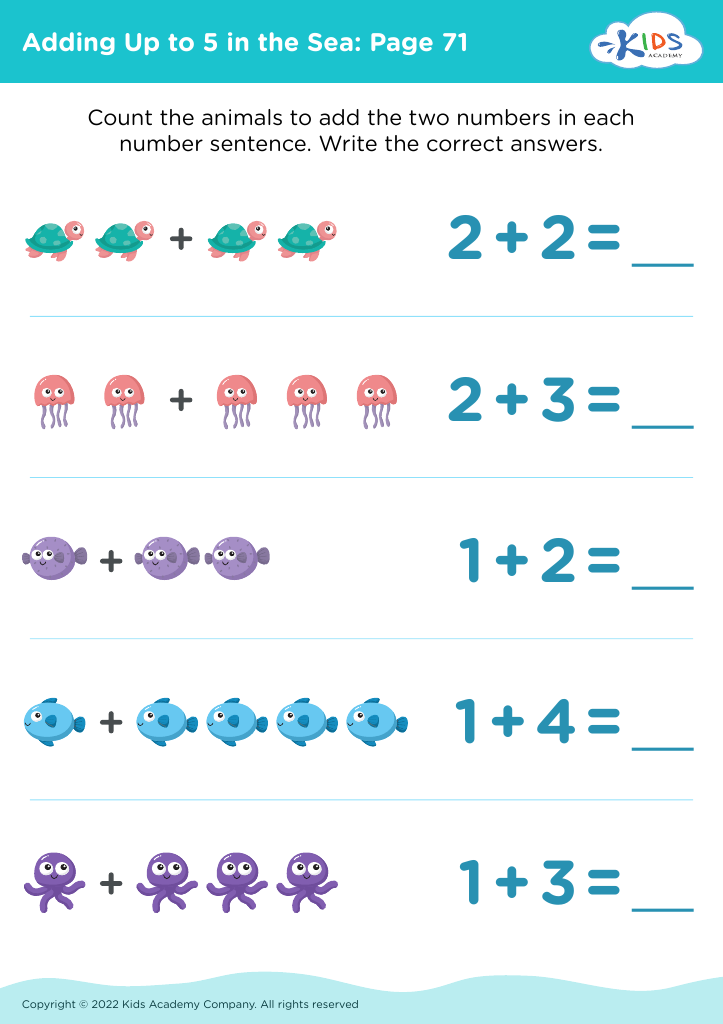
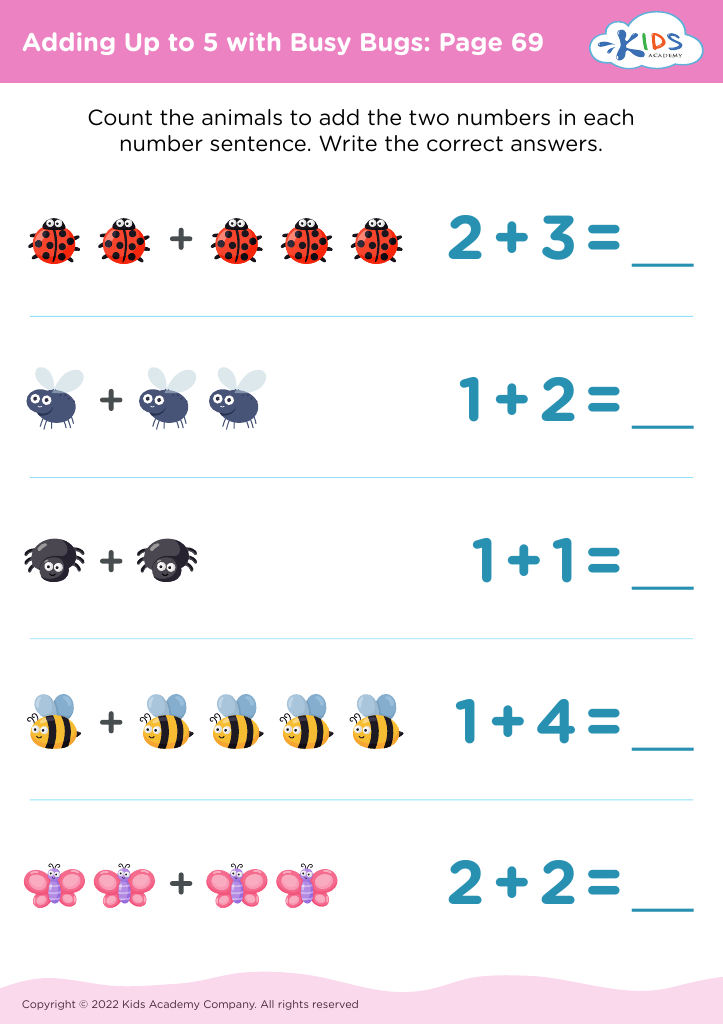
Introduce your child to the world of numbers with our "Understanding Numeracy Math Worksheets for Ages 5-7." These engaging, age-appropriate activities are designed to build foundational math skills, including counting, number recognition, addition, and subtraction. Our worksheets make learning fun with interactive exercises and colorful illustrations, ensuring young learners grasp essential concepts with ease. Perfect for classroom use or at-home practice, these resources support early mathematical development and foster a positive attitude toward math. Equip your 5-7-year-old with the tools they need to succeed through our expertly crafted, printable worksheets available now at Kids Academy.








Understanding numeracy for children aged 5-7 is crucial for both parents and teachers because it sets the foundation for all future mathematical learning. At this age, children begin to develop essential skills such as counting, recognizing numbers, and basic arithmetic. Proficiency in these areas forms the basis for more complex mathematical concepts they will encounter in later grades, such as multiplication, division, and problem-solving.
When parents and teachers focus on numeracy at an early age, they can identify and address gaps in understanding before they become significant obstacles. Early intervention is key; children who struggle with basic numeracy are more likely to face difficulties with higher-level math, which can impact their confidence and attitude toward the subject.
Moreover, numeracy is not only about numbers; it helps develop logical thinking and problem-solving skills, which are applicable across various subjects and real-life situations. For instance, understanding shapes and measurements can enhance spatial awareness and better comprehension of science topics.
Additionally, nurturing a positive attitude towards math at a young age encourages curiosity and love for learning, which can lead to greater academic success and better career opportunities. Therefore, investing time and effort in understanding and teaching numeracy is an invaluable step towards fostering a child's intellectual growth and lifelong learning skills.








