Basic Math Skills Place Value Worksheets for Ages 5-7
5 filtered results
-
From - To
Welcome to our "Basic Math Skills Place Value Worksheets" specially designed for children ages 5-7! These engaging worksheets introduce young learners to the fundamental concepts of place value, helping them understand how numbers are structured and the importance of digits in different positions. Our carefully crafted activities encourage hands-on learning through fun exercises that reinforce number recognition, addition, and sequential ordering. Perfect for home or classroom use, these worksheets are an effective tool to build a strong math foundation. Empower your child’s confidence in math while exploring the world of numbers with our delightful and educational place value resources!
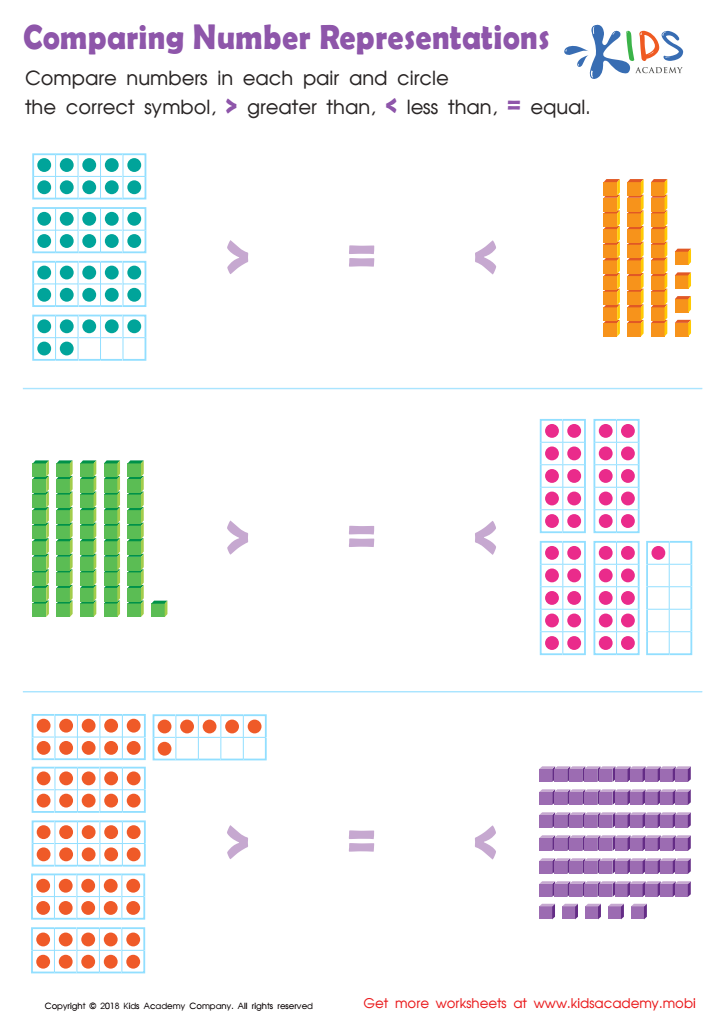
Comparing Number Representations Worksheet
 Assign to My Students
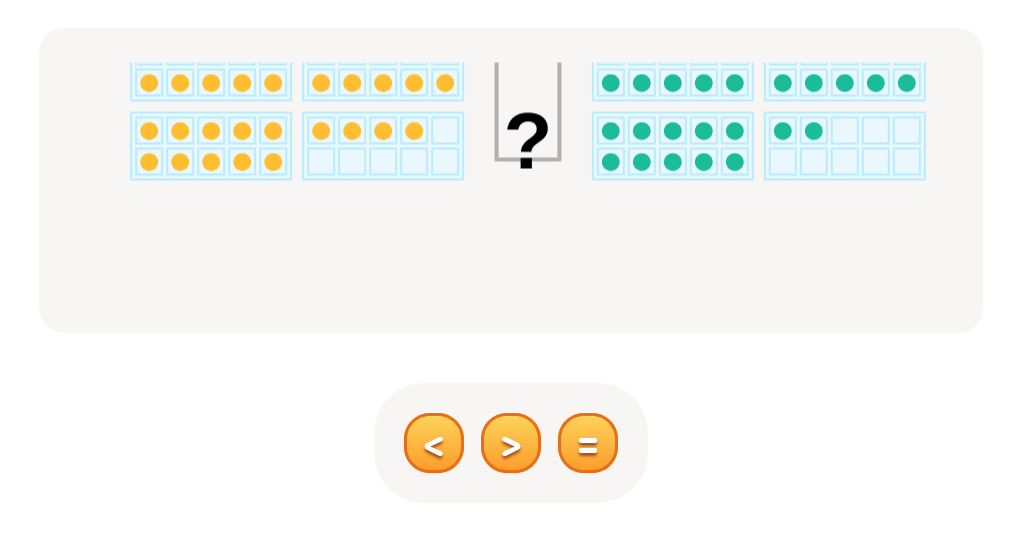

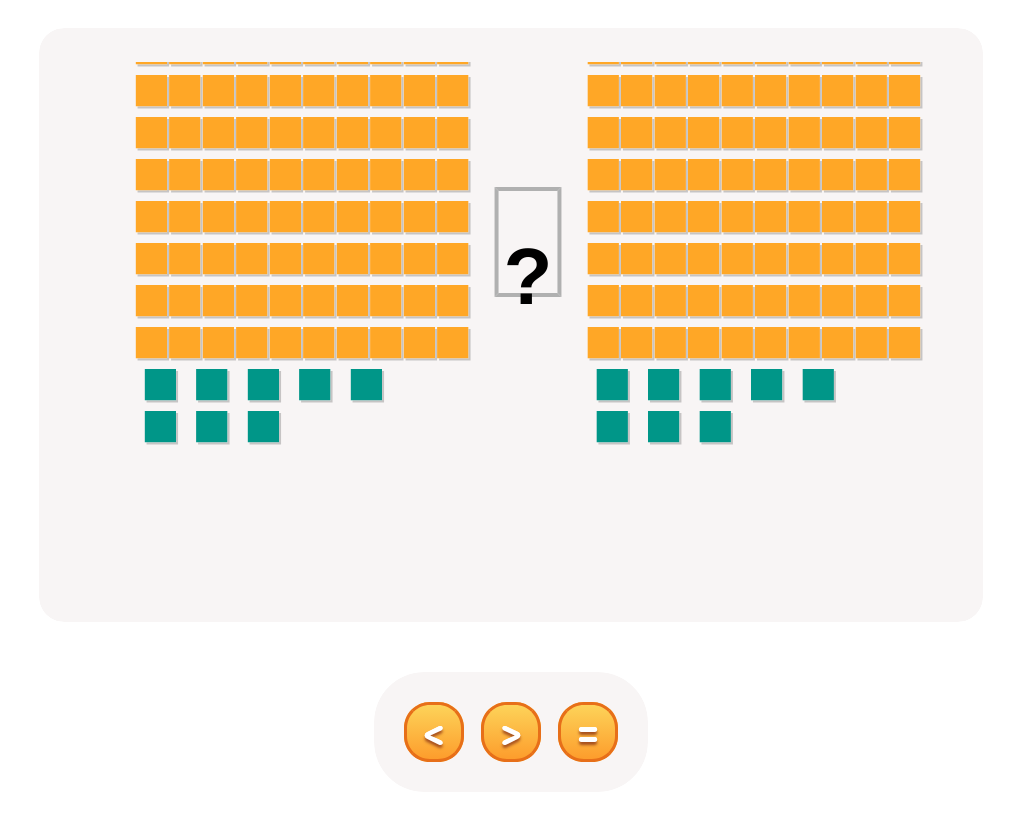
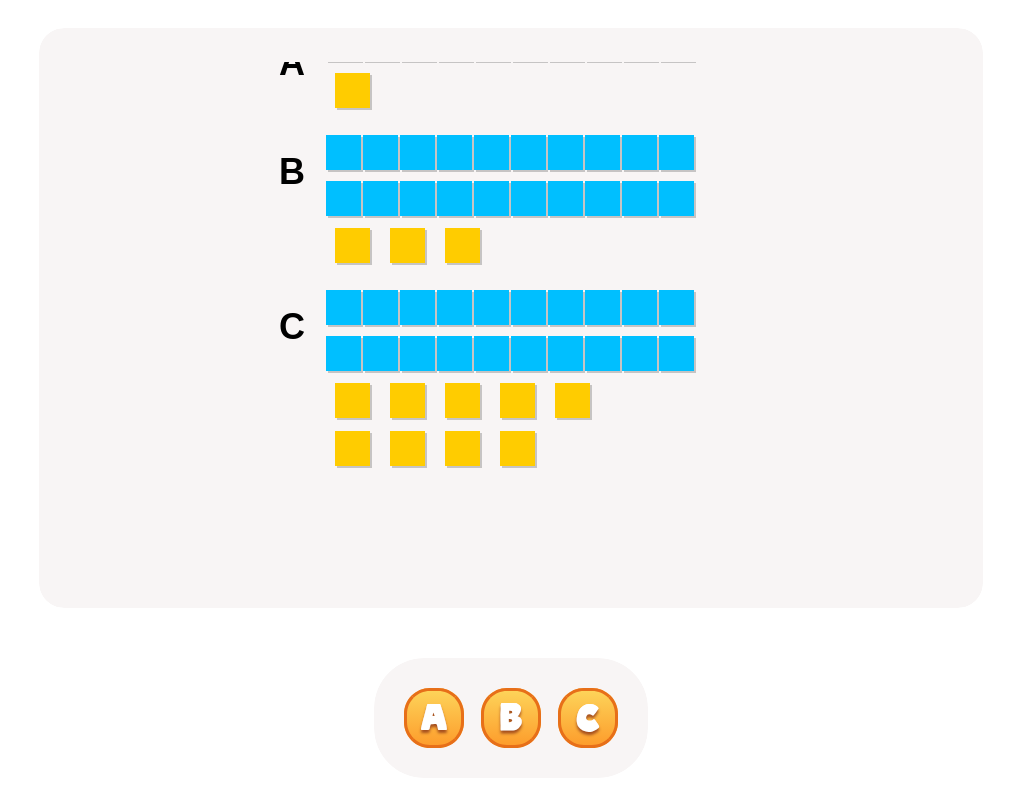
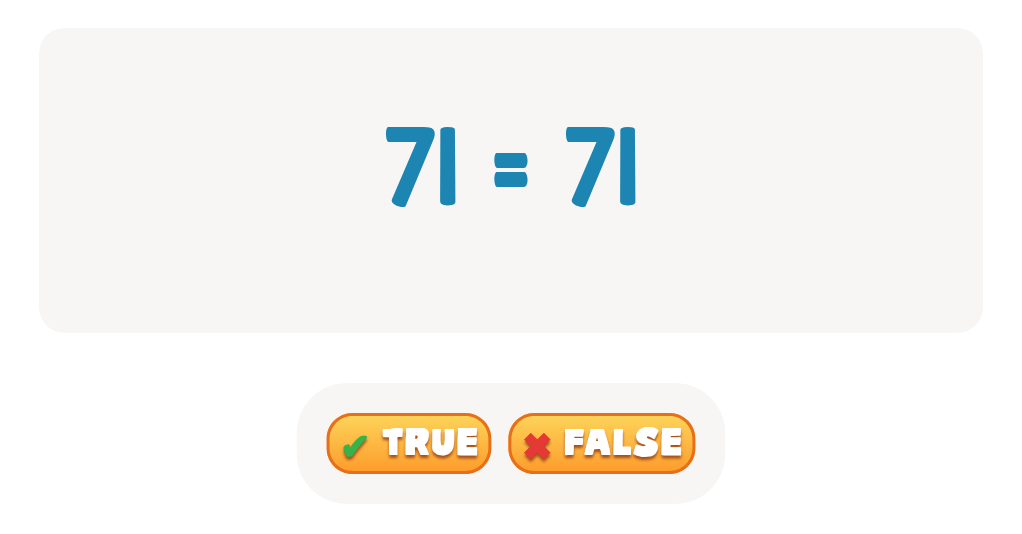
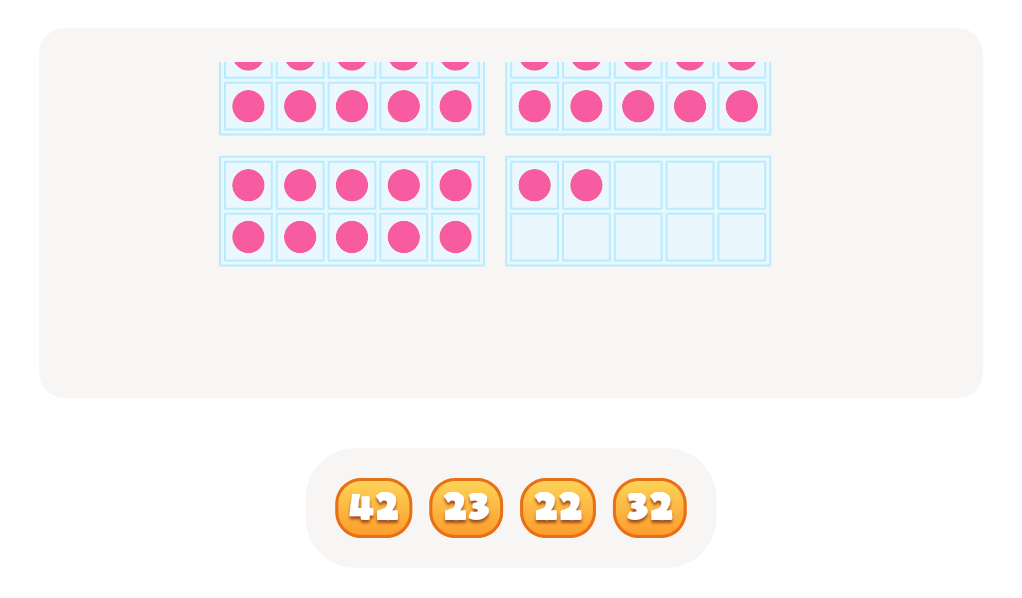
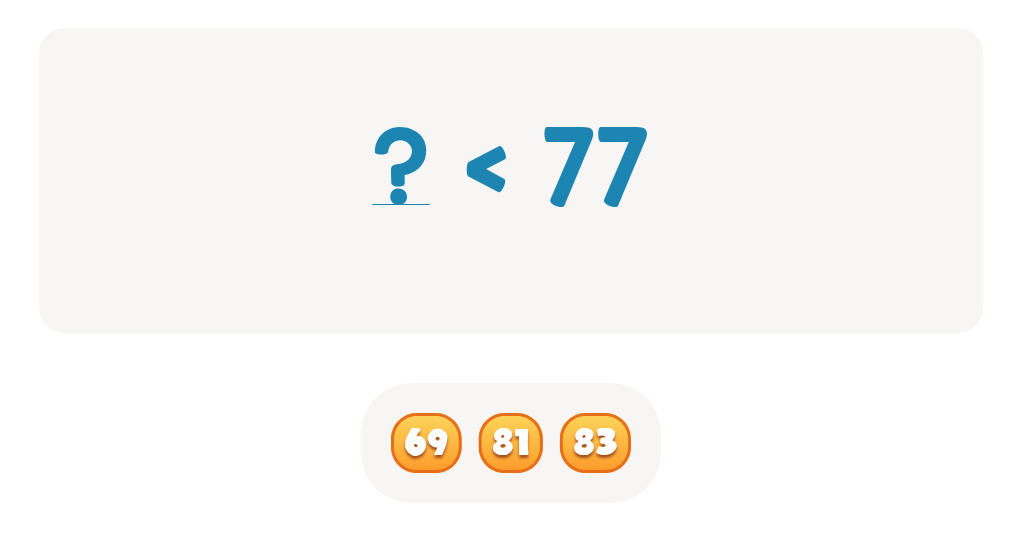
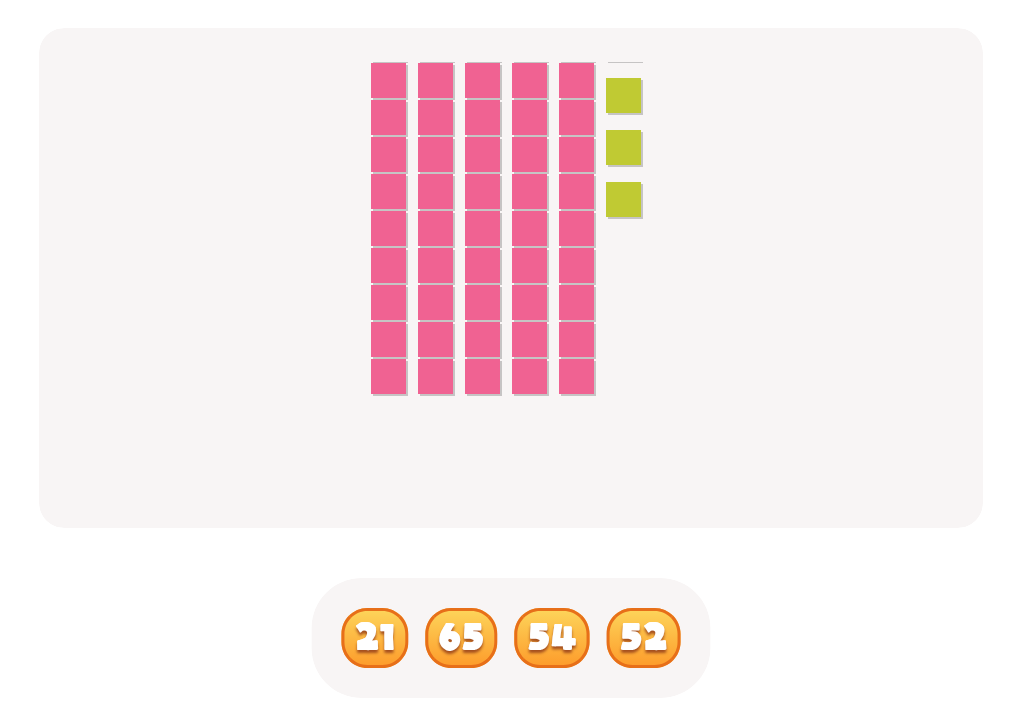
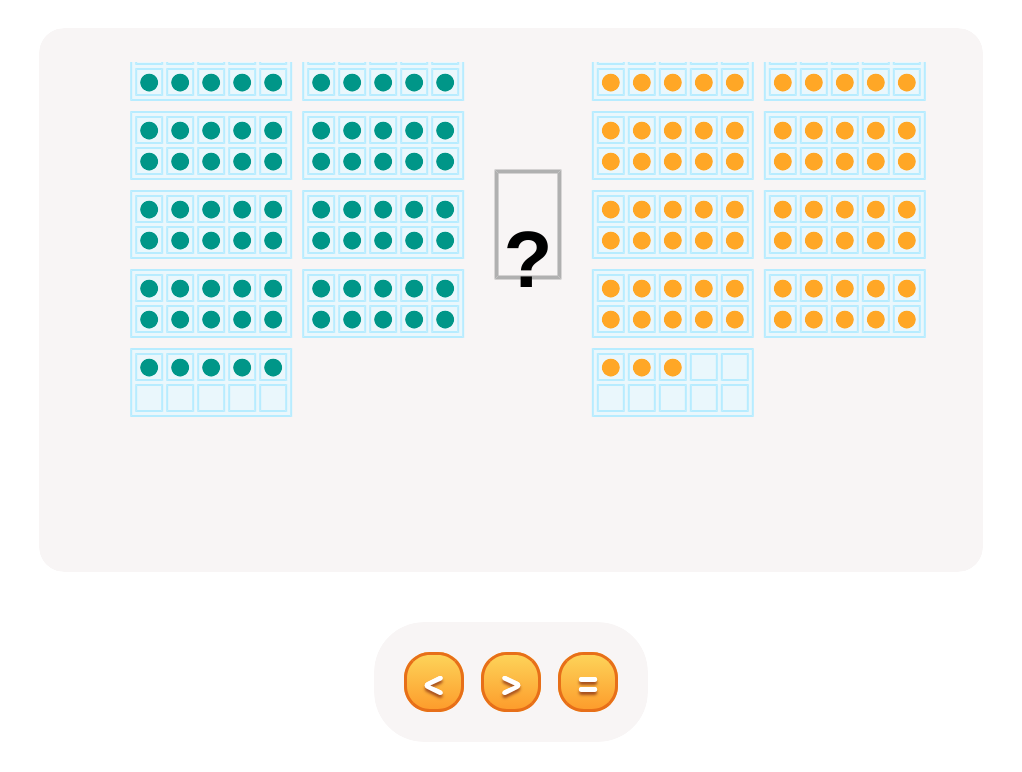
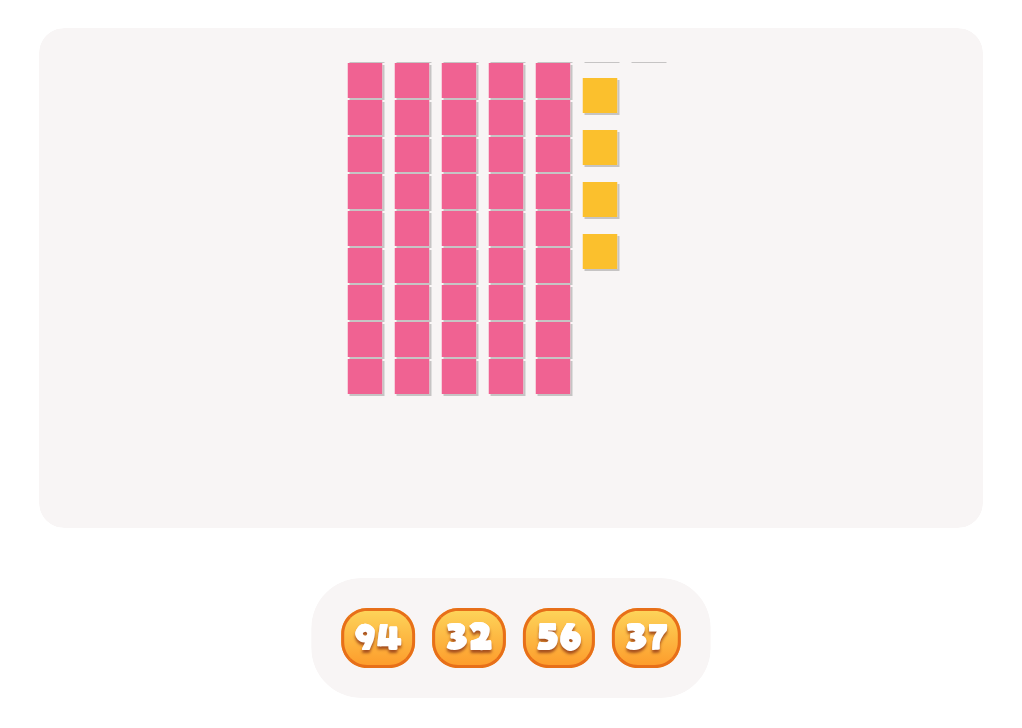
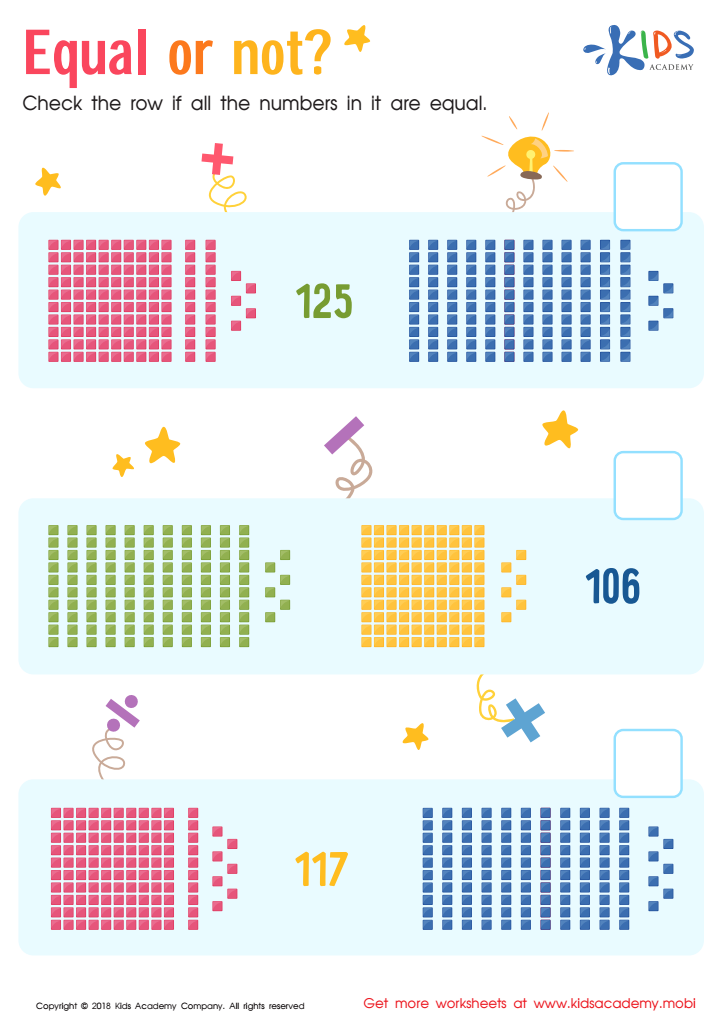
Equal or not Worksheet
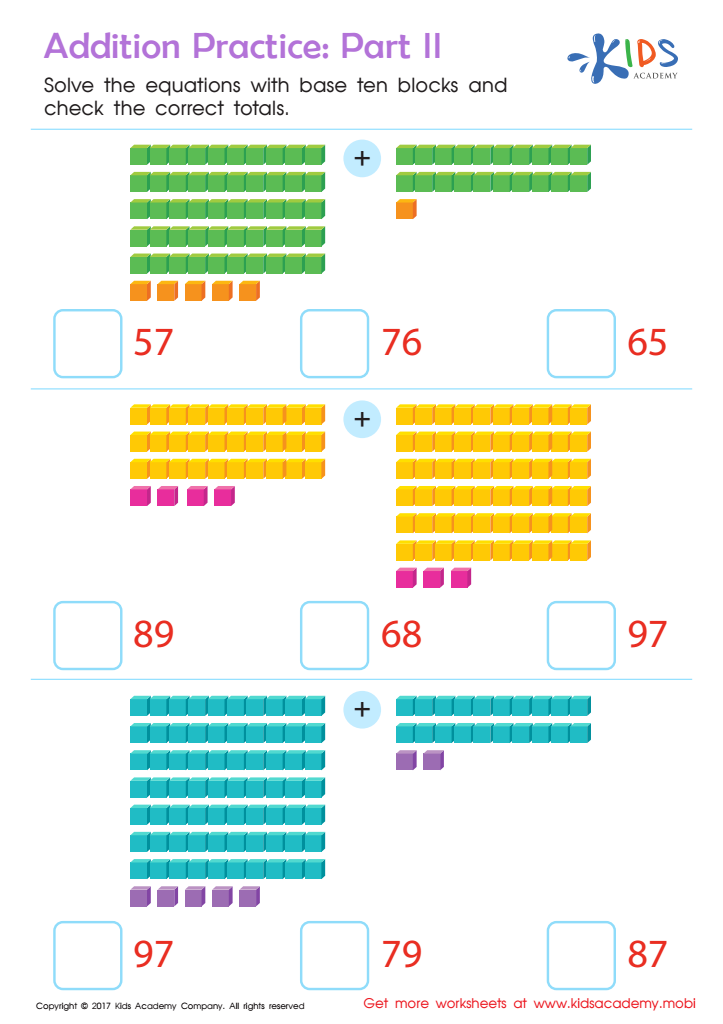
Addition Practice Sheet: Part 2
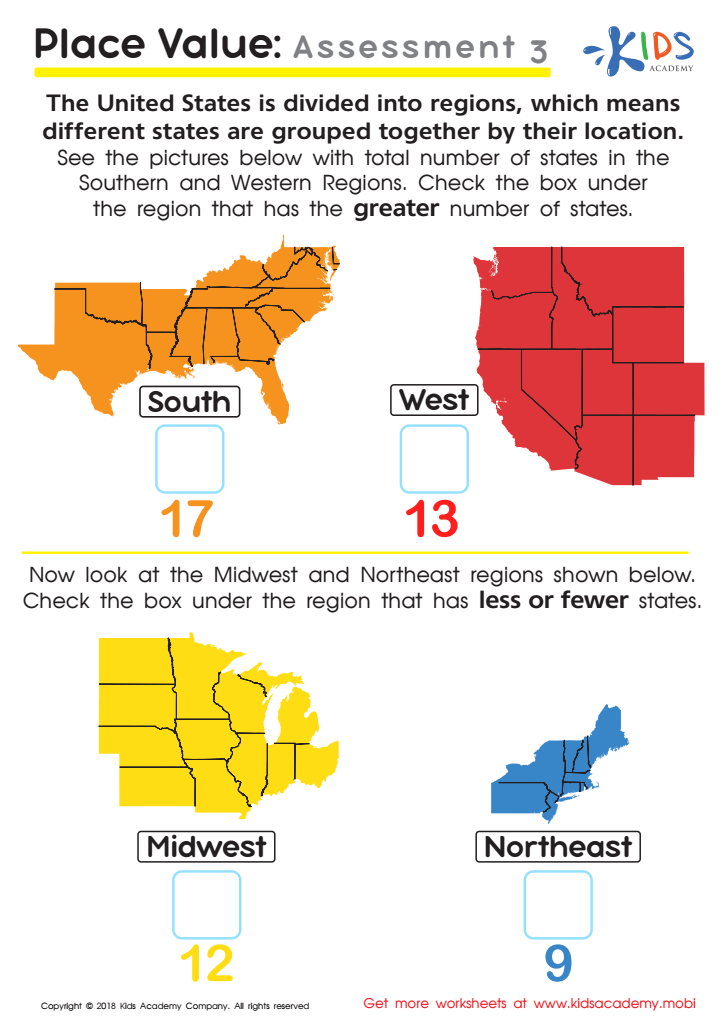
Place Value: Assessment 3 Worksheet
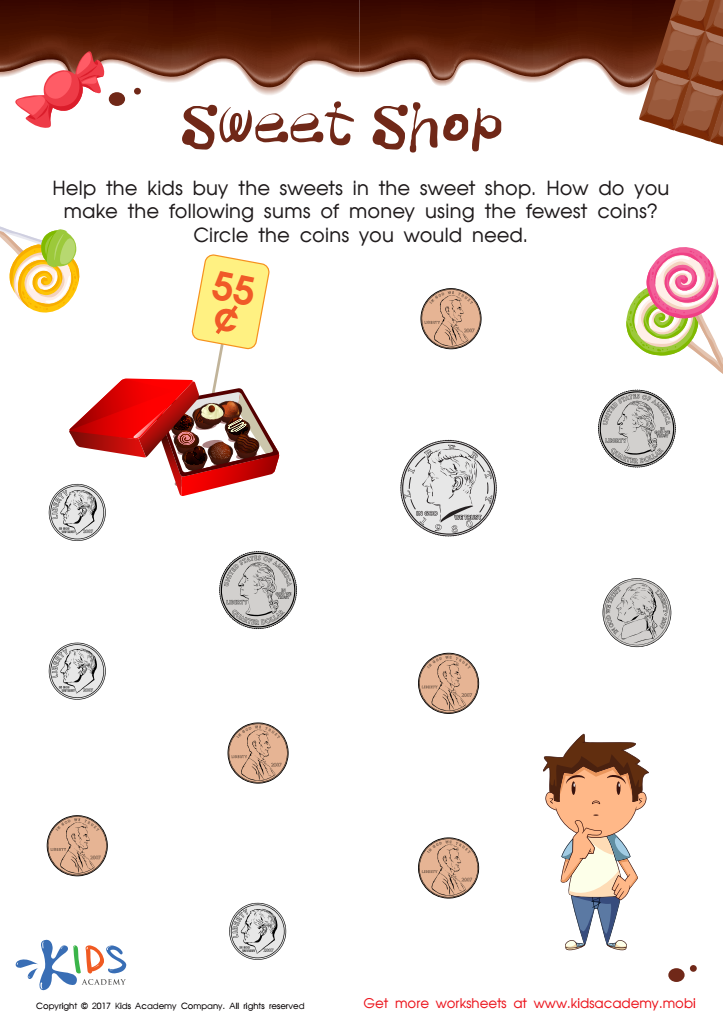
Sweet Shop – Counting Coins Worksheet








Parents and teachers should prioritize teaching basic math skills such as place value to children ages 5-7, as these foundational concepts serve as the building blocks for future math learning. Place value helps children understand that the digits in numbers hold different values depending on their position. For example, in the number 56, the 5 represents fifty while the 6 represents six. This understanding is crucial for developing a strong number sense, which underpins all arithmetic operations.
Mastering place value also fosters critical thinking and problem-solving abilities. As children learn to break down numbers into tens and ones, they gain the skills to compare quantities, add and subtract more efficiently, and eventually tackle more complex concepts such as multiplication and division. Recognizing place value aids in grasping larger numbers and understanding decimals, both of which are essential in everyday life and higher-level math.
Additionally, a strong grasp of place value translates into greater confidence in math, reducing anxiety and encouraging a positive attitude toward the subject. When children engage with math concepts early on, they are more likely to develop a lifelong love for learning, setting the stage for academic success in other areas as well.