Critical Thinking Reading Non-Fiction Worksheets for Ages 5-7
7 filtered results
-
From - To
Enhance your child's cognitive skills with our Critical Thinking Reading Non-Fiction Worksheets for ages 5-7. These carefully crafted worksheets are designed to promote analytical thinking, comprehension, and the ability to draw conclusions from factual texts. Through engaging activities and thought-provoking questions, young learners will develop crucial skills to understand and interpret non-fiction content. Ideal for classroom or home use, these printable resources provide a solid foundation in critical thinking, fostering independent problem-solving abilities that are essential for academic success. Unlock your child's potential with Kids Academy's expertly developed learning materials.
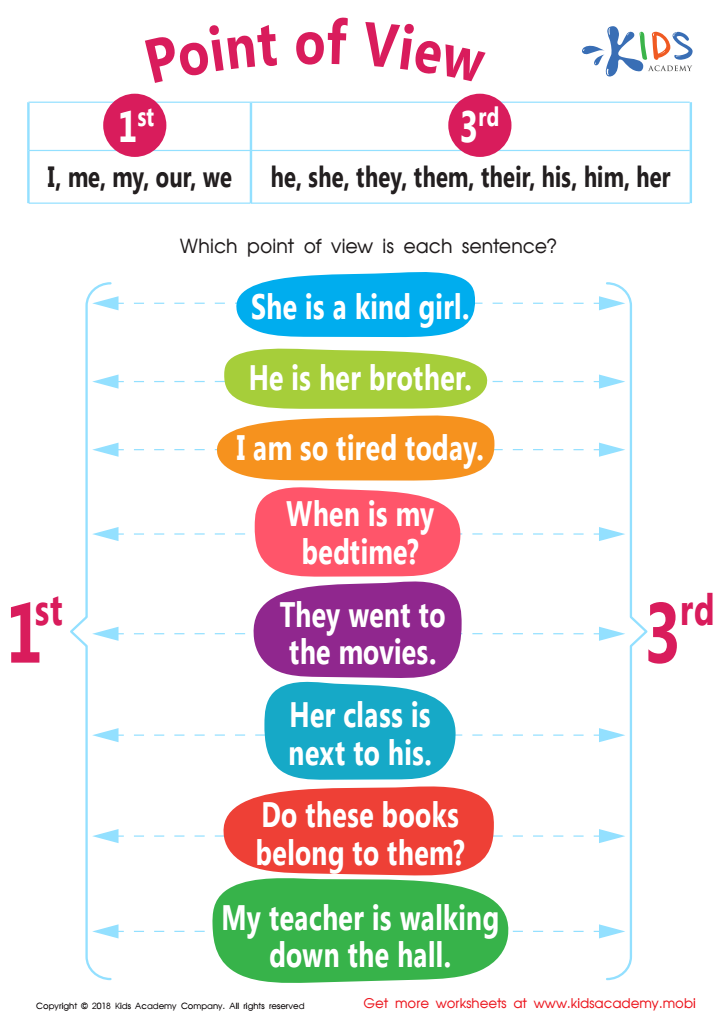
Point of View Worksheet
 Assign to My Students
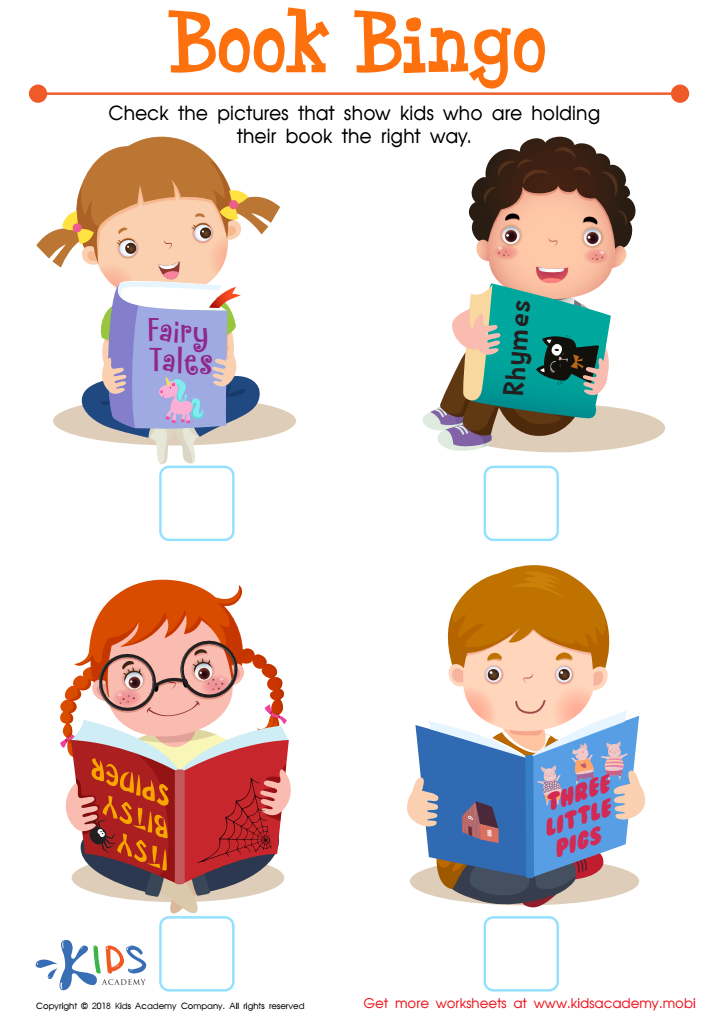
Book Bingo Worksheet
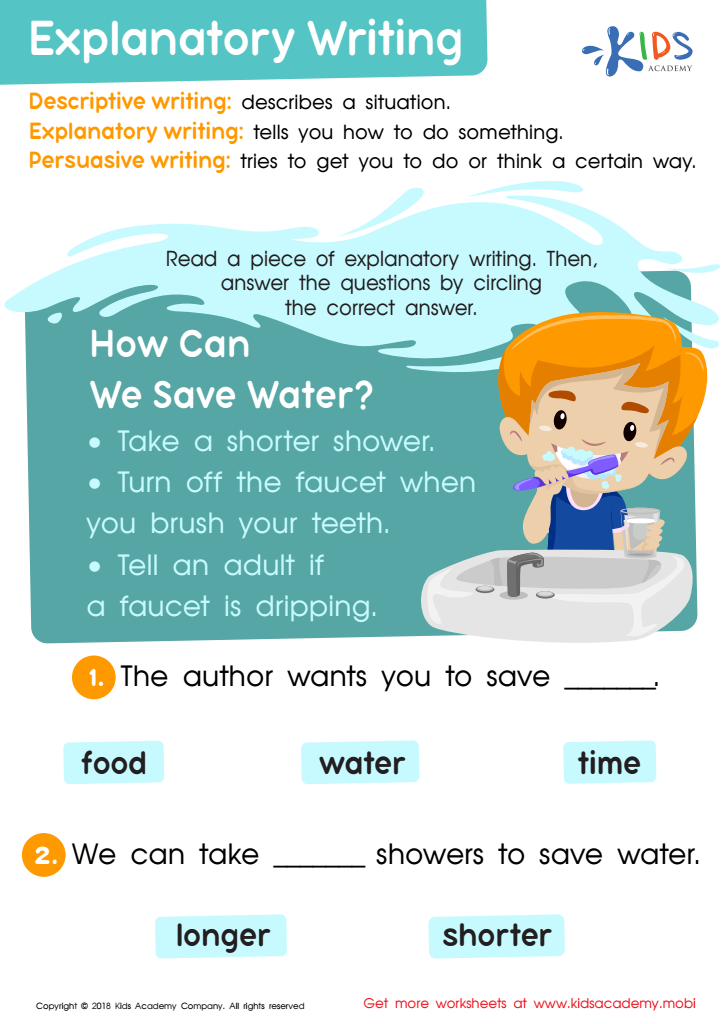
Explanatory Writing Worksheet
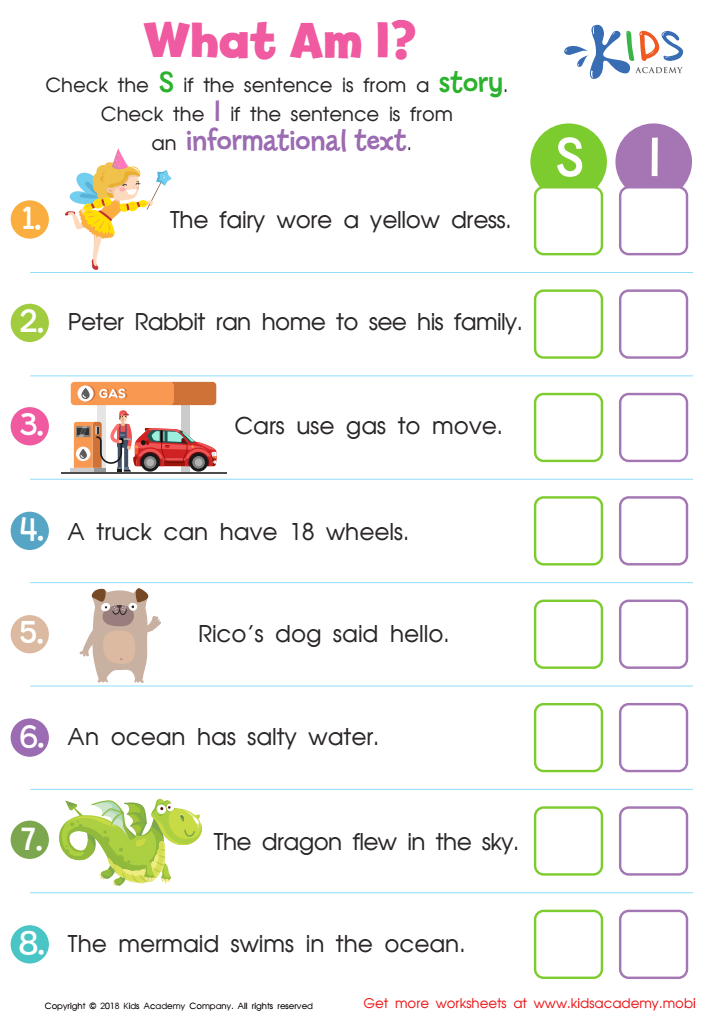
What Am I? Worksheet
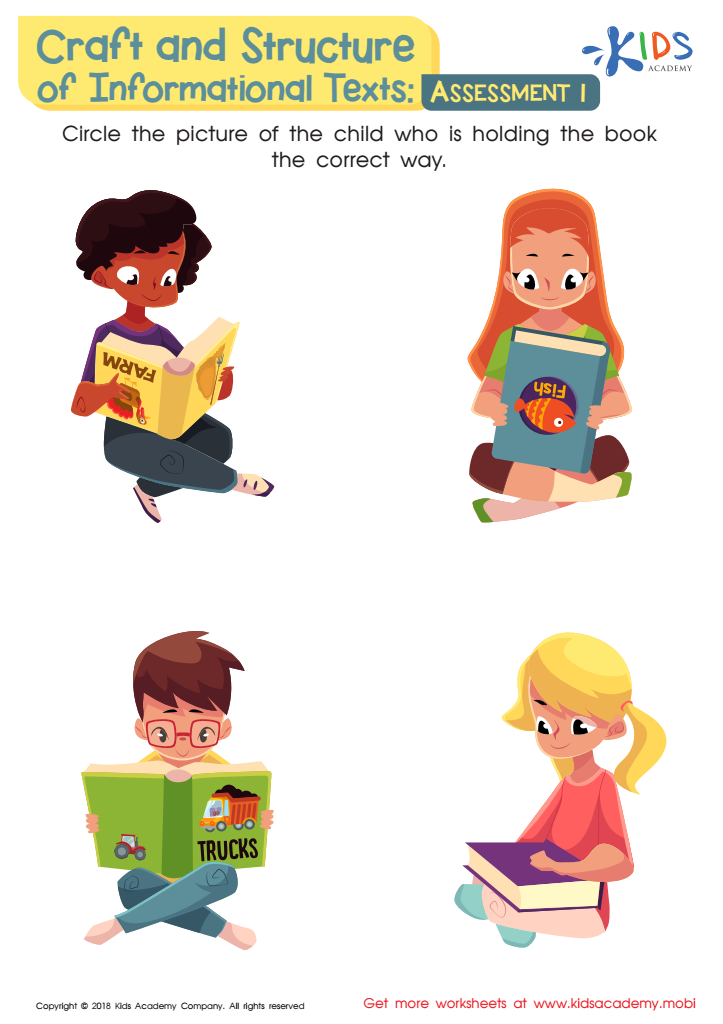
Craft and Structure of Informational Texts: Assessment 1 Worksheet
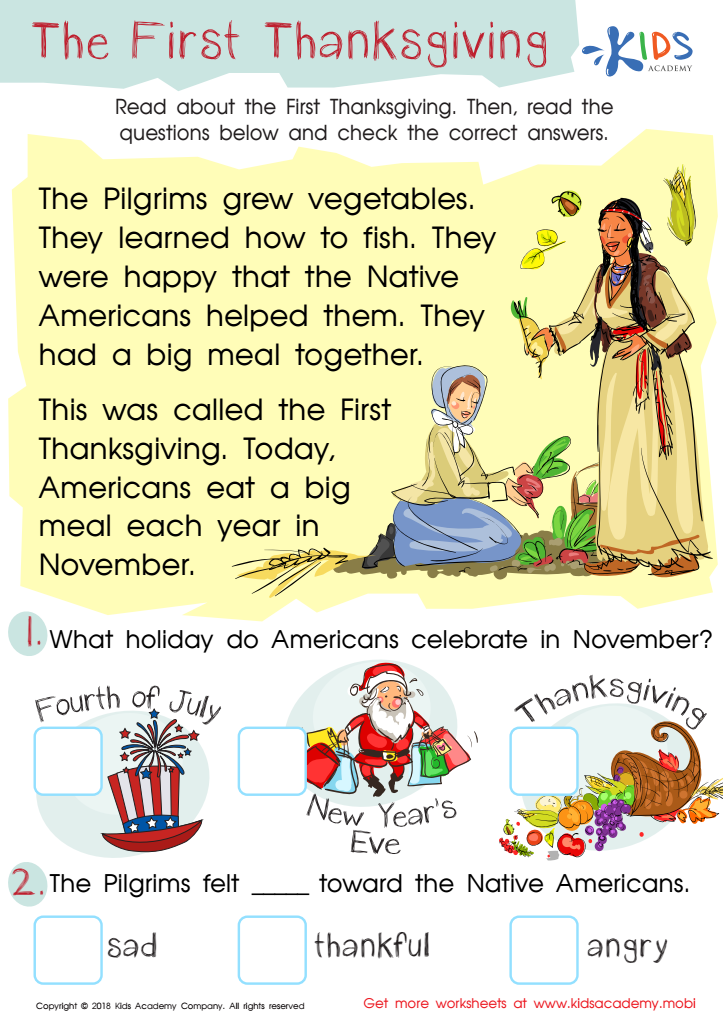
Assessment: First Thanksgiving Worksheet
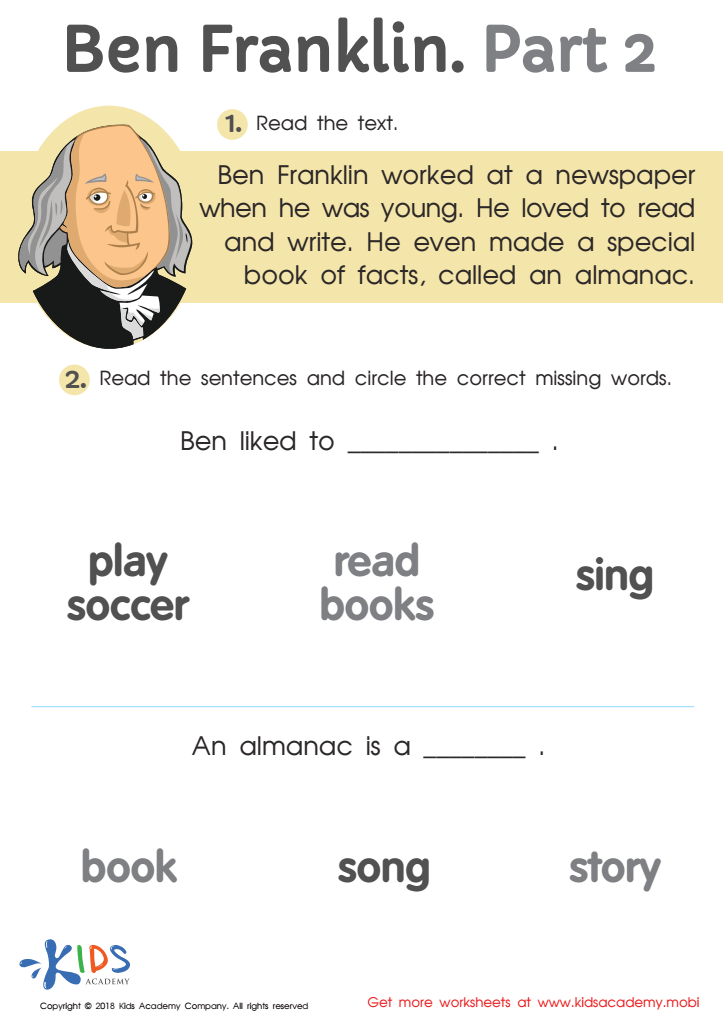
Ben Franklin Part 2 Worksheet








Critical Thinking Reading Non-Fiction for ages 5-7 is essential for both parents and teachers to prioritize as it lays the foundation for lifelong learning and cognitive development. At this early stage, children are like sponges, absorbing information rapidly. By introducing them to non-fiction texts, they begin to understand the world around them through factual, realistic contexts, which fosters curiosity and a desire to explore new topics.
Reading non-fiction helps strengthen critical thinking skills by encouraging young minds to question, analyze, and evaluate information. These skills are crucial for problem-solving and decision-making throughout their lives. When children engage with non-fiction, they learn to distinguish between facts and opinions, recognize the importance of evidence, and build logical reasoning abilities.
Moreover, non-fiction reading enhances vocabulary and comprehension skills, providing children with the language tools needed to express their ideas clearly and confidently. This genre exposes them to diverse topics such as science, history, and social studies, broadening their knowledge base and helping them make informed connections with their surroundings.
Incorporating critical thinking into these reading sessions further enriches the learning experience. By asking open-ended questions and encouraging discussions, parents and teachers can inspire a deeper understanding, promoting a love of learning that extends beyond the classroom and into future academic adventures.








