Improve reading comprehension Reading Non-Fiction Worksheets for Ages 5-7
5 filtered results
-
From - To
Enhance your child’s reading skills with our engaging Non-Fiction Worksheets designed for ages 5-7! These worksheets aim to boost reading comprehension through fun, interactive activities that spark curiosity and promote critical thinking. Each worksheet features captivating non-fiction texts on a variety of subjects, encouraging young learners to explore the world around them. Using these resources, children will practice identifying main ideas, making inferences, and answering comprehension questions, all while building confidence in their reading abilities. Perfect for both classroom use and at-home learning, our non-fiction worksheets will make reading an exciting adventure for your little one!
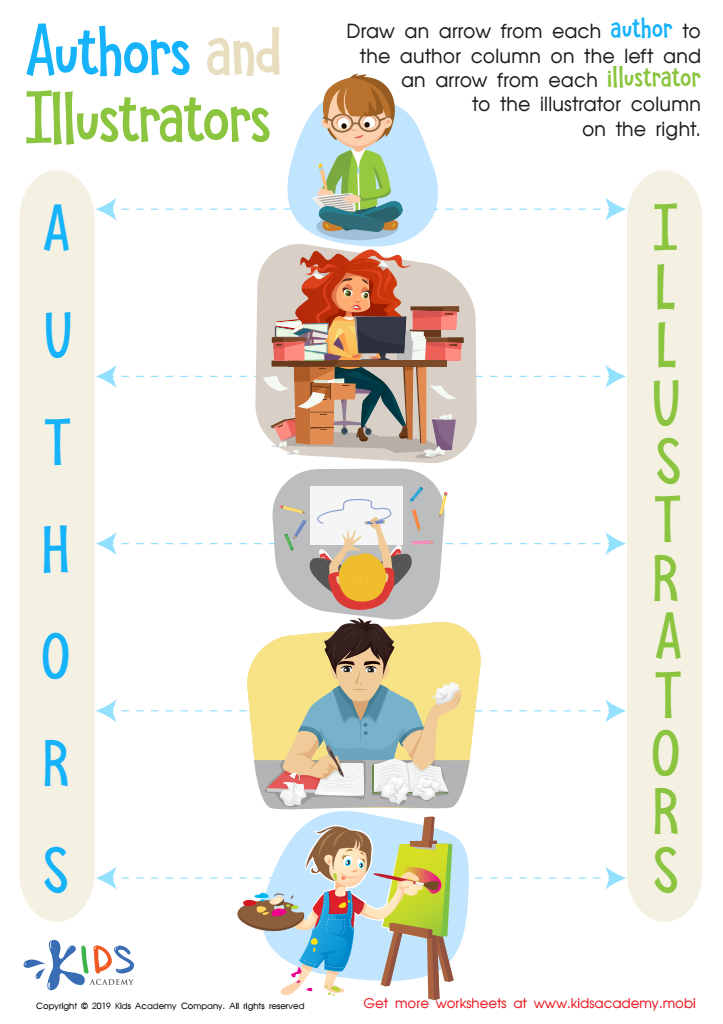
Authors and Illustrators Worksheet
 Assign to My Students
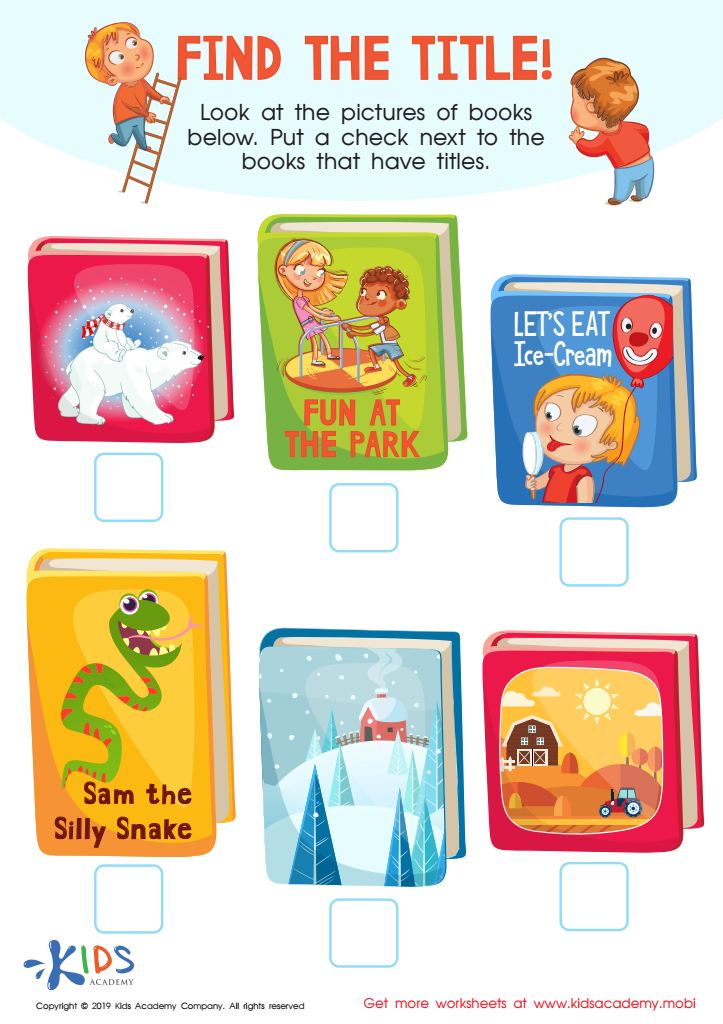
Find the Title Worksheet
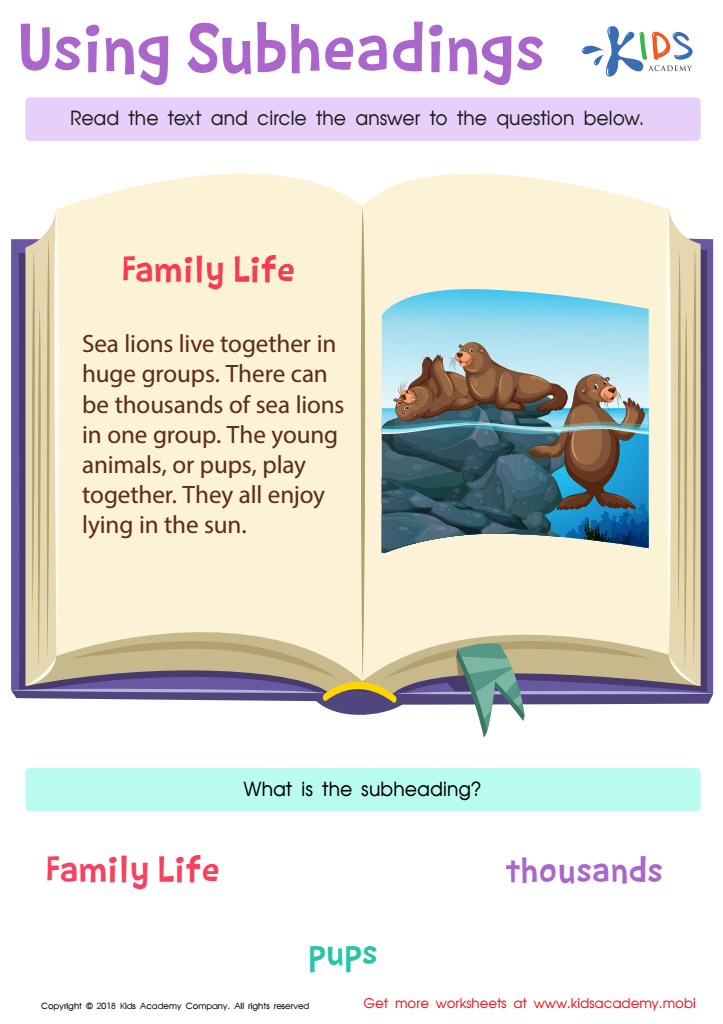
Using Subheadings Worksheet
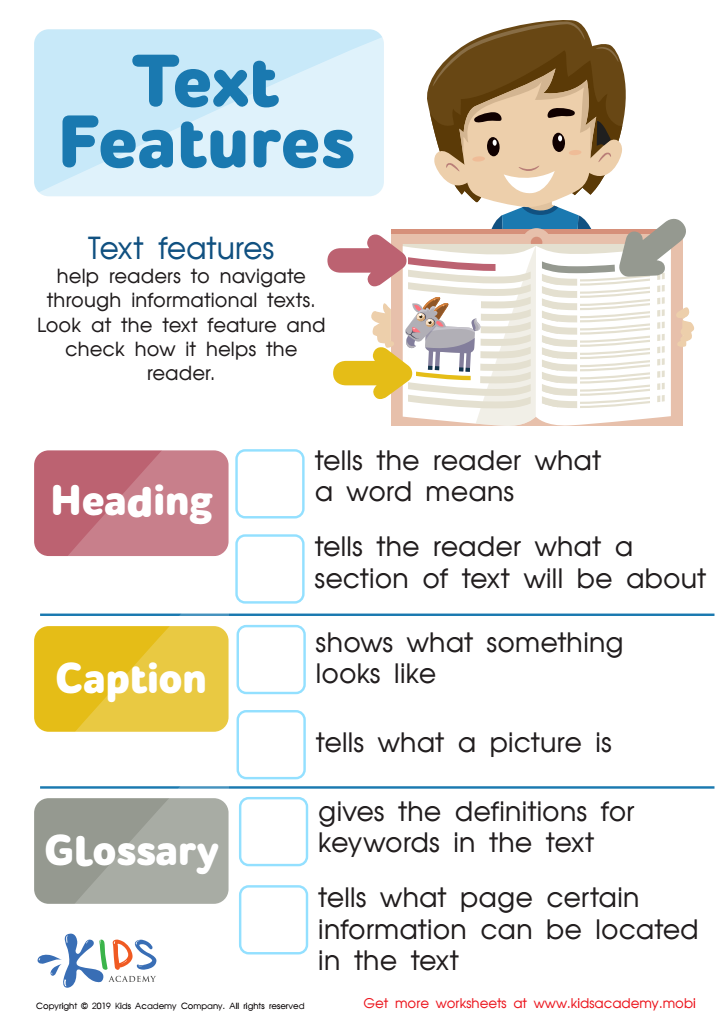
Text Features Worksheet
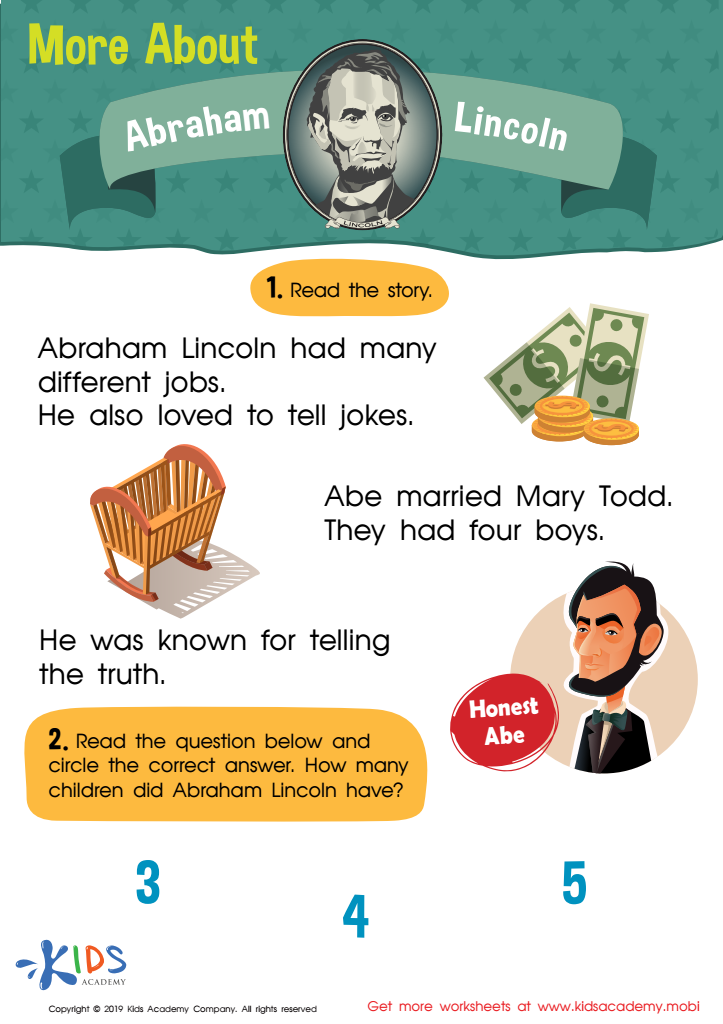
More About Abraham Lincoln Worksheet








Improving reading comprehension in non-fiction for ages 5-7 is crucial for several reasons, making it a priority for both parents and teachers. First, non-fiction texts expose young readers to real-world concepts, fostering curiosity and critical thinking. At this developmental stage, children learn to differentiate between factual information and narrative elements, laying the foundation for analytical skills.
Additionally, a strong grasp of non-fiction enhances vocabulary and comprehension skills. Readers encounter specialized terminology and context-specific information, which helps them articulate thoughts and ideas clearly. Proficient comprehension is vital not only for academic success but for everyday decision-making and problem-solving.
Furthermore, engaging with non-fiction can spark a lifelong interest in subjects like science, history, and geography. This awareness supports children's cognitive and emotional development, connecting them with real-life issues. By encouraging explorative reading habits, parents and teachers cultivate a love for learning and inquiry.
Lastly, both parents and teachers serve as models for valuing education. When they emphasize the importance of comprehending non-fiction texts, they instill a positive attitude towards reading that can enhance overall literacy in children, impacting their future academic success and personal growth. In summary, prioritizing reading comprehension in non-fiction education is essential for holistic child development.








