Vocabulary development Reading Non-Fiction Worksheets for Ages 5-7
4 filtered results
-
From - To
Elevate your child’s vocabulary with our engaging Non-Fiction Worksheets designed for ages 5-7! These educational resources promote vocabulary development through fun, age-appropriate activities centered around real-world topics. Your young learner will explore exciting subjects while enhancing their reading comprehension and language skills. Our worksheets incorporate interactive exercises like matching words to images and fill-in-the-blank sentences, making learning enjoyable and effective. Perfect for both classroom and at-home use, these resources cater to diverse learning styles, ensuring every child can thrive. Empower your child’s growth in literacy and knowledge today with our thoughtfully designed vocabulary development worksheets!
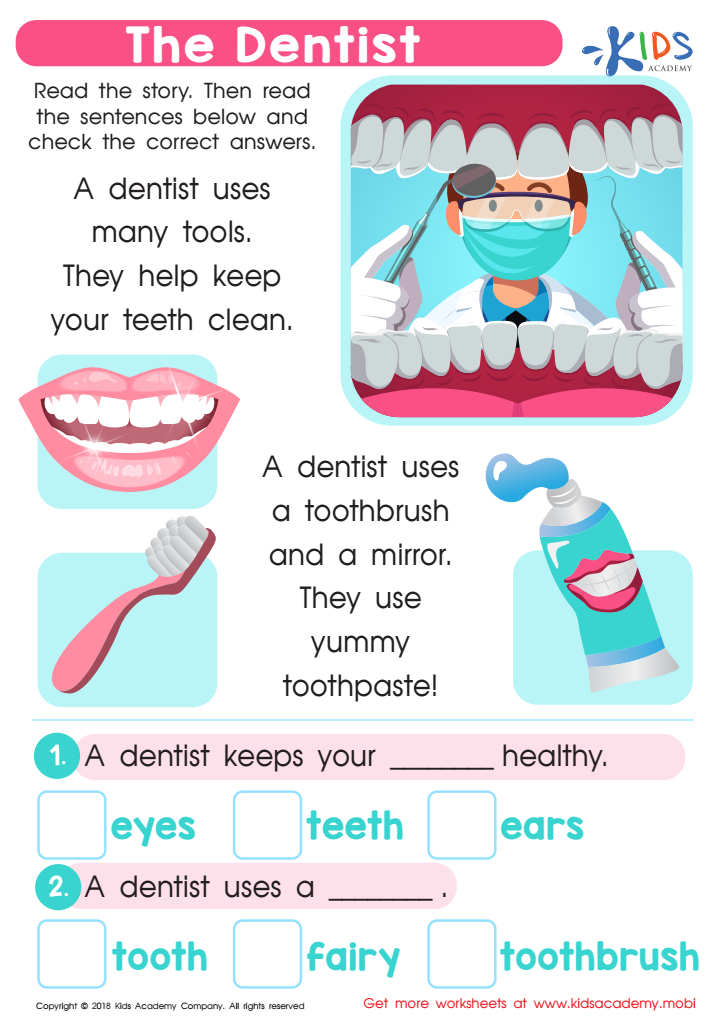
The Dentist Worksheet
 Assign to My Students
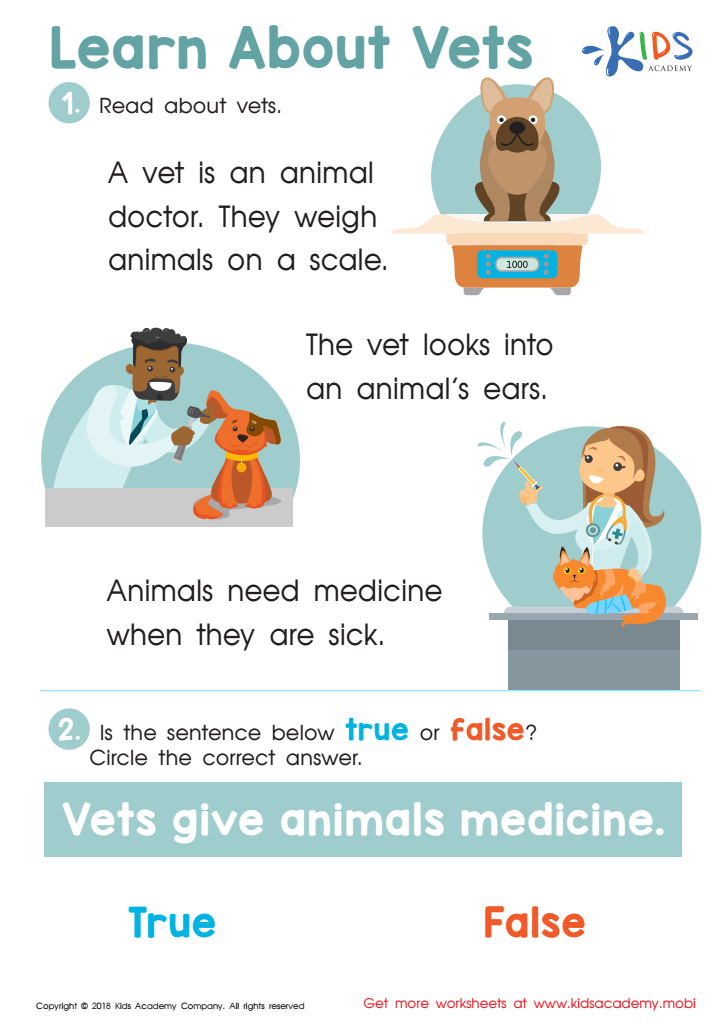
Learn About Vets Worksheet
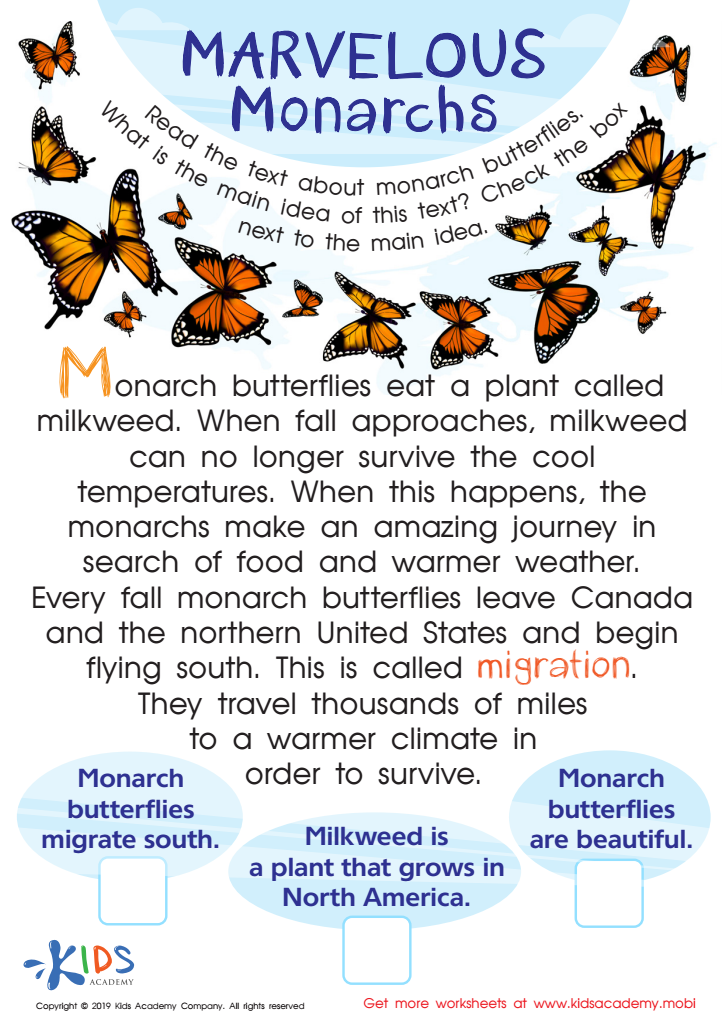
Marvelous Monarchs Worksheet
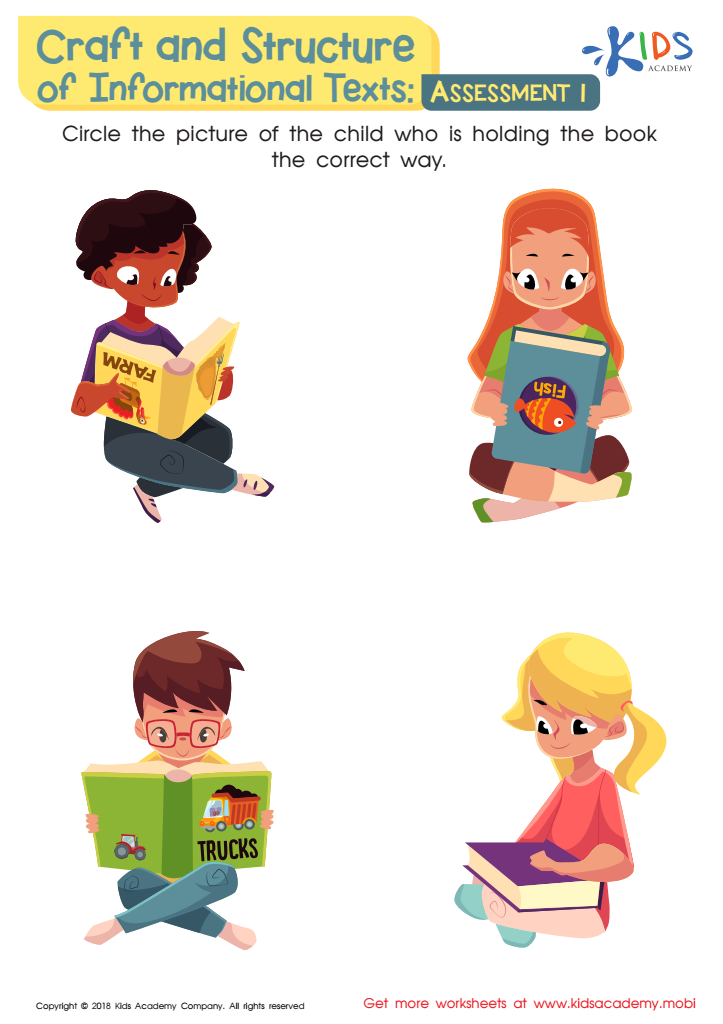
Craft and Structure of Informational Texts: Assessment 1 Worksheet








Vocabulary development is crucial for children aged 5-7, especially when engaging with non-fiction texts. During these formative years, children are building the foundational skills necessary for reading comprehension and overall academic success. Non-fiction books expose young learners to a rich array of vocabulary that is often more complex than what they encounter in fiction. This exposure not only enhances their understanding of specific subjects, such as science or social studies, but also broadens their language skills generally.
When parents and teachers prioritize vocabulary development through non-fiction reading, they help children learn new concepts, facts, and perspectives. This kind of reading encourages critical thinking, as children analyze real-world information. Additionally, acquiring a wider vocabulary allows children to articulate their thoughts and ideas more clearly, fostering better communication skills.
Strong vocabulary knowledge is linked to improved reading comprehension and academic achievement in later years. By cultivating a love for reading non-fiction at a young age, parents and teachers can instill a sense of curiosity and a lifelong habit of learning. Ultimately, investing in vocabulary development through non-fiction literacy lays the groundwork for future educational success and informed citizenship.








